

Table of Contents
- Easy Homemade Bread: The Only Recipe You’ll Ever Need
- Why This Easy Homemade Bread Recipe is a Game-Changer
- Easy Homemade Bread Ingredient Spotlight: Quality Makes the Difference
- Step-by-Step Instructions for Easy Homemade Bread
- Serving & Presentation
- Make-Ahead & Storage Solutions
- Frequently Asked Questions (FAQ)
Easy Homemade Bread: The Only Recipe You’ll Ever Need
Imagine the warm, inviting aroma of freshly baked bread filling your kitchen, turning a simple meal into a comforting ritual. For busy home cooks craving Easy Homemade Bread without the hassle, this recipe is your ultimate solution. With just basic ingredients and a foolproof rising method, you’ll achieve soft, pillowy loaves that rival any bakery—perfect for beginners or seasoned bakers alike. Easy Homemade Bread has never been so accessible, requiring only 15 minutes of prep and yielding 12 delicious slices that freeze beautifully for later.
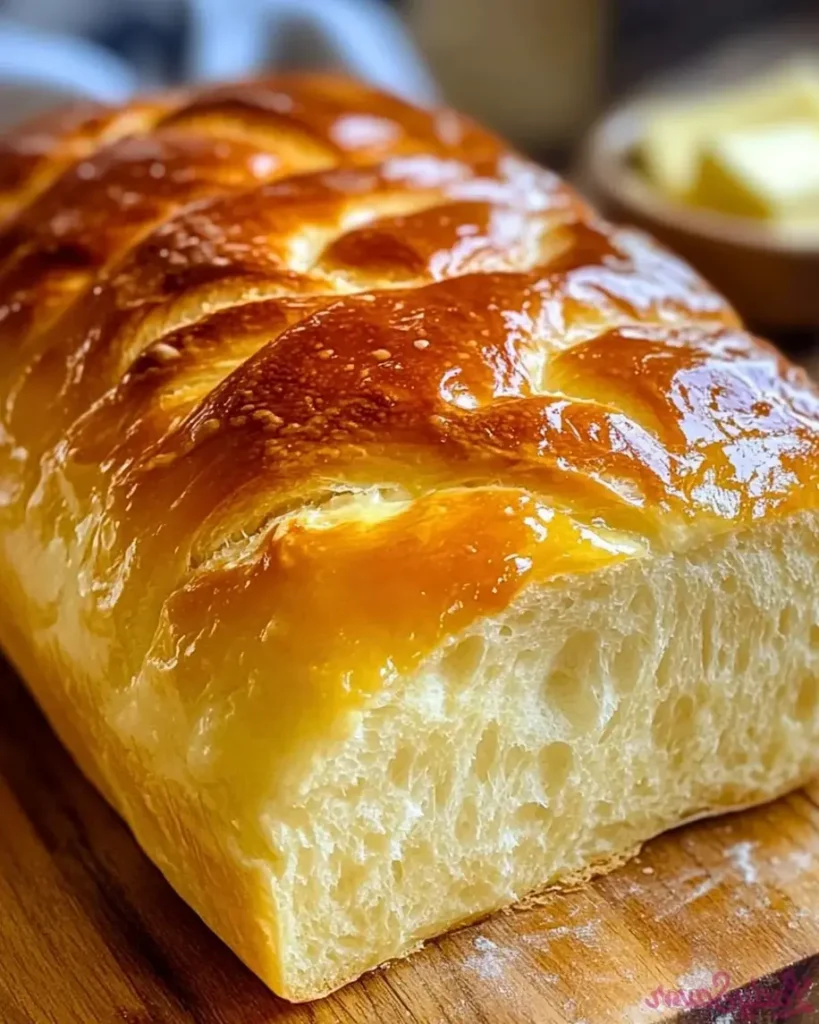
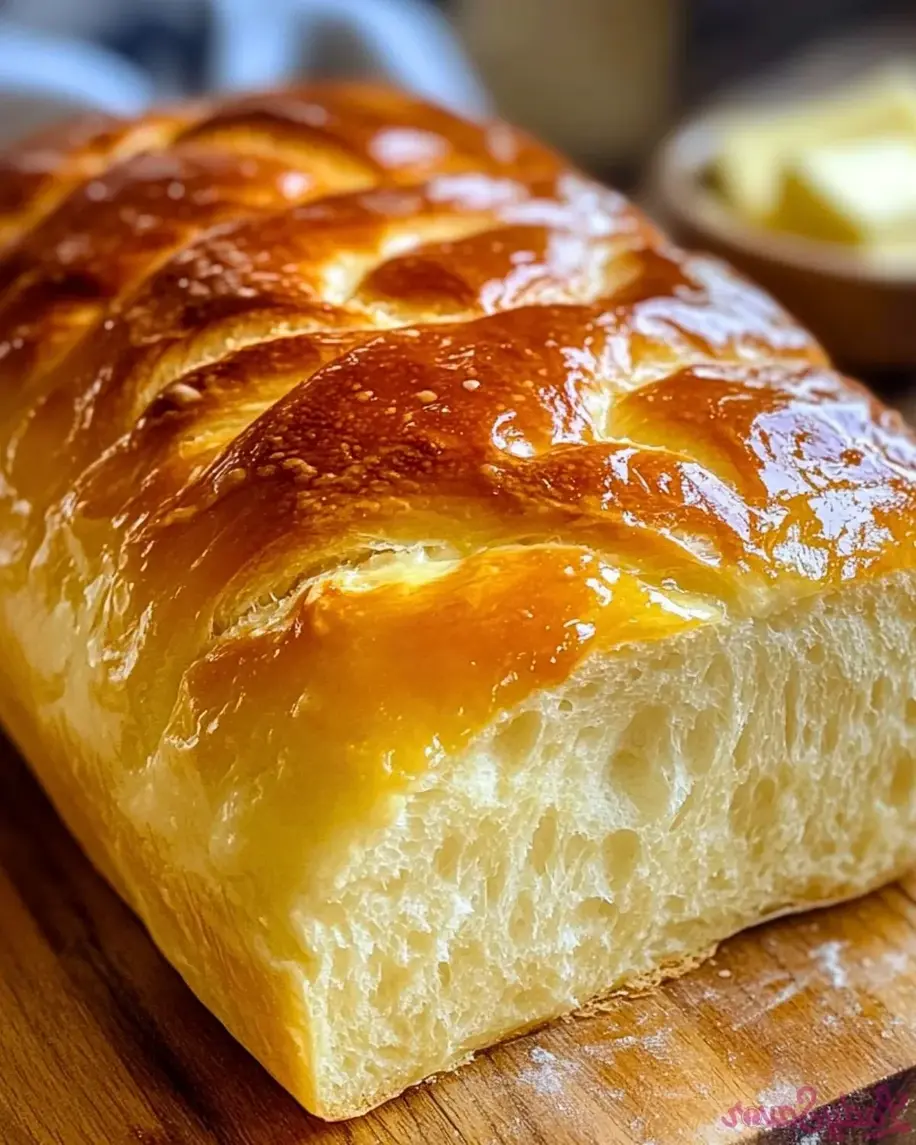
The sensory appeal of this Easy Homemade Bread is unbeatable, from its golden, crisp crust that crunches satisfyingly with every bite to the tender, airy interior that melts in your mouth. Picture the subtle, nutty undertones from the olive oil weaving through the warm, yeasty flavor, creating a bread that’s not just food but an experience. Each slice offers a perfect balance of soft texture and subtle saltiness, making it ideal for sandwiches, toasting, or simply slathered with butter.
From cookinwithlalyta.com, this Easy Homemade Bread recipe stands out thanks to Chef Lalybeth’s expertise and rigorous testing, ensuring it’s the most reliable guide online. Discover our Chef’s Secret for effortless rising that guarantees success every time, along with tips on substitutions, storage, and common pitfalls. Whether you’re a novice or pro, this comprehensive resource will boost your confidence in the kitchen and deliver bakery-quality results that will impress family and friends.
Why This Easy Homemade Bread Recipe is a Game-Changer
The Chef’s Secret lies in our foolproof rising method using warm water and a gentle knead, which ensures the dough activates yeast uniformly for consistent, airy results every time. This technique minimizes effort while maximizing texture, making Easy Homemade Bread accessible even if you’ve never baked before. Unlike other recipes that can lead to dense loaves, this one incorporates olive oil for enhanced moisture, creating a soft, springy crumb that stays fresh longer.
Unbeatable Texture: The science behind this Easy Homemade Bread’s texture comes from the precise balance of flour, yeast, and warm water, which promotes gluten development during kneading. This results in a light, chewy interior with a golden crust, thanks to the Maillard reaction during baking that caramelizes the surface for added depth and flavor.
Foolproof for a Reason: This recipe has been tested multiple times in real home kitchens, guaranteeing success with minimal equipment. Its simplicity—focusing on basic ingredients—makes it a reliable staple for Easy Homemade Bread lovers, reducing waste and building baking confidence.
Easy Homemade Bread Ingredient Spotlight: Quality Makes the Difference
All-purpose flour forms the foundation of this Easy Homemade Bread, providing the essential structure and gluten that give the loaf its signature soft, chewy texture. Opt for high-quality, unbleached flour to ensure better rise and flavor; lower-quality options can result in a denser bread. If you’re gluten-sensitive, substitute with a 1:1 gluten-free flour blend, but note that it may slightly alter the texture, making it less elastic.
Active dry yeast is the magic activator in this Easy Homemade Bread recipe, responsible for the fermentation that creates those irresistible air pockets and flavors. Always use fresh yeast for optimal rising—stale yeast can lead to flat loaves. For those avoiding yeast, you can substitute with 1 teaspoon of baking powder mixed with a pinch of baking soda, though this will yield a quicker, denser bread without the traditional yeasty taste.
Salt enhances the overall flavor profile of Easy Homemade Bread, balancing the yeast’s sweetness and strengthening the dough’s structure for a better rise. Choose fine sea salt for even distribution; table salt works in a pinch but might make the bread taste saltier. If watching sodium, reduce to 3/4 teaspoon, but be aware it could slightly diminish the bread’s flavor depth.
Warm water is crucial for activating the yeast in this Easy Homemade Bread, helping to dissolve ingredients and kickstart the rising process smoothly. Use filtered water heated to about 110°F (43°C) for the best results—too hot, and you’ll kill the yeast; too cold, and it won’t activate properly. There’s no direct substitute, but if your tap water is hard, consider using bottled to avoid any mineral interference with the dough’s texture.
Olive oil adds a subtle richness and moisture to this Easy Homemade Bread, preventing the crust from becoming too tough and extending the bread’s shelf life. Extra-virgin olive oil is ideal for its fruity notes, but you can swap it with melted butter or vegetable oil for a milder taste—keep in mind that butter will make the bread richer but slightly less healthy.
Step-by-Step Instructions for Easy Homemade Bread
Step 1: Combining the Dry Ingredients
In a large bowl, combine the 3 cups of all-purpose flour, 1 teaspoon of active dry yeast, and 1 teaspoon of salt. Mix them thoroughly to ensure even distribution, which helps prevent uneven rising later. This step sets the base for your Easy Homemade Bread dough.
Pro Tip: Sift the flour first to remove any lumps, promoting a smoother dough and better incorporation of ingredients for a lighter texture.
Step 2: Adding the Wet Ingredients
Add the 1 1/2 cups of warm water and 1 tablespoon of olive oil to the dry mixture, then stir with a wooden spoon until a shaggy dough forms. This should take about 1-2 minutes, ensuring all ingredients are fully integrated without overworking the dough at this stage.
Common Mistake to Avoid: Don’t use water that’s too hot, as it can kill the yeast; always check that it’s around 110°F to keep your Easy Homemade Bread rising properly.
Step 3: Kneading the Dough
Turn the dough out onto a floured surface and knead for about 10 minutes until it’s smooth and elastic. Use the heel of your hand to push and fold the dough, which develops the gluten for that perfect, chewy texture in your Easy Homemade Bread.
Pro Tip: If the dough sticks to your hands, add a little more flour sparingly; too much can make the bread dense, so aim for a tacky consistency.
Step 4: First Rising
Place the kneaded dough in a lightly greased bowl, cover it with a clean kitchen towel, and let it rise in a warm place for 1 hour or until doubled in size. This resting period is key for flavor development and airiness in your Easy Homemade Bread.
Common Mistake to Avoid: Avoid drafting areas; place the bowl in a warm, draft-free spot like an oven with the light on to ensure even rising and prevent the dough from deflating.
Step 5: Shaping the Loaf
After the first rise, punch down the dough gently to release air bubbles, then shape it into a loaf and place it in a greased loaf pan. This step helps form the final structure of your Easy Homemade Bread.
Pro Tip: Roll the dough into a tight ball before placing it in the pan; this creates a more uniform shape and better oven spring for a professional finish.
Step 6: Second Rising
Cover the shaped dough and let it rise for another 30 minutes in a warm spot, allowing it to puff up slightly for optimal texture. This second rise enhances the softness of your Easy Homemade Bread.
Common Mistake to Avoid: Don’t let it over-rise, as this can cause the bread to collapse in the oven; check after 25 minutes if your kitchen is particularly warm.
Step 7: Preheating the Oven
Preheat your oven to 375°F (190°C) while the dough is on its second rise. This ensures the oven is at the right temperature for even baking, which is crucial for Easy Homemade Bread’s golden crust.
Pro Tip: Use an oven thermometer to verify the temperature; ovens can vary, ensuring your bread bakes perfectly without burning.
Step 8: Baking the Bread
Bake the risen loaf for 30-35 minutes until it’s golden brown and sounds hollow when tapped on the bottom. This step locks in the flavors and textures of your Easy Homemade Bread.
Common Mistake to Avoid: Resist opening the oven door too early, as it can cause the bread to sink; wait until the last 5 minutes to check.
Step 9: Cooling the Bread
Remove the bread from the oven and let it cool on a wire rack for at least 30 minutes before slicing. This allows the interior to set, preventing a gummy texture in your Easy Homemade Bread.
Pro Tip: For a softer crust as per the recipe notes, brush the top with melted butter immediately after baking for added shine and flavor.
Serving & Presentation
Elevate your Easy Homemade Bread by slicing it thickly and pairing it with creamy butter or homemade jam for a simple yet elegant breakfast. For creative plating, arrange slices in a rustic bread basket alongside fresh herbs like rosemary for a pop of color and aroma. This bread complements hearty soups, salads, or even grilled sandwiches, enhancing meals with its soft texture and subtle flavors.
Make-Ahead & Storage Solutions
For make-ahead strategy, prepare the dough up to 3 days in advance: mix and knead as instructed, then store in an oiled bowl in the refrigerator. When ready, let it come to room temperature and proceed with rising and baking for fresh Easy Homemade Bread anytime.
Storing leftovers: Keep the cooled bread in an airtight container at room temperature for up to 3 days, or refrigerate for up to a week to maintain freshness. For longer storage, freeze slices in freezer bags for up to 3 months, preventing staleness.
The best way to reheat: Thaw frozen slices at room temperature, then warm in a 300°F oven for 5-10 minutes to restore the original soft texture and crusty exterior of your Easy Homemade Bread without drying it out.
Frequently Asked Questions (FAQ)
How long does it take to make easy homemade bread from start to finish?
This Easy Homemade Bread recipe takes about 2 hours total, including 15 minutes of prep, 35 minutes of cooking, and the rest for rising. The hands-on time is minimal, making it ideal for weeknights, and the downtime allows you to multitask.
What can I substitute for yeast in an easy homemade bread recipe?
In this Easy Homemade Bread recipe, you can substitute active dry yeast with instant yeast for faster activation, or use a baking powder and baking soda combo (1 teaspoon each) for a yeast-free version. However, this will result in a quicker bake with a denser texture, so it’s best for those avoiding fermentation.
What are some tips for ensuring easy homemade bread rises properly?
To ensure your Easy Homemade Bread rises well, use warm water around 110°F to activate the yeast, knead the dough thoroughly for 10 minutes to develop gluten, and place it in a warm, draft-free spot for rising. Covering the bowl with a damp cloth also helps maintain humidity, preventing a dry crust on the dough.
How should I store and serve easy homemade bread to keep it fresh?
Serve Easy Homemade Bread warm for the best flavor, ideally with a spread or as a side to meals. To keep it fresh, store in an airtight container at room temperature for up to 3 days; for longer, refrigerate or freeze. Always slice just before serving to avoid drying out the loaf.
What type of flour works best for easy homemade bread?
For this Easy Homemade Bread, all-purpose flour is ideal for its balanced protein content, but bread flour can be used for a chewier texture. If substituting, avoid cake flour as it may not rise as well due to lower gluten.
Can I add flavors or variations to this easy homemade bread recipe?
Absolutely! Enhance your Easy Homemade Bread by mixing in herbs like garlic or cheese before kneading, or add seeds for extra crunch. Keep additions to under 1/2 cup to maintain the recipe’s structure and ensure proper rising.
Can I make this recipe vegan or gluten-free?
Yes, this Easy Homemade Bread can be made vegan by ensuring all ingredients are plant-based (olive oil is already vegan-friendly). For gluten-free, substitute the flour with a certified gluten-free blend, but add 1 teaspoon of xanthan gum to mimic gluten’s binding properties, resulting in a slightly denser loaf.
Tried This Recipe? Leave a Comment!
Did you make this Easy Homemade Bread recipe? I’d love to hear how it turned out! Please leave a comment and a rating below. Your feedback helps other home cooks and supports cookinwithlalyta!
For more delicious inspiration, follow me on Pinterest!

Easy Homemade Bread
- Total Time: 2 hours
- Yield: 12 slices 1x
Description
A simple recipe for soft, homemade bread that requires basic ingredients and minimal effort.
Ingredients
- 3 cups all-purpose flour
- 1 teaspoon active dry yeast
- 1 teaspoon salt
- 1 1/2 cups warm water
- 1 tablespoon olive oil
Instructions
- In a large bowl, combine the flour, yeast, and salt.
- Add the warm water and olive oil, then stir until a dough forms.
- Knead the dough on a floured surface for about 10 minutes until smooth.
- Place the dough in a greased bowl, cover, and let it rise in a warm place for 1 hour.
- Punch down the dough, shape it into a loaf, and place it in a greased loaf pan.
- Let it rise for another 30 minutes.
- Preheat the oven to 375°F (190°C).
- Bake for 30-35 minutes until golden brown.
- Cool on a wire rack before slicing.
Notes
For a softer crust, brush the top with melted butter after baking.
- Prep Time: 15 minutes
- Cook Time: 35 minutes
- Method: Bread
- Cuisine: American
Nutrition
- Calories: 150
- Sugar: 1g
- Fat: 2g
- Carbohydrates: 28g
- Protein: 4g
Conclusion
In conclusion, this Easy Homemade Bread offers a simple way to enjoy the warm, comforting aroma and soft, fresh flavor of baked goods right at home, making it perfect for any beginner baker. Its versatile texture makes it ideal for everyday sandwiches or as a side to hearty meals. For a delicious dinner option, pair it with the Best Pot Roast with Potatoes and Carrots, or try the Easy Cheesy Sausage Breakfast Casserole for a satisfying breakfast twist.