
Homemade French Bread A Classic Delight: The Only Recipe You’ll Ever Need
Imagine the warm, inviting aroma of freshly baked Homemade French Bread A Classic Delight wafting through your kitchen, turning a simple family dinner into a gourmet affair. As a home cook who’s mastered this timeless recipe, I know the joy of pulling a golden, crusty loaf from the oven without needing professional skills. This Homemade French Bread A Classic Delight is not just about recreating a French bakery staple at home; it’s about achieving that perfect balance of soft, airy interior and shatteringly crisp exterior with minimal effort. Whether you’re a novice baker or a seasoned pro, this foolproof guide from cookinwithlalyta.com will empower you to impress your loved ones every time.
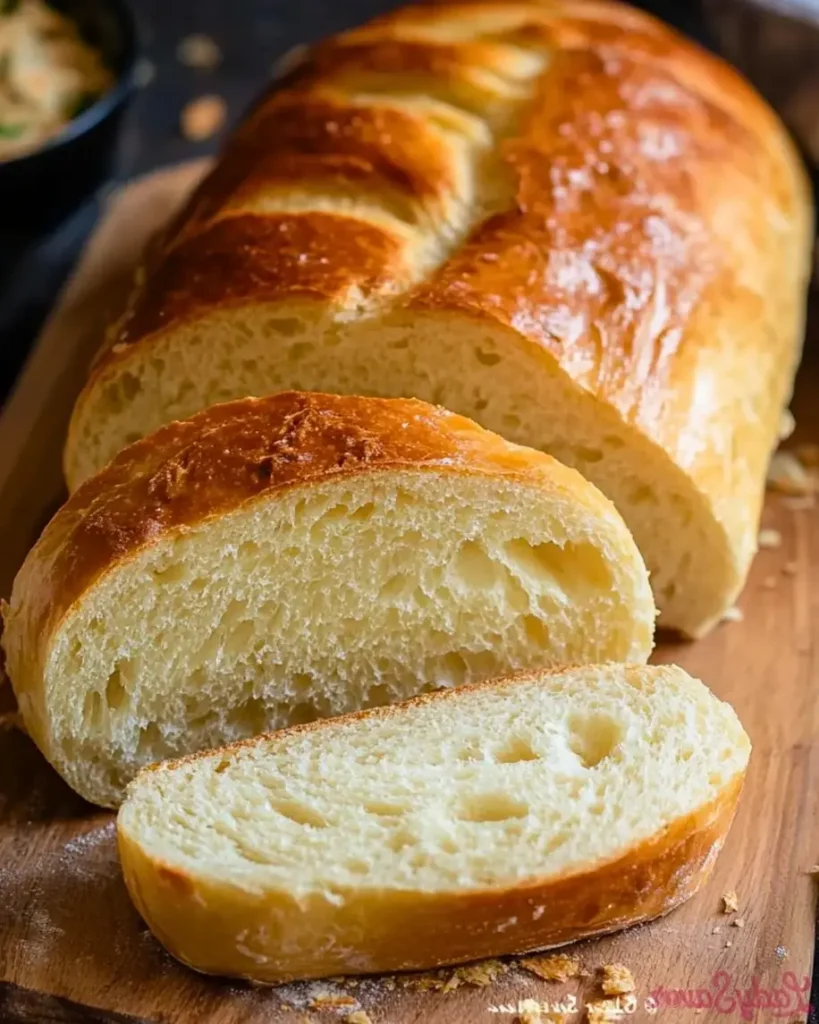
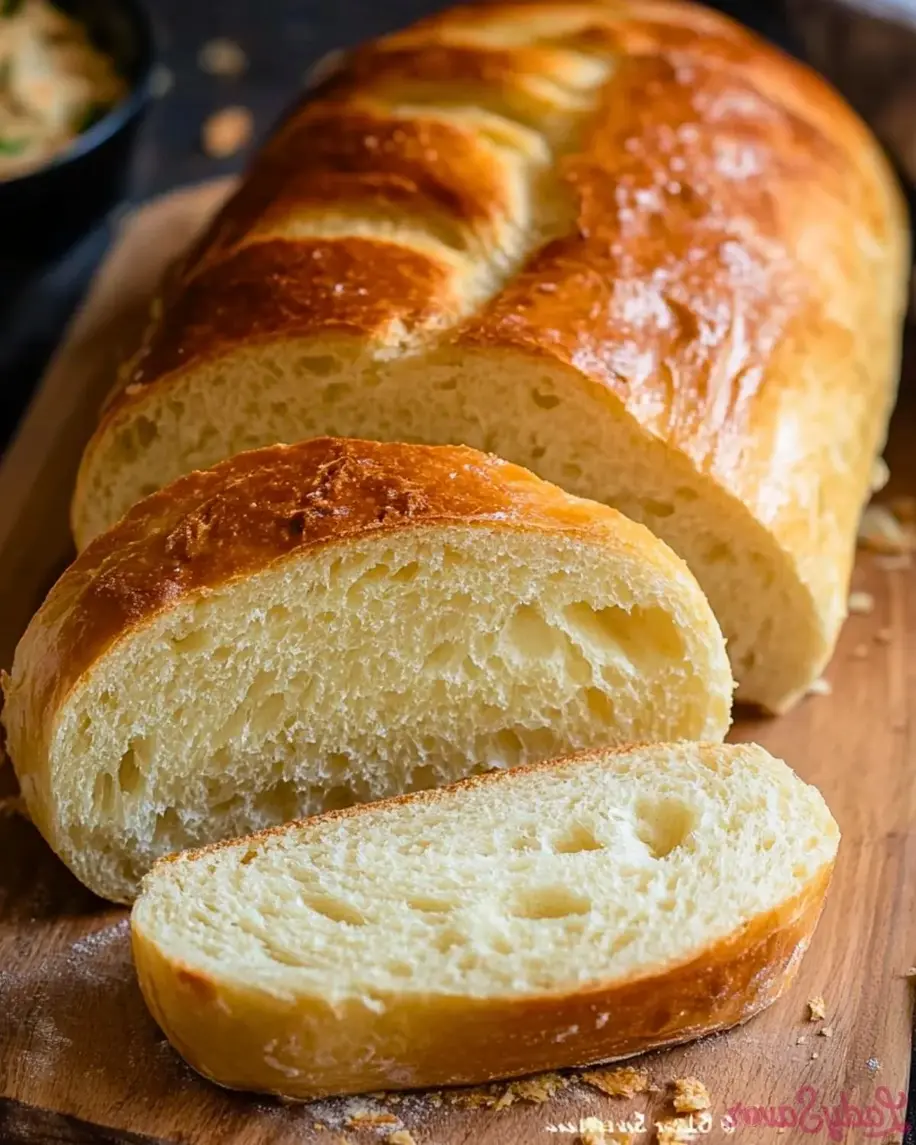
The sensory experience of this Homemade French Bread A Classic Delight is nothing short of magical. Picture biting into the chewy, tender crumb that yields to a satisfying crunch on the outside, with subtle notes of yeast and a hint of sweetness from the sugar that enhances the flavor without overpowering it. The bread’s golden-brown crust releases an earthy, toasted aroma that fills the air, evoking memories of Parisian cafes. Each slice boasts a perfect texture—light and pillowy inside, yet robust enough to hold up to hearty soups or cheeses, making it an irresistible addition to any meal.
Why trust this version of Homemade French Bread A Classic Delight from cookinwithlalyta.com? Crafted by renowned Chef Lalybeth, it’s been refined through countless trials to ensure consistent, bakery-quality results right in your own kitchen. You’ll discover the Chef’s Secret that elevates this recipe above the rest, along with expert tips, ingredient insights, and answers to common questions. By the end, you’ll feel confident mastering this classic, from dough preparation to serving suggestions, making it the ultimate resource for homemade bread success.
Why This Homemade French Bread A Classic Delight Recipe is a Game-Changer
The Chef’s Secret: What truly sets this Homemade French Bread A Classic Delight apart is the innovative use of an egg white wash combined with a simple steaming technique, as hinted in the recipe notes. By brushing the loaves with a mixture of egg white and water before baking, you create a barrier that locks in moisture while promoting a beautifully glossy, crispy crust that’s often missing in home-baked versions. This technique, perfected by Chef Lalybeth, ensures even browning and a professional finish without any special equipment—just your standard oven.
Unbeatable Texture: The science behind the texture lies in the careful balance of ingredients and rising times. The active dry yeast and warm water activate quickly, producing carbon dioxide that forms air pockets for that signature airy interior. Meanwhile, the high-gluten content in the all-purpose flour, when kneaded properly, develops elasticity, resulting in a bread that’s soft yet structured. This recipe’s precise instructions guarantee a crust that’s crisp due to the Maillard reaction—enhanced by the egg wash—creating a golden, flavorful exterior that’s far superior to store-bought options.
Foolproof for a Reason: This Homemade French Bread A Classic Delight has been tested multiple times in real home kitchens to eliminate guesswork. Every step is designed for reliability, from the initial yeast activation to the final bake, ensuring even beginners achieve perfect results. With clear guidance and tips to avoid common pitfalls, you’ll experience consistent success, making this the go-to recipe that builds your baking confidence.
Ingredient Spotlight: Quality Makes the Difference
For active dry yeast, this key leavening agent is what brings your Homemade French Bread A Classic Delight to life, transforming simple ingredients into a fluffy, risen dough. High-quality yeast ensures a strong rise and better flavor development, so opt for fresh packets from a reputable brand to avoid inactive batches that could lead to dense bread. If you’re substituting, instant yeast works wonderfully in the same quantity, as it doesn’t require proofing and integrates seamlessly for faster preparation.
Sugar plays a subtle yet crucial role in this Homemade French Bread A Classic Delight, feeding the yeast and adding a touch of sweetness that enhances the bread’s overall taste without making it overly sweet. Using granulated sugar from a pure source helps with browning and texture; avoid substitutes like artificial sweeteners, which might not dissolve properly. For a healthier twist, you can swap in an equal amount of honey, but note that it may slightly alter the dough’s moisture and flavor profile.
Warm water is the foundation for activating the yeast in your Homemade French Bread A Classic Delight, providing the ideal environment for fermentation. Always use filtered water at around 110°F to prevent killing the yeast—too hot, and it won’t rise; too cold, and activation slows. There’s no direct substitution, but if your tap water is hard, consider using bottled spring water to improve the dough’s consistency and final taste.
Salt is essential for flavor balance and controlling yeast activity in this Homemade French Bread A Classic Delight, enhancing the bread’s taste while strengthening the dough’s structure. Choose fine sea salt for even distribution; table salt can work but might make the bread saltier due to its finer grain. If you’re watching sodium, reduce it slightly and add a pinch of herbs like rosemary for depth, though this could subtly change the classic French flavor.
All-purpose flour forms the backbone of your Homemade French Bread A Classic Delight, providing the gluten needed for that chewy texture and structure. High-quality, unbleached flour with a protein content of at least 10-12% yields the best results; sifting it ensures no lumps. For a nuttier taste, substitute up to half with whole wheat flour, but expect a denser loaf as it absorbs more moisture—adjust water accordingly for optimal dough consistency.
The egg white, mixed with water for the wash, is the secret to that irresistible shine and crunch in your Homemade French Bread A Classic Delight. Fresh, large eggs from pasture-raised hens give the best results for a glossy finish. Vegans can substitute with aquafaba (chickpea liquid) whisked to a froth, which mimics the binding and gloss properties without altering the bread’s taste or texture significantly.
Step-by-Step Instructions
Step 1: Activating the Yeast
In a large bowl, dissolve 2 1/4 teaspoons of active dry yeast and 2 tablespoons of sugar in 2 cups of warm water. Let the mixture stand until it becomes creamy and foamy, which takes about 10 minutes. This step ensures the yeast is alive and ready to work its magic.
Pro Tip: Always check the water temperature with a thermometer—aim for 105-110°F—to activate the yeast without overwhelming it, leading to a better rise and fluffier bread.
Step 2: Forming the Dough
Once the yeast mixture is ready, add 1 tablespoon of salt and stir in 5 1/2 cups of all-purpose flour, one cup at a time, until a cohesive dough forms. Mix thoroughly to incorporate all ingredients evenly.
Common Mistake to Avoid: Adding all the flour at once can make the dough lumpy and hard to knead; add it gradually and mix well to prevent uneven texture in your finished Homemade French Bread A Classic Delight.
Step 3: Kneading the Dough
Turn the dough out onto a lightly floured surface and knead it for about 8 minutes until it’s smooth and elastic. This develops the gluten, giving the bread its structure.
Pro Tip: Use the heel of your hand to push and fold the dough; if it sticks, add a light dusting of flour, but don’t overdo it to maintain the dough’s hydration for an optimal rise.
Step 4: First Rise
Place the kneaded dough in a greased bowl, cover it with a damp cloth, and let it rise in a warm place until it doubles in size, about 1 hour. This allows the yeast to ferment and create air pockets.
Common Mistake to Avoid: Placing the bowl in a drafty area can slow the rise; choose a warm, draft-free spot like near a turned-off oven to ensure even proofing.
Step 5: Shaping the Loaves
Punch down the risen dough to release air bubbles, then divide it into two equal pieces. Shape each piece into a loaf and place them on a greased baking sheet.
Pro Tip: Gently roll the dough into oblong shapes for traditional French bread form; this helps create that elongated, rustic look when baked.
Step 6: Second Rise
Cover the shaped loaves and let them rise again for 30 minutes, allowing further expansion for a lighter texture.
Common Mistake to Avoid: Letting them rise too long can cause over-proofing and a collapsed structure; stick to 30 minutes for the perfect balance in your Homemade French Bread A Classic Delight.
Step 7: Preheating the Oven
Preheat your oven to 375 degrees F (190 degrees C) while the loaves are rising, ensuring it’s fully heated for even baking.
Pro Tip: For enhanced crispiness, place a pan of hot water in the oven during preheating to create steam, which is key to a professional crust.
Step 8: Applying the Egg Wash
In a small bowl, mix 1 egg white with 1 tablespoon of water, then brush this mixture generously over the risen loaves.
Common Mistake to Avoid: Applying the wash too thickly can make the crust tough; use a light hand for a shiny, delicate finish.
Step 9: Baking the Bread
Bake the loaves for 25-30 minutes or until they are golden brown and sound hollow when tapped on the bottom.
Pro Tip: Rotate the baking sheet halfway through for even browning, ensuring your Homemade French Bread A Classic Delight bakes uniformly.
Serving & Presentation
To serve your Homemade French Bread A Classic Delight, slice it warmly for maximum enjoyment, allowing the steam to highlight its soft interior. For an impressive presentation, arrange slices on a wooden board with fresh herbs like rosemary or thyme for a rustic French vibe. Pair it with classic companions such as creamy butter, aged cheeses, or a hearty beef stew to soak up the flavors. For a complete meal, serve alongside soups, salads, or even as the base for sandwiches, making it versatile for breakfast, lunch, or dinner.
Make-Ahead & Storage Solutions
Make-Ahead Strategy: Prepare the dough up to the first rise and refrigerate it for up to 24 hours; this allows flavors to develop further. When ready, let it come to room temperature before proceeding with shaping and the second rise.
Storing Leftovers: Store cooled loaves in a paper bag at room temperature for up to 2 days to maintain crispness; for longer storage, wrap tightly in plastic and refrigerate for up to 5 days, or freeze for up to 3 months to preserve freshness.
The Best Way to Reheat: To restore the original texture, wrap slices in foil and warm in a 350°F oven for 10 minutes, or use a toaster for a quick crisp without drying out the bread.
Frequently Asked Questions (FAQ)
How long does it take to make homemade French bread from start to finish?
This Homemade French Bread A Classic Delight takes about 2 hours total, including 20 minutes of prep time, 30 minutes of cooking, and the necessary rising periods. The hands-on time is minimal, making it accessible for busy schedules, but patience during rises ensures the best results.
Can I substitute all-purpose flour with whole wheat flour in homemade French bread?
Yes, you can substitute up to half of the all-purpose flour with whole wheat flour in this Homemade French Bread A Classic Delight for a nuttier flavor and added nutrients. However, whole wheat flour absorbs more liquid, so you may need to add an extra 1/4 cup of warm water to achieve the right dough consistency. Keep in mind that this will result in a denser loaf, which some prefer for heartier meals.
What are some tips for getting a crispy crust on homemade French bread?
To achieve a crispy crust on your Homemade French Bread A Classic Delight, use the egg white wash as directed and add a pan of hot water to the oven for steam, which helps develop that signature crunch. Bake on the middle rack and avoid opening the oven door too early to maintain high heat. For extra crispiness, cool the bread on a wire rack immediately after baking to prevent sogginess.
How should I store and serve homemade French bread to keep it fresh?
To keep your Homemade French Bread A Classic Delight fresh, store it in a paper bag at room temperature for up to 2 days; this allows the crust to stay crisp while the interior remains soft. Serve it warm by slicing and toasting lightly, pairing with olive oil or spreads for enhanced flavor. For longer storage, freeze portions and thaw at room temperature before reheating in the oven.
Is this recipe suitable for beginners?
Absolutely, this Homemade French Bread A Classic Delight is beginner-friendly with straightforward steps and detailed tips to guide you. As long as you follow the instructions closely, including proper yeast activation and rising times, you’ll succeed on your first try.
What variations can I try with this French bread recipe?
You can experiment with additions like herbs, garlic, or cheese mixed into the dough for flavor twists, while keeping the base of this Homemade French Bread A Classic Delight intact. These variations maintain the classic structure but add a personal touch for different meals.
Tried This Recipe? Leave a Comment!
Did you make this recipe? I’d love to hear how it turned out! Please leave a comment and a rating below. Your feedback helps other home cooks and supports cookinwithlalyta!
For more delicious inspiration, follow me on Pinterest!
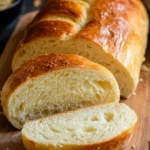
Homemade French Bread A Classic Delight
- Total Time: 2 hours
- Yield: 2 loaves 1x
Description
A classic homemade French bread that’s easy to make and perfect for any meal.
Ingredients
- 2 1/4 teaspoons active dry yeast
- 2 tablespoons sugar
- 2 cups warm water
- 1 tablespoon salt
- 5 1/2 cups all-purpose flour
- 1 egg white
- 1 tablespoon water
Instructions
- In a large bowl, dissolve yeast and sugar in warm water. Let stand until creamy, about 10 minutes.
- Add salt and stir in flour, one cup at a time, until dough is formed.
- Knead dough on a lightly floured surface for about 8 minutes until smooth.
- Place dough in a greased bowl, cover, and let rise in a warm place until doubled in size, about 1 hour.
- Punch down dough and divide into two equal pieces. Shape into loaves and place on a greased baking sheet.
- Cover and let rise again for 30 minutes.
- Preheat oven to 375 degrees F (190 degrees C).
- Brush loaves with egg white mixed with water.
- Bake for 25-30 minutes or until golden brown.
Notes
For a crispier crust, place a pan of hot water in the oven while baking.
- Prep Time: 20 minutes
- Cook Time: 30 minutes
- Method: Bread
- Cuisine: French
Nutrition
- Calories: 150
- Sugar: 1g
- Fat: 1g
- Carbohydrates: 28g
- Protein: 5g
Conclusion
In conclusion, this Homemade French Bread recipe delivers a classic delight with its crispy golden crust and soft, airy interior, making it a timeless favorite for everyday meals or special gatherings. Its versatile nature allows you to enjoy it fresh with butter and jam for a simple breakfast or paired with savory toppings for a hearty sandwich. For creative variations, consider transforming your leftover bread into a delicious breakfast option like our Fluffy Hawaiian Roll French Toast or Easy Cinnamon Roll French Toast Bites to add a sweet twist.