
Table of Contents
Cottage Cheese Mushroom & Spinach Lasagna Bake – High-Protein Vegetarian Comfort Food That Tastes Like a Million Bucks
I remember the first time I replaced ricotta with cottage cheese in a lasagna—honestly, I was a little nervous. It was a chilly Tuesday evening here in my NYC apartment, and I had come home from the farmers market with a paper bag full of cremini mushrooms and a gorgeous bunch of fresh spinach. The plan was to make a classic vegetarian lasagna, but when I opened the fridge, all I had was a tub of cottage cheese staring back at me. I thought, “Why not?” That little experiment turned into what is now one of the most-requested recipes in my kitchen—this Cottage Cheese Mushroom & Spinach Lasagna Bake. It’s a high protein vegetarian lasagna that delivers all the creamy, savory comfort you crave, with a surprising lightness that ricotta just can’t match.
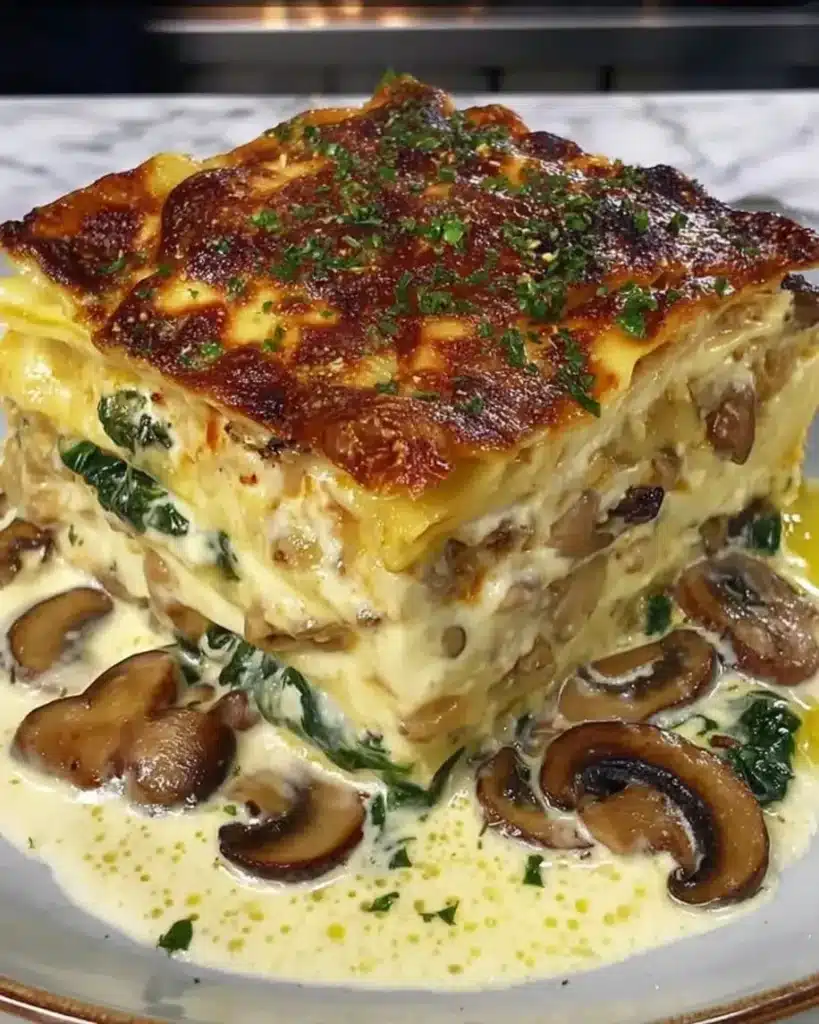
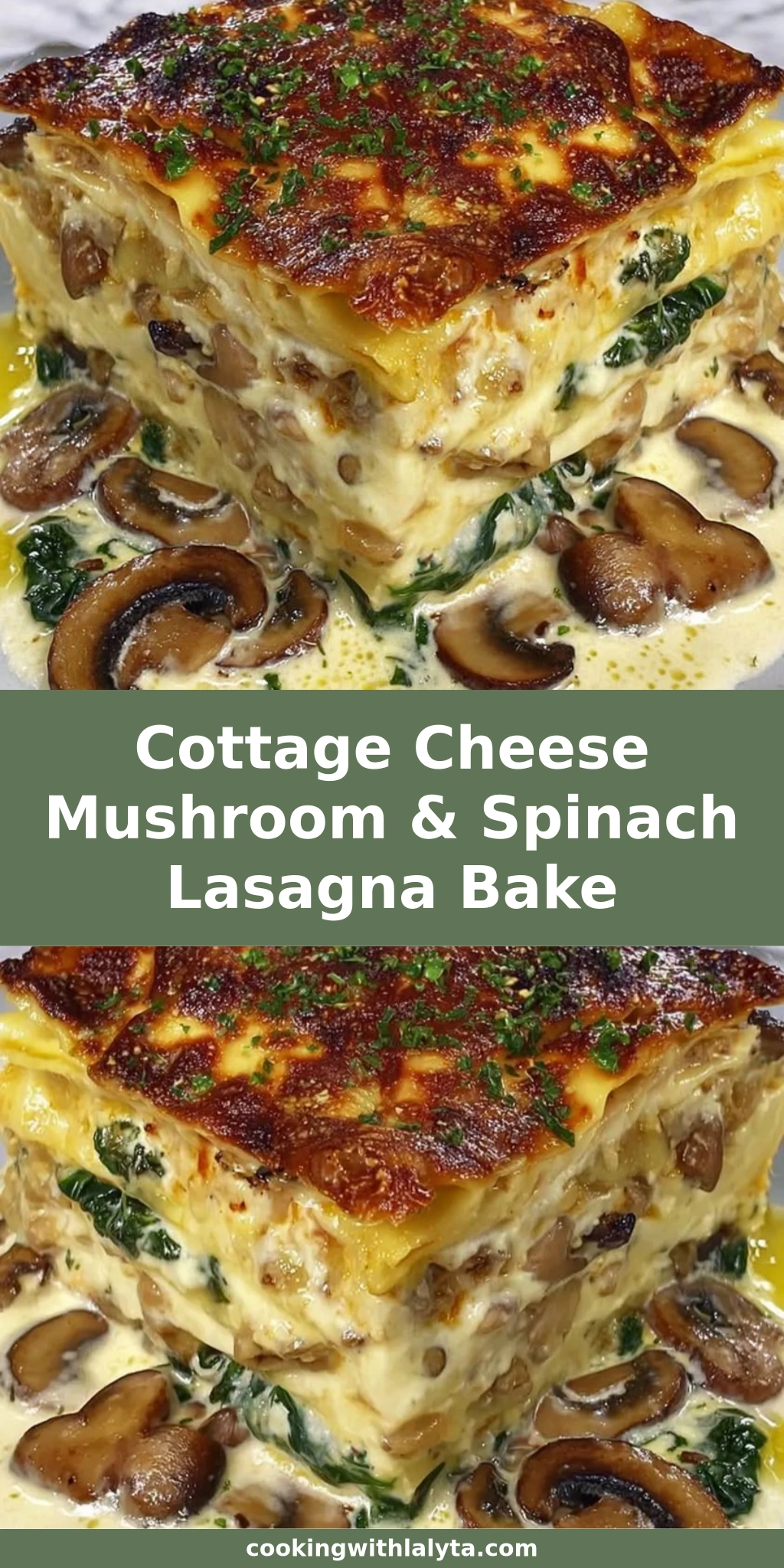
Let me paint you a picture: you pull this bubbling baking dish out of the oven, and the first thing that hits you is the aroma of garlic and oregano mingling with melted mozzarella. The top is golden brown with those irresistible cheese pull-worthy spots. When you slice into it, the layers reveal themselves—tender lasagna noodles, ribbons of sautéed mushrooms and wilted spinach, and creamy pockets of seasoned cottage cheese that melt into the marinara like a dream. Every bite is a balance of umami from the mushrooms, bright herbal notes from the oregano, and that satisfying creaminess that makes cottage cheese lasagna such a revelation. I learned the trick of properly sautéing mushrooms until they’re deeply browned during my Paris training—patience here is everything. Don’t rush this step; let them release their liquid and caramelize. It’s the difference between a good lasagna and a *great* one.
Here’s what sets my version apart: I treat cottage cheese as a star ingredient, not a substitute. By blending it with an egg, Parmesan, and dried oregano, I create a rich, almost custard-like layer that holds its shape beautifully when sliced. Too many cottage cheese lasagna recipes leave the curds whole, which makes the finished dish watery. My technique avoids that completely. I’ll walk you through every detail, including a common mistake that home cooks make with spinach—failing to cook off its excess moisture before layering. Stick with me, and you’ll have a mushroom spinach lasagna bake that rivals anything you’d order at a trattoria, packed with 30 grams of protein per serving and far fewer carbs than traditional versions. Trust me, once you try this high protein vegetarian lasagna, you won’t miss ricotta one bit.
Why This Cottage Cheese Mushroom & Spinach Lasagna Recipe Is the Best
The Flavor Secret: My Moroccan roots taught me that layering spices and aromatics is the foundation of any memorable dish. Here, I start by slowly cooking onions and garlic in good olive oil—a technique I use for tagines, adapted beautifully here—then add sliced mushrooms and let them caramelize until they’re deeply golden and nutty. This step, which I refined in my Paris pastry and sauce classes, builds an umami backbone that store-bought sauces alone can’t provide. The cottage cheese mixture gets a double hit of Parmesan and dried oregano, creating a savory depth that works in perfect harmony with the tangy marinara. It’s this attention to layering flavor at every stage that makes each forkful sing.
Perfected Texture: From my French culinary training, I know that texture is just as important as taste. This lasagna delivers on every front: tender noodles, a velvety cottage cheese layer that sets firmly without being rubbery, wilted spinach that adds a gentle chew, and mushrooms that retain a satisfying meatiness. The key is beating the egg into the cottage cheese until completely smooth in spots, then folding it gently to keep some curds intact for that classic lasagna texture. And that golden mozzarella crown? Uncovering the dish for the final 15-20 minutes of baking allows the top to bubble and brown without drying out the interior, a trick I learned watching chefs finish gratins under the salamander in French kitchens.
Foolproof & Fast: Even if you’ve never made lasagna before, this recipe has your back. I designed it to be forgiving—use no-boil noodles to shave off prep time, or assemble the whole thing a day ahead and bake when you’re ready. The ingredient list relies on grocery store staples you can grab in one trip, and the step-by-step instructions include visual cues so you always know what to look for. Whether you’re meal-prepping for a busy NYC week or feeding a crowd on a Sunday, this high protein vegetarian lasagna comes together in about an hour total and tastes like you spent all day on it. Plus, with 30 grams of protein per serving, it’s a legitimately balanced meal that won’t leave you hungry an hour later.
Cottage Cheese Lasagna Ingredients
I do most of my ingredient shopping at the Union Square Greenmarket here in NYC—there’s something magical about grabbing fresh spinach and mushrooms from farmers who pulled them from the soil just hours earlier. For pantry staples like marinara sauce and dried oregano, I swing by my local grocery on the way home. If you don’t have access to a farmers market, don’t worry: every ingredient in this recipe is available at any well-stocked US supermarket. When I lived in Morocco, my mother would have insisted on making the sauce from scratch with ripe tomatoes and fresh basil, and you absolutely can if you have the time. But for a weeknight dinner? A high-quality jarred marinara does the job beautifully.
Ingredients List
- 9 lasagna noodles (regular or no-boil)
- 2 tablespoons olive oil
- 1 medium onion, diced
- 3 cloves garlic, minced
- 8 oz mushrooms, sliced (cremini or white button work beautifully)
- 5 oz fresh spinach
- 2 cups cottage cheese (full-fat or low-fat)
- 1 large egg
- 1/2 cup grated Parmesan cheese
- 2 cups shredded mozzarella cheese
- 3 cups marinara sauce
- 1 teaspoon dried oregano
- 1/2 teaspoon salt
- 1/4 teaspoon black pepper
Ingredient Spotlight
Cottage Cheese: This is the heart of our high protein vegetarian lasagna. In a US grocery store, you’ll find it near the sour cream and cream cheese. I recommend full-fat cottage cheese for the richest flavor and creamiest texture, but low-fat works too—just know the final dish will be slightly less luxurious. Look for small-curd cottage cheese, which blends more easily into the filling. One tested substitution: swap an equal amount of whole-milk ricotta for a more traditional, slightly grainier texture. You’ll lose some of the protein boost (ricotta has about half the protein of cottage cheese), but the flavor will still be lovely. If using ricotta, drain it in a fine-mesh sieve for 15 minutes to avoid a watery lasagna.
Mushrooms: Cremini (baby bella) mushrooms are my go-to for their earthy, meaty depth. White button mushrooms are a fine budget-friendly alternative. At the store, pick mushrooms that feel firm and dry to the touch, with a smooth cap—avoid any that look slimy or have dark spots. The key technique here, straight from my Paris sauté training, is cooking them until they release all their water and then brown deeply. Substitution: shiitake or oyster mushrooms bring a wonderfully rich, almost smoky flavor. Just slice them thinly and expect a slightly chewier texture, which I personally love in this mushroom spinach lasagna bake.
Fresh Spinach: Five ounces of fresh spinach might look like a mountain, but trust me—it cooks down dramatically. I buy pre-washed baby spinach for convenience; just grab a 5-oz clamshell package. Flat-leaf or Savoy spinach works great too. The trick (and this is a common mistake I address in the steps) is cooking it just until wilted, then letting it cool so any excess water can be pressed out. Too much moisture makes a soggy lasagna. Substitution: frozen spinach, thawed and squeezed completely dry. Use a 10-oz package, thaw it, and wring it out in a clean kitchen towel until no more water drips out. The flavor is nearly identical, and it’s a time-saver when fresh spinach isn’t in season.
Marinara Sauce: A 24-ounce jar (3 cups) of good-quality marinara is your best shortcut here. I reach for Rao’s or Victoria when I’m not making my own—they have a clean, bright tomato flavor without added sugar. At the grocery store, scan the ingredient list: tomatoes should be first, with olive oil, garlic, and herbs close behind. Homemade substitution: simmer a 28-oz can of crushed San Marzano tomatoes with 2 tablespoons olive oil, 2 minced garlic cloves, a pinch of oregano, and salt for 20 minutes. The flavor will be fresher and brighter, perfect if you have the extra half-hour.
| Original Ingredient | Best Substitution | Flavor / Texture Impact |
|---|---|---|
| Cottage cheese (2 cups) | Whole-milk ricotta, drained | Grainier texture, less protein, slightly sweeter taste |
| Cremini mushrooms (8 oz) | Shiitake or oyster mushrooms | Chewier, smokier, deeper umami flavor |
| Fresh spinach (5 oz) | Frozen spinach (10 oz), thawed and squeezed dry | Nearly identical flavor; slightly softer texture |
| Lasagna noodles (regular) | No-boil lasagna noodles | Thinner layers; softer bite; faster assembly |
| Marinara sauce (3 cups) | Homemade crushed tomato sauce | Brighter, fresher, less sweet; more prep time |
How to Make Cottage Cheese Mushroom & Spinach Lasagna Bake — Step-by-Step
Alright, let’s get cooking! I promise this comes together more easily than you think. Just follow each step, use the visual cues I’ve noted, and you’ll have a restaurant-worthy cottage cheese lasagna on your table in about an hour. Ready? Preheat that oven and let’s dive in.
Step 1: Preheat Your Oven to 375°F (190°C)
Set your oven rack to the middle position and preheat to 375°F. Grease a 9×13 inch baking dish with a little olive oil or cooking spray—this prevents the bottom layer from sticking and makes cleanup a breeze. A ceramic or glass dish works beautifully here; if using metal, check the lasagna about 5 minutes early since metal conducts heat more aggressively. The dish should be at least 2 inches deep to hold all the glorious layers without bubbling over.
💡 Lalybeth’s Pro Tip: If you’re using a glass dish, reduce the oven temperature to 350°F. Glass retains heat more efficiently, and you’ll get a more evenly baked lasagna without the edges scorching.
Step 2: Cook the Lasagna Noodles
Bring a large pot of salted water to a rolling boil. Add the 9 lasagna noodles and cook according to package directions until al dente—usually 8 to 10 minutes. You want them slightly firm; they’ll continue cooking in the oven. Drain the noodles in a colander and immediately rinse with cool water to stop the cooking process and prevent sticking. Lay them flat on a clean kitchen towel or a lightly oiled baking sheet while you work on the filling. If you’re using no-boil noodles, skip this step entirely—just make sure your marinara sauce has a bit more moisture, or add 2 tablespoons of water to the sauce, since no-boil noodles absorb more liquid during baking.
⚠️ Common Mistake to Avoid: Overcooking the noodles. They should be slightly underdone because the baking process will soften them further. Mushy noodles = a lasagna that falls apart when you slice it.
Step 3: Sauté the Aromatics and Mushrooms
In a large skillet, heat the 2 tablespoons olive oil over medium heat. Add the diced onion and cook, stirring occasionally, until softened and translucent—about 5 minutes. Don’t rush this; slowly building that sweet onion flavor is a trick I learned watching my mother caramelize onions for tagine in our Marrakech kitchen. Add the minced garlic and sliced mushrooms. Cook for 5 to 7 minutes, stirring frequently. The mushrooms will first release their liquid, then start to brown as that liquid evaporates. You’re looking for a deep golden color on the mushroom edges—that’s where the concentrated umami lives. If the pan seems dry, add another drizzle of olive oil. The aroma at this stage should make your kitchen smell like a trattoria.
💡 Lalybeth’s Pro Tip: Don’t salt the mushrooms until they’re almost done browning. Salt draws out moisture too early, which steams the mushrooms instead of letting them sear. Patience is the secret to meaty, deeply flavored mushrooms.
Step 4: Wilt the Spinach
Add the 5 ounces of fresh spinach to the skillet—it will look like an enormous mound, but give it 2 to 3 minutes and it will wilt down to almost nothing. Toss the spinach with tongs so it cooks evenly. Once completely wilted and bright green, remove the skillet from the heat and let the mushroom-spinach mixture cool slightly, about 5 minutes. I like to press the mixture gently with the back of a spoon and tilt the pan to drain off any watery liquid that has accumulated. This extra step is the difference between a perfectly set lasagna and one that pools liquid on your plate.
⚠️ Common Mistake to Avoid: Adding raw spinach directly to the lasagna layers. Spinach is 90% water—if you don’t cook it and drain it first, that water will seep out during baking and make your lasagna soupy. Always wilt and drain!
Step 5: Mix the Cottage Cheese Filling
In a medium bowl, combine the 2 cups cottage cheese, 1 large egg, 1/2 cup grated Parmesan cheese, 1 teaspoon dried oregano, 1/2 teaspoon salt, and 1/4 teaspoon black pepper. Using a fork or whisk, mix until well combined but not completely smooth—you want some small curds to remain for that lovely texture contrast. The egg acts as a binder, helping the cottage cheese set into a sliceable layer rather than running everywhere. If you prefer a completely smooth filling (closer to a traditional ricotta texture), pulse the cottage cheese in a food processor a few times before mixing in the other ingredients. I’ve done it both ways, and while the smooth version looks a bit more polished, the slightly chunky version has more character and bite.
💡 Lalybeth’s Pro Tip: Taste the cottage cheese mixture before assembling. Since the marinara sauce brings its own salt level, you may want to adjust. A pinch of freshly grated nutmeg (a whisper—1/8 teaspoon at most) adds a subtle warmth that elevates the entire dish.
Step 6: Start the Base Layer
Spread a thin layer of marinara sauce—about 1/2 cup—on the bottom of the greased 9×13 inch baking dish. This prevents the noodles from sticking to the dish and ensures every bite has sauce. Use the back of a spoon to spread it evenly all the way to the corners. You’re building the foundation of your low carb lasagna (well, lower-carb than traditional meat lasagna, at 35g per serving), so take a moment to make it even.
⚠️ Common Mistake to Avoid: Skipping the sauce layer on the bottom. Without it, the noodles will stick to the dish and the bottom layer will be dry and tough. Always sauce first!
Step 7: Build the First Two Layers
Lay 3 lasagna noodles lengthwise over the sauce, slightly overlapping if needed. Spread half of the cottage cheese mixture (about 1 cup) over the noodles, using a spatula to reach the edges. Spoon half of the mushroom-spinach mixture evenly on top of the cottage cheese, then ladle about 1 cup of marinara sauce over the vegetables. Don’t worry if the layers look a little messy—everything melds together beautifully in the oven. Now repeat: 3 more noodles, the remaining cottage cheese mixture, the remaining mushroom-spinach mixture, and another cup of marinara sauce. You’re two-thirds of the way there, and this cottage cheese lasagna is already looking gorgeous.
💡 Lalybeth’s Pro Tip: When spreading the cottage cheese mixture, use the back of a large spoon dipped in warm water. It prevents sticking and gives you a smooth, even layer without tearing the noodles underneath.
Step 8: Finish with the Final Layer
Top with the final 3 lasagna noodles, then pour the remaining 1 cup of marinara sauce over them, spreading it to cover completely. This top sauce layer is what keeps the noodles from drying out while baking. Finally, sprinkle the 2 cups of shredded mozzarella cheese evenly across the top. Don’t be shy—you want full coverage for that glorious golden-brown crust. If you have an extra handful of Parmesan, scattering it over the mozzarella adds another layer of savory, nutty flavor that I absolutely adore.
⚠️ Common Mistake to Avoid: Packing the mozzarella too thickly in one spot. Spread it evenly from edge to edge so every slice gets that perfect cheese pull. Thin spots will brown and dry out while thick spots get gummy.
Step 9: Bake Covered
Cover the baking dish tightly with aluminum foil. You want a seal that traps steam to cook the noodles through and melt the interior cheeses without over-browning the top too early. Place the dish in the preheated 375°F oven and bake for 25 minutes. You’ll hear it bubbling and smell the herbs and garlic mingling in the most intoxicating way. This covered phase is essential—it’s essentially steaming the layers into one cohesive dish, a technique reminiscent of how French chefs cook gratins under a cartouche before the final broil.
💡 Lalybeth’s Pro Tip: If your foil is touching the cheese (and you’re worried about it sticking), spray the underside of the foil with a little cooking spray or lay a sheet of parchment paper between the cheese and foil. No one wants half their golden top left on the foil!
Step 10: Uncover and Bake Until Golden
After 25 minutes, remove the foil carefully—watch out for the burst of steam. Return the dish to the oven, uncovered, and bake for an additional 15 to 20 minutes. This is when the magic happens: the mozzarella melts completely, then starts to bubble and develop those gorgeous golden-brown spots. You’re looking for a top that’s uniformly melted with some darker, caramelized patches. If you want an extra-crispy top, switch the oven to broil for the final 2 minutes—but don’t walk away! Broilers work fast, and you can go from golden to burnt in seconds. I learned that lesson the hard way in my tiny first NYC apartment kitchen.
⚠️ Common Mistake to Avoid: Underbaking in the uncovered phase. That golden-brown top isn’t just for looks—it adds a slight crunch and concentrated flavor. If the cheese is still pale white after 15 minutes, give it 5 more minutes. Every oven is different.
Step 11: Rest and Serve
Remove the baking dish from the oven and let it rest on a wire rack or a heat-safe surface for at least 10 minutes. I know, I know—it smells incredible and you want to dive right in. But this rest period is non-negotiable. It allows the layers to set and the cottage cheese filling to firm up so you get clean, beautiful slices instead of a molten puddle. Use a sharp chef’s knife to cut through the layers, and serve warm on pre-warmed plates for the best experience. Gather your family or guests around—this mushroom spinach lasagna bake is meant to be shared.
💡 Lalybeth’s Pro Tip: For the cleanest slices, run your knife under hot water and wipe it dry between cuts. The warmth helps the blade glide through the cheese layers without dragging.
| Step | Action | Duration | Key Visual Cue |
|---|---|---|---|
| 1 | Preheat oven & grease dish | 5 mins | Dish evenly coated with oil |
| 2 | Cook noodles until al dente | 8–10 mins | Noodles firm with slight bite |
| 3 | Sauté onion, garlic & mushrooms | 10–12 mins | Mushrooms deeply golden brown |
| 4 | Wilt spinach & drain | 2–3 mins | Spinach collapsed, bright green |
| 5 | Mix cottage cheese filling | 5 mins | Creamy with visible small curds |
| 6 | Spread base sauce layer | 1 min | Thin, even red layer across dish |
| 7 | Build bottom & middle layers | 5 mins | Distinct noodle-cheese-veggie-sauce strata |
| 8 | Finish with noodles, sauce & mozzarella | 2 mins | Even blanket of shredded cheese |
| 9 | Bake covered at 375°F | 25 mins | Bubbling around edges, foil domed |
| 10 | Bake uncovered | 15–20 mins | Golden brown, bubbly cheese top |
| 11 | Rest & slice | 10 mins | Firm slices holding their shape |
Serving & Presentation
When this cottage cheese lasagna emerges from the oven, all bubbling and golden, I like to set the baking dish right on the table—family-style is the way to go. A sprinkle of fresh chopped parsley or basil over the top adds a pop of green that says, “I made this from scratch,” and a final dusting of freshly grated Parmesan never hurts. For plating, use a wide spatula to lift each slice carefully onto warm plates. The contrast of the deep red sauce, pale creamy layers, and emerald spinach is genuinely stunning.
In my NYC kitchen, I often serve this with a simple arugula salad dressed in lemon juice and olive oil—the peppery greens cut through the richness of the cheese and sauce perfectly, a trick I picked up during my Paris days where every rich dish came with a bright, acidic counterpart. For a more substantial meal, crusty garlic bread on the side is always a crowd-pleaser. And if I’m channeling my Moroccan roots, I’ll serve it with a quick side of roasted bell peppers drizzled with harissa-spiked yogurt—the smoky heat is an unexpected but brilliant pairing.
As for drinks, I keep it simple: a medium-bodied red wine like Chianti or Montepulciano d’Abruzzo complements the tomato sauce beautifully without overwhelming the delicate mushroom and spinach flavors. For non-alcoholic options, sparkling water with a squeeze of lemon or a tall glass of iced herbal tea fits the bill. However you serve it, this high protein vegetarian lasagna is the kind of dish that turns a regular Tuesday into something special.
| Pairing Type | Suggestions | Why It Works |
|---|---|---|
| Side Dish | Arugula lemon salad, roasted asparagus, garlic bread | Acidity and crunch balance the creamy richness |
| Sauce / Dip | Basil pesto, Calabrian chili oil, extra marinara | Adds freshness, heat, or extra sauciness |
| Beverage | Chianti, Pinot Noir, sparkling water with lemon | Medium tannins match tomato; bubbles refresh the palate |
| Garnish | Fresh basil chiffonade, red pepper flakes, extra Parmesan | Color contrast and flavor boost without overpowering |
Make-Ahead, Storage & Reheating
One of the reasons this mushroom spinach lasagna bake is a staple in my weekly meal rotation is how beautifully it preps ahead. As a busy New York cook juggling recipe development, farmers market runs, and the occasional dinner party, I lean hard on make-ahead dishes that don’t sacrifice quality. You can assemble the entire lasagna up to 24 hours before baking, which makes it a dream for entertaining. Just layer it up, cover tightly with foil, and pop it in the fridge. When your guests arrive, all you have to do is slide it into the oven—add 10 extra minutes to the covered bake time to account for the chilled ingredients.
| Method | Container | Duration | Reheating Tip |
|---|---|---|---|
| Refrigerator | Airtight container or original dish covered with foil | Up to 5 days | Reheat individual portions in microwave for 1–2 mins, or cover entire dish and oven at 350°F for 15–20 mins |
| Freezer | Freezer-safe dish, double-wrapped in plastic wrap then foil | Up to 3 months | Thaw overnight in fridge, then bake covered at 375°F for 35–40 mins, then uncover for 15–20 mins |
| Make-Ahead | Assemble in baking dish, cover tightly with foil | Up to 24 hours in advance | Add 10 mins to covered bake time; remove from fridge 30 mins before baking to take off the chill |
For leftovers, I actually think this cottage cheese lasagna tastes even better the next day—the flavors meld and deepen overnight, much like a good stew or tagine. When reheating individual slices, I prefer the microwave for speed, but if you have the time, a covered skillet with a splash of water over low heat revives the creamy texture beautifully without drying it out. The oven method (350°F, covered, until warmed through) works best for larger portions.
One thing I’ve learned through trial and error: if you’re freezing the lasagna, it’s best to freeze it before baking. A baked-and-then-frozen lasagna can develop a slightly grainy texture in the cottage cheese layer upon reheating. Assemble it unbaked, wrap it like a newborn baby in plastic and foil, and freeze. Thaw overnight in the fridge, then bake as directed, adding about 10–15 extra minutes to the total time. I keep one of these in my freezer at all times for those NYC nights when cooking from scratch feels impossible but I still crave something nourishing and warm.
Variations & Easy Swaps
One of the things I love most about this recipe is how adaptable it is. Whether you’re cooking for dietary needs, seasonal cravings, or just working with what’s in your fridge, this high protein vegetarian lasagna welcomes creativity. Below are my three favorite variations, tested right here in my NYC kitchen.
| Variation | Key Change | Best For | Difficulty Impact |
|---|---|---|---|
| Low-Carb Zucchini Lasagna | Swap noodles for thin zucchini slices | Keto, low-carb, gluten-free diets | Slightly more prep (slicing & salting zucchini) |
| Gluten-Free & Dairy-Free | GF noodles, dairy-free cheese alternatives | Gluten intolerance, vegan or dairy-free | Moderate; results vary by brand |
| Spicy Mediterranean Twist | Add harissa, roasted red peppers, feta | Flavor adventurers, entertaining | No extra difficulty, just extra flavor |
Low-Carb Zucchini Lasagna Version
If you’re watching your carbs, this zucchini lasagna swap is a game-changer. Replace the 9 lasagna noodles with 3 medium zucchini, sliced lengthwise into 1/4-inch-thick planks using a mandoline or a sharp knife. Before layering, lay the zucchini slices on paper towels, sprinkle lightly with salt, and let them sit for 15 minutes to draw out excess moisture—this step is critical to avoid a watery bake. Pat them completely dry, then use them in place of the noodles. The zucchini softens beautifully in the oven and soaks up the marinara flavor, giving you a genuinely satisfying low carb lasagna. I picked up this salting technique during a summer in Provence, where zucchini gratin taught me that drawing out moisture is the secret to vegetable-based dishes that hold their shape. One thing to note: the bake time stays about the same, but you may need to drain a bit of liquid from the dish after the covered baking phase. The result is tender, flavorful, and clocking in at under 15g of carbs per serving.
Gluten-Free & Dairy-Free Lasagna
For my gluten-sensitive friends, swap in high-quality brown rice or lentil-based lasagna noodles—Barilla’s oven-ready gluten-free noodles work particularly well here, and they don’t require pre-cooking, which streamlines the process. For the dairy-free adaptation, replace the cottage cheese with a mixture of 1 1/2 cups dairy-free ricotta (Kite Hill makes a wonderful almond-based version) and 1/2 cup silken tofu blended until smooth. The egg still works as a binder, but for a fully vegan version, swap it for 2 tablespoons of cornstarch mixed with 3 tablespoons of water. Use your favorite dairy-free mozzarella shreds—Miyoko’s and Violife melt the most convincingly, in my experience. The flavor is slightly tangier than the original, but still deeply comforting. I’ve served this version at NYC dinner parties where guests didn’t even realize it was dairy-free until I told them. The key is seasoning the dairy-free ricotta mixture generously with salt and nutritional yeast to mimic the savory depth of Parmesan.
Spicy Mediterranean Twist
This variation is my homage to the fiery, fragrant cooking of my Moroccan childhood. Stir 1 to 2 teaspoons of harissa paste into the marinara sauce—start with 1 teaspoon if you’re spice-sensitive. Add 1/2 cup of chopped roasted red peppers (the jarred kind, drained and patted dry) to the mushroom-spinach mixture for sweetness and smoky depth. Then, swap half the mozzarella for crumbled feta cheese, scattering it between the layers. The feta adds a salty, tangy punch that plays beautifully against the creamy cottage cheese, while the harissa brings a gentle, lingering heat that warms you from the inside out—exactly what you want on a cold NYC evening. Garnish the finished dish with a sprinkle of toasted pine nuts and fresh mint for a North African flourish that always makes me think of my mother’s kitchen in Marrakech.
Can I use cottage cheese instead of ricotta in a mushroom spinach lasagna bake?
Absolutely, and I wholeheartedly encourage it! Cottage cheese is actually my preferred choice for this mushroom spinach lasagna bake because it has a higher protein content (about 14 grams per half-cup compared to ricotta’s 7 grams) and a lighter, creamier texture when baked. The key is to mix it with an egg, which acts as a binder, and to choose full-fat cottage cheese for the best flavor. Small-curd cottage cheese works best because it blends more evenly into the filling. You’ll notice the finished lasagna has a slightly looser, more scoopable texture than ricotta-based versions, with lovely little pockets of creamy cheese throughout. I’ve made it both ways countless times in my NYC kitchen, and cottage cheese consistently wins for its protein boost and lighter mouthfeel—it doesn’t leave you feeling heavy after a big slice.
Do I need to cook the mushrooms and spinach before layering the lasagna?
Yes, you absolutely need to cook both the mushrooms and spinach before layering. I learned this lesson the hard way during my early cooking days in Paris—raw mushrooms and spinach release a significant amount of water as they cook, and if you layer them raw into your lasagna, all that liquid will seep out during baking and create a watery, soupy dish. Mushrooms are about 92% water, and spinach is even higher at 91%. By sautéing the mushrooms until they’re golden brown and wilting the spinach until it collapses, you drive off most of that moisture. I also recommend draining the cooked mushroom-spinach mixture briefly before layering. This extra five-minute step makes the difference between a lasagna that holds its shape beautifully when sliced and one that puddles liquid on the plate.
How long should I bake a cottage cheese mushroom and spinach lasagna at 375°F?
The total baking time for this cottage cheese mushroom and spinach lasagna at 375°F is 40 to 45 minutes, divided into two phases. First, bake covered with aluminum foil for 25 minutes—this traps steam and ensures the interior cheese layers melt completely and the noodles cook through. Then, remove the foil and bake uncovered for an additional 15 to 20 minutes. This second phase allows the top mozzarella to bubble, brown, and develop those irresistible golden spots. You’ll know it’s done when the edges are visibly bubbling and the top is uniformly golden with some darker caramelized patches. If your oven runs hot, check at the 12-minute mark during the uncovered phase. And if you want an extra-crispy cheese top, switch to broil for the final 2 minutes—but keep a close eye on it!
Can I make this lasagna bake ahead of time and refrigerate it before baking?
Yes, and this is one of my favorite hosting tricks! You can assemble the entire lasagna up to 24 hours in advance, cover it tightly with aluminum foil, and store it in the refrigerator. When you’re ready to bake, I recommend taking the dish out of the fridge about 30 minutes beforehand to take the chill off—this helps it bake more evenly. Then, add about 10 extra minutes to the covered baking time to account for the cold starting temperature. The recipe notes suggest a total of 35 minutes covered, then the standard 15 to 20 minutes uncovered. This make-ahead method is perfect for dinner parties or busy weeknights; the flavors even have time to meld and deepen, much like a stew. Just don’t let the assembled lasagna sit longer than 24 hours, or the noodles may start to absorb too much liquid and become gummy.
Is cottage cheese lasagna actually healthier than regular lasagna?
Yes, there are notable nutritional advantages to using cottage cheese instead of ricotta in lasagna. Cottage cheese contains significantly more protein—about 14 grams per half-cup versus 7 grams in ricotta—and typically fewer calories and less fat, especially if you choose a low-fat version. This high protein vegetarian lasagna delivers 30 grams of protein per serving, making it a genuinely satiating meatless meal. It also has just 35 grams of carbohydrates, which is lower than many traditional lasagnas that use heavy béchamel sauces. Plus, cottage cheese provides a good dose of calcium and B vitamins. In my experience, the lighter texture also means you feel nourished rather than weighed down after eating. That said, “healthier” is subjective—this is still a comforting, cheesy baked pasta dish meant to be enjoyed without guilt.
Can I add meat to this mushroom spinach lasagna?
Of course! While this recipe is designed as a high protein vegetarian lasagna, adding meat is simple and delicious. I’d recommend browning 1 pound of ground beef, Italian sausage, or ground turkey in a separate skillet, seasoning it with a pinch of salt, pepper, and oregano, then layering it in with the mushroom-spinach mixture. If using sausage, opt for sweet Italian and remove the casings. Brown the meat until no pink remains, drain any excess fat, and proceed with the layering. The meat adds another dimension of savory richness and bumps the protein even higher. Just note that the bake time remains the same. This adaptation takes the dish from a vegetarian main course to a full-on meat lover’s feast.
Why is my cottage cheese lasagna watery and how can I fix it?
A watery lasagna is one of the most common frustrations, and it usually stems from three culprits: undercooked vegetables that release water during baking, cottage cheese that hasn’t been bound with egg, or skipping the resting step. To fix it, make sure you cook the mushrooms until they’ve released all their liquid and are deeply golden. Wilt the spinach completely and drain off any excess water before layering. The egg in the cottage cheese mixture is non-negotiable—it sets during baking and prevents the curds from separating into watery pockets. Finally, that 10-minute rest after baking is essential; it allows the layers to set and any remaining liquid to reabsorb. If you’re still getting water pooling, try using no-boil noodles, which absorb more moisture, or reduce the marinara sauce by a quarter cup.
What’s the best way to reheat leftover mushroom spinach lasagna?
I have a few go-to methods depending on how much time I have. For single servings, the microwave is perfectly fine—place a slice on a microwave-safe plate, cover it with a damp paper towel (this adds steam and prevents drying), and heat in 30-second bursts until warmed through, usually about 1 to 2 minutes total. My preferred method, though, is the skillet: place a slice in a nonstick skillet over low heat, add a tablespoon of water to the side of the pan, and cover with a lid. The steam gently revives the creamy texture without drying out the cheese. For multiple servings, cover the dish with foil and reheat in a 350°F oven for 15 to 20 minutes, removing the foil for the last 5 minutes to re-crisp the top. The leftovers honestly taste even better the next day—the flavors meld overnight, much like a good tagine.
Share Your Version!
I truly believe the best recipes are the ones that get passed around, tweaked, and made your own. If you try this Cottage Cheese Mushroom & Spinach Lasagna Bake, I’d love to hear how it turned out! Leave a star rating and a comment below—tell me if you went with the classic version, tried the zucchini swap for a low carb lasagna, or added your own twist. Your feedback helps other home cooks discover this recipe and gives me the joy of seeing my dishes come to life in kitchens beyond my own.
And don’t forget to snap a photo! Share it on Instagram or Pinterest and tag me @cookingwithlalyta—I genuinely look forward to seeing your creations pop up in my feed. While you’re at it, let me know one thing: what’s your go-to comfort food twist? Do you add extra garlic, sneak in some red pepper flakes, or have a secret family ingredient? Drop it in the comments. I read every single one, and you never know—your idea might inspire my next recipe.
From my NYC kitchen to yours — I hope this recipe brings as much warmth to your table as it does to mine. — Lalybeth 🧡
Love This Recipe? Save It to Pinterest!
If you enjoyed this Cottage Cheese Mushroom & Spinach Lasagna Bake recipe, don’t let it get lost in your browser tabs! 😄 Pin it now so you can find it again anytime — and explore hundreds more tried-and-tested recipes waiting for you on my Pinterest boards.
👉 Follow Lalybeth on Pinterest @cookingwithlalyta
📌 Pin this recipe · 🔁 Re-pin your favorites · 💬 Tag me when you make it — I love seeing your creations!
🎉 Tried This Recipe? I’d Love to Hear From You!
Leave a star rating and comment below. Your feedback helps me create even better recipes for you!
Tag your photos with #cookingwithlalyta — I feature my favorites every Friday!

Cottage Cheese Mushroom & Spinach Lasagna Bake
- Total Time: 1 hour
- Yield: 8 1x
Description
A creamy, hearty lasagna bake featuring layers of cottage cheese, sautéed mushrooms, fresh spinach, and rich marinara, topped with melted mozzarella and Parmesan. Perfect for a comforting weeknight dinner.
Ingredients
- 9 lasagna noodles (regular or no-boil)
- 2 tablespoons olive oil
- 1 medium onion, diced
- 3 cloves garlic, minced
- 8 oz mushrooms, sliced
- 5 oz fresh spinach
- 2 cups cottage cheese (full-fat or low-fat)
- 1 large egg
- 1/2 cup grated Parmesan cheese
- 2 cups shredded mozzarella cheese
- 3 cups marinara sauce
- 1 teaspoon dried oregano
- 1/2 teaspoon salt
- 1/4 teaspoon black pepper
Instructions
- 1. Preheat oven to 375°F (190°C). Grease a 9×13 inch baking dish.
- 2. Cook lasagna noodles according to package directions until al dente. Drain and set aside.
- 3. In a large skillet, heat olive oil over medium heat. Add onion and cook until softened, about 5 minutes. Add garlic and mushrooms; cook until mushrooms release their liquid and begin to brown, about 5-7 minutes.
- 4. Add spinach to the skillet and cook until wilted, about 2-3 minutes. Remove from heat and let cool slightly.
- 5. In a medium bowl, combine cottage cheese, egg, Parmesan, oregano, salt, and pepper. Mix well.
- 6. Spread a thin layer of marinara sauce on the bottom of the prepared dish.
- 7. Layer 3 lasagna noodles over the sauce. Spread half of the cottage cheese mixture over the noodles. Top with half of the mushroom-spinach mixture and a third of the remaining marinara sauce.
- 8. Repeat with another layer of 3 noodles, remaining cottage cheese mixture, remaining mushroom-spinach mixture, and another third of the marinara sauce.
- 9. Top with the final 3 noodles, remaining marinara sauce, and sprinkle shredded mozzarella evenly on top.
- 10. Cover with foil and bake for 25 minutes. Remove foil and bake for an additional 15-20 minutes until bubbly and cheese is golden.
- 11. Let rest for 10 minutes before slicing. Serve warm.
Notes
For a richer flavor, use whole-milk cottage cheese. You can substitute ricotta if preferred. This lasagna can be assembled a day ahead and refrigerated; add 10 minutes to the covered bake time.
- Prep Time: 20 minutes
- Cook Time: 40 minutes
- Method: Main Course
- Cuisine: Italian-American
Nutrition
- Calories: 450
- Sugar: 8g
- Fat: 20g
- Carbohydrates: 35g
- Protein: 30g
Tried This Recipe? Leave a Comment!
Did you make this recipe? I’d love to hear how it turned out! Please leave a comment and a rating below. Your feedback helps other home cooks and supports cookingwithlalyta.com!
For more delicious inspiration, follow me on Pinterest!