Table of Contents
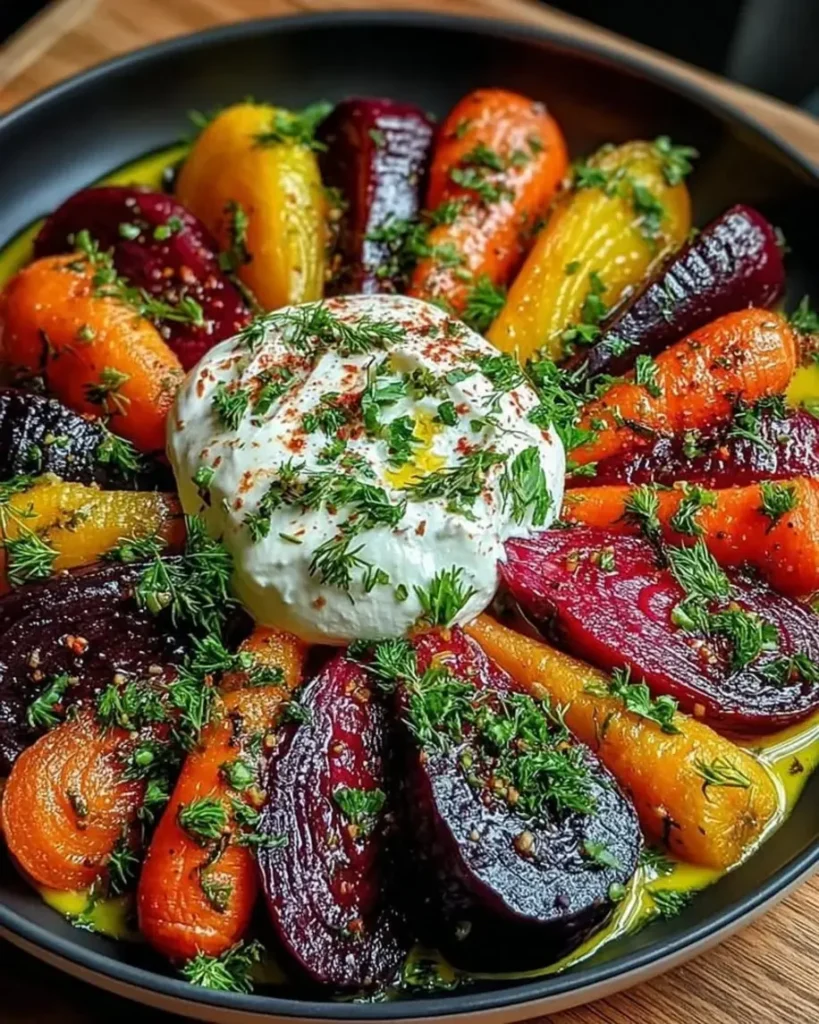
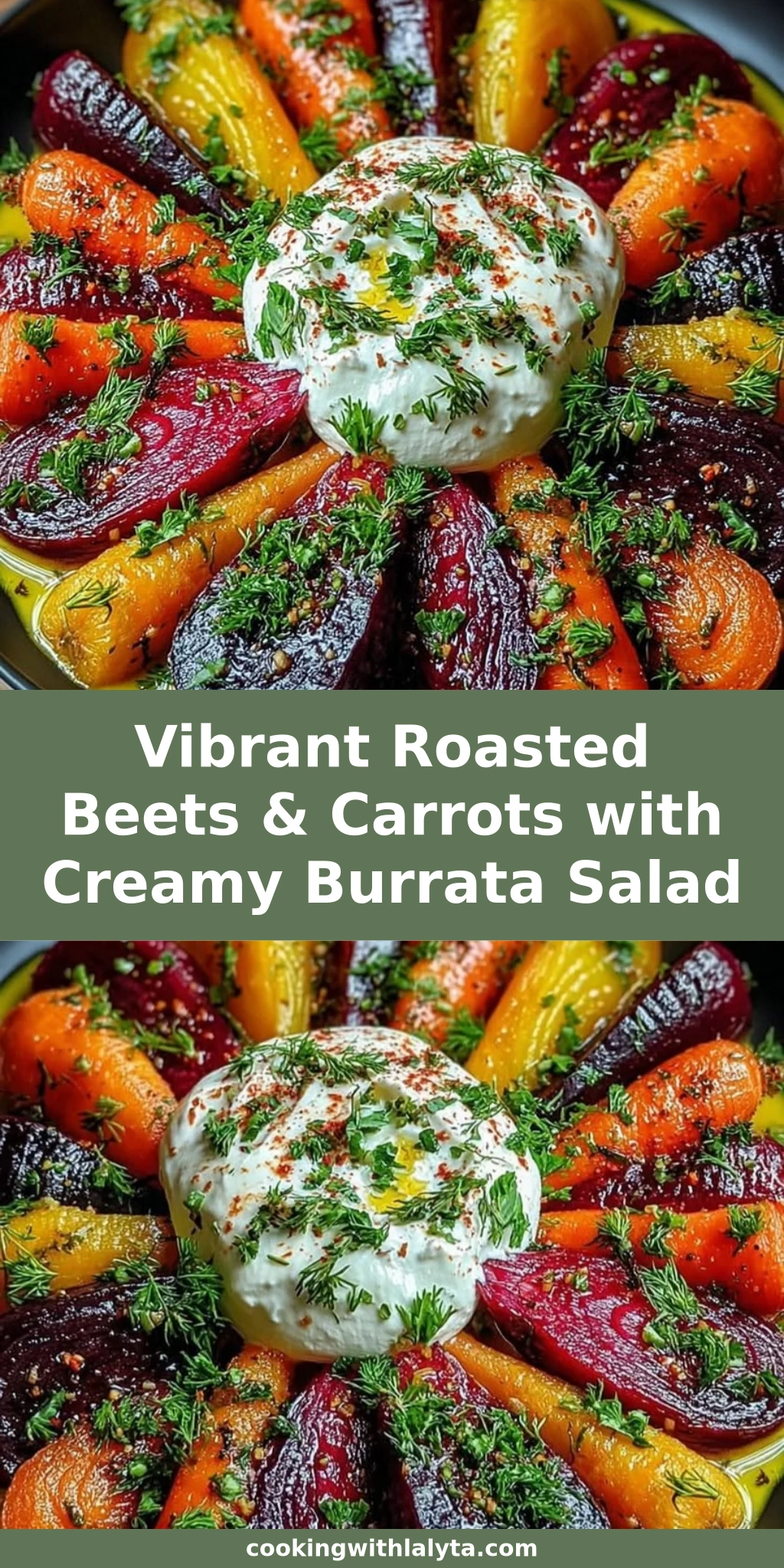
Vibrant Roasted Beets & Carrots with Creamy Burrata Salad – A Stunning Italian-Inspired Dish That Steals the Show
I still remember the first time I made a roasted beet and carrot salad with burrata in my tiny Paris apartment during culinary school. It was a crisp autumn afternoon — the kind where the light filters through the window just so — and I had just come back from the Marché Bastille with a bundle of jewel-toned beets and the creamiest burrata I could find. My Moroccan mother would always roast root vegetables with generous pinches of cumin and coriander, but this time I wanted to try something different: a simple, elegant roasted vegetable burrata salad that let the natural sweetness of the produce shine. That first bite — earthy beets, caramelized carrots, peppery arugula, and that luscious, milky burrata spilling over everything — was a revelation. This vibrant beet salad recipe has been a staple in my NYC kitchen ever since, and today I’m sharing every detail so you can recreate that same magic at home.
What makes this beet and carrot salad with burrata so unforgettable is the way all the textures and flavors play together. The beets emerge from the oven with deeply concentrated, almost jammy sweetness — their edges caramelized and slightly crisped — while the carrots soften into tender, buttery sticks that still hold their shape. Then comes the burrata: that gorgeous orb of fresh mozzarella filled with stracciatella and cream. When you tear it open at the table, the creamy interior spills out like a sauce, coating the warm vegetables and wilting the arugula just slightly. A drizzle of my tangy balsamic vinaigrette cuts through the richness, while toasted walnuts add crunch and fresh basil brightens every forkful. The aroma alone — roasted vegetables mingling with balsamic vinegar and basil — is enough to pull everyone into the kitchen before dinner is even ready.
Over the years, I’ve tested this roasted beet carrot burrata salad dozens of times — through dinner parties in my NYC apartment, lazy Sunday lunches, and even a catering gig or two — and I’ve landed on a version that’s truly foolproof. The secret? Roasting the beets and carrots on separate baking sheets so each vegetable gets exactly the caramelization it deserves without the beets bleeding their magenta hue onto the carrots. I’ll walk you through that technique step by step, along with my absolute favorite balsamic vinaigrette ratio (spoiler: a whisper of Dijon mustard and honey makes all the difference). Stick with me, and you’ll avoid the one common mistake that turns burrata salads soggy — I’ll cover that in detail in the instructions below. Ready to make a salad that looks like it belongs on a restaurant menu? Let’s get started.
Why This Roasted Beet Carrot Burrata Salad Recipe Is the Best
The Flavor Secret: In culinary school, my chef instructor in Paris drilled into us that great cooking is about layering flavors — and this roasted vegetable burrata salad is a masterclass in that principle. Each element is seasoned and roasted individually to develop its own character: the beets get a simple coating of olive oil, salt, and pepper to let their earthy sweetness dominate; the carrots caramelize until they’re almost candy-like; and the vinaigrette is built with minced shallot that macerates in balsamic vinegar, softening its bite and infusing the dressing with a gentle allium warmth. When everything comes together on the plate, no single flavor shouts over the others — they harmonize beautifully. My Moroccan roots taught me that balancing sweet, tangy, and creamy is the key to a memorable dish, and this salad delivers that balance in every bite.
Perfected Texture: A burrata salad with roasted vegetables lives and dies by its textures. I’ve learned through trial and error that cutting the beets into uniform wedges (about 1½ inches thick) and the carrots into sticks of similar size ensures even roasting at 400°F — that’s the sweet spot where the natural sugars caramelize without burning. The parchment-lined baking sheets prevent sticking and promote even browning, while roasting the two vegetables on separate trays keeps the beets’ crimson juices from staining the carrots orange. The arugula stays crisp and peppery because it’s added just before serving, and the toasted walnuts — which I toast in a dry skillet for exactly 3 minutes until fragrant — provide that essential crunch. Every forkful gives you something different: silky burrata, tender roasted vegetables, crisp greens, and nutty crunch.
Foolproof & Fast: Even if you’ve never roasted a beet in your life, you can nail this vibrant beet salad recipe on the first try. The active prep time is only about 15 minutes — most of which is simply peeling and chopping — and then the oven does all the heavy lifting. I’ve designed the instructions so you can multitask: while the vegetables roast, you’ll whisk together the vinaigrette, toast the walnuts, and let the burrata come to room temperature (which is absolutely essential for that creamy, spreadable texture). The entire dish comes together in under an hour, making it weeknight-friendly yet impressive enough for a dinner party centerpiece. And if you’re really short on time, I’ve included a make-ahead strategy in the storage section that lets you roast the vegetables up to two days in advance.
Roasted Beet Carrot Burrata Salad Ingredients
I’m fortunate to live in New York City, where the Union Square Greenmarket offers some of the most gorgeous root vegetables I’ve ever seen — bunches of beets still dusted with soil, carrots in shades of orange, purple, and yellow. Whenever I can, I grab a mix of red and golden beets for this salad; the golden ones are slightly milder and sweeter, while the red ones bring that dramatic ruby color. The burrata I pick up from a small Italian specialty shop in the East Village — it’s worth seeking out the freshest burrata you can find, as it makes all the difference. Here’s everything you’ll need to bring this roasted beet carrot burrata salad to life in your own kitchen.
Ingredients List
- 4 medium beets (red, golden, or a mix), peeled and cut into wedges
- 4 large carrots, peeled and cut into sticks
- 3 tablespoons extra-virgin olive oil, divided
- 1 teaspoon kosher salt, plus more to taste
- 1/2 teaspoon black pepper, plus more to taste
- 8 ounces fresh burrata cheese, at room temperature
- 4 cups baby arugula
- 1/4 cup toasted walnuts, roughly chopped
- 2 tablespoons balsamic vinegar
- 1 teaspoon Dijon mustard
- 1 teaspoon honey or maple syrup
- 1 small shallot, finely minced
- Fresh basil leaves, for garnish
Ingredient Spotlight
Beets: The backbone of this roasted vegetable burrata salad. I recommend using a mix of red and golden beets — red beets bring that deep, minerally earthiness, while golden beets are slightly sweeter and less likely to stain everything they touch. When shopping at your local grocery store or farmers market, look for beets that are firm, smooth-skinned, and heavy for their size. Avoid any with soft spots or wrinkled skin. If the greens are still attached, even better — they should look fresh and vibrant, which tells you the beets were recently harvested. Don’t toss those greens, by the way; sauté them with garlic and olive oil for a zero-waste side dish. If you can only find red beets, the salad will still be absolutely delicious — just be prepared for that gorgeous magenta hue to tint everything on the plate.
Burrata: This is the star protein of our beet and carrot salad with burrata, and it deserves a moment of appreciation. Burrata is a fresh Italian cheese made from mozzarella and cream — the outer shell is a thin layer of mozzarella, and when you cut into it, a luscious, creamy filling of stracciatella spills out. It’s richer and more decadent than regular fresh mozzarella, with a delicate milky flavor that pairs beautifully with the sweet roasted vegetables. At a US grocery store, you’ll typically find burrata in the specialty cheese section, often packed in water or brine. Look for a brand that indicates it was made within the last few days — freshness is everything. Let it sit at room temperature for at least 30 minutes before serving; cold burrata is firm and underwhelming, but room-temperature burrata is soft, spreadable, and absolutely luxurious. If burrata is unavailable, fresh mozzarella is the closest substitute, though you’ll miss that creamy interior — I cover more substitutions in the table below.
Balsamic Vinegar: The vinaigrette is what ties this entire vibrant beet salad recipe together, and the balsamic vinegar is its foundation. I always reach for a good-quality aged balsamic — not the most expensive bottle on the shelf, but something with at least “aged” or “condimento” on the label. It should be thick enough to coat the back of a spoon and have a balance of sweetness and acidity. At your grocery store, look for one that lists “grape must” as the first ingredient and has been aged for at least 3 years. The cheaper, thin balsamics will work in a pinch but won’t give you the same depth of flavor. Combined with the Dijon mustard (which emulsifies the dressing) and the honey (which rounds out the acidity), this vinaigrette becomes velvety and complex — the perfect counterpoint to the rich burrata and earthy vegetables.
Arugula: This peppery green is my go-to for burrata salads with roasted vegetables because its assertive flavor stands up to the richness of the cheese and the sweetness of the beets and carrots. Baby arugula is tender and mild, while mature arugula packs more of a peppery punch — either works beautifully here. When buying arugula, look for bright green leaves with no yellowing or wilting. Store it in the refrigerator in a loosely closed bag with a paper towel to absorb excess moisture; it’ll stay fresh for up to 5 days. If arugula isn’t your thing, baby spinach or mixed spring greens make excellent substitutes — spinach is milder and sweeter, while spring greens offer a more delicate texture. Just know that you’ll lose some of that peppery bite that makes this roasted beet carrot burrata salad so dynamic.
| Original Ingredient | Best Substitution | Flavor / Texture Impact |
|---|---|---|
| Burrata | Fresh mozzarella (or vegan cashew cheese for dairy-free) | Fresh mozzarella is milder and less creamy; vegan cashew cheese adds tang but lacks the same melt-in-your-mouth richness |
| Arugula | Baby spinach or mixed spring greens | Spinach is milder and sweeter; spring greens are more delicate — both lose the peppery kick of arugula |
| Walnuts | Toasted pecans, pine nuts, or pumpkin seeds (nut-free) | Pecans are buttery, pine nuts are delicate, pumpkin seeds add earthy crunch — all work well |
| Balsamic vinegar | Red wine vinegar + 1/2 tsp honey | Sharper and less sweet; adjust honey to balance — still tangy and bright |
| Honey | Maple syrup (vegan) or agave nectar | Maple adds subtle smokiness; agave is neutral — both provide the needed sweetness |
How to Make Roasted Beet Carrot Burrata Salad — Step-by-Step
Alright, let’s cook! I promise this vibrant beet salad recipe is simpler than it looks. Take a deep breath, preheat that oven, and let me guide you through each step with all the tips and tricks I’ve gathered over the years — from my Paris training to my NYC kitchen experiments.
Step 1: Preheat Oven and Prep the Baking Sheets
Preheat your oven to 400°F (200°C) — this is the ideal temperature for roasting root vegetables, hot enough to caramelize the natural sugars without scorching the exterior. Line two baking sheets with parchment paper; the parchment prevents sticking and makes cleanup a breeze, but more importantly, it promotes even browning by allowing the vegetables to roast in their own space without steaming. Set aside while you prep the vegetables.
💡 Lalybeth’s Pro Tip: No parchment paper? Use aluminum foil, but note that the vegetables may stick slightly more and won’t brown as evenly. If you’re using dark-colored baking sheets, reduce the oven temperature by 25°F — dark pans absorb more heat and can cause the bottoms to burn before the vegetables are tender.
Step 2: Season and Roast the Beets
Peel the beets using a vegetable peeler or a paring knife, then cut them into wedges about 1½ inches thick at the widest part — uniform sizing is key for even cooking. Place the beet wedges on one of the prepared baking sheets, drizzle with 1 tablespoon of extra-virgin olive oil, and sprinkle with ½ teaspoon kosher salt and ¼ teaspoon black pepper. Toss everything together using your hands or a spatula until each wedge is evenly coated, then spread them in a single layer with a little space between each piece. Pop them into the preheated oven and set a timer for 15 minutes — that’s when you’ll give them their first stir.
⚠️ Common Mistake to Avoid: Crowding the baking sheet is the number one reason roasted vegetables turn out steamed and pale instead of caramelized. If the beets are touching or overlapping, they’ll release steam and never develop those crispy, golden edges. Give each wedge at least a half-inch of breathing room — use a third baking sheet if needed.
Step 3: Season and Roast the Carrots
While the beets get a head start, peel the carrots and cut them into sticks about 3 inches long and ½ inch thick — think French fry shape. On the second prepared baking sheet, toss the carrot sticks with another 1 tablespoon of olive oil, ½ teaspoon kosher salt, and ¼ teaspoon black pepper. Spread them in a single layer and slide them into the oven alongside the beets. The carrots will take about the same total roasting time — 30 to 40 minutes — but they tend to caramelize faster, so keep an eye on them around the 25-minute mark. You’re looking for tender vegetables with deeply golden, slightly blistered edges.
💡 Lalybeth’s Pro Tip: For extra caramelization, I sometimes toss the carrots with a tiny drizzle of honey or maple syrup before roasting. It amplifies their natural sweetness and creates a glossy, almost glazed exterior. Just ½ teaspoon is enough — you don’t want them sticky, just deeply golden.
Step 4: Stir Halfway and Continue Roasting
After about 15 to 20 minutes, pull both baking sheets out of the oven and give the vegetables a good stir with a spatula, flipping the pieces so the other side can brown. Rotate the baking sheets — swap their positions in the oven, and turn them 180 degrees — to ensure even cooking, as most ovens have hot spots. Continue roasting for another 15 to 20 minutes, until a fork easily pierces the thickest beet wedge and the carrots are tender with caramelized edges. The total roasting time will be 30 to 40 minutes, depending on the size of your vegetable pieces and your oven. Remove from the oven and let them cool slightly on the baking sheets — they’ll continue to carry over cook a bit as they rest.
Step 5: Make the Balsamic Vinaigrette
While the vegetables are roasting, whisk together the vinaigrette. In a small bowl, combine 2 tablespoons balsamic vinegar, 1 teaspoon Dijon mustard, 1 teaspoon honey (or maple syrup for a vegan option), and the finely minced shallot. Let this mixture sit for at least 5 minutes — the vinegar will gently pickle the shallot, mellowing its sharp raw bite and infusing the dressing with a subtle allium sweetness. Then, slowly drizzle in the remaining 1 tablespoon of extra-virgin olive oil while whisking continuously until the dressing is emulsified and slightly thickened. Season with a pinch of salt and pepper to taste. The vinaigrette should be bright, tangy, and just sweet enough to balance the acidity.
💡 Lalybeth’s Pro Tip: The key to a perfectly emulsified vinaigrette is adding the oil slowly while whisking vigorously. If your dressing separates, don’t worry — just give it a quick whisk right before drizzling. I often make a double batch of this vinaigrette and store it in a small jar in the fridge for up to a week; it’s fantastic on any green salad, drizzled over grilled vegetables, or even as a marinade for chicken.
Step 6: Toast the Walnuts
Place the chopped walnuts in a small dry skillet over medium heat. Toast them for 2 to 4 minutes, shaking the pan frequently, until they’re fragrant and just starting to turn golden. Watch them closely — walnuts go from perfectly toasted to burnt in a matter of seconds. As soon as you smell that nutty aroma, transfer them to a small bowl to cool; leaving them in the hot pan will cause them to continue cooking and potentially burn.
⚠️ Common Mistake to Avoid: Toasting nuts in advance and storing them for later can lead to stale, rancid flavor if not done properly. I recommend toasting the walnuts just before assembling the salad so they’re at their peak crunch and aroma. If you must toast them ahead, store in an airtight container at room temperature for no more than 24 hours.
Step 7: Assemble the Salad
Now for the moment you’ve been waiting for — assembly. Arrange the 4 cups of baby arugula on a large serving platter or divide among four individual plates. Scatter the warm (but not piping hot) roasted beets and carrots over the arugula — the slight warmth will gently wilt the greens just enough to tenderize them without turning them soggy. Take the room-temperature burrata and tear it into large pieces with your hands, nestling the creamy chunks among the vegetables. Alternatively, you can place the whole burrata ball in the center of the platter and let everyone tear into it at the table — it makes for a gorgeous presentation.
Step 8: Garnish and Serve Immediately
Drizzle the balsamic vinaigrette generously over the entire salad — don’t be shy, those roasted vegetables can handle a good amount of dressing. Sprinkle the toasted walnuts over the top, and finish with a scattering of fresh basil leaves. Serve immediately, while the vegetables are still slightly warm and the burrata is at its creamiest. I like to place the platter in the center of the table with a big serving spoon and let everyone dig in — there’s something so joyful about a shared salad that looks this vibrant and inviting.
💡 Lalybeth’s Pro Tip: For an extra flourish, finish the salad with a tiny drizzle of the best extra-virgin olive oil you have and a few flakes of flaky sea salt — it adds a final layer of flavor and makes the dish look professionally plated. This is a trick I picked up in Paris, where the simplest finish often makes the biggest impact.
| Step | Action | Duration | Key Visual Cue |
|---|---|---|---|
| 1 | Preheat oven & prep baking sheets | 5 mins | Oven reaches 400°F; sheets lined with parchment |
| 2 | Season and roast beets | 30–40 mins | Tender, caramelized edges, easily pierced with fork |
| 3 | Season and roast carrots | 30–40 mins | Golden-brown, blistered edges, tender interior |
| 4 | Stir halfway & rotate pans | 2 mins active | Vegetables flipped; pans swapped in oven |
| 5 | Make balsamic vinaigrette | 5–7 mins | Emulsified, slightly thickened, balanced tang |
| 6 | Toast walnuts | 2–4 mins | Fragrant, lightly golden, no raw taste |
| 7 | Assemble salad | 5 mins | Arugula base, warm vegetables, torn burrata |
| 8 | Garnish and serve | 1 min | Drizzled vinaigrette, walnuts, fresh basil |
Serving & Presentation
When it comes to serving this roasted beet carrot burrata salad, I take a cue from the effortless elegance of French plating I learned in Paris — nothing fussy, just beautiful ingredients arranged with intention. My favorite way to present this salad is on a large, wide-rimmed white platter that lets all the vibrant colors pop: the deep magenta beets, the bright orange carrots, the creamy white burrata, and the vivid green arugula and basil. Start by creating a generous bed of arugula, then scatter the roasted vegetables in an artful, organic way — no need for perfect rows. Tear the burrata into large, irregular pieces and tuck them into the nooks and crannies. The final drizzle of vinaigrette should be visible but not pooling; you want just enough to coat the ingredients without drowning the greens.
This salad shines as a light main course, especially in the warmer months when you want something substantial but not heavy. I often serve it alongside a crusty baguette or warm flatbread to soak up every last bit of creamy burrata and tangy vinaigrette. For a more substantial meal, pair it with grilled chicken thighs, pan-seared salmon, or even a simple roast pork tenderloin — the sweet roasted vegetables and bright dressing complement rich proteins beautifully. In my NYC apartment, I’ve been known to make this salad the centerpiece of a casual dinner party, setting it out on the table with a few other mezze-style dishes like marinated olives, roasted red peppers, and a hunk of good Parmesan. It’s the kind of dish that makes people linger at the table, reaching for just one more bite.
From a Moroccan perspective, I sometimes add a small pinch of cumin or a sprinkle of za’atar to the roasted vegetables before they go into the oven — it adds a warm, aromatic note that reminds me of my mother’s kitchen. It’s not traditional in an Italian-inspired salad, but it bridges my two culinary worlds in the most delicious way. If you’re feeling adventurous, try it — just a whisper is enough.
| Pairing Type | Suggestions | Why It Works |
|---|---|---|
| Side Dish | Crusty baguette, warm flatbread, garlic-rubbed crostini | Bread soaks up the creamy burrata and tangy vinaigrette, adding satisfying crunch |
| Protein Addition | Grilled chicken thighs, pan-seared salmon, roast pork tenderloin | The sweet roasted vegetables and bright vinaigrette complement rich, savory proteins without overwhelming them |
| Beverage | Crisp Sauvignon Blanc, dry rosé, sparkling water with lemon | The acidity in these drinks cuts through the richness of the burrata and balances the sweetness of the roasted vegetables |
| Garnish | Fresh basil, flaky sea salt, extra-virgin olive oil drizzle, lemon zest | Herbs add freshness, sea salt enhances flavor, lemon zest brightens, olive oil adds richness |
Make-Ahead, Storage & Reheating
One of the reasons this roasted vegetable burrata salad has become a regular in my busy NYC life is its make-ahead friendliness. Between recipe testing, running to the farmers market, and keeping up with my blog, I don’t always have time to roast vegetables from scratch on a weeknight. The beauty of this recipe is that the beets and carrots can be roasted up to two days in advance and stored in the refrigerator — when you’re ready to serve, simply bring them to room temperature, assemble the salad, and dinner is on the table in under 10 minutes. The vinaigrette also benefits from being made ahead; the shallot continues to mellow in the vinegar, and the flavors meld beautifully overnight. I often make a double batch on Sunday and keep it in a sealed jar in the fridge, ready to drizzle over salads, roasted vegetables, or even grilled meats all week long.
| Method | Container | Duration | Reheating Tip |
|---|---|---|---|
| Refrigerator | Airtight glass container | Up to 3 days (roasted vegetables only) | Bring to room temp or gently reheat in a 350°F oven for 5–8 mins; do not microwave or they’ll become mushy |
| Freezer | Freezer-safe zip-top bag (roasted vegetables only) | Up to 2 months | Thaw overnight in fridge; reheat in a 400°F oven for 10–12 mins to restore caramelized texture |
| Make-Ahead | Separate containers for vegetables, vinaigrette, and walnuts | 2 days in advance (veg + vinaigrette); toast walnuts day-of | Assemble just before serving: bring vegetables to room temp, tear burrata fresh, toast walnuts, drizzle vinaigrette |
A note on storing the assembled salad: I don’t recommend it. Once the burrata and vinaigrette hit the arugula, you have a short window of peak deliciousness — about 30 minutes — before the greens start to wilt and the burrata loses its luscious texture. If you anticipate leftovers, my advice is to store the components separately: roasted vegetables in one container, arugula in another (with a paper towel to absorb moisture), vinaigrette in a jar, and walnuts at room temperature in a sealed bag. The burrata is best enjoyed the day it’s opened, but if you must store it, keep it in its liquid in the fridge and consume within 24 hours.
When I’m meal-prepping this vibrant beet salad recipe for the week, I portion the roasted beets and carrots into individual serving containers and store the arugula separately. At lunchtime, I’ll gently reheat the vegetables in a toaster oven or enjoy them at room temperature — whichever fits my schedule. The key is never to assemble the entire salad in advance; that’s the one common path to a soggy, disappointing result. Trust me, I’ve learned this the hard way during a busy catering gig!
Variations & Easy Swaps
| Variation | Key Change | Best For | Difficulty Impact |
|---|---|---|---|
| Vegan Cashew Cheese Version | Swap burrata for vegan cashew cheese; use maple syrup in vinaigrette | Dairy-free & vegan diets | No change — still easy |
| Gluten-Free Crunchy Seed Topper | Replace walnuts with toasted pumpkin seeds and sunflower seeds | Nut-free & gluten-free diets | No change — still easy |
| Moroccan-Spiced Winter Citrus Twist | Add cumin and cinnamon to roast veg; add orange segments and swap basil for fresh mint | Winter gatherings; a Moroccan-inspired flavor profile | No change — still easy |
Vegan Cashew Cheese Version
For a completely dairy-free and vegan take on this beet and carrot salad with burrata, swap the burrata for a high-quality vegan cashew cheese. Look for one that’s cultured and has a creamy, spreadable texture — brands like Treeline or Miyoko’s work beautifully. The cashew cheese won’t have the same milky richness as burrata, but it brings a pleasant tanginess that complements the sweet roasted vegetables surprisingly well. I’ve tested this version several times for friends who follow a plant-based diet, and the key is to let the vegan cheese come to room temperature so it softens and becomes almost spreadable — just like you would with traditional burrata. Use maple syrup instead of honey in the vinaigrette to keep everything vegan. The result is a vibrant, satisfying salad that everyone at the table can enjoy, regardless of dietary preferences.
Gluten-Free Crunchy Seed Topper
This variation was born out of necessity one evening when a dinner guest mentioned a nut allergy, and I had already promised to serve this roasted vegetable burrata salad. I quickly toasted a mix of pumpkin seeds and sunflower seeds in a dry skillet with a tiny pinch of salt, and the result was so good that it’s become one of my go-to swaps. The seeds add an earthy crunch that’s different from walnuts — slightly more delicate but just as satisfying — and they’re naturally gluten-free. Plus, pumpkin seeds bring their own nutritional benefits, including magnesium and zinc. If you’re serving this to a crowd with unknown dietary restrictions, this seed topper is a safe and delicious bet. Toast them exactly as you would the walnuts: in a dry skillet over medium heat until fragrant and lightly golden, about 3 to 4 minutes.
Moroccan-Spiced Winter Citrus Twist
This variation is a love letter to my Moroccan heritage, blending the earthy sweetness of roasted root vegetables with warm spices and bright citrus. Before roasting, toss the beets and carrots with a pinch of ground cumin and a whisper of cinnamon — just enough to add warmth without overpowering the vegetables. After assembling the salad, tuck in segments of fresh orange or blood orange (when they’re in season, I find the most stunning blood oranges at the Union Square Greenmarket in late winter). Swap the fresh basil for fresh mint leaves, which pair beautifully with both the spices and the citrus. The result is a salad that feels simultaneously familiar and entirely new — the creamy burrata tempers the spices, the orange adds juicy brightness, and the mint lifts everything with its cool, refreshing note. It’s the version I make most often during the holiday season, and it never fails to spark conversation at the table.
Frequently Asked Questions
How do you prevent beets from bleeding onto the carrots while roasting them together?
This is one of the most common questions I get about this roasted beet carrot burrata salad, and the answer is beautifully simple: roast them on separate baking sheets. Red beets release vibrant magenta juices as they cook, and if they’re sharing a pan with carrots, those juices will stain the carrots a muddy pinkish hue. By dedicating one sheet to beets and another to carrots, each vegetable caramelizes in its own space without color transfer. An additional benefit of this method is that beets and carrots sometimes roast at slightly different rates — separate pans let you pull one earlier if needed. If you’re using golden beets, they don’t bleed color, so you can technically roast them alongside carrots if you’re short on baking sheets, but I still prefer the control of keeping them separate. It’s a small extra step that makes a big visual impact on your final platter.
Can I substitute feta cheese for burrata in this roasted beet and carrot salad?
Absolutely — feta is a wonderful alternative if burrata isn’t available or if you’re looking for a tangier, saltier flavor profile. Crumbled feta brings a briny, crumbly texture that contrasts beautifully with the sweet roasted beets and carrots, whereas burrata is all about creaminess and richness. The salad will feel lighter and brighter with feta, and it’s an excellent option if you’re serving this as a side salad rather than a main course. I recommend using a block of good-quality feta packed in brine (not the pre-crumbled kind, which can be dry and chalky) and crumbling it over the salad just before serving. For the best of both worlds, you can even use a combination — a ball of burrata as the centerpiece with a scattering of feta around the edges for pops of salty tang. Either way, this vibrant beet salad recipe adapts beautifully to whichever cheese you choose.
What is the best temperature and roasting time for beets and carrots to keep them tender but not mushy?
After years of testing in my NYC kitchen, I’ve found that 400°F (200°C) is the ideal temperature for roasting beets and carrots for this salad. At this heat, the natural sugars in the vegetables caramelize on the exterior while the interior becomes perfectly tender — not mushy, not al dente. Roasting time typically falls between 30 and 40 minutes, depending on the size of your vegetable pieces. I cut beet wedges about 1½ inches thick and carrot sticks about ½ inch thick; at that size, both vegetables reach fork-tender perfection with lightly caramelized edges right around the 35-minute mark. The most reliable indicator isn’t the clock, though — it’s the fork test. A fork should slide into the thickest part of a beet wedge with only slight resistance. If it glides through like butter, you’ve gone too far and the beets will be mushy. If you meet firm resistance, give them another 5 to 8 minutes and test again. Stirring halfway through and rotating the pans ensures even cooking and prevents hot spots from scorching one side.
What kind of dressing pairs well with a roasted beet, carrot, and burrata salad?
The ideal dressing for a roasted beet, carrot, and burrata salad is one with enough acidity to cut through the richness of the burrata and enough sweetness to complement the caramelized vegetables. My go-to is a classic balsamic vinaigrette — built with aged balsamic vinegar, Dijon mustard, a touch of honey or maple syrup, finely minced shallot, and extra-virgin olive oil. The balsamic brings a deep, slightly sweet tang; the Dijon mustard acts as an emulsifier and adds subtle sharpness; and the shallot infuses the dressing with a gentle allium warmth. Together, these ingredients create a vinaigrette that’s velvety, balanced, and endlessly versatile. If balsamic isn’t your favorite, a lemon-Dijon vinaigrette or a sherry vinegar-based dressing also works beautifully — just make sure there’s a touch of sweetness (from honey, maple, or even a pinch of sugar) to bridge the earthy beets and creamy cheese. Avoid heavy, creamy dressings like ranch or blue cheese, which can weigh down the salad and mask the delicate flavors you’ve worked so hard to develop.
How do I keep burrata from making my salad watery and soggy?
Soggy salad is the nemesis of every roasted vegetable burrata salad lover, but preventing it is simple once you know the trick. First, always drain your burrata well before adding it to the salad — remove it from its packaging liquid and let it sit on a paper towel-lined plate for about 5 minutes to absorb excess moisture. Second, and this is crucial, serve the burrata at room temperature but not hot. Cold burrata straight from the fridge releases more liquid as it warms up on the plate, while room-temperature burrata is soft and creamy without weeping. Third, the assembly order matters: place the arugula down first, then the warm (but not piping hot) roasted vegetables, then the torn burrata, and finally the vinaigrette. If the vegetables are too hot, they’ll cause the burrata to melt into a puddle; if they’re at room temperature or just lightly warm, the burrata stays beautifully intact. Last, serve immediately — this is not a salad that benefits from sitting on the counter. The window of peak perfection is about 30 minutes, which is usually plenty of time for everyone to dig in.
Can I use pre-cooked beets from the grocery store to save time?
Yes, pre-cooked beets are a convenient shortcut for this beet and carrot salad with burrata, and I’ve used them myself on particularly hectic weeknights. You’ll find them in the refrigerated produce section of most US grocery stores — they’re typically vacuum-sealed, peeled, and fully cooked. The trade-off is flavor and texture: pre-cooked beets are steamed rather than roasted, so they lack the caramelized edges and concentrated sweetness that oven-roasting provides. To get closer to that roasted flavor, I recommend cutting the pre-cooked beets into wedges, tossing them with a little olive oil, salt, and pepper, and giving them a quick roast in a 425°F oven for 10 to 12 minutes. This won’t fully replicate the deep caramelization of freshly roasted beets, but it adds a bit of that roasted character and warms them through. If you’re using pre-cooked beets, I still recommend roasting the carrots from raw — carrots benefit enormously from oven caramelization, and the contrast between quick-warmed beets and properly roasted carrots keeps the salad interesting.
Is this roasted beet carrot burrata salad gluten-free?
Yes, this roasted beet carrot burrata salad is naturally gluten-free as written. All the core ingredients — beets, carrots, arugula, burrata, walnuts, olive oil, balsamic vinegar, Dijon mustard, honey, shallot, and fresh basil — contain no gluten. However, there are two places where gluten can sneak in if you’re not careful. First, some brands of Dijon mustard may be processed in facilities that handle wheat, so if you’re cooking for someone with celiac disease or severe gluten sensitivity, check the label or choose a certified gluten-free Dijon mustard. Second, if you’re serving this salad with bread on the side, make sure to choose a gluten-free bread or skip it entirely. For the nut-free variation using toasted pumpkin seeds and sunflower seeds, the salad remains both gluten-free and nut-free, making it a wonderfully inclusive dish for guests with multiple dietary needs.
Can I roast the beets and carrots ahead of time for meal prep?
Absolutely — in fact, this is one of my favorite meal prep strategies for this vibrant beet salad recipe. The roasted beets and carrots can be prepared up to two days in advance and stored in an airtight container in the refrigerator. When you’re ready to serve, simply bring them to room temperature (about 30 minutes on the counter) or warm them gently in a 350°F oven for 5 to 8 minutes. The vinaigrette can also be made ahead and stored in a sealed jar in the fridge for up to a week — just give it a good shake or whisk before drizzling. I recommend toasting the walnuts the day you plan to serve the salad, as they lose their peak crunch after a day. And always, always tear the burrata fresh — it doesn’t store well once opened. With the vegetables and vinaigrette prepped ahead, assembling the whole salad takes less than 10 minutes, which makes it perfect for busy weeknights or stress-free entertaining.
What other vegetables can I add to this roasted vegetable burrata salad?
This salad is wonderfully adaptable, and I often let the seasons guide my vegetable additions. In the fall and winter, roasted parsnips, sweet potatoes, or delicata squash are gorgeous alongside the beets and carrots — they develop a similar caramelized sweetness and add variety in color and texture. In the spring, I love adding roasted asparagus or sugar snap peas for a bright green pop. Cherry tomatoes roasted until blistered are fantastic in the summer, their acidity balancing the rich burrata. Whatever you add, follow the same method: cut into uniform pieces, toss with olive oil, salt, and pepper, and roast on a separate baking sheet until tender and caramelized. Just be mindful not to overcrowd the final platter — you want each vegetable to have its moment, not get lost in a jumble. My rule of thumb is to stick to three or four vegetable varieties at most so the salad feels curated rather than chaotic.
Why is my roasted beet salad not as vibrant in color after roasting?
If your beets look dull or faded after roasting, a few factors could be at play. The most common culprit is over-roasting — when beets cook too long, their pigments begin to break down, resulting in a muddy, less vibrant color. Stick to the 30 to 40 minute window at 400°F and test for doneness with a fork rather than relying solely on the timer. Another factor is the type of beet: red beets hold their color more intensely than golden or candy-striped varieties, but all beets can become muted if roasted at too high a temperature. Acid also affects beet color — adding vinegar or lemon juice directly to the beets before roasting can cause them to lose their vivid hue. Save the acidic vinaigrette for drizzling after roasting, and only toss the beets with olive oil, salt, and pepper before they go into the oven. Finally, if you’re boiling beets instead of roasting them, you’ll lose a significant amount of color to the water — roasting is far superior for preserving that jewel-toned vibrancy that makes this salad so stunning.
Share Your Version!
I truly hope you love making this vibrant roasted beet carrot burrata salad as much as I do. There’s something so deeply satisfying about transforming humble root vegetables and a simple ball of cheese into a dish that feels elegant, celebratory, and nourishing all at once. Whether you’re serving it at a dinner party, meal-prepping for the week, or treating yourself to a solo lunch that feels a little fancy, this salad delivers every single time. I’d be overjoyed to see your creations — please leave a star rating and a comment below to let me know how it turned out. Did you try the Moroccan-spiced citrus variation? Did you discover a new favorite pairing? Your feedback and ideas make this little corner of the internet feel like a real community, and I read every single comment.
When you make this recipe, snap a photo and share it on Instagram or Pinterest — tag me @cookingwithlalyta so I can see your beautiful platters and repost my favorites. I love seeing how you plate it, what variations you come up with, and how this salad fits into your own kitchen story. Here’s a question I’d love for you to answer in the comments: what’s your favorite way to serve burrata — torn over roasted vegetables like this, or simply with a drizzle of olive oil and crusty bread? I have a feeling I’ll get some delicious ideas from you all.
From my NYC kitchen to yours — I hope this recipe brings as much warmth to your table as it does to mine. — Lalybeth 🧡
Love This Recipe? Save It to Pinterest!
If you enjoyed this Vibrant Roasted Beets & Carrots with Creamy Burrata Salad recipe, don’t let it get lost in your browser tabs! 😄 Pin it now so you can find it again anytime — and explore hundreds more tried-and-tested recipes waiting for you on my Pinterest boards.
👉 Follow Lalybeth on Pinterest @cookingwithlalyta
📌 Pin this recipe · 🔁 Re-pin your favorites · 💬 Tag me when you make it — I love seeing your creations!
🌟 Loved This Roasted Beet Carrot Burrata Salad? Let’s Keep Cooking Together!
If this vibrant salad brightened your table, I’d be so grateful for a ⭐⭐⭐⭐⭐ star rating and a comment below. Your support helps more home cooks discover these recipes — and it means the world to this NYC cook. Join me on Pinterest @cookingwithlalyta for daily inspiration, behind-the-scenes peeks, and hundreds more tried-and-tested dishes from my kitchen to yours.
Vibrant Roasted Beets & Carrots with Creamy Burrata Salad
- Total Time: 55 minutes
- Yield: 4 1x
Description
A stunning and flavorful salad featuring sweet roasted beets and carrots, creamy burrata cheese, peppery arugula, and a tangy balsamic vinaigrette. Perfect as a vibrant side or light main course.
Ingredients
- 4 medium beets (red, golden, or a mix), peeled and cut into wedges
- 4 large carrots, peeled and cut into sticks
- 3 tablespoons extra-virgin olive oil, divided
- 1 teaspoon kosher salt, plus more to taste
- 1/2 teaspoon black pepper, plus more to taste
- 8 ounces fresh burrata cheese, at room temperature
- 4 cups baby arugula
- 1/4 cup toasted walnuts, roughly chopped
- 2 tablespoons balsamic vinegar
- 1 teaspoon Dijon mustard
- 1 teaspoon honey or maple syrup
- 1 small shallot, finely minced
- Fresh basil leaves, for garnish
Instructions
- Preheat oven to 400°F (200°C). Line two baking sheets with parchment paper.
- On one sheet, toss beet wedges with 1 tablespoon olive oil, 1/2 teaspoon salt, and 1/4 teaspoon pepper. Spread in a single layer.
- On the other sheet, toss carrot sticks with 1 tablespoon olive oil, 1/2 teaspoon salt, and 1/4 teaspoon pepper. Spread in a single layer.
- Roast beets and carrots for 30-40 minutes, stirring halfway, until tender and lightly caramelized. Let cool slightly.
- Meanwhile, make the vinaigrette: In a small bowl, whisk together balsamic vinegar, Dijon mustard, honey, minced shallot, and remaining 1 tablespoon olive oil. Season with salt and pepper to taste.
- To serve, arrange arugula on a large platter or individual plates. Top with roasted beets and carrots.
- Tear or spoon burrata cheese over the vegetables. Drizzle with vinaigrette.
- Garnish with toasted walnuts and fresh basil leaves. Serve immediately.
Notes
For best flavor, use a mix of red and golden beets. The roasted vegetables can be prepared up to 2 days in advance and stored in the refrigerator; bring to room temperature before serving. For a dairy-free version, substitute burrata with vegan cashew cheese.
- Prep Time: 15 minutes
- Cook Time: 40 minutes
- Method: Salad
- Cuisine: Italian-Inspired
Nutrition
- Calories: 380
- Sugar: 14 g
- Fat: 28 g
- Carbohydrates: 24 g
- Protein: 12 g
Tried This Recipe? Leave a Comment!
Did you make this recipe? I’d love to hear how it turned out! Please leave a comment and a rating below. Your feedback helps other home cooks and supports cookingwithlalyta.com!
For more delicious inspiration, follow me on Pinterest!