Table of Contents
Creamy Ricotta Chicken and Orzo Skillet – The One-Pan Creamy Skillet Dinner That Saves My Weeknights
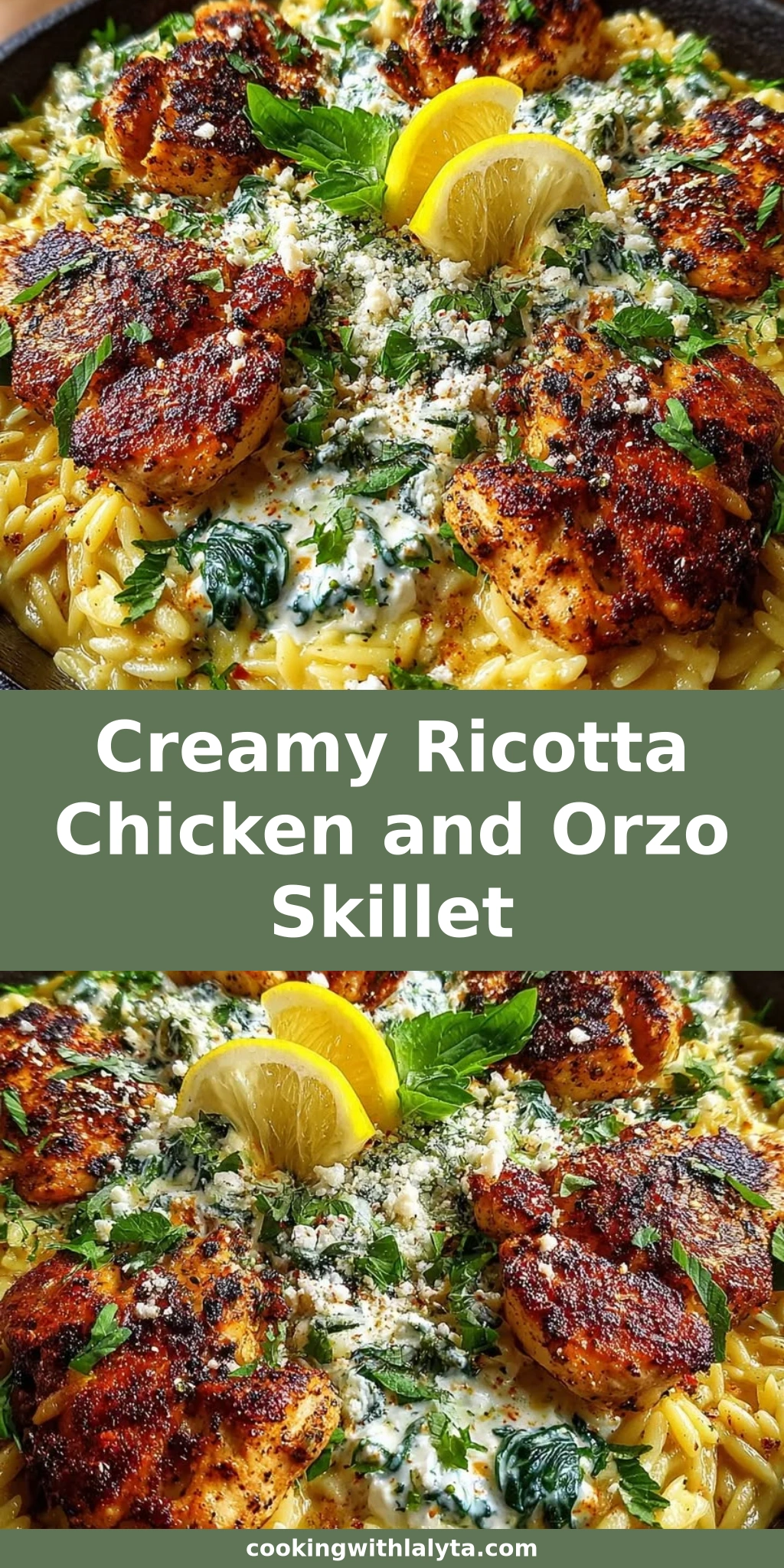
I still remember the first time I tasted a creamy, lemon-kissed chicken and orzo dish in a tiny Parisian bistro near the Sorbonne. It was a revelation—silky sauce clinging to each grain of pasta, tender chicken infused with garlic, and a freshness that cut through the richness. Fast forward to my bustling kitchen in New York City, and I’ve recreated that memory with a twist: this creamy ricotta chicken and orzo skillet. It’s my answer to those frantic weeknights when I crave comfort but refuse to compromise on flavor. The ricotta melts into the broth and cream to create the most luxurious sauce without a single extra pot or fussy roux. I promise, once you add this one pan chicken orzo recipe to your rotation, you’ll understand why it’s become my go-to easy weeknight chicken dinner.
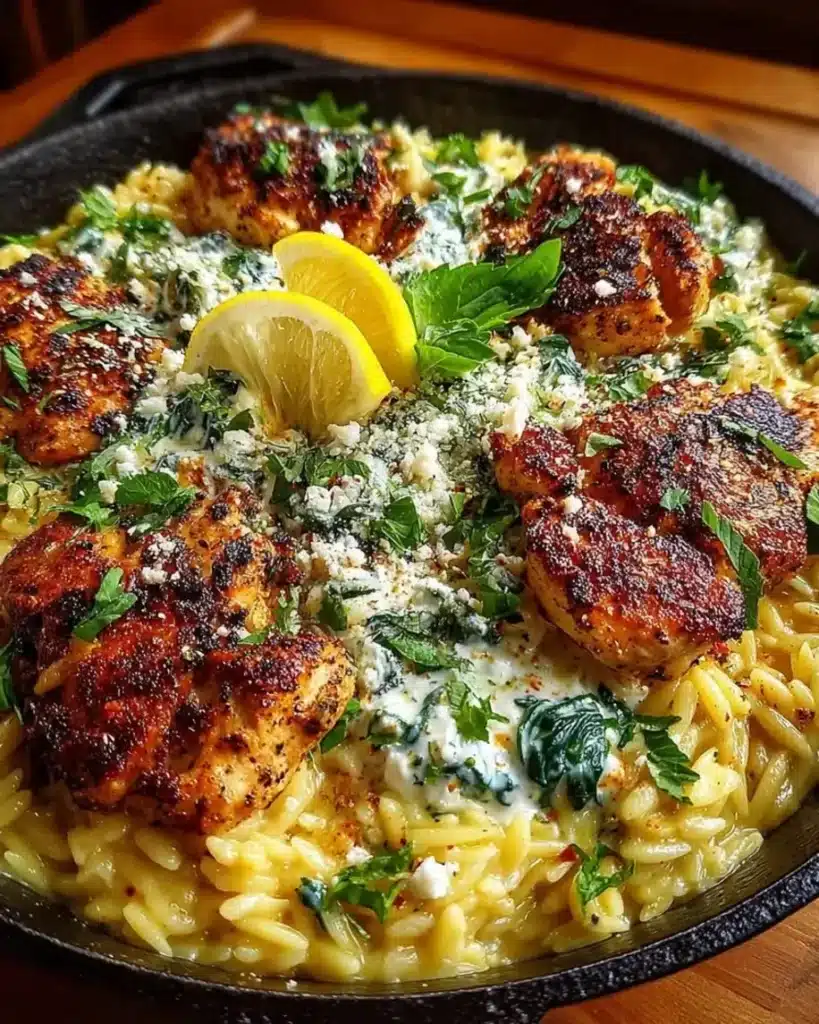
Picture this: you lift the lid and a cloud of steam carrying lemon zest, garlicky onion, and nutty Parmesan fills the air. The orzo has swollen into plump, tender pearls that have absorbed all the savory chicken broth, while the chicken pieces are golden-edged and juicy. Then you see how the ricotta—that unassuming dollop—has transformed into pools of creamy decadence, studded with bright green peas if you choose to add them. It’s a dish that tastes like it simmered for hours, but the entire creamy chicken skillet dinner comes together in just 35 minutes. I often think of my mother’s Moroccan kitchen, where she’d coax deep flavor from simple ingredients, and I bring that same principle here: a quick toast of the orzo releases its nutty aroma, much like toasting couscous before steaming it.
What makes this ricotta pasta skillet truly special? It’s the balance of technique and simplicity. I’ll walk you through the exact cues—like waiting for the orzo to turn lightly golden before adding liquid, and knowing when the sauce is just thick enough to coat the back of a spoon. Along the way, I’ll share pro tips that I honed in culinary school in Paris, such as why full-fat ricotta outperforms part-skim every time. And I’ll steer you clear of the common mistake that can turn your orzo into a gluey mess. By the end, you’ll have a creamy ricotta chicken and orzo skillet that looks and tastes restaurant-worthy, but only dirties one pan. Let’s get cooking.
Why This Creamy Ricotta Chicken and Orzo Skillet Recipe Is the Best
The Flavor Secret: In culinary school, I learned that ricotta is not just for lasagna—it’s a miracle worker in skillet sauces. When it hits the warm broth and heavy cream, it breaks down into a velvety base that’s lighter than a pure cream sauce but infinitely more interesting. I spike it with fresh lemon juice and zest, a trick I borrowed from North African cooking, where preserved lemons brighten rich stews. That citrus pop lifts the entire dish, making each bite feel both indulgent and refreshing. The Parmesan adds that umami backbone, so you never have to rely on a bouillon cube.
Perfected Texture: The orzo gets a quick toast in the skillet before any liquid goes in—a technique I picked up while making French pilafs. That minute of dry heat coats each grain in a protective layer and brings out a subtle nuttiness. Then, by simmering it directly in the chicken broth, the orzo releases starch that naturally thickens the sauce. No need for a slurry or a beurre manié; the pasta does the work. The chicken goes back in at the end, staying tender because it’s only briefly reheated. You end up with a creamy consistency that clings to the orzo without feeling heavy.
Foolproof & Fast: This is the definition of a weeknight hero. With only 10 minutes of active prep, you can have dinner on the table in under 40 minutes. The recipe uses straightforward American grocery store ingredients, and I’ve tested every swap imaginable. Whether you’re a seasoned cook or a beginner, the step-by-step timing guarantees success. I’ll point out the exact visual cues—like when the chicken is golden versus overdone, and the precise moment the sauce goes from thin to perfectly luscious. My goal is to give you the confidence to pull this easy weeknight chicken dinner out of your back pocket whenever life feels chaotic.
Creamy Ricotta Chicken and Orzo Skillet Ingredients
When I shop for this dish in NYC, I head to my local farmers market for the freshest parsley and lemons, then swing by my trusted butcher for free-range chicken thighs. The rest are pantry staples that I always keep on hand—good olive oil, garlic, and a box of orzo. This recipe is forgiving, so don’t stress if you only have chicken breasts or if your ricotta tub is slightly less than full-fat. Below, I’ve broken down the key players and given you the exact swaps I’ve used successfully in my own kitchen.
Ingredients List
- 1 tablespoon olive oil
- 1 1/2 pounds boneless, skinless chicken thighs (or breasts), cut into bite-sized pieces
- Salt and freshly ground black pepper
- 1 small yellow onion, finely chopped
- 3 cloves garlic, minced
- 1 cup (200g) orzo pasta
- 1 1/2 cups chicken broth (low sodium)
- 1 cup heavy cream
- 1/2 cup (120g) full-fat ricotta cheese
- 1/4 cup grated Parmesan cheese
- Zest of 1 lemon
- 2 tablespoons fresh lemon juice
- 1/3 cup frozen peas (optional)
- 1/4 cup chopped fresh parsley or basil, for garnish
Ingredient Spotlight
Chicken Thighs vs. Breasts: I prefer boneless, skinless thighs because they stay ultra-juicy and develop a beautiful golden crust without drying out. If you opt for breasts, slice them into uniform bite-sized pieces and watch the cooking time—they’ll need about 5-6 minutes total. For a lighter version, breasts work well, but you’ll miss a bit of the succulence that thighs provide.
Full-Fat Ricotta: This is non-negotiable in my kitchen. The full-fat version melts seamlessly into the cream, creating a silky sauce without graininess. Part-skim ricotta can sometimes turn watery and break, leaving you with a less creamy result. If you must substitute, I’ve had good luck using whole-milk cottage cheese that’s been blended smooth—it mimics the texture and richness, though the flavor is slightly tangier.
Orzo Pasta: That tiny rice-shaped pasta is the starche-absorber here. It cooks directly in the broth, so you don’t need a separate pot of boiling water. Look for regular semolina orzo in the pasta aisle; whole wheat orzo will work but will require a few extra minutes of simmering and a touch more liquid.
Lemon Zest & Juice: Brightness is key. I use both the zest (where the oils live) and the juice from a fresh lemon. Bottled juice just doesn’t have the same zing and can taste flat. If you’re in a pinch, Meyer lemons are a sweeter, more aromatic alternative but aren’t always easy to find in standard US grocery stores. Add the zest at the end to preserve its volatile oils; the juice goes in earlier to meld with the cream.
| Original Ingredient | Best Substitution | Flavor / Texture Impact |
|---|---|---|
| Chicken thighs | Boneless chicken breasts | Slightly leaner; reduce cook time by 1-2 min |
| Heavy cream | Half-and-half | Lighter mouthfeel; sauce may be slightly thinner |
| Full-fat ricotta | Blended whole-milk cottage cheese | Tangier, still creamy; strain if watery |
| Orzo pasta | Ditalini or small shells | Similar cooking time; slightly chewier |
| Parmesan | Pecorino Romano | Saltier, sharper; adjust added salt |
How to Make Creamy Ricotta Chicken and Orzo Skillet — Step-by-Step
I’ve broken this down into five simple moves, each with visual cues so you never have to second-guess yourself. You’ll be spooning up creamy, lemon-perfumed orzo before you know it.
Step 1: Brown the Chicken
Heat 1 tablespoon of olive oil in a large, deep skillet over medium-high heat. While the oil shimmers, season your 1½ pounds of bite-sized chicken pieces generously with salt and pepper. Add the chicken in a single layer—don’t crowd the pan, or it will steam instead of sear. Cook, stirring occasionally, until the pieces are deeply golden on all sides and cooked through (about 6-8 minutes). You’ll know it’s ready when the internal temperature hits 165°F on an instant-read thermometer. Transfer the chicken to a plate, leaving any brown bits in the skillet; those are pure flavor.
💡 Lalybeth’s Pro Tip: Pat the chicken dry with paper towels before seasoning—this is one of the first things I learned in Paris. Removing surface moisture ensures you get that gorgeous golden crust instead of a pale, steamed exterior.
Step 2: Sauté Aromatics
Reduce the heat to medium. Add the finely chopped yellow onion to the same skillet. Cook, stirring with a wooden spoon, for 3-4 minutes until the onion turns translucent and softens. If the pan seems dry, add a tiny splash of oil. Then stir in the minced garlic and cook for just 30 seconds—garlic burns quickly and turns bitter, so you’re just waking it up until it’s fragrant.
⚠️ Common Mistake to Avoid: Don’t add the garlic at the same time as the onion. Onion needs a head start to release its sweetness; garlic should only hit the heat at the very last moment to avoid scorching.
Step 3: Toast the Orzo
Add the dry orzo directly to the skillet with the onions and garlic. Stir constantly for about 1 minute, until each grain looks lightly golden and smells nutty—this is the moment the orzo develops a deeper flavor. The toasting step is borrowed from my Moroccan couscous days, where you always want to tickle out the grain’s natural aroma before adding liquid.
💡 Lalybeth’s Pro Tip: Listen for the faint popping sound and watch the color shift from pale to a warm buff—that’s your cue to move on. Over-toasting can make the orzo slightly bitter, so stay attentive.
Step 4: Simmer in Broth
Pour in the 1½ cups of low-sodium chicken broth, stirring to scrape up any browned bits from the bottom of the pan. Bring the liquid to a simmer, then reduce the heat to medium-low. Let the orzo cook, uncovered, for 8-10 minutes, stirring occasionally. You’ll see the broth gradually absorb and the orzo plump up, becoming tender but still with a pleasant bite (al dente). Most of the liquid should be absorbed by the end—if the pan looks too dry before the orzo is done, add a splash of broth.
⚠️ Common Mistake to Avoid: Don’t over-stir or raise the heat to high. Too much agitation can break the orzo and release excess starch, turning your skillet into a gummy mess. Gentle, occasional stirs keep the texture light and separate.
Step 5: Create the Creamy Ricotta Sauce
Return the browned chicken to the skillet. Add the heavy cream, ricotta cheese, grated Parmesan, lemon zest, and lemon juice. Stir everything together gently until the ricotta completely melts into the sauce, which should take about 2 minutes. The mixture will turn from white to a glossy, pale cream. If you’re using frozen peas, add them now and let them cook in the residual heat for another 2 minutes until they’re bright green and tender. Taste and adjust salt and pepper—you may need a pinch more salt if your broth was very low-sodium.
💡 Lalybeth’s Pro Tip: Remove the skillet from the heat *before* adding the ricotta if your burner runs hot. Residual warmth will melt it perfectly without risking curdling—a trick I use when making delicate cream sauces in my NYC kitchen.
| Step | Action | Duration | Key Visual Cue |
|---|---|---|---|
| 1 | Brown chicken | 6-8 min | Deep golden crust, no pink |
| 2 | Sauté aromatics | ~4 min | Onion translucent, garlic fragrant |
| 3 | Toast orzo | 1 min | Golden hue, nutty aroma |
| 4 | Simmer orzo in broth | 8-10 min | Tender orzo, most liquid absorbed |
| 5 | Add cream & cheeses | 2-3 min | Smooth, glossy sauce; peas bright green |
Serving & Presentation
I like to spoon the orzo into shallow, wide bowls—pasta plates work beautifully too—so the creamy sauce doesn’t pool too much. A generous sprinkle of fresh parsley or torn basil adds a garden-fresh note that cuts through the richness. If I’m feeling fancy, I’ll zest a little extra lemon over the top right before serving; the oils release and perfume the whole dish like a Parisian bistro. In my NYC apartment, I often set this down family-style right from the skillet with a crisp green salad on the side, tossed in a simple lemon vinaigrette.
For a Moroccan twist, I’ve been known to serve it with a side of roasted carrots tossed in cumin and a drizzle of honey—an homage to my mother’s vegetable tagines. The slight sweetness plays gorgeously against the lemony cream sauce. If you have kids or picky eaters, keep it simple with steamed broccoli or garlic bread to mop up every drop.
| Pairing Type | Suggestions | Why It Works |
|---|---|---|
| Side Dish | Arugula salad with shaved Parmesan, steamed green beans, roasted asparagus | Peppery greens or crisp veggies contrast the creamy skillet |
| Sauce / Dip | Extra lemon wedge, a dollop of pesto, a drizzle of chili oil | Brightness or heat lifts the richness |
| Beverage | Crisp white wine (Pinot Grigio or Sauvignon Blanc), sparkling water with lemon | Acidity in wine mirrors lemon; bubbles cleanse palate |
| Garnish | Fresh parsley, basil, lemon zest, red pepper flakes | Visual pop and final flavor boost |
Make-Ahead, Storage & Reheating
This skillet dinner is a meal-prepper’s dream. On a Sunday afternoon in my tiny NYC kitchen, I’ll often cook the chicken ahead of time and even toast the orzo—then store them separately in the fridge so that dinner comes together in mere minutes on a busy Monday. The full dish holds up beautifully for days, making it a reliable lunchbox option or a quick microwave reheat.
| Method | Container | Duration | Reheating Tip |
|---|---|---|---|
| Refrigerator | Airtight glass or BPA-free plastic container | Up to 3 days | Gently reheat in a skillet with a splash of broth or milk to loosen sauce; microwave on 50% power, stirring halfway |
| Freezer | Freezer-safe container, leave some headspace | Up to 2 months | Thaw overnight in fridge; orzo may soften a bit—reheat gently, add a little cream to revive sauce |
| Make-Ahead | Store chicken and toasted orzo separately in fridge | Up to 1 day ahead | Reheat chicken in skillet, then proceed with aromatics and broth—total cook time will be reduced to about 15 minutes |
When reheating leftovers, the sauce may thicken after chilling because the orzo continues to absorb liquid. I always add a splash of warm chicken broth or even a tablespoon of milk to the skillet, stirring over low heat until the original creamy consistency returns. Avoid the microwave if you can help it—a gentle stovetop reheat keeps the sauce from breaking and the chicken from turning rubbery.
Variations & Easy Swaps
| Variation | Key Change | Best For | Difficulty Impact |
|---|---|---|---|
| Mediterranean | Add spinach and sun-dried tomatoes | Extra veggies, vibrant color | No change—easy |
| Dairy-Free & Gluten-Free | Use full-fat coconut cream, dairy-free ricotta, GF orzo | Dietary restrictions, nut-free | Need to watch liquid ratio—medium |
| Moroccan-Spiced | Replace lemon with preserved lemon, add cumin, coriander, and a pinch of cinnamon | Warm, aromatic twist | Easy—just swap spices |
Mediterranean Spinach & Sun-Dried Tomato
One of my favorite variations pays homage to the flavors I loved in a little trattoria near the Trevi Fountain. Stir in a couple of handfuls of fresh baby spinach right after adding the ricotta—it will wilt beautifully in the residual heat. A ⅓ cup of chopped oil-packed sun-dried tomatoes adds a chewy, tangy burst that cuts through the cream. The key is to drain the tomatoes well and pat them dry, otherwise the oil can make the sauce greasy. This version is a great way to sneak in extra greens and makes the skillet even more colorful.
Dairy-Free & Gluten-Free
For those avoiding dairy, I’ve had excellent results using full-fat coconut cream instead of heavy cream—look for the kind in a can without guar gum, as it thickens better. Replace the ricotta with a good-quality dairy-free ricotta (Kite Hill makes a almond-based one that melts decently) or a homemade silken tofu-cashew blend. Parmesan can be swapped with nutritional yeast (about 2 tablespoons) for that savory, cheesy note. For gluten-free, simply use a certified GF orzo pasta (Jovial or DeLallo work well) and simmer it a touch longer, as GF pasta can be denser. Taste and adjust salt carefully—dairy-free products often need a little more seasoning.
Moroccan-Spiced Chicken Orzo
When I’m feeling nostalgic for my mother’s kitchen in Casablanca, I swap the lemon for 2 tablespoons of finely chopped preserved lemon (rind only, pulp discarded) and add ½ teaspoon each of ground cumin and coriander when sautéing the onion. A pinch of cinnamon goes in with the broth. The preserved lemon brings an intense, salty citrus punch that is utterly different from fresh lemon—it’s deeper, more complex. I crush some toasted almonds on top instead of parsley. This version transports me straight back to Friday couscous lunches, but with a pasta twist. It’s a little exotic for a weeknight but still comes together fast.
Can I use cottage cheese instead of ricotta in creamy ricotta chicken and orzo skillet?
Absolutely, and it’s my top ricotta substitute. I recommend using full-fat cottage cheese (the small-curd kind) and giving it a quick blitz in a food processor or blender until smooth. This eliminates the lumpy texture and helps it melt into the sauce much like ricotta. The flavor will be slightly tangier and a bit saltier, so you might want to reduce the added salt. I’ve tested this swap many times in my NYC kitchen, and while the sauce isn’t quite as decadently smooth, it’s still wonderfully creamy and very satisfying. Avoid low-fat cottage cheese—it tends to be watery and can break the sauce.
What’s the best way to keep the orzo from getting mushy in a one-pan chicken skillet?
The secret is twofold: toasting the orzo before adding liquid and watching your cooking time closely. When you dry-toast the orzo for a minute in the hot skillet, it forms a light coating that helps it hold its shape. Then, cook it precisely until al dente—about 8-10 minutes—and immediately proceed with the sauce. Over-simmering is the biggest culprit; if it sits in hot liquid too long, the starch will over-gelatinize and turn gummy. Also, use the exact amount of broth called for. Once the skillet is finished, serve it right away—orzo continues to absorb moisture as it sits, so leftovers will be softer but can be revived with a splash of broth.
How long does it take to cook chicken breasts in a creamy ricotta orzo skillet?
If you’re using boneless, skinless chicken breasts cut into bite-sized pieces, they’ll cook much faster than thighs. Expect them to be done in about 5-6 minutes total over medium-high heat. The key is to sear them until they’re just golden on the outside and no longer pink inside—but not a second longer, because they dry out easily. I always cut into the largest piece to check; it should be white throughout with clear juices. If you’re unsure, an instant-read thermometer should register 165°F. Because breasts are leaner, the final dish will be a bit lighter but still delicious; just watch them closely during the initial browning step.
Can I add spinach or sun-dried tomatoes to creamy ricotta chicken and orzo?
Yes, and I highly recommend it! Both add wonderful color and flavor. Fresh baby spinach can be stirred in right after you add the ricotta—it will wilt within a minute or two from the residual heat. For sun-dried tomatoes, use the oil-packed variety for the best texture; pat them dry and chop them before adding. About ⅓ cup of each is a great starting point. Be mindful that sun-dried tomatoes can be quite salty, so taste before adding extra salt. This combination gives the skillet a Mediterranean spin, and it’s one of my go-to variations when I want to pack in extra veggies without any extra work.
What can I substitute for heavy cream in a creamy chicken orzo recipe?
Half-and-half is my first choice—it will lighten the dish while still delivering a creamy mouthfeel. The sauce will be a bit thinner, so you might want to let it bubble for an extra minute to thicken. You can also use evaporated milk (not sweetened condensed!) as a sturdy, lower-fat alternative. For a dairy-free version, full-fat canned coconut cream works beautifully, though it adds a subtle coconut note that pairs surprisingly well with lemon. Avoid plain milk alone, as it lacks the fat to emulsify properly and can curdle when heated. I always have a can of coconut cream in my pantry for emergencies.
Can I make this recipe ahead of time for meal prep?
Definitely. The full dish stores well in the refrigerator for up to 3 days, making it a reliable meal prep option. For the best texture, I often prepare just the chicken and toasted orzo base ahead—simply cook through step 3, then cool and refrigerate. When you’re ready, reheat the chicken and orzo in the skillet, add the broth, and pick up from there. If you reheat the fully assembled dish, the orzo will have absorbed more liquid, so I always stir in a splash of chicken broth or milk while gently warming it on the stovetop to bring back the creamy consistency. Avoid the microwave if possible, as it can make the chicken rubbery.
What’s the secret to the creamiest ricotta sauce without lumps?
The secret is temperature and technique. Always use full-fat ricotta, and let it come to room temperature for about 15 minutes while you prep other ingredients. When you’re ready to add it, take the skillet off the direct heat so the residual warmth melts it gently—this prevents curdling. Stir the ricotta into the warm cream and broth mixture with a whisk or a silicone spatula, breaking up any large curds as you go. The Parmesan also helps emulsify everything into a glossy, uniform sauce. I learned this low-and-slow approach in a Parisian pastry kitchen, where gentle heat made all the difference between a broken ganache and a silky one.
Can I freeze this creamy ricotta chicken and orzo skillet?
Yes, though the texture of the orzo will soften after thawing. It’s still perfectly edible and tasty, just a bit less toothsome. To freeze, cool the dish completely and transfer it to freezer-safe containers, leaving a little headspace for expansion. It will keep for up to 2 months. Thaw overnight in the refrigerator, then reheat gently in a skillet with a splash of broth or milk to loosen the sauce. I recommend freezing individual portions for quick lunches. The lemon flavor might fade slightly over time, so you can perk it up with a squeeze of fresh lemon juice after reheating.
What side dishes pair well with creamy ricotta chicken orzo?
Because this is a rich, one-pan meal, I love serving it with something bright and crisp to balance the creaminess. A simple arugula salad dressed with lemon juice and olive oil is my favorite—the peppery greens cut right through. Roasted asparagus or steamed green beans tossed with a little garlic also work wonderfully. For a heartier side, crusty bread or garlic knots are perfect for sopping up the sauce. In the summer, I’ll slice ripe tomatoes and drizzle them with balsamic. And if you’re feeling a bit French, a warm baguette and a cold glass of Sancerre make it a meal to remember.
How do I make this creamy ricotta chicken and orzo skillet dairy-free?
To make this completely dairy-free, you’ll need a few key swaps. Replace heavy cream with full-fat coconut cream (from a chilled can). Use a dairy-free ricotta alternative, such as Kite Hill’s almond-based version, or make your own by blending silken tofu with a little lemon juice and soaked cashews. Swap Parmesan for 2 tablespoons of nutritional yeast, which provides a cheesy umami without milk. Be sure to use a good-quality olive oil and season generously, as dairy-free products often need a touch more salt. I’ve tested this version for friends with dairy allergies, and it’s still wonderfully creamy—the lemon keeps it bright and you hardly miss the real thing.
Share Your Version!
I truly love seeing what you create in your own kitchens. Did you add a handful of spinach, or maybe swap in shrimp? Maybe you took a photo of your skillet looking all golden and glorious? I’d be honored if you’d leave a star rating and a comment below—it helps other readers know this creamy ricotta chicken and orzo skillet is worth making. And if you’re on Instagram or Pinterest, tag me @cookingwithlalyta so I can share your masterpiece in my stories. I often reply to every comment personally; it’s my favorite part of this blogging life.
I’d also love to know: what’s your secret weeknight ingredient that makes a skillet dinner feel special? For me, it’s a generous shower of fresh herbs just before serving, and a squeeze of lemon. Share your secret below—I’m always looking for new inspiration. From my NYC kitchen to yours — I hope this recipe brings as much warmth to your table as it does to mine. — Lalybeth 🧡
Love This Recipe? Save It to Pinterest!
If you enjoyed this Creamy Ricotta Chicken and Orzo Skillet recipe, don’t let it get lost in your browser tabs! 😄 Pin it now so you can find it again anytime — and explore hundreds more tried-and-tested recipes waiting for you on my Pinterest boards.
👉 Follow Lalybeth on Pinterest @cookingwithlalyta
📌 Pin this recipe · 🔁 Re-pin your favorites · 💬 Tag me when you make it — I love seeing your creations!
Did You Make This Creamy Ricotta Chicken and Orzo Skillet?
I’d be thrilled to hear how it turned out! Leave a star rating and a quick review below—your feedback not only makes my day but helps other home cooks discover this recipe. And don’t forget to snap a photo; tag @cookingwithlalyta on Instagram or use #lalybethskitchen so I can repost your delicious creation. Let’s build a community one skillet at a time!

Creamy Ricotta Chicken and Orzo Skillet
- Total Time: 35 minutes
- Yield: 4 servings 1x
Description
A quick and creamy one-pan dinner featuring tender chicken, orzo pasta, and rich ricotta cheese, finished with a squeeze of lemon and fresh herbs.
Ingredients
- 1 tablespoon olive oil
- 1 1/2 pounds boneless, skinless chicken thighs (or breasts), cut into bite-sized pieces
- Salt and freshly ground black pepper
- 1 small yellow onion, finely chopped
- 3 cloves garlic, minced
- 1 cup (200g) orzo pasta
- 1 1/2 cups chicken broth (low sodium)
- 1 cup heavy cream
- 1/2 cup (120g) full-fat ricotta cheese
- 1/4 cup grated Parmesan cheese
- Zest of 1 lemon
- 2 tablespoons fresh lemon juice
- 1/3 cup frozen peas (optional)
- 1/4 cup chopped fresh parsley or basil, for garnish
Instructions
- Heat olive oil in a large skillet over medium-high heat. Season the chicken pieces with salt and pepper, then add to the skillet. Cook, stirring occasionally, until golden brown and cooked through (about 6-8 minutes). Transfer chicken to a plate and set aside.
- Reduce heat to medium. Add the onion and cook for 3-4 minutes until softened. Stir in the garlic and cook for 30 seconds until fragrant.
- Add the dry orzo to the skillet and stir for 1 minute until lightly toasted. Pour in the chicken broth and bring to a simmer. Cook for 8-10 minutes, stirring occasionally, until the orzo is tender and most of the liquid is absorbed.
- Return the chicken to the skillet. Add the heavy cream, ricotta cheese, Parmesan, lemon zest, and lemon juice. Stir until the cheeses melt and the sauce is creamy. If using peas, add them now and cook for 2 minutes more.
- Taste and adjust seasoning with salt and pepper. Remove from heat. Garnish with fresh parsley or basil. Serve hot.
Notes
For a lighter version, substitute half‑and‑half for the heavy cream. Chicken can be replaced with shrimp or mushrooms. Store leftovers in an airtight container in the refrigerator for up to 3 days.
- Prep Time: 10 minutes
- Cook Time: 25 minutes
- Method: Main Course
- Cuisine: Italian-American
Nutrition
- Calories: 620 kcal
- Sugar: 4 g
- Fat: 34 g
- Carbohydrates: 38 g
- Protein: 38 g
Tried This Recipe? Leave a Comment!
Did you make this recipe? I’d love to hear how it turned out! Please leave a comment and a rating below. Your feedback helps other home cooks and supports cookingwithlalyta.com!
For more delicious inspiration, follow me on Pinterest!