Table of Contents
Lemon Basil Tortellini with Burrata, Roasted Cherry Tomatoes & Pine Nuts – A 30-Minute Creamy Weeknight Pasta You’ll Make on Repeat
I still remember the first time I tossed roasted cherry tomatoes into a bowl of hot tortellini. It was a crisp early‑autumn evening in my tiny New York kitchen, the kind where the windows steam up from the pot of boiling water. I had grabbed a pint of those impossibly sweet little tomatoes at the Union Square Greenmarket, along with a fistful of fresh basil that smelled like my mother’s garden back in Morocco. That night I learned that a truly great Lemon Basil Tortellini doesn’t need a complicated sauce — just a bright, zesty dressing, creamy burrata, and the deep, concentrated flavor of slow‑roasted tomatoes. In under 30 minutes, you can create a bowl that tastes like a chef‑driven summer feast but fits perfectly into a hectic weeknight. This recipe has become my go‑to answer to “what’s for dinner?” when I want something impressive yet effortless. I promise, once you try this tortellini with burrata and those jammy roasted cherry tomatoes, you’ll understand why it has a permanent spot in my rotation.
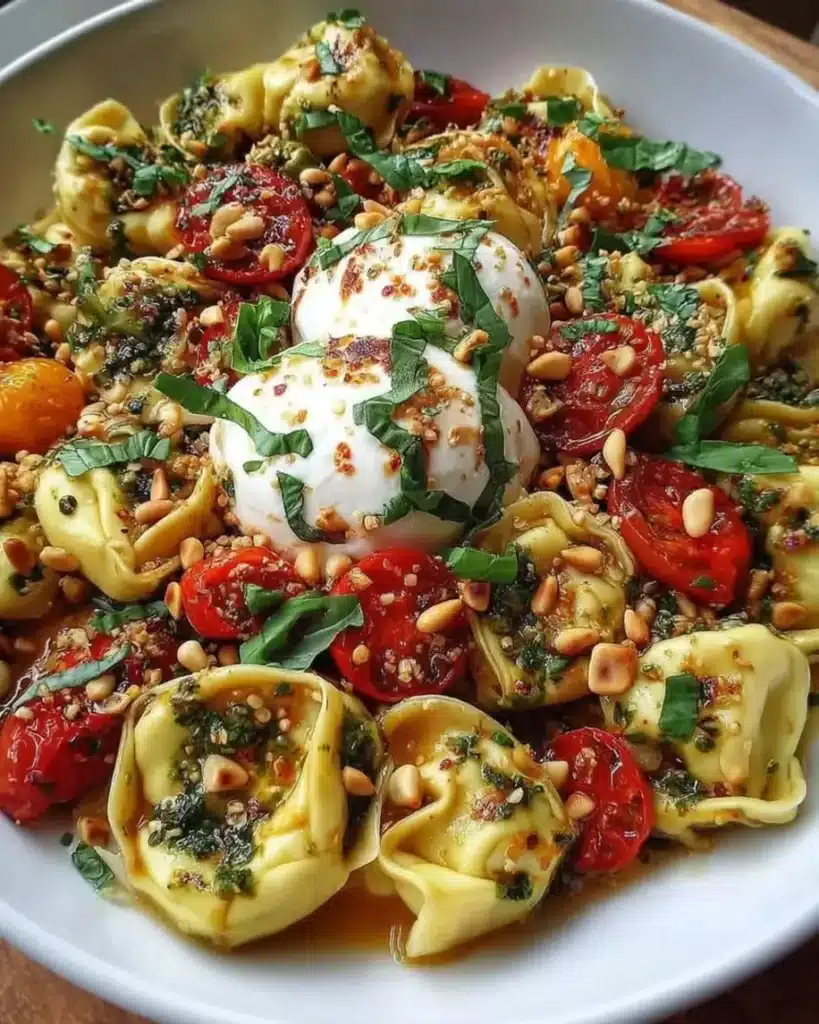
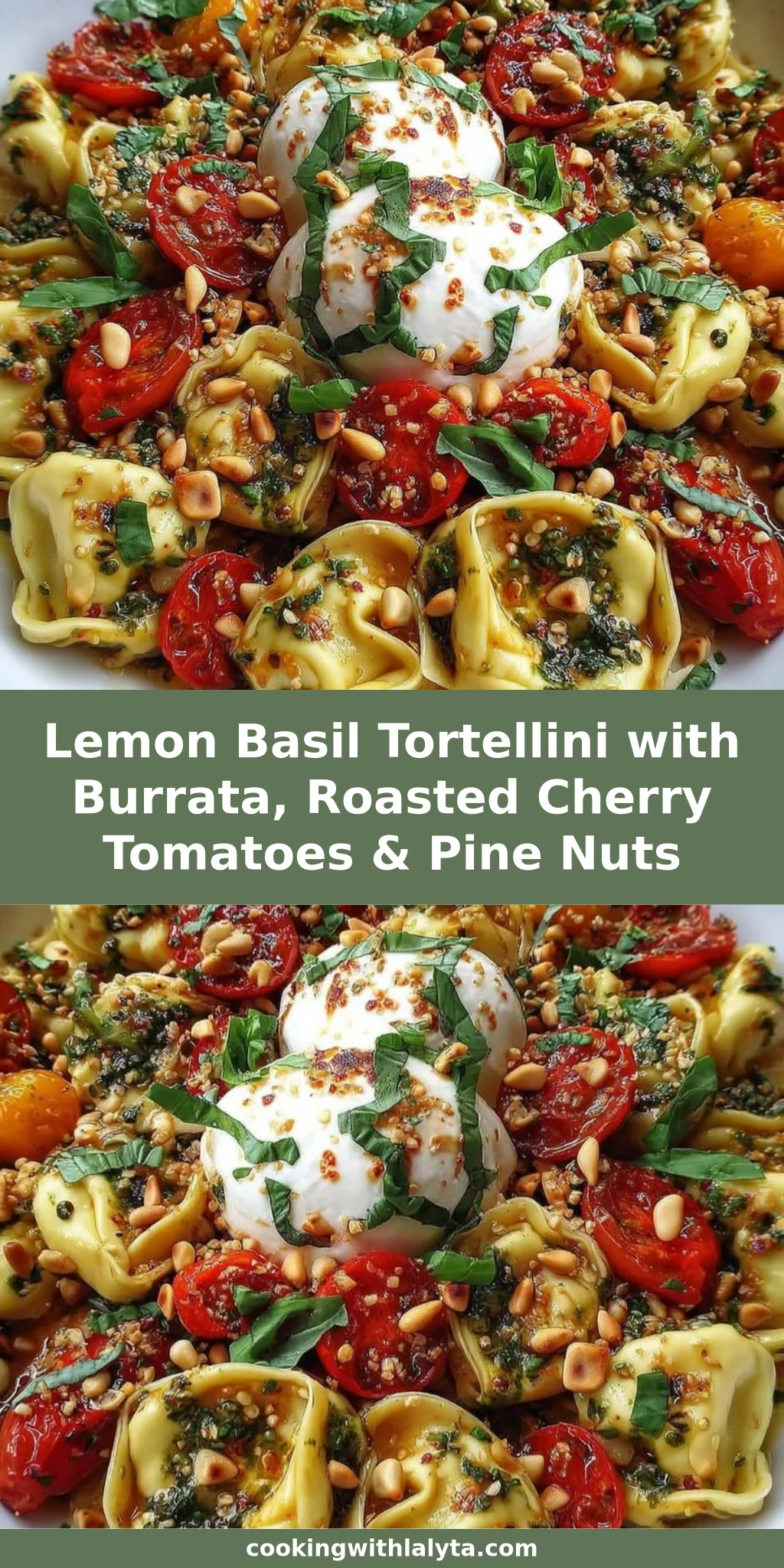
Picture this: tender cheese‑filled tortellini, each pocket bursting with creamy ricotta, tangled with slightly charred cherry tomatoes that have collapsed into sweet, saucy jewels. Then you tear into a ball of cold, milky burrata — its soft curds melting just enough to coat the pasta in a velvety blanket. Toasted pine nuts add a gentle crunch that pops against the silkiness, while a no‑cook sauce of olive oil, lemon zest, lemon juice, and freshly chopped basil delivers an electric zing. Every forkful is a balance of richness and brightness, a harmony that I learned to achieve back in Paris, where my instructors drilled into me the secret of layering simple ingredients for maximum impact. The aroma alone — warm, nutty, citrusy — will pull your family to the table even before the plates are set. In this easy tortellini dinner, the humble cherry tomato becomes the star, and you’ll feel like you’ve pulled off a magic trick.
What sets my version of this burrata pasta recipe apart is the way I treat every component. Instead of just adding raw tomatoes, I roast them until they’re on the verge of caramelization, which intensifies their natural sugar and gives a subtle smokiness. The dressing is made right in the serving bowl — no extra pans — and I always toast the pine nuts in a dry skillet just until golden, because even a few seconds of neglect can turn them into bitter little black buttons (a mistake I made once while chatting on the phone!). Throughout this post, I’ll share exactly how I avoid overcooked tortellini, why I tear the burrata instead of cutting it, and the one Moroccan spice I sometimes whisk into the olive oil for a whisper of warmth. Whether you’re a novice cook or a busy parent looking for a roasted cherry tomato pasta that feels special, my step‑by‑step tips will guarantee success.
Why This Lemon Basil Tortellini Recipe Is the Best
The Flavor Secret: Growing up in Morocco, I learned that a dish’s soul often lies in the fat used to carry its aromatics. Here, I borrow a page from my Paris training and use a high‑quality extra virgin olive oil as the canvas for the lemon and basil. Instead of cooking the dressing, I keep it raw — whisking the lemon zest and juice directly into the oil so it retains that vibrant, almost floral freshness. A tiny pinch of flaky sea salt draws out the basil’s essential oils without muddling them. The result is a bright, punchy sauce that elevates the cheese‑filled pasta without overwhelming it. This no‑cook approach also means you can prepare the dressing while the tortellini boils and the tomatoes roast, making the most of every minute.
Perfected Texture: Texture is something I obsession over, a habit I picked up while plating desserts in Paris where every crunch and cream had to be intentional. In this Lemon Basil Tortellini, I layer four distinct sensations: the soft, pillowy pasta; the silky, just‑yielding burrata; the sweet‑jammy pop of roasted tomato halves; and the nutty crisp of pine nuts. Toasting the pine nuts in a dry skillet over medium heat — shaking the pan constantly — is a 3‑minute task that rewards you with a toasty depth that raw nuts simply can’t provide. I also tear the burrata by hand rather than slicing it; the irregular pieces warm gently on the pasta and melt in uneven puddles, so every bite is different. It’s the kind of thoughtful detail that makes a simple tortellini with burrata feel restaurant‑worthy.
Foolproof & Fast: For a recipe that looks like you’ve been in the kitchen for hours, this one is remarkably forgiving. The ingredient list is short — eight things, most of which you might already have in your pantry or fridge. The tomatoes can be roasted a day ahead, and the dressing keeps overnight in the fridge. I designed the process so that even if you’re juggling homework help or a cranky toddler, you can still pull off a stunning dinner. My step‑by‑step instructions include visual cues (wait until the pine nuts are “just golden, like a pale sand dune”) and a handy timing reference table so you never have to guess. Whether you’re a first‑time pasta maker or a seasoned home cook, my goal is for you to feel completely confident whipping up this easy tortellini dinner.
Lemon Basil Tortellini Ingredients
When I shop for this recipe in New York, I make a beeline for the refrigerated fresh pasta section at my local Italian grocer — the plump cheese tortellini there are miles ahead of anything shelf‑stable. But I’ve also made plenty of successful weeknight versions using a good‑quality frozen tortellini from Trader Joe’s. The key is to treat each ingredient with respect. I pick ripe, fragrant cherry tomatoes that are heavy for their size (a trick my mother taught me in the souks of Marrakech) and always check that the burrata’s expiration date is as far out as possible — the fresher it is, the creamier the center will be. Below is everything you’ll need, with notes on what you can swap and why.
Ingredients List
- 1 lb cheese tortellini (fresh, frozen, or shelf‑stable)
- 2 cups cherry tomatoes, halved
- 3 tablespoons olive oil, divided
- Salt and freshly ground black pepper, to taste
- 1/2 cup pine nuts
- 8 oz burrata cheese, at room temperature
- 1/4 cup fresh basil leaves, chopped
- Zest and juice of 1 lemon
Ingredient Spotlight
Cheese Tortellini: The star of the pasta itself. Look for fresh refrigerated tortellini in the dairy or deli section — it cooks in just 2‑3 minutes and has a tender, eggy bite. If using frozen, do not thaw; cook straight from frozen, adding 1‑2 minutes to the package time. Shelf‑stable dried tortellini works in a pinch but will be a bit denser. Substitution: mini ravioli or agnolotti filled with cheese or spinach‑ricotta work beautifully with the same cooking logic.
Cherry Tomatoes: Roasting concentrates their sweetness and intensifies the tomato flavor. Cherry tomatoes are ideal because of their thin skin and high sugar content, but grape tomatoes can be used — just expect a slightly firmer result. In summer, I grab heirloom cherry varieties from the farmer’s market; their colors make the dish stunning. If cherry tomatoes aren’t available, campari tomatoes halved will also roast into a jammy delight.
Burrata: This is the creamy, dreamy element. Burrata is a mozzarella shell filled with stracciatella and cream — when you tear it, the loose curds spill out and mingle with the pasta, creating a luscious sauce. Always let it come to room temperature so the cream is fluid. If your grocery store doesn’t carry burrata, fresh mozzarella (torn) plus a drizzle of heavy cream can mimic some of the richness, though the texture won’t be quite as luxurious. Buffalo mozzarella is the next best option.
Pine Nuts: Their buttery, resinous crunch is the perfect counterpoint to the soft pasta and creamy cheese. Pine nuts can be pricey, so I buy them in bulk at my neighborhood nut shop and store them in the freezer to prevent rancidity. If you need a substitute, slivered almonds (toasted) are a close match, or you can use sunflower seeds for a nut‑free option — just reduce the toasting time slightly.
| Original Ingredient | Best Substitution | Flavor / Texture Impact |
|---|---|---|
| Cheese Tortellini | Mini cheese ravioli | Slightly larger pillows; still a tender, cheesy bite. |
| Cherry Tomatoes | Grape tomatoes or campari tomatoes, halved | Grape tomatoes are a bit firmer; campari are juicier and sweeter. |
| Burrata | Fresh mozzarella + 2 tbsp heavy cream | Creamy, but less oozy; still delicious. |
| Pine Nuts | Slivered almonds (toasted) | Milder flavor, similar crunch. Sunflower seeds for nut‑free. |
How to Make Lemon Basil Tortellini with Burrata — Step-by-Step
Don’t let the elegant look intimidate you — I’ve broken the process into six simple steps, many of which overlap to save time. I always set my oven to preheat and get the tomatoes in first, since they take the longest. While they roast, I cook the tortellini and toast the pine nuts simultaneously. By the time the pasta is drained, the sticky, sweet smell of roasted tomatoes will fill your kitchen, and you’ll be minutes away from a bowl of pure comfort.
Step 1: Roast the Cherry Tomatoes
Preheat your oven to 400°F (200°C) and line a baking sheet with parchment paper for easy cleanup. Place the halved cherry tomatoes cut‑side up on the sheet, drizzle with 1 tablespoon of olive oil, and sprinkle generously with salt and freshly ground black pepper. Roast for 15–20 minutes, until the tomatoes are softened, beginning to shrivel, and the edges are lightly charred. The scent will be incredible — sweet and concentrated. I sometimes shake the pan halfway through to encourage even caramelization.
💡 Lalybeth’s Pro Tip: For an extra layer of flavor, add a smashed garlic clove and a sprig of fresh thyme to the pan while roasting. The garlic will mellow and sweeten, and you can spoon it over the finished pasta — a little trick I learned from a French chef who believed roasted garlic is “the cook’s candy.”
Step 2: Cook the Tortellini
Bring a large pot of generously salted water to a rolling boil. Add the cheese tortellini and cook according to package directions — usually 2–3 minutes for fresh, 4–5 minutes for frozen, or 8–10 for dried. Stir gently to prevent sticking. The moment they float to the surface and look plump, they’re done. Drain immediately and set aside in the colander. Do not rinse, as you want the residual starch to help the dressing cling. While the pasta cooks, you can start toasting the pine nuts in the next step.
⚠️ Common Mistake to Avoid: Overcrowding the pot can cause tortellini to stick together or cook unevenly. Use at least 4 quarts of water for 1 pound of pasta, and keep the water boiling vigorously. Under‑salted water makes for bland pasta — your water should taste like the sea.
Step 3: Toast the Pine Nuts
Place a small dry skillet over medium heat. Add the pine nuts and toast, shaking the pan or stirring frequently, for 3–4 minutes until they turn golden brown and release a nutty aroma. Watch them like a hawk — they can go from golden to burnt in seconds. As soon as they reach a warm, toasty color, transfer them to a cool plate immediately so they stop cooking. Toasting pine nuts in a dry skillet, rather than with oil, gives a cleaner, more delicate crunch that won’t compete with the lemon dressing.
💡 Lalybeth’s Pro Tip: I always toast a few extra pine nuts and store them in an airtight jar — they’re wonderful sprinkled over yogurt, salads, or even a morning avocado toast. Doing this while the skillet is already hot saves time and waste.
Step 4: Whisk the Lemon Basil Dressing
In a large serving bowl, whisk together the remaining 2 tablespoons of olive oil, the zest and juice of one lemon (about 3 tablespoons of juice), and the chopped fresh basil. Season with a pinch of salt and a crack of pepper. Taste it — the dressing should be sharply lemony and aromatic, because it will mellow once mixed with the hot pasta and creamy burrata. This step takes less than a minute and can be done while the tomatoes finish roasting or the pine nuts cool. The freshness of this no‑cook sauce is the secret to that “bright, alive” flavor.
⚠️ Common Mistake to Avoid: Using bottled lemon juice. It’s often too acidic and lacks the fragrant oils found in fresh zest. For the best results, always use a fresh lemon — and zest it before juicing, so the oils are released while the peel is still firm.
Step 5: Toss the Pasta and Tomatoes
Add the drained, still‑hot tortellini to the bowl with the dressing. Scrape in the roasted tomatoes along with any juices from the baking sheet — those browned bits are pure flavor gold. Toss gently with a large spoon or silicone spatula until everything is coated and the pasta glistens. The heat from the tortellini will cause the basil to release its fragrance and the lemon to brighten the air. At this stage, the dish is already beautiful, but we’re about to crown it with creamy burrata and crunchy pine nuts.
💡 Lalybeth’s Pro Tip: If the pasta seems a little dry, add a splash of the hot pasta cooking water — about 2 tablespoons at a time — to create a silky emulsion without diluting the lemon‑basil punch. This is a classic Italian technique that I rely on for every pasta dish.
Step 6: Garnish with Burrata and Pine Nuts
Divide the dressed tortellini among four warm plates or shallow bowls. Take the room‑temperature burrata and tear it into large, irregular pieces, distributing them over each portion. The cream inside will spill out luxuriously on contact with the warm pasta. Scatter the toasted pine nuts on top, and if you like, tuck a few extra fresh basil leaves around the plate for a pop of green. Serve immediately while the burrata is still cool‑creamy and the tomatoes are warm. This contrast of temperatures is what makes each bite so exciting.
⚠️ Common Mistake to Avoid: Cutting burrata with a knife can cause the creamy interior to squirt out and pool on the cutting board. Always tear it by hand directly over the plates — you’ll keep every drop of that precious cream and get a more rustic, inviting look.
| Step | Action | Duration | Key Visual Cue |
|---|---|---|---|
| 1 | Roast cherry tomatoes | 15–20 mins | Tomatoes softened, edges lightly charred |
| 2 | Cook tortellini | Per package | Pasta floats, plump and tender |
| 3 | Toast pine nuts | 3–4 mins | Golden brown, nutty aroma |
| 4 | Whisk lemon basil dressing | 1 min | Smooth, fragrant emulsion |
| 5 | Toss pasta and tomatoes | 2 mins | Evenly coated, glistening pasta |
| 6 | Garnish with burrata & pine nuts | 1 min | Creamy, rustic, nutty finish |
Serving & Presentation
I love plating this Lemon Basil Tortellini in wide, shallow bowls so the tomatoes and burrata sit proud on top of the pasta instead of sinking to the bottom. A quick drizzle of good olive oil right before serving adds a glossy finish, and a tiny pinch of flaky sea salt over the burrata wakes up the creaminess. If I’m hosting friends on my Brooklyn terrace, I’ll carry the whole thing to the table family‑style — a big platter piled high with tortellini, the burrata torn across the center, and a confetti of torn basil and pine nuts over everything. It never fails to draw oohs and aahs, and it takes all of 30 seconds to arrange.
For a well‑rounded dinner, I lean into the Mediterranean roots of this dish. A simple arugula salad dressed with a squeeze of the same lemon and a shaving of Parmesan echoes the citrus notes. Crusty, toasted ciabatta is a must for scooping up any leftover burrata cream. In colder months, I sometimes sauté a handful of spinach and garlic on the side — the wilted greens add iron‑rich depth that my mother would approve of. And if you want to truly transport yourself to a trattoria, open a bottle of crisp Pinot Grigio or a citrusy Sauvignon Blanc.
| Pairing Type | Suggestions | Why It Works |
|---|---|---|
| Side Dish | Arugula & Parmesan salad, garlic sautéed spinach, or roasted asparagus | Peppery greens cut the richness of the burrata and refresh the palate. |
| Bread | Crusty ciabatta or garlic bread | Great for sopping up the lemon‑basil olive oil and escaped burrata cream. |
| Beverage | Pinot Grigio, Sauvignon Blanc, or sparkling water with lemon | Bright acidity mirrors the lemon and balances the creamy texture. |
| Garnish | Extra torn basil, lemon zest, crushed red pepper flakes | A sprinkle of heat and herbs lifts every forkful and adds color. |
Make-Ahead, Storage & Reheating
Like many New Yorkers, my weekdays are a blur of meetings, errands, and frantic commutes. That’s why I’ve perfected the art of prepping components ahead for this easy tortellini dinner. The tomatoes can be roasted and refrigerated up to three days in advance — just bring them to room temperature before tossing with the hot pasta. The lemon basil dressing can be whisked together and stored in a sealed jar in the fridge overnight; give it a good shake before using. I don’t recommend cooking the tortellini ahead, as it tends to clump, but you can have the pot of water ready to boil the moment you walk in the door. Below is my guide for storing and reheating leftovers, because even the best burrata pasta recipe deserves a second life.
| Method | Container | Duration | Reheating Tip |
|---|---|---|---|
| Refrigerator | Airtight glass container | Up to 3 days | Gently reheat in a skillet over medium‑low with a splash of water; add fresh burrata after heating. |
| Freezer | Not recommended (burrata separates) | Freeze only the roasted tomatoes and dressing | Thaw tomatoes in the fridge overnight; make fresh tortellini and burrata for assembly. |
| Make-Ahead | Roast tomatoes up to 3 days ahead; dressing 1 day ahead | Tomatoes: refrigerate; dressing: jar, shake before use | Bring tomatoes to room temp; toss with freshly cooked tortellini and finish with burrata. |
When reheating the assembled pasta, I always remove the cold burrata first (if possible) and set it aside. Warm the tortellini and tomatoes gently in a skillet with a tablespoon of water or broth to loosen the dressing. Once hot, I tear fresh burrata on top — because microwaving burrata turns it into a rubbery puddle, and nobody wants that. The pine nuts can be added after reheating to keep their crunch. If you’ve stored the components separately, you can throw together a fresh‑tasting dinner in under 10 minutes.
Variations & Easy Swaps
| Variation | Key Change | Best For | Difficulty Impact |
|---|---|---|---|
| Spicy Arrabbiata Twist | Add 1 tsp crushed red pepper and a splash of tomato passata to the dressing | Heat seekers and winter evenings | Still easy — just an extra stir |
| Gluten‑Free & Dairy‑Free | Use GF fresh pasta (or GF tortellini) and swap burrata for a plant‑based mozzarella with cream | Those with dietary restrictions | Requires careful shopping; same prep |
| Spring Veggie Medley | Toss in roasted asparagus tips, peas, and a handful of fresh arugula | Spring and summer gatherings | Slightly more chopping, still quick |
Spicy Arrabbiata Twist
Sometimes I crave a little fire, and that’s when I reach for the crushed red pepper flakes my mother used to infuse into everything from harira to sautéed vegetables. For this version, I whisk 1 teaspoon of hot pepper flakes into the lemon‑basil dressing, along with a tablespoon of tomato passata (or even a spoonful of good jarred marinara) for a slightly blush tint. The result is a Lemon Basil Tortellini that hugs your palate with warmth. The creamy burrata becomes essential here — it tames the heat beautifully, and I love the contrast of cool cream against a spicy, tangy backdrop. If you have a smoky Hungarian paprika, try half a teaspoon in the tomato mix for a North African‑influenced depth that reminds me of home.
Gluten‑Free & Dairy‑Free
When my best friend — who is both gluten‑ and dairy‑free — comes over for dinner, I adapt this without ever making her feel like she’s missing out. I use a quality gluten‑free fresh pasta (Jovial carries a wonderful GF egg‑free tagliatelle, but if you can find a GF cheese‑filled tortellini, grab it). For the burrata, I turn to a plant‑based mozzarella like Miyoko’s, and I stir 2 tablespoons of a thick, unsweetened coconut cream into the dressing to mimic the creamy stracciatella. The taste is a tiny bit nuttier, but the roasted tomatoes and bright lemon basil dressing still shine. I promise, even my gluten‑loving husband goes back for seconds.
Spring Veggie Medley
During the fleeting weeks of spring, I can’t resist piling on the green. I’ll roast thin asparagus spears alongside the tomatoes (adding them in the last 8 minutes so they stay crisp‑tender), and I’ll stir in a handful of fresh or frozen peas when tossing the pasta. A generous handful of baby arugula wilts gently from the residual heat, adding a peppery bite that cuts through the richness. This variation turns a simple tortellini with burrata into a garden‑fresh celebration. I often make it for al fresco dinners on my fire escape, where a glass of rosé and the hum of the city make everything taste even better.
How do you roast cherry tomatoes for the best flavor in this Lemon Basil Tortellini dish?
To get the richest, most concentrated flavor, I roast halved cherry tomatoes cut‑side up on a parchment‑lined sheet at 400°F with a drizzle of olive oil, salt, and pepper. The high heat caramelizes the natural sugars while the cut side faces up to keep the juices from steaming the tomato. I sometimes tuck a smashed garlic clove and a sprig of thyme among them — the garlic mellows and turns sweet, infusing the oil. Roast for 15–20 minutes until the edges are lightly charred but the insides are still juicy. The key is not to overcrowd the pan, so each tomato has room to breathe and brown properly.
Can I substitute burrata with mozzarella or another cheese in this recipe?
Absolutely. Fresh mozzarella is the next best thing — tear it into pieces just as you would burrata. To mimic some of burrata’s creamy interior, drizzle a tablespoon or two of heavy cream over the pasta after adding the mozzarella. Buffalo mozzarella is especially luscious. If you can’t find either, a dollop of whole‑milk ricotta mixed with a little cream can create a creamy, though not stringy, effect. The dish will lose some of the iconic ooze, but you’ll still get a wonderful contrast of textures. Just avoid low‑moisture block mozzarella; it won’t melt into the pasta in the same way.
How long should I cook the tortellini to keep it from getting mushy?
The perfect tortellini texture — “al dente” — depends on the type. Fresh refrigerated tortellini needs only 2–3 minutes; it should float and look plump but still have a slight firmness in the center. Frozen tortellini usually takes 4–6 minutes, and dried about 8–10. I always start tasting 1 minute before the package says it’s done. Drain immediately, and if you’re not tossing it directly with the dressing, drizzle a little olive oil over it to prevent sticking. Mushy tortellini happens when it sits in hot water too long, so have your colander ready and the dressing bowl waiting right next to the stove.
What side dishes pair well with Lemon Basil Tortellini and burrata?
This rich, creamy pasta loves bright, simple sides. A peppery arugula salad with a lemon‑Parmesan vinaigrette balances the burrata’s richness. For a heartier meal, roasted asparagus or a garlicky sautéed spinach adds a vegetal note that my Moroccan mother would insist on. Crusty ciabatta or homemade focaccia is non‑negotiable for mopping up the olive oil and cream. If you’re drinking, a dry Italian Pinot Grigio or a zesty Vinho Verde cuts through the fat beautifully. I also like to set out a little bowl of marinated olives — they provide a salty, briny pop that plays off the sweet tomatoes and lemon.
Is this tortellini with burrata recipe suitable for meal prep?
Yes, but with a small tweak. I roast the tomatoes ahead and store them in the fridge up to three days. The lemon‑basil dressing also holds well overnight. However, cook the tortellini fresh and tear the burrata just before serving; the pasta loses its tender bounce and the burrata gets rubbery if reheated. When I’m prepping lunches, I pack the tortellini and tomatoes separately, then assemble and microwave briefly (without the burrata), adding the fresh cheese on top after heating. This way, you still get that creamy, bright contrast without texture compromise.
Can I use frozen tortellini for this easy tortellini dinner?
Definitely. Frozen cheese tortellini is a lifesaver on busy nights. Cook it straight from frozen — do not thaw — and add 1–2 minutes to the package time. Be gentle when stirring; frozen tortellini can be slightly more delicate. The flavor is very similar, though the pasta might be a touch softer. I like keeping a bag of Trader Joe’s frozen cheese tortellini in my freezer for evenings when I forget to hit the fresh pasta shop. Just remember to salt the water well, as frozen pasta often needs an extra flavor boost from the cooking liquid.
How do I toast pine nuts without burning them?
Toasting pine nuts is a delicate task because their high oil content makes them burn in a flash. I use a dry, clean skillet over medium heat, never high. Add the pine nuts and shake the pan constantly or stir with a wooden spoon. In about 3 minutes, they’ll start to smell nutty and turn light golden. The moment you see any deep brown spots, remove from heat and transfer to a cool plate — they’ll continue cooking if left in the hot pan. I always toast a few extras so I can snack on them while cooking, a habit my Paris pastry mentor found both amusing and practical.
Can I make this lemon basil tortellini gluten‑free?
Yes, although gluten‑free tortellini can be hard to find. If you can’t locate a GF cheese‑filled tortellini, substitute with a high‑quality gluten‑free pasta like brown rice penne or chickpea fusilli. The cooking time will differ, so follow the package instructions closely. The rest of the dish — the roasted tomatoes, lemon dressing, and pine nuts — is naturally gluten‑free. The texture will be a little different, but the flavors remain vibrant. I’ve served this to gluten‑free dinner guests and they always ask for the recipe.
What can I substitute for pine nuts in a burrata pasta recipe?
If pine nuts are out of reach (or you’ve run out), slivered almonds are my top pick — they toast in about the same time and have a similar mild, buttery crunch. Walnuts or pecans work too, though their stronger taste can compete a little with the lemon. For a nut‑free version, I use unsalted roasted sunflower seeds or even toasted pumpkin seeds. Both bring that essential crispy element, and the sunflower seeds, in particular, have a pleasant chew that mimics the soft‑crunch of pine nuts quite nicely.
How do I store leftover roasted cherry tomato pasta?
Store leftovers in an airtight container in the refrigerator for up to 3 days. The pasta will absorb some of the dressing, so when reheating, add a splash of water or broth to a skillet and warm gently over medium‑low heat. I recommend removing any cold burrata before reheating and adding fresh burrata (or mozzarella) when you serve. The tomatoes hold up well, but the pine nuts will lose their crunch; you can quickly re‑toast a fresh handful to sprinkle on top if you want that crisp texture again.
Share Your Version!
I truly hope that this Lemon Basil Tortellini with Burrata, Roasted Cherry Tomatoes & Pine Nuts finds a cherished spot on your weeknight table, just as it did on mine. Cooking is about making a recipe your own, and I would love to see the little touches you add — maybe a sprinkle of za’atar, a handful of olives, or your kids’ faces when they take that first creamy bite. Leave a star rating and a comment below telling me how it turned out; your feedback not only makes my day but also helps other home cooks find this recipe.
If you snap a photo, share it on Instagram or Pinterest and tag @cookingwithlalyta — I regularly regram my followers’ creations in my Stories, and there’s something so joyful about seeing your version from a kitchen across the country (or across the world!). And here’s a question for you: what’s your go‑to add‑in when you want to make this dish a little more “you”? I read every single response and often try out your clever ideas in my own kitchen.
From my NYC kitchen to yours — I hope this recipe brings as much warmth to your table as it does to mine. — Lalybeth 🧡
Love This Recipe? Save It to Pinterest!
If you enjoyed this Lemon Basil Tortellini with Burrata, Roasted Cherry Tomatoes & Pine Nuts recipe, don’t let it get lost in your browser tabs! 😄 Pin it now so you can find it again anytime — and explore hundreds more tried-and-tested recipes waiting for you on my Pinterest boards.
👉 Follow Lalybeth on Pinterest @cookingwithlalyta
📌 Pin this recipe · 🔁 Re-pin your favorites · 💬 Tag me when you make it — I love seeing your creations!
Lemon Basil Tortellini with Burrata, Roasted Cherry Tomatoes & Pine Nuts
- Total Time: 30 minutes
- Yield: 4 1x
Description
A quick and delicious weeknight pasta dish featuring cheese tortellini, roasted cherry tomatoes, creamy burrata, toasted pine nuts, and a bright lemon basil dressing.
Ingredients
- 1 lb cheese tortellini
- 2 cups cherry tomatoes, halved
- 3 tablespoons olive oil, divided
- Salt and freshly ground black pepper, to taste
- 1/2 cup pine nuts
- 8 oz burrata cheese, torn
- 1/4 cup fresh basil leaves, chopped
- Zest and juice of 1 lemon
Instructions
- Preheat oven to 400°F (200°C). Line a baking sheet with parchment paper.
- Place halved cherry tomatoes on the baking sheet. Drizzle with 1 tablespoon olive oil, season with salt and pepper. Roast for 15-20 minutes until softened and lightly charred.
- Meanwhile, cook tortellini according to package directions. Drain and set aside.
- In a small skillet over medium heat, toast pine nuts until golden, about 3-4 minutes, stirring frequently. Set aside.
- In a large bowl, whisk together remaining 2 tablespoons olive oil, lemon zest, lemon juice, and chopped basil. Add cooked tortellini and roasted tomatoes, toss to coat.
- Transfer pasta to serving plates. Top with torn burrata and toasted pine nuts. Garnish with additional basil if desired. Serve immediately.
- Prep Time: 10 minutes
- Cook Time: 20 minutes
- Method: Main Course
- Cuisine: Italian
Nutrition
- Calories: 620
- Sugar: 6
- Fat: 32
- Carbohydrates: 58
- Protein: 25
Tried This Recipe? Leave a Comment!
Did you make this recipe? I’d love to hear how it turned out! Please leave a comment and a rating below. Your feedback helps other home cooks and supports cookingwithlalyta.com!
For more delicious inspiration, follow me on Pinterest!