Table of Contents
Mediterranean Ravioli with Cherry Tomatoes, Asparagus & Lemon Herb Butter – A Zesty Spring Pasta
I’ll never forget the spring afternoon I walked through the Union Square Greenmarket, arms full of pencil‑thin asparagus and warm‑smelling basil, and everything just clicked. In my mother’s kitchen back in Morocco, we turned whatever was freshest into pure magic—no heavy sauces, just good ingredients and a kiss of citrus. That day in New York, I knew I had to create a dish that honored that simplicity while borrowing a little French finesse. This Mediterranean ravioli with cherry tomatoes, asparagus, and lemon herb butter is exactly that: a bright, buttery, 25‑minute pasta that tastes like a walk through a Provençal garden.
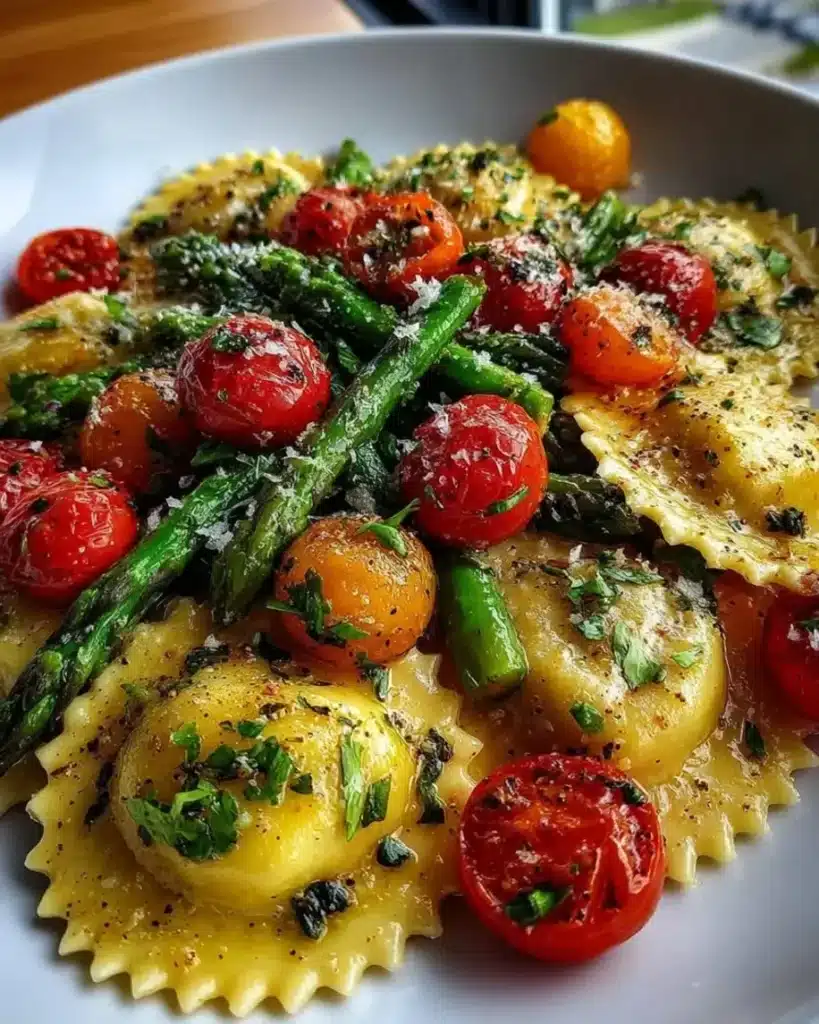
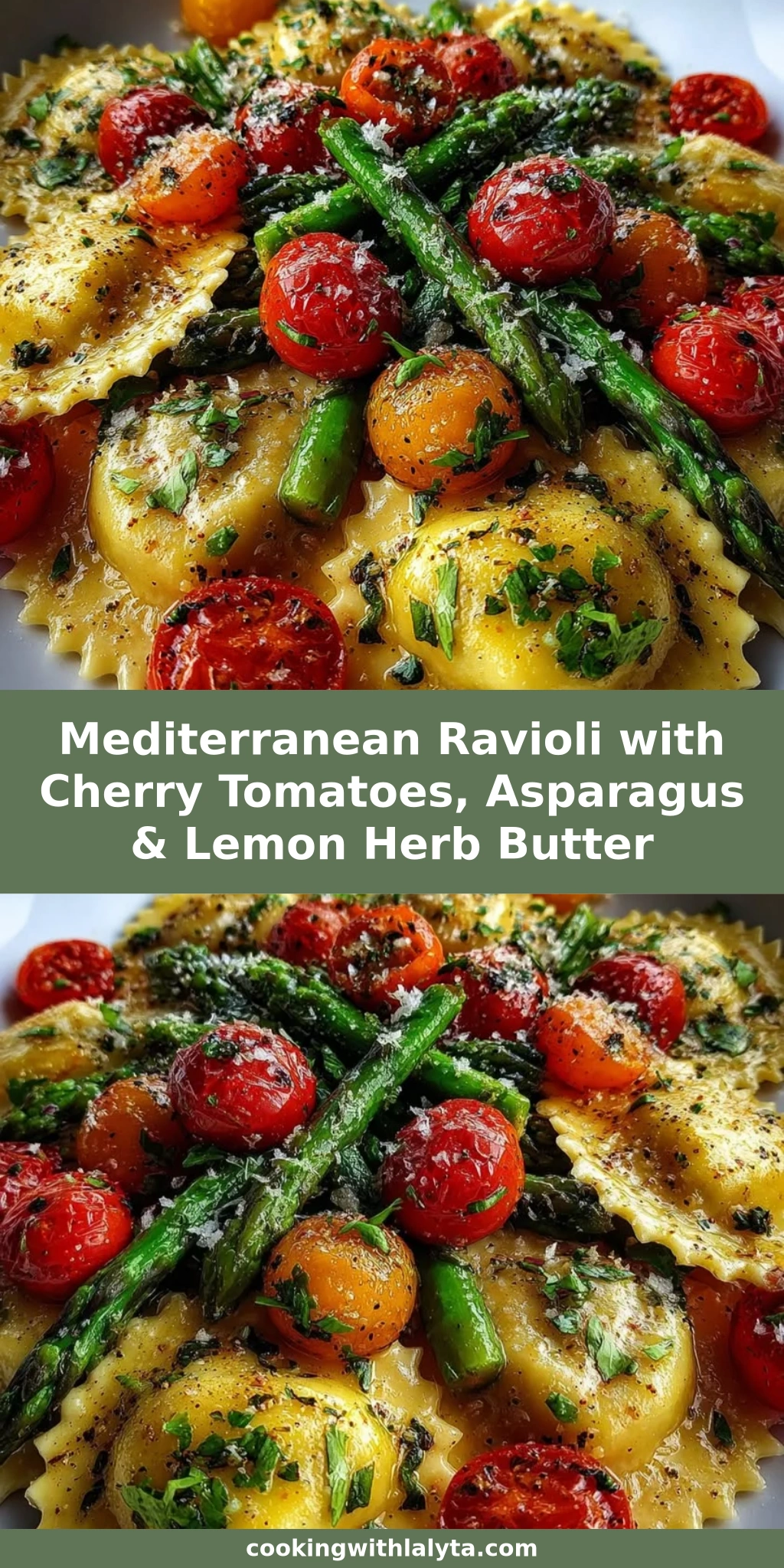
Picture plump cheese ravioli draped in a glossy, lemon‑scented butter sauce, tangled with tender‑crisp asparagus tips and jewel‑like cherry tomatoes just beginning to blister and release their sweet juices. Fresh basil and parsley add a peppery, green bite that cuts right through the richness. The aroma alone—garlic sizzling in butter, lemon zest hitting the pan—is enough to make anyone’s stomach rumble. Each forkful is a little play of textures: the silkiness of the pasta, the pop of the tomatoes, and the satisfying snap of asparagus. It’s the kind of meal that feels effortlessly elegant, yet it comes together faster than you can set the table. I lean on my Paris training here, mounting the butter just so to create an emulsified sauce that clings to every ravioli instead of pooling at the bottom of the plate.
There are plenty of easy ravioli recipes out there, but what makes this one special is the balance of technique and instinct. I’ll walk you through the exact moment to add the butter for a velvety lemon‑herb sauce that never separates, why roasting the vegetables in the same pan builds deeper flavor, and the one common mistake that turns a beautiful Mediterranean ravioli dish into a soggy mess. Stick with me, and you’ll have a restaurant‑worthy spring pasta recipe that feels like a hug from the sun—whether you’re cooking for a weeknight dinner or a sunny Sunday lunch.
Why This Mediterranean Ravioli Recipe Is the Best
The Flavor Secret: It all comes down to the lemon herb butter. Instead of just melting butter with lemon juice, I quickly infuse it with fresh garlic, then finish with bright lemon zest and a handful of just‑chopped basil and parsley off heat. This technique—a trick from my Paris culinary school days—preserves the herbs’ volatile oils and keeps the citrus from turning bitter, so every bite pops with clean, garden‑fresh flavor. The sauce becomes more than a coating; it’s the real star of this Mediterranean ravioli recipe.
Perfected Texture: I treat the vegetables like mini flavor bombs. The asparagus gets a quick sear to stay vibrant and crisp, while the cherry tomatoes are left alone just long enough to caramelize slightly but still hold their shape. That way, you get both the freshness of a spring pasta and the depth that comes from a hot pan. The ravioli themselves are tender and pillowy, never overcooked, because I pull them from the water a full minute before the package suggests—a tiny adjustment that makes all the difference when you toss them in the hot skillet.
Foolproof & Fast: You don’t need any special skills to pull off this easy ravioli recipe. Everything happens in one large skillet (plus a pot for boiling) in about 25 minutes. I’ve designed the method to be forgiving: the vegetables can rest while you build the sauce, the ravioli won’t fall apart if you handle them gently, and my visual cues—like “until the tomatoes just begin to wrinkle”—take the guesswork out of cooking. This is the kind of dish that makes even a Tuesday feel special, and it’s endlessly adaptable to whatever is in your crisper drawer.
Mediterranean Ravioli Ingredients
When I shop for this dish in New York, I like to hit the farmers market for the asparagus and basil—their scent is so much headier than the supermarket bundles. The cheese ravioli I usually pick up fresh from the refrigerated section of my local Italian grocer, but high‑quality frozen works beautifully too (I always keep a bag in the freezer for last‑minute dinners). The rest—butter, lemon, garlic—are permanent residents in my kitchen, taking me back to the simple, ingredient‑forward cooking I grew up with in Morocco, where a single lemon could transform an entire meal.
Ingredients List
- 1 package (16 oz) cheese ravioli
- 1 lb asparagus, trimmed and cut into 2‑inch pieces
- 1 pint cherry tomatoes
- 3 tablespoons butter
- 2 cloves garlic, minced
- 1 lemon (zest and juice)
- 2 tablespoons fresh basil, chopped
- 1 tablespoon fresh parsley, chopped
- Salt and pepper to taste
- Grated Parmesan for serving (optional)
Ingredient Spotlight
Cheese Ravioli: The heart of this Mediterranean ravioli dish. Look for plump ravioli filled with a smooth ricotta or four‑cheese blend—even spinach‑ricotta works if you want extra green. Frozen ravioli is a great pantry backup; just cook it straight from the freezer and add 1–2 minutes to the boiling time. For a dairy‑free version, choose a high‑quality vegan or mushroom‑based ravioli—the lemon herb butter sauce still shines.
Asparagus: I go for medium‑thin stalks that are firm and bright green right up to the tip. Thinner asparagus cooks quickly and stays crisp, which is crucial for balancing the soft ravioli. If you need a substitute, trimmed green beans or even snap peas are lovely; just blanch them before sautéing so they finish with the same tender‑crisp bite.
Cherry Tomatoes: Sweet, juicy, and a little acidic—they burst in the heat and mingle with the butter to create an impromptu light sauce. Any small tomato works: grape tomatoes are a touch sweeter, sun‑dried (packed in oil) add an intense umami punch, though you’ll lose the fresh burst. In winter, I’ll sometimes use grape tomatoes and roast them a minute longer for extra sweetness.
Lemon & Fresh Herbs: The lemon zest drives the citrus perfume while the juice brightens the whole dish without any harsh acidity. Always zest before juicing, and don’t skip the fresh herbs—dried can’t replicate that green, peppery layer. Basil and parsley are my dream team, but chives or even a bit of mint can slip in for a Moroccan twist.
Butter & Garlic: Three tablespoons may seem modest, but combined with the cherry tomato juices it creates a silky, cling‑to‑the‑ravioli emulsion. Salted or unsalted is fine; just adjust seasoning accordingly. For a vegan alternative, a high‑quality plant butter or a fruity extra‑virgin olive oil will do the job beautifully, though the sauce texture will be a bit thinner.
| Original Ingredient | Best Substitution | Flavor / Texture Impact |
|---|---|---|
| Cheese ravioli | Vegan or gluten‑free ravioli | Slightly different filling flavor; same pillowy texture if from quality brand. |
| Asparagus | Green beans or snap peas | Similar crispness; blanch first to maintain bright green color. |
| Cherry tomatoes | Grape tomatoes | Slightly sweeter; same juicy burst. |
| Lemon | Lime + a tiny pinch of citrus zest | Brighter, slightly tropical; reduce juice slightly to avoid overpowering. |
| Butter | Vegan butter or extra‑virgin olive oil | Milder richness with vegan butter; olive oil adds a fruity note, thinner sauce. |
How to Make Mediterranean Ravioli with Cherry Tomatoes, Asparagus & Lemon Herb Butter — Step-by-Step
I promise this comes together seamlessly—you’ll have a vibrant spring pasta on the table in roughly the time it takes to debate whether to open a bottle of white wine (spoiler: you should). Just follow the visual cues and trust your nose.
Step 1: Boil the Ravioli
Bring a large pot of generously salted water to a rolling boil—remember, the water should taste like the sea; this is your one chance to season the pasta from within. Add the 16‑oz package of cheese ravioli and cook according to package directions until al dente, usually 3–4 minutes for fresh or 4–6 minutes for frozen. Drain gently in a colander, drizzle with a tiny splash of olive oil to prevent sticking, and set aside. Reserve about ¼ cup of the starchy pasta water before draining—you likely won’t need it, but it’s a good safety net if your sauce needs loosening later.
⚠️ Common Mistake to Avoid: Under‑salting the pasta water. Ravioli cooked in bland water will taste flat no matter how good your sauce is. Don’t be shy with the salt—it won’t all end up in the pasta.
Step 2: Sauté the Asparagus and Cherry Tomatoes
While the ravioli cook, melt 1 tablespoon of butter in a large skillet over medium‑high heat. Add the trimmed asparagus pieces and whole cherry tomatoes, season with a pinch of salt and a few cracks of black pepper. Let them sit undisturbed for the first 2–3 minutes to get a little char, then shake the pan and cook 3–4 minutes more, until the asparagus is bright green and just tender when pierced with a fork, and the tomatoes start to soften and show small blistered spots. You want the tomatoes to release some juice but still hold their shape—that’s the sweet spot. Transfer the vegetables to a plate and set aside.
💡 Lalybeth’s Pro Tip: Don’t overcrowd the skillet. If your pan is small, work in batches—steamed vegetables won’t develop those lovely caramelized edges that add depth to the dish.
Step 3: Make the Lemon Herb Butter
Turn the heat down to medium and add the remaining 2 tablespoons of butter to the same skillet. Once melted, stir in the minced garlic and cook just until fragrant, about 30 seconds—watch it closely because garlic can burn in an instant. Immediately remove the skillet from the heat. This is when the magic happens: while the pan is still warm but off the flame, add the lemon zest, lemon juice, chopped basil, and parsley. The residual heat will gently “bloom” the herbs and zest, releasing their essential oils without turning them dull or bitter. Swirl or stir with a wooden spoon to form a glossy, loose emulsion.
⚠️ Common Mistake to Avoid: Cooking the garlic too long or over high heat. Burnt garlic tastes acrid and ruins the sauce. The moment you smell it, move the pan off the heat.
Step 4: Combine and Toss
Return the sautéed vegetables and the drained ravioli to the skillet with the lemon herb butter. Place the skillet back over low heat. Using a large spatula or gentle tossing motion, fold everything together until the ravioli are evenly coated and warmed through, about 1–2 minutes. If the mixture seems a little dry, add a splash of that reserved pasta water—the starch will help the sauce cling. Taste and adjust salt, pepper, or lemon juice as needed. Serve immediately in wide bowls, finished with a shower of grated Parmesan if you like.
💡 Lalybeth’s Pro Tip: Use a gentle hand when tossing—ravioli are delicate, especially fresh ones. I like to use a combination of a silicone spatula and a light shake of the pan to keep them intact.
| Step | Action | Duration | Key Visual Cue |
|---|---|---|---|
| 1 | Boil ravioli | 4–6 min | Ravioli float to top and are slightly firm |
| 2 | Sauté vegetables | 5–6 min | Aspargus bright green, tomatoes begin to wrinkle |
| 3 | Build lemon herb butter | 30 sec + off heat | Garlic fragrant, butter fully melted and glossy |
| 4 | Combine and toss | 1–2 min | Everything evenly coated, sauce not pooling |
Serving & Presentation
I like to serve this ravioli with asparagus and cherry tomatoes in wide, shallow bowls so the sauce pools around the pasta rather than drowning it—a trick I picked up during my Paris training where plating is all about showing off the ingredients. A final crack of black pepper, a few small basil leaves, and a gentle snowfall of Parmesan turn it into a dish that looks as fresh as a spring morning. In my New York apartment, I often set the table with a simple green salad and a crusty baguette to mop up every last drop of lemon herb butter.
Pairing this easy ravioli recipe with a crisp white wine is a no‑brainer. The citrus notes in the sauce love a Sauvignon Blanc or a Vermentino, while a sparkling water with a squeeze of lemon keeps things bright for a weeknight. For a side, roasted artichokes or a peppery arugula salad with shaved Parmesan echo the Mediterranean feel. If you’re feeding a crowd, double the recipe and present it on a large platter garnished with lemon slices and fresh herb sprigs—it makes a stunning centerpiece.
| Pairing Type | Suggestions | Why It Works |
|---|---|---|
| Side Dish | Arugula & Parmesan salad, crusty garlic bread | Peppery greens and crunchy bread balance the buttery pasta |
| Sauce / Dip | Extra grated Parmesan, spoonful of pesto | Umami depth that complements the lemon herb brightness |
| Beverage | Sauvignon Blanc, sparkling water with lemon wheel | High acidity cuts through the butter, refreshes palate |
| Garnish | Lemon zest curls, chili flakes, fresh basil leaves | Adds fragrance, a touch of heat, and visual appeal |
Make-Ahead, Storage & Reheating
On a busy New York evening, I’ll often prep ahead by trimming the asparagus, halving the tomatoes, and chopping the herbs earlier in the day—it turns this Mediterranean ravioli into a true 15‑minute meal. The assembled dish is best fresh, but leftovers still have a place in my fridge for a quick next‑day lunch. The key is reheating gently so the ravioli don’t turn to mush.
| Method | Container | Duration | Reheating Tip |
|---|---|---|---|
| Refrigerator | Airtight glass container | Up to 3 days | Reheat in skillet with 1 tbsp water over low heat, covered |
| Freezer | Freezer‑safe bag (ravioli only, separate from sauce) | Raw ravioli up to 1 month | Cook from frozen; add 2 min to boiling time |
| Make-Ahead | Prep vegetables & herbs | Up to 2 days in advance | Store prepped components separately; cook sauce just before serving |
For the loveliest leftovers, I reheat the Mediterranean ravioli in a skillet over low heat with a tiny splash of water or broth. The steam resurrects the sauce and keeps the ravioli from drying out; avoid the microwave, which can make the pasta rubbery. If you find the lemon flavor has faded, a fresh squeeze of lemon and a few torn basil leaves right before serving bring it right back to life. I also sometimes turn the leftovers into a cold pasta salad—just add a drizzle of olive oil and a handful of arugula.
Variations & Easy Swaps
| Variation | Key Change | Best For | Difficulty Impact |
|---|---|---|---|
| Vegan / Dairy‑Free | Use vegan ravioli, plant butter, skip Parmesan | Plant‑based guests | Same easy level |
| Gluten‑Free | Swap in gluten‑free ravioli (check label) | Gluten‑sensitive eaters | Same, but handle GF pasta more gently |
| Protein Boost | Add sautéed shrimp or shredded rotisserie chicken | Hungrier appetites | Adds one extra pan step |
| Moroccan Twist | Add preserved lemon, a pinch of cumin, and fresh mint | An aromatic, North African flair | Easy, just adjust spices to taste |
Vegan / Dairy‑Free Version
I’ve tested this with a good vegan butter (I like Miyoko’s) and a spinach‑mushroom vegan ravioli, and the result is stunning. The lemon and herbs still carry the dish beautifully, and the vegan butter creates a smooth emulsion if you add it off heat just like the dairy version. A drizzle of fruity olive oil at the end adds richness, and toasted pine nuts on top replace the Parmesan nicely. This is one of those easy ravioli recipes that doesn’t sacrifice flavor for dietary needs.
Gluten‑Free Version
When cooking for gluten‑free friends, I reach for frozen gluten‑free ravioli—the texture holds up well and they don’t fall apart as easily as some fresh GF pastas. Just be extra gentle when tossing, and use a wide spatula. The rest of the ingredients are naturally gluten‑free, so no other swaps are necessary. You’ll get the same bright, springy Mediterranean ravioli, just with a slightly different chew. If you’re celiac, always double‑check that your Parmesan is truly gluten‑free (most are, but it’s worth verifying).
Moroccan Twist
This variation is a little tribute to my mother’s kitchen. I add a finely chopped preserved lemon rind and a whisper of ground cumin to the butter when it melts. Then I finish with fresh mint instead of basil—it transports the dish straight to the souks of Marrakech. The preserved lemon adds an addictive salty, fermented punch, while the cumin adds warmth. Serve with a dollop of harissa on the side for those who like a bit of fire. It’s a reminder that Mediterranean ravioli can travel far beyond Italy’s borders.
Can I use frozen ravioli for Mediterranean Ravioli with Cherry Tomatoes, Asparagus & Lemon Herb Butter?
Absolutely. Frozen cheese ravioli is one of my favorite weeknight shortcuts. Just cook it directly from the freezer in well‑salted boiling water, adding 1–2 extra minutes to the package time since the pasta is starting cold. Gently stir once or twice to prevent sticking. The texture will be slightly firmer than fresh, but once it’s tossed in the lemon herb butter, it becomes just as luscious. I always keep a bag of high‑quality frozen ravioli on hand for last‑minute dinners; it turns this into a pantry‑friendly Mediterranean ravioli that still tastes fresh and vibrant.
What can I substitute for asparagus in this Mediterranean ravioli recipe?
When asparagus is out of season or just not your thing, I love using trimmed green beans or sugar snap peas. Both offer that satisfying crisp‑tender bite and a bright green color that keeps the dish looking and tasting like spring. If using green beans, blanch them for 2 minutes in boiling water before adding to the skillet so they soften slightly. Broccolini is another beautiful option—cut into florets and sautéed until charred at the edges. Even zucchini ribbons can work in a pinch; add them in the last 2 minutes to avoid mushiness. Each swap slightly shifts the flavor, but the lemon herb butter ties it all together seamlessly.
How do I keep the ravioli from getting soggy when mixing with the lemon herb butter?
The biggest culprit is overcooking the ravioli initially. I pull them from the water when they’re just al dente—still with a little bite—because they’ll soften further when tossed in the hot pan. Draining them well and letting them sit for 30 seconds in the colander releases steam. When combining, keep the heat low and use a gentle folding motion rather than aggressive stirring. A splash of starchy pasta water helps the sauce emulsify without making the dish watery. Finally, serve immediately; ravioli sitting in sauce will absorb moisture over time. Follow these steps, and you’ll have perfectly coated, never‑soggy Mediterranean ravioli.
Is it possible to make this Mediterranean ravioli dish dairy‑free or vegan?
Yes, and it’s incredibly delicious—I’ve made it both ways many times. Choose a dairy‑free ravioli (spinach‑mushroom or vegan cheese) and swap the butter for a high‑quality vegan butter or a mild extra‑virgin olive oil. The olive oil version gives a lighter, fruitier sauce, while vegan butter mimics the richness of dairy butter well. Skip the Parmesan or use a vegan alternative. The lemon and fresh herbs still shine, so you won’t miss a thing. For a fully vegan Mediterranean ravioli, check that your ravioli doesn’t contain egg—many fresh ones do, but frozen vegan options are widely available.
Can I make this recipe ahead of time for a dinner party?
You can partially prep it. I like to trim and cut the asparagus, halve the tomatoes, and chop the herbs up to a day in advance—store them separately in the fridge. The lemon herb butter comes together so fast that cooking it live makes the best impression. If you need to get a head start, boil the ravioli and shock them in ice water, then toss with a little oil and refrigerate; they can be warmed directly in the skillet with the sauce. The vegetables are best sautéed à la minute to keep their texture. With this prep, you’ll have a stunning Mediterranean ravioli on the table in under 10 minutes when guests arrive.
What wine pairs best with lemon herb butter ravioli?
A crisp, unoaked white is perfect. My top choice is a Sauvignon Blanc from New Zealand or Sancerre—its herbal, citrusy notes mirror the lemon and basil beautifully. Vermentino or an Italian Pinot Grigio also work, offering bright acidity that cuts through the butter without overwhelming the delicate pasta. If you prefer red, a light, chilled Beaujolais can be a surprising match. For a non‑alcoholic option, sparkling water with a squeeze of fresh lemon and a sprig of mint echoes the dish’s freshness. The key is to avoid heavy, oaky wines that would clash with the vibrant flavors of this Mediterranean ravioli.
Can I use dried herbs instead of fresh in this recipe?
I strongly recommend using fresh basil and parsley for this particular dish—dried herbs simply can’t deliver the same bright, grassy, aromatic lift. The sauce relies on the volatile oils in fresh herbs that release just when you add them off heat. If you’re in a pinch, you can use a teaspoon of dried basil and a teaspoon of dried parsley, but the result will be more muted and earthy. To still get some freshness, add a handful of fresh chives or even arugula at the end. Trust me, the vibrant pop of fresh herbs is what makes this easy ravioli recipe sing.
How do I store and reheat leftovers without drying out the ravioli?
Store leftover Mediterranean ravioli in an airtight container in the fridge for up to 3 days. To reheat, place it in a skillet over low heat with a splash of water or vegetable broth—the steam gently revives the sauce and keeps the pasta tender. Cover the skillet for the first minute to trap moisture, then uncover and toss until heated through. Avoid the microwave, which can make the ravioli rubbery and the butter separate. Give the dish a final squeeze of fresh lemon and a scatter of fresh basil to wake up the flavors, and it’ll taste almost as good as day one.
Share Your Version!
I genuinely adore seeing how you make this recipe your own—maybe you toss in a handful of spinach, add grilled shrimp, or give it that Moroccan twist with preserved lemon. When the seasons shift at the Union Square market, I’m always experimenting, and I’d love to see your seasonal swaps. Drop a star rating and a comment below to let me know how it turned out, and don’t forget to share a photo on Instagram or Pinterest tagging @cookingwithlalyta—I repost my favorites in my stories and it makes my day.
Which flavor variation are you most excited to try? The vegan version with toasted pine nuts, or maybe my mom’s preserved lemon twist? Tell me in the comments—I read every single one and often add your brilliant ideas to my own kitchen rotation.
From my NYC kitchen to yours — I hope this recipe brings as much warmth to your table as it does to mine. — Lalybeth 🧡
Love This Recipe? Save It to Pinterest!
If you enjoyed this Mediterranean Ravioli with Cherry Tomatoes, Asparagus & Lemon Herb Butter recipe, don’t let it get lost in your browser tabs! 😄 Pin it now so you can find it again anytime — and explore hundreds more tried-and-tested recipes waiting for you on my Pinterest boards.
👉 Follow Lalybeth on Pinterest @cookingwithlalyta
📌 Pin this recipe · 🔁 Re-pin your favorites · 💬 Tag me when you make it — I love seeing your creations!
What’s your favorite quick spring pasta? Have you given this Mediterranean ravioli your own twist? I’d love to hear about it!
Leave a comment below or tag @cookingwithlalyta on Instagram with your creation. Your kitchen adventures inspire me every day. 💚
Mediterranean Ravioli with Cherry Tomatoes, Asparagus & Lemon Herb Butter
- Total Time: 25 minutes
- Yield: 4 1x
Description
A light and flavorful pasta dish featuring cheese ravioli tossed with roasted cherry tomatoes, asparagus, and a zesty lemon herb butter sauce. Perfect for spring and summer.
Ingredients
- 1 package (16 oz) cheese ravioli
- 1 lb asparagus, trimmed and cut into 2-inch pieces
- 1 pint cherry tomatoes
- 3 tablespoons butter
- 2 cloves garlic, minced
- 1 lemon (zest and juice)
- 2 tablespoons fresh basil, chopped
- 1 tablespoon fresh parsley, chopped
- Salt and pepper to taste
- Grated Parmesan for serving (optional)
Instructions
- 1. Bring a large pot of salted water to a boil. Cook ravioli according to package directions until al dente. Drain and set aside.
- 2. Meanwhile, in a large skillet over medium-high heat, melt 1 tablespoon butter. Add asparagus and cherry tomatoes, season with salt and pepper. Cook until asparagus is tender-crisp and tomatoes start to blister, about 5-6 minutes.
- 3. Remove vegetables from skillet. Add remaining 2 tablespoons butter and garlic to skillet. Cook until fragrant, about 30 seconds.
- 4. Return vegetables and ravioli to skillet. Add lemon zest, lemon juice, basil, and parsley. Toss gently to coat. Serve immediately with Parmesan if desired.
Notes
For a vegan version, use vegan ravioli and substitute butter with vegan butter or olive oil.
- Prep Time: 10 minutes
- Cook Time: 15 minutes
- Method: Main Course
- Cuisine: Mediterranean
Nutrition
- Calories: 450
- Sugar: 5g
- Fat: 20g
- Carbohydrates: 55g
- Protein: 15g
Tried This Recipe? Leave a Comment!
Did you make this recipe? I’d love to hear how it turned out! Please leave a comment and a rating below. Your feedback helps other home cooks and supports cookingwithlalyta.com!
For more delicious inspiration, follow me on Pinterest!