Table of Contents
Roasted Beets and Sweet Potatoes with Feta and Cilantro — A Moroccan-French Twist on a Classic Side Dish
If there’s one thing I learned standing beside my mother in her warm Moroccan kitchen, it’s that the most humble vegetables can become the star of the table with just a little love and the right technique. This roasted beets and sweet potatoes recipe is exactly that — a vibrant, deeply satisfying side dish that brings together the earthy sweetness of beets, the creamy caramelized edges of sweet potatoes, and the salty brightness of feta and cilantro. It’s a dish I’ve refined over the years, from my culinary school days in Paris to my busy life here in New York City, and every time I pull a sheet pan of these jewel-toned roasted vegetables from the oven, I feel that same quiet joy I did as a girl watching my mother coax magic from simple ingredients. This is more than just a roasted beet sweet potato recipe; it’s a celebration of color, flavor, and the beauty of real food.
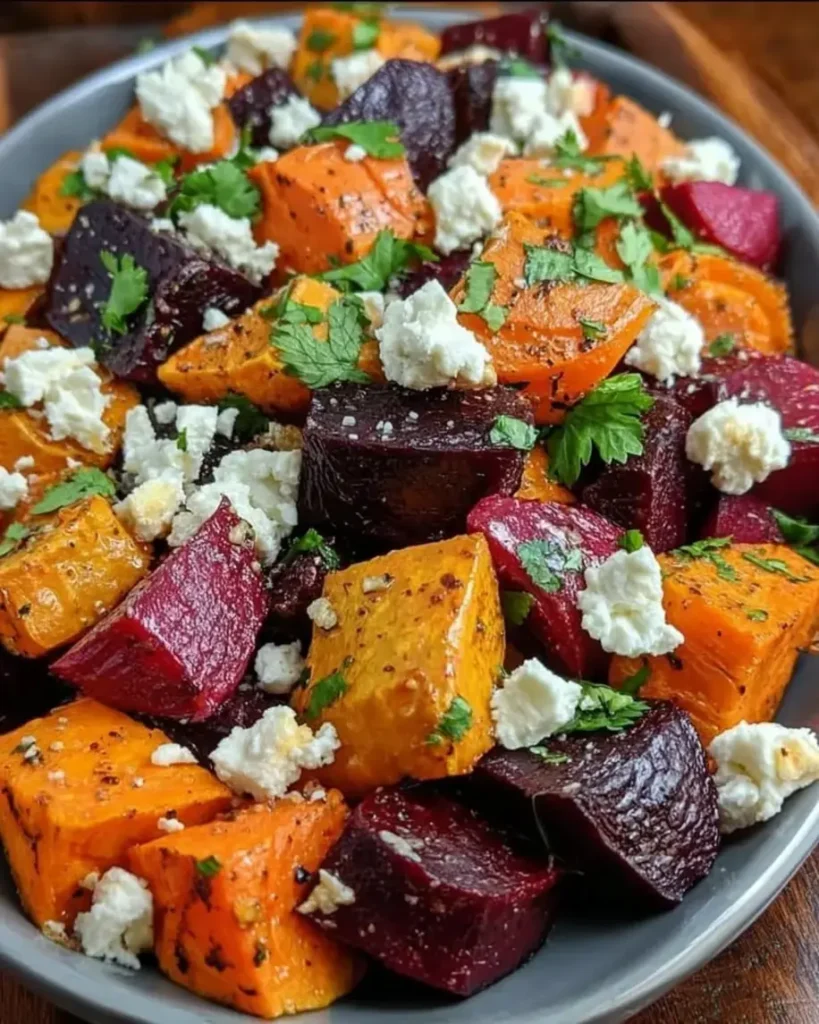
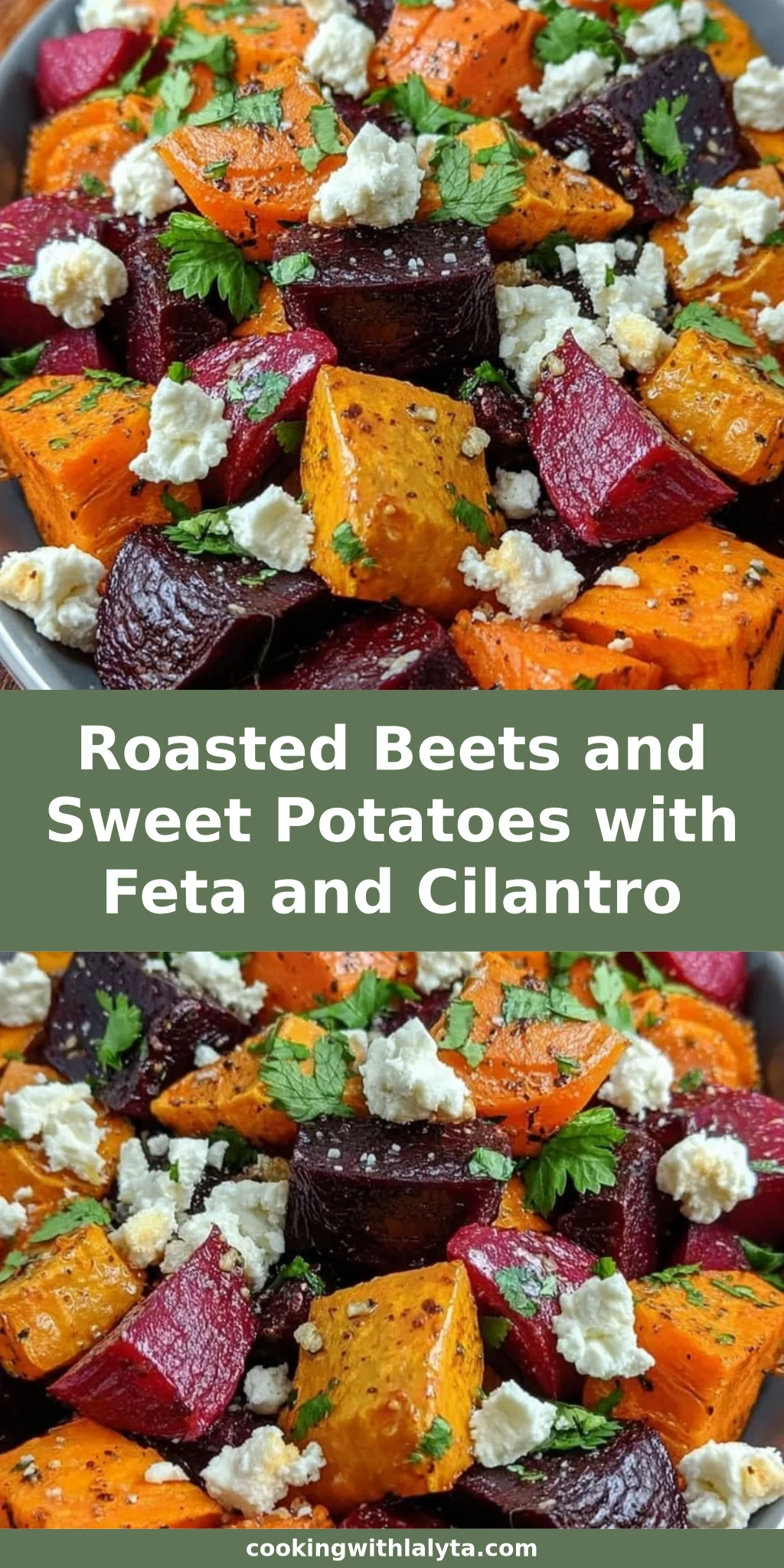
Picture this: chunks of ruby-red beets and golden-orange sweet potatoes, glistening with olive oil, their edges just beginning to char and crisp in the high heat of the oven. The aroma is intoxicating — sweet and savory, with a hint of caramelization that reminds me of the roasted vegetable stalls at the Marché Bastille in Paris. When you take that first bite, the beets are tender and almost jammy, the sweet potatoes are soft and creamy, and the crumbled feta melts ever so slightly into the warm vegetables, creating pockets of salty tang. The fresh cilantro — a nod to my Moroccan roots — cuts through the richness like a burst of green freshness. And if you drizzle just a touch of balsamic glaze over the top, it deepens everything into something truly unforgettable. This is what I call an easy roasted vegetables with feta dish that tastes like you spent hours, when really the oven does most of the work.
Over the years, I’ve tested this beet sweet potato feta combination dozens of times — tweaking the oven temperature, experimenting with different herbs, even trying it with goat cheese instead (which works beautifully, by the way — more on that later). What I’ve landed on is a foolproof method that gives you perfectly roasted vegetables every single time, with no mushy beets and no burnt sweet potatoes. The secret lies in cutting everything to the same size, roasting at a high 425°F, and — here’s the real game-changer — not overcrowding the pan. I’ll walk you through every step, including a crucial resting technique I picked up in a Parisian bistro kitchen that ensures the vegetables stay perfectly textured. Plus, I’ll share the one mistake even experienced home cooks make with this dish, so you can avoid it altogether. Whether you’re looking for a stunning roasted beets and sweet potatoes side dish for Thanksgiving or a healthy weeknight dinner companion, this recipe is about to become your new go-to.
Why This Roasted Beets and Sweet Potatoes Recipe Is the Best
The Flavor Secret: What sets this roasted beets and sweet potatoes recipe apart is the way I layer flavors from two culinary traditions I hold dear — the bold, aromatic spices of Morocco and the elegant restraint of French cooking. Instead of just tossing the vegetables with oil and salt, I encourage you to add a whisper of smoked paprika or cumin before roasting, a trick my mother used to wake up the natural sweetness of root vegetables. Then, right after the vegetables emerge from the oven, still steaming and glistening, they meet the cool, briny feta and the bright, citrusy notes of fresh cilantro. It’s that contrast — hot and cold, sweet and salty, earthy and fresh — that makes each bite dance on your tongue. This isn’t just another roasted beet sweet potato recipe; it’s a dish with soul, one that tells a story of two continents on a single platter.
Perfected Texture: During my training at culinary school in Paris, my chef instructor drilled into us one principle I’ve never forgotten: “Respect the vegetable.” For this dish, that means understanding that beets and sweet potatoes have different densities and moisture levels. Beets are denser and take slightly longer to become tender, while sweet potatoes can turn mushy if overcooked. I solved this puzzle by cutting both into uniform 1-inch chunks — the ideal size where they cook at nearly the same rate at 425°F. The high heat caramelizes the natural sugars without steaming the vegetables, giving you those irresistible crispy edges while keeping the insides tender. And here’s a trick I learned in that Paris kitchen: let the roasted vegetables rest on the hot baking sheet for 5 minutes after pulling them from the oven. This allows the exteriors to set and firm up slightly, so you don’t end up with a pile of soft vegetables when you transfer them to the platter. It’s a tiny step that makes a world of difference in your final beet sweet potato feta dish.
Foolproof & Fast: I know life in New York City moves at a relentless pace — trust me, between recipe testing, farmers market runs, and the general chaos of this city, I need recipes that deliver big on flavor without demanding hours of my time. This easy roasted vegetables with feta recipe is exactly that. You’re looking at 15 minutes of hands-on prep, and then the oven takes over. There’s no par-boiling, no complicated peeling techniques, and no special equipment beyond a rimmed baking sheet and a sharp knife. Even if you’ve never roasted vegetables before, you’ll nail this on your first try. I’ve designed it to be forgiving — a few extra minutes in the oven just means deeper caramelization, not disaster. And because it’s so straightforward, it’s an ideal roasted beets and sweet potatoes side dish for busy holiday meals when you need to focus on the main course but still want something impressive on the table. One sheet pan, a handful of ingredients, and you’re done. That’s my kind of recipe.
Roasted Beets and Sweet Potatoes Ingredients
Every time I walk through the Union Square Greenmarket here in NYC, I’m drawn to the piles of jewel-toned beets and knobby sweet potatoes, still carrying a dusting of soil from the farm. There’s something so grounding about choosing these humble root vegetables — it connects me to the markets of my childhood in Morocco, where vendors would proudly display their produce like precious gems. For this recipe, I keep the ingredient list intentionally short so each flavor shines. The beets bring an earthy sweetness, the sweet potatoes a creamy caramel quality, the feta a salty tang, and the cilantro a fresh brightness that ties everything together. A whisper of olive oil, a sprinkle of salt and pepper, and an optional drizzle of balsamic glaze — that’s all it takes to create a dish that feels both rustic and refined, perfect for your holiday table or a simple Tuesday night supper.
Ingredients List
- 2 medium beets, peeled and cut into 1-inch chunks
- 2 medium sweet potatoes, peeled and cut into 1-inch chunks
- 3 tablespoons olive oil
- 1 teaspoon kosher salt
- 1/2 teaspoon black pepper
- 1/2 cup crumbled feta cheese
- 1/4 cup fresh cilantro, chopped
- Optional: 1 tablespoon balsamic glaze for drizzling
Ingredient Spotlight
Beets: These ruby gems are the heart of the dish, bringing a deep, sweet earthiness and that stunning magenta hue. At your local grocery store, look for beets that are firm and heavy for their size, with smooth skin and fresh-looking greens if they’re still attached — those greens should be crisp and vibrant, a sign the beets were recently harvested. Avoid any that are soft, wrinkled, or have soft spots. One question I get all the time is whether you can use golden beets instead of red ones, and the answer is absolutely yes — they’re slightly milder and less earthy, and they won’t stain your hands (or the sweet potatoes) pink. The texture is nearly identical, so swap freely based on what looks freshest.
Sweet Potatoes: I reach for the classic orange-fleshed sweet potatoes — often labeled as “yams” in US grocery stores, even though they’re technically sweet potatoes — because their creamy texture and natural sweetness balance the earthiness of the beets perfectly. Choose medium-sized ones that feel heavy and have smooth, unblemished skin. If you’re tempted to grab the bag of pre-cut sweet potato chunks to save time, I get it — but I’d gently encourage you to take the extra few minutes to peel and cut them yourself. Pre-cut vegetables often dry out in the bag, and they’re rarely the uniform size we need for even roasting. A sharp chef’s knife and a stable cutting board make quick work of this step.
Feta Cheese: This is where the magic happens — those tangy, salty crumbles that soften just slightly against the warm roasted vegetables. I always buy feta packed in brine rather than the pre-crumbled dry stuff in plastic tubs. The brine keeps the feta moist, creamy, and full of flavor. If you can find it, look for authentic Greek feta made with sheep’s milk (or a blend of sheep and goat milk) — it has a richer, more complex taste than cow’s milk versions. Crumble it yourself right before serving for the best texture. And yes, if you need a substitution, a good quality goat cheese works beautifully, bringing a similar tang but a slightly creamier, spreadable texture.
Fresh Cilantro: This herb is a love letter to my Moroccan roots, where cilantro is used with abandon in everything from salads to tagines. Its bright, slightly citrusy flavor lifts the roasted vegetables and prevents the dish from feeling heavy. If you’re one of those people who tastes soap when you eat cilantro (I see you!), don’t worry — I’ve got you covered. Flat-leaf Italian parsley makes a wonderful substitute and brings a similarly fresh, green note without the polarizing edge. You could also use fresh mint for a completely different but equally lovely twist that’s also common in Moroccan cooking.
Olive Oil & Balsamic Glaze: The olive oil is your vehicle for even roasting — it helps the vegetables brown and caramelize rather than just dry out in the oven. Use a good everyday extra-virgin olive oil, not your most expensive finishing oil. The balsamic glaze, while optional, adds a gorgeous sweet-tart finish that amplifies everything. You can buy balsamic glaze (often labeled as “balsamic reduction”) at most grocery stores, or make your own by simmering regular balsamic vinegar until it thickens to a syrupy consistency.
| Original Ingredient | Best Substitution | Flavor / Texture Impact |
|---|---|---|
| Red Beets | Golden Beets | Milder, less earthy; no pink bleeding. Similar texture. |
| Sweet Potatoes | Butternut Squash | Slightly firmer, nuttier sweetness. Roasting time similar. |
| Feta Cheese | Goat Cheese (Chèvre) | Creamier, tangier, less salty. Spreads more than crumbles. |
| Fresh Cilantro | Flat-Leaf Parsley or Fresh Mint | Parsley is milder and grassy; mint is cooler and brighter. |
How to Make Roasted Beets and Sweet Potatoes with Feta and Cilantro — Step-by-Step
I promise you, this recipe is as simple as it is stunning. I’ve broken it down into clear steps so you can move through them with confidence, whether you’re a seasoned cook or just starting your kitchen journey. Take your time with the cutting — uniform pieces are the key to even roasting — and trust your oven. Let’s get started.
Step 1: Preheat the Oven
Preheat your oven to 425°F (220°C). Line a rimmed baking sheet with parchment paper for easy cleanup and to prevent sticking. I know it’s tempting to skip the parchment, but trust me — those roasted beet juices can caramelize into a sticky mess that takes serious scrubbing to remove. The parchment also helps the vegetables brown more evenly without burning.
💡 Lalybeth’s Pro Tip: Place your baking sheet in the oven while it preheats. When you spread the vegetables on the hot pan, they’ll start sizzling and caramelizing immediately — this is a restaurant trick that gives you extra-crispy edges.
Step 2: Toss the Vegetables with Olive Oil and Seasonings
In a large bowl, combine the 1-inch beet and sweet potato chunks with 3 tablespoons of olive oil, 1 teaspoon of kosher salt, and 1/2 teaspoon of black pepper. Use your hands or a large spoon to toss everything together until each piece is evenly coated with the oil and seasonings. Make sure you don’t see any dry spots — those areas won’t brown properly and will taste flat. At this point, if you’re adding the optional smoked paprika or cumin I mentioned earlier, now’s the time to toss it in — about 1/2 teaspoon of either spice works beautifully here.
⚠️ Common Mistake to Avoid: Tossing the beets and sweet potatoes separately. I know some recipes advise this to prevent the beets from staining the sweet potatoes, but honestly, the color mingling is part of the dish’s charm — those blush-pink edges on the sweet potatoes are gorgeous. The real key to preventing excessive bleeding is high heat and not overcrowding, not separating them.
Step 3: Spread on the Baking Sheet in a Single Layer
Spread the seasoned vegetables evenly across the prepared baking sheet, arranging them in a single layer with just a little breathing room between each piece. Overcrowding is the enemy of browning — when vegetables are packed too tightly, they steam instead of roast, and you’ll end up with soft, pale chunks instead of deeply caramelized ones. If your baking sheet feels crowded, use two sheets instead. The extra sheet pan to wash is worth it for that golden, crispy exterior.
💡 Lalybeth’s Pro Tip: After spreading the vegetables, give them a quick final sprinkle of salt — just a pinch. As they roast and lose moisture, the flavors concentrate, and having salt on the surface helps create that addictive savory crust.
Step 4: Roast for 35–40 Minutes, Stirring Halfway
Place the baking sheet in the preheated oven and roast for 35 to 40 minutes. Set a timer for the 18-minute mark to give the vegetables a stir — use a spatula to flip and redistribute them so all sides have a chance to brown against the hot pan. Depending on your oven and the exact size of your chunks, you may need the full 40 minutes or even 42–43 minutes. You’re looking for fork-tender pieces with deeply caramelized, almost blistered edges. The sweet potatoes should be golden brown in spots, and the beets should look slightly wrinkled and intensely colored. If you pierce a piece with a fork and it slides in easily with no resistance, they’re ready.
⚠️ Common Mistake to Avoid: Opening the oven door too often. I know it’s tempting to check every 5 minutes, but every time you open that door, the temperature drops and extends the cooking time. Trust the process and only open the oven at the halfway stir mark and then again toward the end to check for doneness.
Step 5: Let Cool Slightly on the Pan
Remove the baking sheet from the oven and let the roasted vegetables cool on the pan for about 5 minutes. This resting period is crucial — it allows the exteriors to firm up slightly so they don’t fall apart when you transfer them, and it gives the sugars a moment to set, intensifying the caramelized flavor. If you try to move them straight from the oven to the platter, they’ll be more fragile and prone to crumbling. Patience, as my Parisian chef instructor used to say, is a quiet ingredient in every great dish.
💡 Lalybeth’s Pro Tip: While the vegetables rest, prepare your feta and cilantro. Having everything ready to go means the vegetables are still warmly inviting when you serve them — not piping hot, but just warm enough to gently soften the feta.
Step 6: Transfer to a Platter and Top with Feta and Cilantro
Carefully transfer the roasted vegetables to a serving platter, spreading them in an even layer. Immediately sprinkle the crumbled feta cheese evenly over the top — the residual warmth will soften the cheese just enough to make it creamy without melting it into a puddle. Then scatter the freshly chopped cilantro over everything. The contrast of hot vegetables, cool feta, and fresh herbs is what makes this dish so irresistible. If you’re making this ahead, wait to add the feta and cilantro until just before serving so they stay vibrant and distinct.
⚠️ Common Mistake to Avoid: Adding the feta and cilantro while the vegetables are still scalding hot. This causes the feta to melt and the cilantro to wilt and lose its bright flavor. The 5-minute cooling step prevents this, giving you perfectly defined cheese crumbles and fresh, perky herbs.
Step 7: Drizzle with Balsamic Glaze (Optional but Gorgeous)
If you’re using balsamic glaze, drizzle it over the finished dish in a thin, artistic zigzag. The dark, glossy syrup adds a beautiful visual contrast against the jewel-toned vegetables and brings a sweet-tart note that ties the whole dish together. This step is optional, but I find it particularly lovely for holiday tables or dinner parties when you want that extra wow factor. If you don’t have balsamic glaze on hand, a squeeze of fresh lemon juice can provide a similar brightness, though it won’t have the same sweetness or visual impact.
💡 Lalybeth’s Pro Tip: To make the balsamic glaze drizzle look professional, use a small spoon and move your hand in a fluid, sweeping motion from about 6 inches above the platter. Or pour the glaze into a small zip-top bag, snip off a tiny corner, and use it as a piping bag — this gives you the most control and the prettiest lines.
| Step | Action | Duration | Key Visual Cue |
|---|---|---|---|
| 1. Preheat | Heat oven to 425°F; line baking sheet | 5 min | Oven indicator light off or beep |
| 2. Toss | Coat vegetables with oil, salt, pepper | 3 min | Every piece glossy, no dry spots |
| 3. Spread | Arrange in single layer on baking sheet | 2 min | Pieces with breathing room between them |
| 4. Roast | Bake at 425°F, stir at 18 min | 35–40 min | Fork-tender, deeply caramelized edges |
| 5. Cool | Rest on pan off heat | 5 min | Vegetables firm up slightly, stop steaming |
| 6. Assemble | Transfer to platter, add feta & cilantro | 2 min | Feta softens gently, herbs stay bright |
| 7. Drizzle | Optional balsamic glaze finish | 30 sec | Thin, artistic zigzag over the top |
Serving & Presentation
When it comes to presenting this dish, I like to let the colors do the talking. Choose a wide, shallow platter — white or pale cream works beautifully because it makes the ruby beets and orange sweet potatoes pop like edible jewels. Spread the roasted vegetables in a loose, casual layer rather than a rigid arrangement; this is rustic, homey food, and it should look that way. Then scatter the feta crumbles generously over the top, letting some fall between the cracks. The fresh cilantro goes on last, sprinkled with a light hand so it looks like a confetti of green. If you’re using the balsamic glaze, drizzle it in a zigzag pattern across the entire dish — don’t worry about perfection, the slightly uneven lines are part of the charm.
This roasted beets and sweet potatoes side dish is incredibly versatile and pairs well with a wide range of main courses. During the holidays, I serve it alongside a simple roast chicken or a slow-cooked leg of lamb — the sweetness of the vegetables is a natural companion to savory, herb-crusted meats. For weeknight dinners, it’s wonderful next to pan-seared salmon or a simple lemony quinoa bowl. And for my Moroccan-inspired meals, I’ll sometimes add a side of harissa yogurt or a sprinkle of toasted almonds and serve it with warm pita — it takes me right back to my mother’s kitchen. In warmer months, try it at room temperature as part of a mezze-style spread with hummus, olives, and crusty bread. The leftovers are also divine tossed with arugula and a squeeze of lemon for a next-day lunch salad.
| Pairing Type | Suggestions | Why It Works |
|---|---|---|
| Main Protein | Roast chicken, lamb chops, seared salmon | The sweet-savory vegetables complement rich, savory meats perfectly. |
| Sauce / Dip | Harissa yogurt, lemon-tahini dressing, tzatziki | Creamy, tangy sauces balance the caramelized sweetness and add another layer of flavor. |
| Beverage | Pinot Noir, Sauvignon Blanc, sparkling water with lemon | Light reds or crisp whites echo the dish’s earthiness without overwhelming it. |
| Garnish | Toasted almonds, pomegranate seeds, lemon zest | Crunch, pops of color, and brightness elevate the presentation and texture. |
Make-Ahead, Storage & Reheating
In my bustling NYC life, meal prep is often the difference between a nourishing home-cooked dinner and grabbing something less thoughtful on the go. This roasted beets and sweet potatoes dish is a meal-prep hero — you can roast the vegetables up to two days ahead, stash them in the fridge, and then simply reheat and garnish when you’re ready to serve. I’ve done this countless times for dinner parties and busy weeknight meals alike. The key is to store the roasted vegetables separately from the feta and cilantro, adding those fresh elements only after reheating. This way, the vegetables stay beautifully caramelized and the toppings remain vibrant. Below is my detailed guide to storing and reheating so nothing goes to waste.
| Method | Container | Duration | Reheating Tip |
|---|---|---|---|
| Refrigerator | Airtight glass container | Up to 4 days | Spread on baking sheet, reheat at 350°F for 8–10 minutes until warmed through. |
| Freezer | Freezer-safe zip-top bag, air removed | Up to 3 months | Thaw overnight in fridge, reheat from frozen at 350°F for 15–18 minutes. |
| Make-Ahead | Airtight container, vegetables only | Up to 2 days ahead | Reheat gently, then add feta and cilantro just before serving. |
Let me share a little trick I learned during my time in Paris that makes reheated roasted vegetables taste almost as good as fresh-from-the-oven. Instead of using the microwave — which can turn those beautifully caramelized edges disappointingly soft — I always reheat them in a hot oven or, even better, in a skillet on the stovetop. For the oven method, spread the vegetables in a single layer on a baking sheet and pop them into a 350°F oven for about 8 to 10 minutes. If I’m in a hurry, I’ll toss them in a hot non-stick skillet with just a tiny drizzle of olive oil and let them crisp up over medium-high heat, stirring occasionally, for about 3 to 4 minutes. Either way, you’re waking up those caramelized sugars and bringing back that irresistible texture. Just remember: always add the feta and cilantro after reheating, never before.
One more note on freezing — I’ll be honest, the texture of the vegetables does change slightly after freezing and thawing. They become a bit softer and lose some of that crisp edge. That said, they’re still delicious and absolutely worth saving. I actually love using thawed frozen roasted beets and sweet potatoes in other dishes — toss them into a warm grain bowl with quinoa and arugula, blend them into a roasted vegetable soup with some vegetable broth, or mash them slightly and spread them on toast with a poached egg on top. Waste not, as my mother always said in our Moroccan kitchen — every leftover is an opportunity for a new creation.
Variations & Easy Swaps
One of the things I love most about this recipe is how adaptable it is. Over the years, I’ve played with countless variations depending on what’s in season at the Union Square Greenmarket, what I have in my pantry, and what dietary needs my friends and family bring to the table. Below are three of my favorite twists, each one tested and approved in my NYC kitchen. Feel free to use these as starting points and make the recipe your own — that’s what cooking is all about.
| Variation | Key Change | Best For | Difficulty Impact |
|---|---|---|---|
| Moroccan Spiced | Add ras el hanout, cumin, and toasted almonds | Warming, aromatic dinners; tagine pairings | No change — same method |
| Dairy-Free / Vegan | Replace feta with lemon-tahini drizzle | Vegan meals; dairy-free diets | Slightly easier — no cheese |
| Seasonal Fall Harvest | Swap cilantro for sage, add roasted carrots and parsnips | Thanksgiving, autumn gatherings | Minimal change — more chopping |
Moroccan Spiced Roasted Beets and Sweet Potatoes
This variation is a direct homage to my mother’s kitchen in Morocco, where the warm, heady scent of spices like cumin, cinnamon, and ras el hanout filled the air on cooking days. To make it, simply add 1 teaspoon of ras el hanout and 1/2 teaspoon of ground cumin to the olive oil mixture when you toss the vegetables in Step 2. The spices bloom in the hot oven, wrapping each chunk of beet and sweet potato in a fragrant, slightly smoky coating that is deeply comforting and totally transporting. Instead of cilantro, I like to use a mix of fresh parsley and mint for a more Moroccan-accurate herb finish, and I scatter a handful of toasted sliced almonds over the top for crunch. Serve this version alongside a slow-braised lamb tagine or, for a vegetarian feast, with couscous and a dollop of harissa-spiked yogurt. Every time I make it, I’m right back in my mother’s kitchen, learning the rhythms of North African cooking.
Dairy-Free / Vegan Roasted Beets and Sweet Potatoes
For my dairy-free and vegan friends, this dish is incredibly easy to adapt without losing any of its magic. Instead of the feta cheese, I whip up a quick lemon-tahini drizzle that brings a similar creamy, tangy element: whisk together 3 tablespoons of tahini, 2 tablespoons of fresh lemon juice, 1 tablespoon of warm water, and a pinch of salt until smooth and pourable. Drizzle this over the roasted vegetables just before serving, then finish with the cilantro as usual. The tahini sauce has a nutty richness that stands up beautifully to the sweet, caramelized beets and sweet potatoes, and the lemon brightens everything just like the feta would have. I’ve served this version at countless dinner parties where guests didn’t even realize it was vegan — they just knew it was delicious. If you want an extra pop of umami, sprinkle some nutritional yeast over the top along with the cilantro; it adds a subtle cheesy note that’s completely plant-based.
Seasonal Fall Harvest Roasted Root Vegetables
When autumn rolls around in New York City and the farmers markets overflow with every root vegetable imaginable, I love expanding this recipe into a full fall harvest medley. Alongside the beets and sweet potatoes, I’ll add chunks of carrot, parsnip, and even a few halved shallots — all cut to the same 1-inch size so they roast evenly. Instead of cilantro, which feels more summery to me, I swap in fresh sage leaves that I toss onto the baking sheet during the last 10 minutes of roasting. The sage crisps up into fragrant, buttery chips that shatter over the vegetables. A final garnish of pomegranate seeds adds a jewel-like finish and a burst of tart juiciness that cuts through the sweetness. This version is my go-to for Thanksgiving — it’s colorful, hearty, and feels celebratory without being fussy. Pair it with roast turkey, a mushroom wellington, or a simple roast chicken, and watch it disappear from the table.
How do you prevent beets from bleeding onto sweet potatoes while roasting?
This is one of the most common questions I receive about this roasted beets and sweet potatoes recipe, and my answer might surprise you — I don’t try to prevent it entirely! The gentle bleeding of the beet juice onto the sweet potatoes creates those gorgeous blush-pink edges that make this dish so visually striking. That said, if you want to minimize the color transfer, there are a few things you can do. First, coat the beet chunks with olive oil separately before combining them with the sweet potatoes, which creates a slight barrier. Second, roast at a high temperature (425°F), which quickly seals the exterior of the vegetables and reduces juice release. Third, make sure the vegetables are well-spaced on the baking sheet so they roast rather than steam. Overcrowding causes more moisture and more color bleeding. Finally, some cooks roast beets and sweet potatoes on separate halves of the baking sheet, only combining them on the serving platter — this is effective but adds a bit of fuss. Personally, I embrace the mingled colors as part of the dish’s rustic charm, much like the vibrant, overlapping hues in a Moroccan tagine.
Can you substitute goat cheese for feta in roasted beets and sweet potatoes?
Absolutely, and in fact, goat cheese is my favorite alternative to feta in this beet sweet potato feta recipe. Goat cheese (chèvre) has a similar tangy profile but is noticeably creamier and slightly less salty than feta. When you crumble it over the warm roasted vegetables, it softens into luscious, spreadable pockets rather than staying in distinct crumbles like feta does. The flavor is a bit more mellow and earthy, which pairs beautifully with the sweetness of the beets and sweet potatoes. I’ve tested this substitution many times, and it works wonderfully — just keep in mind that if you’re using a fresh, spreadable goat cheese log rather than a firmer aged one, you might want to dollop it on with a spoon rather than crumble it. A drizzle of honey over the goat cheese version is also a stunning addition, enhancing the sweet-savory contrast. For those who love a stronger cheese flavor, a mild blue cheese like Gorgonzola dolce is another surprisingly delicious alternative that I discovered during my Paris training days.
What is the best roasting temperature and time for beets and sweet potatoes together?
After years of testing this roasted beet sweet potato recipe in my NYC kitchen, I’ve found that 425°F (220°C) is the sweet spot for roasting beets and sweet potatoes together. This relatively high temperature caramelizes the natural sugars in both vegetables, creating tender interiors with deeply browned, almost crispy exteriors. Lower temperatures tend to steam the vegetables rather than roast them, leaving you with soft but pale, uninteresting chunks. As for time, 35 to 40 minutes is typically perfect for 1-inch chunks, with a stir at the halfway point to ensure even browning. The exact time can vary based on your oven’s calibration, how crowded your baking sheet is, and the precise size of your vegetable chunks, so always check for doneness with a fork — it should slide in with no resistance. If the vegetables need more browning after they’re fork-tender, you can switch the oven to broil for the last 1 to 2 minutes, watching closely to avoid burning. This high-heat, moderate-time approach is a technique I refined during my culinary training in Paris, where we learned that respecting the proper temperature for each ingredient is the foundation of great cooking.
Should you peel beets and sweet potatoes before roasting for this recipe?
For this particular roasted beets and sweet potatoes side dish, I recommend peeling both the beets and sweet potatoes before roasting. The skin of beets can be tough and slightly bitter even after roasting, and it often has a residual earthy grittiness that I find detracts from the clean, vibrant flavors we’re building. Sweet potato skins, while edible and nutritious, have a noticeably different texture than the tender flesh — they can become leathery in the oven, which creates an inconsistency in the final dish. Peeling ensures every bite is silky and uniform. That said, if you’re in a time crunch and the sweet potatoes are organic and well-scrubbed, you can leave their skins on — just know the texture will be more rustic. As for beets, I always peel them. A vegetable peeler works well, but beets can stain hands and cutting boards, so I keep a dedicated dark-colored cutting board for beet work and wear disposable gloves when I’m prepping for a dinner party. The slight extra effort is worth it for that perfectly tender, jewel-bright result.
Can I meal prep roasted beets and sweet potatoes in advance?
Yes, this is one of my favorite meal prep staples for busy NYC weeks! You can roast the beets and sweet potatoes up to two days ahead of time and store them in an airtight container in the refrigerator. The key to successful meal prep with this easy roasted vegetables with feta recipe is to store the roasted vegetables plain and add the feta, cilantro, and balsamic glaze only after reheating — these fresh toppings lose their vibrancy if stored together with the warm vegetables. When you’re ready to serve, simply reheat the vegetables on a baking sheet in a 350°F oven for 8 to 10 minutes, or in a hot skillet for 3 to 4 minutes to re-crisp the edges. The vegetables will be slightly softer than when freshly roasted, but still absolutely delicious. I often roast a double batch on Sunday and use the extras throughout the week — tossed into salads, folded into grain bowls, or even blended into a quick soup with vegetable broth.
What main dishes pair well with roasted beets and sweet potatoes?
This versatile roasted beets and sweet potatoes side dish pairs beautifully with a wide range of main courses. For meat lovers, I recommend roast chicken with lemon and thyme, herb-crusted lamb chops, or a simple pan-seared steak — the sweetness of the vegetables balances the savory depth of the meat beautifully. For seafood, it’s wonderful alongside seared salmon with a honey-mustard glaze or citrus-marinated grilled shrimp. Vegetarian pairings include a lemony quinoa and chickpea bowl, a hearty mushroom and lentil shepherd’s pie, or a crusty quiche filled with goat cheese and caramelized onions. During the holidays, I serve it as part of a larger spread with roasted turkey or a vegetarian nut roast. The dish also works wonderfully as part of a mezze-style meal with hummus, warm pita, marinated olives, and a crunchy cucumber-tomato salad — a nod to my Moroccan roots where vegetables are often served at room temperature as part of a generous, shareable table.
Are roasted beets and sweet potatoes healthy?
Absolutely — this roasted beet sweet potato recipe is packed with nutrients that make it as nourishing as it is delicious. Beets are rich in folate, manganese, and nitrates, which support healthy blood flow and may lower blood pressure. Sweet potatoes are loaded with beta-carotene (which your body converts to vitamin A), fiber, and potassium. Together, they’re a powerhouse of antioxidants, and roasting actually concentrates their natural sweetness without adding sugar. At approximately 280 calories per serving, with 7 grams of protein and 32 grams of complex carbohydrates, this dish provides sustained energy without spikes. The olive oil adds heart-healthy monounsaturated fats, while feta contributes calcium and protein. For an even lighter version, you can reduce the olive oil slightly or use a cooking spray, though I find the full 3 tablespoons is important for proper caramelization and flavor. This is the kind of dish that makes you feel nourished from the inside out — vibrant, whole-food eating at its best.
Can I use golden beets instead of red beets?
Yes, golden beets are an excellent substitute for red beets in this roasted beets and sweet potatoes recipe, and I often use them when they’re looking particularly fresh at the farmers market. Golden beets have a milder, slightly sweeter flavor with none of the earthy “dirt” taste that some people dislike in red beets. Their texture is nearly identical and they roast in about the same time. One major advantage is that golden beets won’t stain the sweet potatoes (or your hands, or your cutting board) with that deep magenta juice, so the final dish has a more distinct color separation between the orange sweet potatoes and the golden-yellow beets. It’s a different look — warmer and more monochromatic — but equally beautiful. I sometimes use a mix of red and golden beets for a stunning two-tone effect that’s particularly striking on a holiday table. Just know that if you combine them, the red beets will still tint any neighboring golden pieces, so you might want to roast them on separate halves of the baking sheet if you want to preserve the distinct colors.
Why are my roasted vegetables not crispy?
If your easy roasted vegetables with feta are turning out soft instead of crispy, there are a few common culprits I can help you troubleshoot. The number one reason is overcrowding the baking sheet — when vegetables are packed too tightly, the moisture they release gets trapped and steams them instead of roasting them. Always use a single layer with space between each piece, and if you need more room, use two baking sheets. Second, your oven temperature might be too low; 425°F is the minimum I recommend for good caramelization. Third, make sure you’re not using too little oil — the oil conducts heat and encourages browning, so skimping on it will result in drier, less crispy vegetables. Finally, avoid flipping or stirring too early or too often; let the vegetables sit undisturbed against the hot pan for at least the first 15 minutes to develop that golden crust. If you’re still struggling, try my trick of preheating the baking sheet in the oven before adding the vegetables — that initial sizzle when they hit the hot metal jumpstarts the browning process immediately.
How do I store leftover roasted beets and sweet potatoes with feta?
Storing leftovers of this beet sweet potato feta dish is simple, but there’s one important rule: remove the feta and cilantro before storing if possible, or be prepared for them to change texture. Feta becomes softer and can absorb moisture from the vegetables in the fridge, while cilantro wilts and darkens. Ideally, store the roasted vegetables in an airtight container in the refrigerator for up to 4 days, and keep the feta and fresh cilantro separate. When you’re ready to eat the leftovers, reheat the vegetables in a 350°F oven or in a hot skillet to revive their texture, then add fresh feta and cilantro. If the toppings are already mixed in, the dish is still perfectly safe to eat — just know that the feta will be softer and the herbs less vibrant. Leftovers are wonderful cold, too, tossed into a salad with arugula, toasted walnuts, and a lemon vinaigrette — I often make an intentional extra batch just for next-day lunches. A quick squeeze of fresh lemon juice over reheated leftovers also helps wake up the flavors.
Share Your Version!
There is truly nothing that makes my heart fuller than seeing you bring my recipes to life in your own kitchens. When you make this roasted beets and sweet potatoes dish — whether you stick to the classic version or put your own spin on it with one of the variations — I would genuinely love to hear about it. Drop a star rating and a comment below to let me know how it turned out, what you changed, and who you shared it with. Did you add a sprinkle of cumin that took you right to a Moroccan souk? Did the goat cheese substitute win over a feta skeptic at your table? I read every single comment, and your feedback and stories are what make this community so special.
And if you’re on Instagram or Pinterest, please share a photo of your creation and tag me @cookingwithlalyta — I repost my favorites and absolutely adore seeing those jewel-toned vegetables brightening up your dinner tables. Use the hashtag #CookingWithLalybeth so I can find you easily. One question I’d love for you to answer in the comments: what’s your favorite root vegetable combination, and is there a traditional dish from your own family background that features beets or sweet potatoes? I’m always inspired by the rich tapestry of home cooking traditions from around the world, and your stories often spark my next recipe idea. So don’t be shy — share away!
From my NYC kitchen to yours — I hope this recipe brings as much warmth to your table as it does to mine. — Lalybeth 🧡
Love This Recipe? Save It to Pinterest!
If you enjoyed this Roasted Beets and Sweet Potatoes with Feta and Cilantro recipe, don’t let it get lost in your browser tabs! 😄 Pin it now so you can find it again anytime — and explore hundreds more tried-and-tested recipes waiting for you on my Pinterest boards.
👉 Follow Lalybeth on Pinterest @cookingwithlalyta
📌 Pin this recipe · 🔁 Re-pin your favorites · 💬 Tag me when you make it — I love seeing your creations!
Roasted Beets and Sweet Potatoes with Feta and Cilantro
- Total Time: 55 minutes
- Yield: 4 1x
Description
A vibrant and nutritious side dish featuring tender roasted beets and sweet potatoes, finished with creamy feta and fresh cilantro. Perfect for holiday dinners or a healthy weeknight meal.
Ingredients
- 2 medium beets, peeled and cut into 1-inch chunks
- 2 medium sweet potatoes, peeled and cut into 1-inch chunks
- 3 tablespoons olive oil
- 1 teaspoon kosher salt
- 1/2 teaspoon black pepper
- 1/2 cup crumbled feta cheese
- 1/4 cup fresh cilantro, chopped
- Optional: 1 tablespoon balsamic glaze for drizzling
Instructions
- Preheat the oven to 425°F (220°C). Line a baking sheet with parchment paper.
- In a large bowl, toss the beet and sweet potato chunks with olive oil, salt, and pepper until evenly coated.
- Spread the vegetables in a single layer on the prepared baking sheet.
- Roast for 35-40 minutes, stirring halfway through, until tender and lightly caramelized.
- Remove from oven and let cool slightly on the pan.
- Transfer to a serving platter and sprinkle with crumbled feta and chopped cilantro.
- Drizzle with balsamic glaze if desired. Serve warm or at room temperature.
Notes
For extra flavor, add a sprinkle of smoked paprika or cumin before roasting. The dish can be made ahead and reheated; add feta and cilantro just before serving.
- Prep Time: 15 minutes
- Cook Time: 40 minutes
- Method: Side Dish
- Cuisine: American
Nutrition
- Calories: 280 kcal
- Sugar: 14 g
- Fat: 14 g
- Carbohydrates: 32 g
- Protein: 7 g
Tried This Recipe? Leave a Comment!
Did you make this recipe? I’d love to hear how it turned out! Please leave a comment and a rating below. Your feedback helps other home cooks and supports cookingwithlalyta.com!
For more delicious inspiration, follow me on Pinterest!