Table of Contents
Caramelized Butternut Squash with Tangy Feta and Cranberry Drizzle – The Ultimate Fall Side Dish
The first time I made caramelized butternut squash, I was standing in my tiny Paris apartment kitchen during culinary school, homesick for the warm, spiced vegetable dishes my mother used to pull from her tagine in Morocco. Butternut squash wasn’t a staple in my childhood home — we favored pumpkin and calabaza — but something about its dense, nutty flesh spoke to me that cold November evening. I peeled and cubed it with the precision my French instructors demanded, then took a detour into memory lane by adding a touch of cinnamon and brown sugar, the way my mother sweetened her roasted carrots. What emerged from that little Parisian oven was nothing short of revelation: tender cubes of caramelized butternut squash, golden and glistening, begging for something creamy and tangy to balance their sweetness. That’s when the crumbled feta and a quick cranberry drizzle — inspired by a Thanksgiving cranberry sauce I’d tasted at a friend’s Brooklyn apartment years later — completed the dish. This recipe for roasted butternut squash with cranberries is now my go-to fall side dish, one that carries the warmth of Moroccan tradition, the technique of French training, and the bold, eclectic spirit of my NYC kitchen.
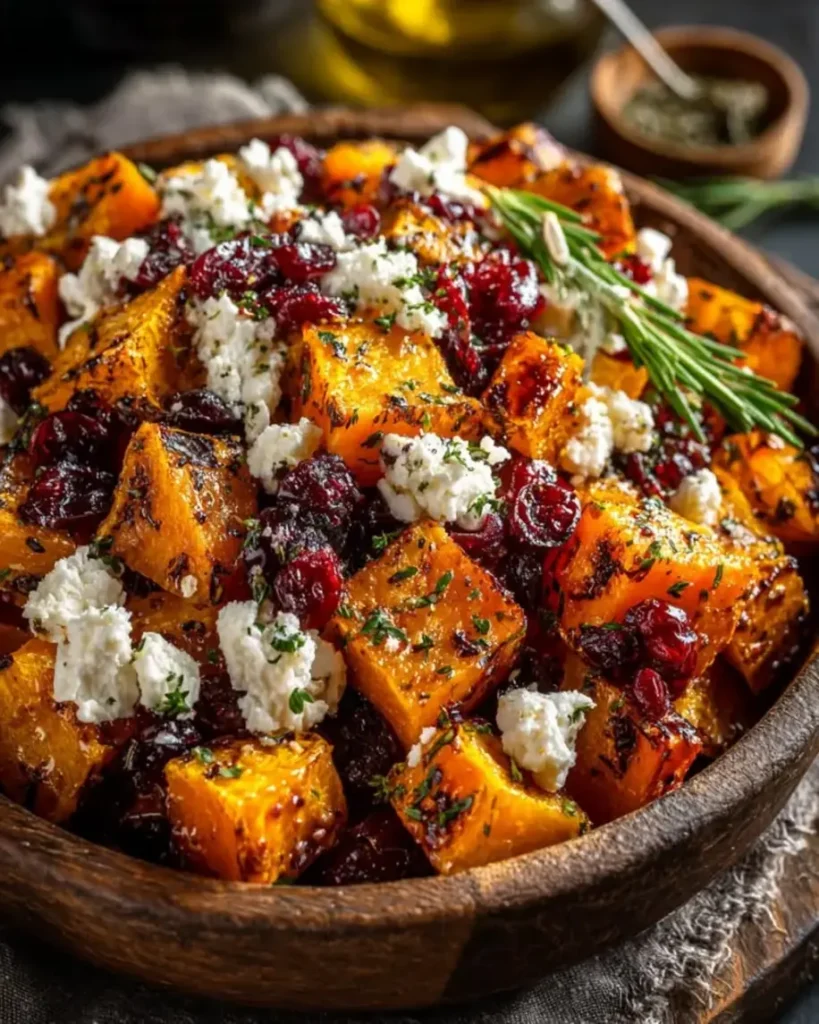
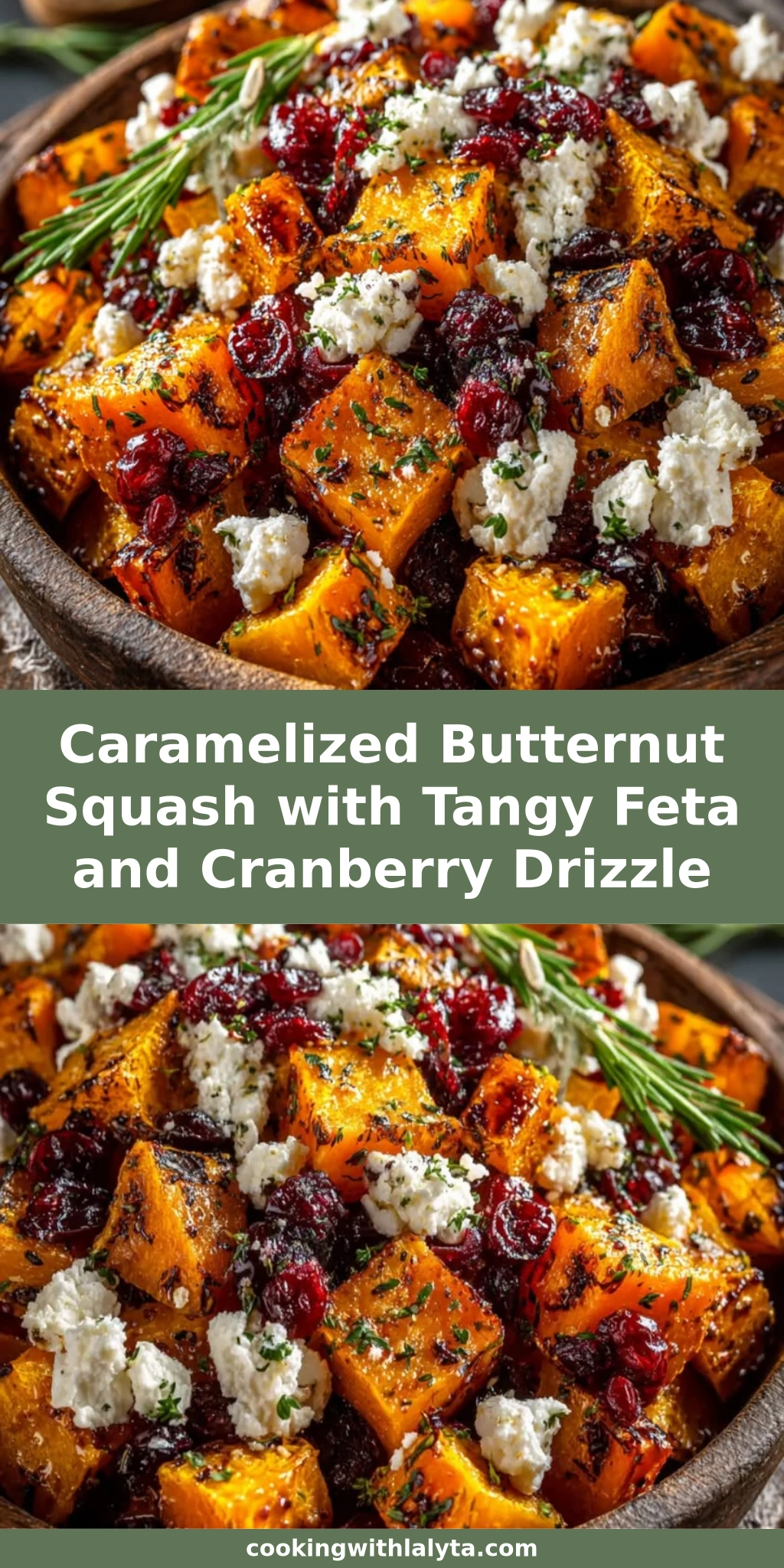
Close your eyes and imagine the aroma that fills your kitchen as butter sizzles in a hot skillet, meeting the earthy sweetness of cinnamon-dusted squash. The edges sear to a deep amber, while the brown sugar melts into a whisper-thin glaze that crackles under your fork. The butternut squash with feta brings a creamy, salty tang that cuts through the sweetness like a crisp autumn breeze, while the cranberry drizzle — jewel-bright and glistening — delivers a pop of tartness with a subtle balsamic depth that lingers on your tongue. It’s a dish that looks as stunning as it tastes: orange cubes nestled against ruby cranberries, flecks of green parsley, and snowy white crumbles of feta that soften ever so slightly from the residual heat. Every bite is a symphony of textures — the yielding tenderness of roasted squash, the soft burst of cranberries, the creamy feta, and those caramelized edges that offer just a hint of chewy resistance. This maple roasted butternut squash recipe captures everything I love about fall cooking: simple ingredients transformed by heat and time into something extraordinary.
What sets my version of this caramelized butternut squash recipe apart is the two-stage cooking method I developed after one too many batches of watery, pale squash. Rather than tossing everything directly into the oven, I first sear the squash in a hot skillet with butter to develop a deep, flavorful crust — a technique I learned while cooking steak au poivre in Paris and realized applies brilliantly to dense vegetables. Only then does it go into the oven to finish roasting through. This extra step takes just five minutes but makes the difference between good and unforgettable. I’ll walk you through exactly how to avoid the most common pitfall — overcrowding the pan, which steams the squash instead of caramelizing it — and share my pro tip for getting that glaze just right. Whether you’re preparing this butternut squash cranberry feta dish for a weeknight dinner or Thanksgiving table, I promise it will earn a permanent spot in your fall recipe rotation.
Why This Caramelized Butternut Squash Recipe Is the Best
The flavor secret behind this dish lies in its layers. Most recipes for maple roasted butternut squash rely solely on oven heat and hope for caramelization to happen magically. My French culinary training taught me that true caramelization requires direct contact with a hot surface — a principle known as the Maillard reaction, which transforms sugars and amino acids into hundreds of complex flavor compounds. By searing the squash in butter before roasting, I coax out nutty, toffee-like notes that oven roasting alone cannot achieve. Then comes the cranberry drizzle, a nod to my Moroccan roots where sweet-savory combinations — like lamb with prunes or chicken with preserved lemon and olives — are celebrated. I use fresh orange juice and a touch of balsamic vinegar to brighten the cranberries, creating a sauce that’s more nuanced than plain cranberry sauce. The feta is my New York touch: salty, creamy, and unapologetically bold, it cuts through the sweetness and ties everything together. This is not just another roasted vegetable side dish — it’s a conversation starter.
Achieving the perfect texture was my obsession through a dozen test batches. The squash must be tender enough to yield to a fork but still hold its shape — no one wants mush. I discovered that cutting the cubes to a uniform 1-inch size ensures even cooking: too small and they dry out, too large and the centers remain raw. The skillet sear creates a caramelized shell that locks in moisture, so the interior steams gently in its own juices while the exterior develops that irresistible candy-like crust. And here’s a trick I stumbled upon by accident one hectic evening: letting the squash sit undisturbed in the hot skillet for those crucial 4–5 minutes is non-negotiable. I was tempted to stir, to check, to fuss — but restraint is rewarded with a deep amber sear you simply cannot fake. The brown sugar, added just before roasting, melts into a thin glaze rather than burning because the oven’s ambient heat is gentler than the stovetop. The result is caramelized butternut squash that’s crisp-edged outside, velvety inside, and never, ever waterlogged.
What makes this recipe truly foolproof and fast is its streamlined process. You need just one oven-safe skillet for both searing and roasting — fewer dishes, more flavor. The cranberry drizzle comes together in a small saucepan while the squash roasts, so active cooking time is minimal. Even if you’re a beginner cook intimidated by phrases like “caramelize” or “reduce,” I’ve broken down every step with visual cues you can actually see: look for the squash edges to darken to medium amber, wait until the cranberries audibly pop and the sauce coats the back of a spoon. This roasted butternut squash with cranberries recipe is designed for real home cooks — whether you’re juggling kids, work deadlines, or just a hungry partner hovering near the stove. And if you’re meal-prepping for a busy NYC week like I do, you’ll love how the components can be made ahead and assembled in minutes. One batch, endless possibilities — that’s the Lalybeth way.
Caramelized Butternut Squash with Feta Ingredients
I source most of my butternut squash from the Union Square Greenmarket here in NYC, where local farmers pile their stalls high with these golden beauties starting in September. There’s something deeply satisfying about hauling home a heavy, smooth-skinned squash on the subway, knowing it will transform into this vibrant dish. For the cranberries, I stock up on fresh ones in fall and freeze extras so I can make this butternut squash with feta year-round. The feta I prefer is a good-quality block packed in brine — it’s creamier and tangier than the pre-crumbled kind, and worth the extra minute of crumbling. My Parisian training drilled into me that ingredients matter; they don’t have to be expensive, just honest. And the maple syrup? Grade A dark, please — its robust flavor stands up to the bold balsamic vinegar in the drizzle.
Ingredients List
- For the butternut squash:
- 1 medium butternut squash, peeled, seeded, and cubed (about 4 cups)
- 2 tablespoons olive oil
- 2 tablespoons butter
- 2 tablespoons brown sugar
- 1/2 teaspoon salt
- 1/4 teaspoon black pepper
- 1/4 teaspoon ground cinnamon
- For the cranberry drizzle:
- 1/2 cup fresh or frozen cranberries
- 1/4 cup orange juice
- 2 tablespoons maple syrup
- 1 tablespoon balsamic vinegar
- For the topping:
- 1/2 cup crumbled feta cheese
- 2 tablespoons chopped fresh parsley
Ingredient Spotlight
Butternut Squash: The star of this show, butternut squash should feel heavy for its size with smooth, unblemished skin free of soft spots. At the grocery store, look for one with a long, thick neck and a small bulb — that means more flesh and fewer seeds. When peeled and cubed into 1-inch pieces, it roasts evenly and caramelizes beautifully. If you’re short on time, many stores now sell pre-cubed butternut squash in the produce section; just know that fresh-cut cubes may dry out slightly faster, so add a minute to your searing time. A good substitute is kabocha squash or sugar pumpkin, both of which have a similar dense, sweet flesh. Avoid using watery squashes like zucchini — they’ll turn mushy and won’t hold that gorgeous caramelized crust.
Cranberries: Whether fresh or frozen, cranberries bring the essential tart pop that balances the sweet, buttery squash. Fresh cranberries are firm and glossy, typically available in US grocery stores from October through December. Frozen cranberries work perfectly year-round — no need to thaw them before simmering. The natural pectin in cranberries helps thicken the drizzle as they burst, creating a jammy consistency that clings to the squash. If you absolutely cannot find cranberries, dried cranberries rehydrated in warm orange juice for 10 minutes can work in a pinch, but the sauce will be sweeter and have less of that vibrant tartness. A half-and-half mix of fresh raspberries and dried cranberries is another creative alternative, though the color won’t be as ruby-red.
Feta Cheese: A creamy, tangy block of sheep’s milk feta in brine is my gold standard here — it crumbles into soft, moist pieces that melt ever so slightly on contact with the warm squash. Pre-crumbled feta from a tub is convenient but often lacks the same creamy texture and vibrant tang. Look for Greek or Bulgarian feta in the refrigerated cheese section. For a vegan alternative, dairy-free feta-style crumbles made from almond or tofu work decently; they won’t melt quite the same way but still deliver that salty punch. Goat cheese is a popular substitution — it’s creamier and earthier than feta, and I’ll walk you through that variation later.
| Original Ingredient | Best Substitution | Flavor / Texture Impact |
|---|---|---|
| Butternut Squash | Kabocha or sugar pumpkin | Slightly sweeter and firmer; equally creamy texture |
| Cranberries | Dried cranberries + orange juice | Sweeter, less tart; add a splash of lemon juice |
| Feta Cheese | Goat cheese or vegan feta crumble | Creamier and earthier (goat); salty but less creamy (vegan) |
| Maple Syrup | Honey or agave nectar | Honey is floral; agave is neutral and slightly thinner |
| Balsamic Vinegar | Apple cider vinegar + 1/2 tsp brown sugar | Brighter acidity; less depth but still balanced |
How to Make Caramelized Butternut Squash – Step-by-Step
Take a deep breath — you’re about to make a restaurant-worthy side dish in under an hour with just a few simple moves. I’ve taught this recipe to friends in my NYC kitchen and to students in cooking classes, and every single person has nailed it on the first try. Just follow each step, watch for the visual cues I’ve described, and trust the process.
Step 1: Preheat and Season the Squash
Preheat your oven to 400°F (200°C) and position a rack in the middle. While the oven heats, peel your butternut squash with a sharp vegetable peeler — don’t be shy about removing all the pale green layer beneath the skin to reveal the vibrant orange flesh. Cut the squash in half crosswise where the neck meets the bulb, then halve the bulb and scoop out the seeds and stringy pulp with a spoon. Cut the flesh into uniform 1-inch cubes — I find this size hits the sweet spot between quick cooking and a satisfying, meaty bite. In a large bowl, toss the squash cubes with olive oil, salt, black pepper, and ground cinnamon until every piece is evenly coated. The cinnamon should be a subtle whisper, not a shout — it’s there to enhance the natural sweetness, not dominate.
💡 Lalybeth’s Pro Tip: Use a kitchen scale to weigh your squash cubes — you want right around 1.5 to 2 pounds (about 4 cups). If you have extra, roast them separately on a sheet pan so your skillet isn’t overcrowded. Overcrowding is the enemy of caramelization because it creates steam, and steam means soggy squash.
Step 2: Caramelize in the Skillet
Place a large oven-safe skillet — cast iron is ideal, but any heavy-bottomed stainless steel or enameled skillet works — over medium-high heat. Add the 2 tablespoons of butter and let it melt completely until it foams and just begins to turn a pale nutty brown, about 1–2 minutes. This lightly browned butter, my French “beurre noisette” shortcut, adds an incredible nutty depth. Carefully add the seasoned squash cubes to the hot skillet and arrange them in a single layer — you should hear an immediate sizzle, a sound that always makes my heart sing. Now comes the hard part: do not stir. Let the squash sit completely undisturbed for 4–5 minutes. Check one cube by lifting it with a spatula; the underside should be deeply golden with amber edges. If it’s still pale, give it another minute. Only then do you toss the squash gently to redistribute.
⚠️ Common Mistake to Avoid: Stirring too early or too often. I know the sizzle is tempting, and your instinct says “keep it moving,” but butternut squash needs that uninterrupted contact with hot metal to develop a caramelized crust. If you stir before the underside has seared, you’ll tear the tender flesh and end up with pale, unevenly browned cubes. Patience, my friend — set a timer if you must.
Step 3: Add Brown Sugar and Roast
Once the squash has a good sear, remove the skillet from the heat. Sprinkle the 2 tablespoons of brown sugar evenly over the top and toss gently to coat — the residual heat will start melting the sugar into a sticky glaze. Immediately transfer the skillet to the preheated oven and roast for 20–25 minutes. Around the 15-minute mark, give the squash a gentle stir with a spatula to ensure even browning. You’ll know it’s done when a fork slides easily into a cube with little resistance and the edges are deep amber and glistening. The aroma at this point — buttery, sweet, and faintly spiced — is pure autumn magic. Remove the skillet from the oven and set it on a heatproof surface while you finish the drizzle.
Step 4: Make the Cranberry Drizzle
While the squash roasts, combine the cranberries, orange juice, and maple syrup in a small saucepan over medium heat. Bring the mixture to a gentle simmer — you’ll see small bubbles forming around the edges. Let it cook for 8–10 minutes, stirring occasionally with a wooden spoon. Around the 6-minute mark, you’ll hear the cranberries start to audibly pop and burst, releasing their natural pectin and turning the liquid a brilliant ruby red. Once the mixture has thickened enough to coat the back of a spoon — draw a line with your finger and it should hold cleanly — remove the pan from the heat. Stir in the balsamic vinegar, which adds a subtle tangy complexity that keeps the drizzle from tasting purely sweet. The sauce will continue to thicken slightly as it cools.
💡 Lalybeth’s Pro Tip: If your cranberry drizzle tightens up too much while the squash finishes roasting, simply stir in a teaspoon of warm water or orange juice to loosen it. You want a consistency that cascades off a spoon — thick enough to cling to the squash but fluid enough to drizzle elegantly. This recipe is remarkably forgiving, so don’t stress about perfection.
Step 5: Assemble and Serve
With everything hot and ready, it’s time for the grand finale. Give the cranberry drizzle a quick stir, then spoon it generously over the roasted squash still in the skillet, letting it pool in the crevices between the cubes. Sprinkle the crumbled feta cheese evenly across the top — the heat from the squash will warm the feta ever so slightly, making it creamy and luxurious. Finish with a shower of chopped fresh parsley, which adds a burst of green and a clean, herbaceous note that brightens each bite. Serve immediately, either family-style right from the skillet (who doesn’t love that rustic presentation?) or transferred to a warm serving platter. Watch as your guests go back for seconds.
⚠️ Common Mistake to Avoid: Adding the feta too early. If you sprinkle it on and then let the dish sit in a hot oven or on the stovetop, the feta will melt into a puddle rather than retaining those creamy crumbles. Always add it just before serving so it keeps its texture and visual appeal. Same goes for the parsley — add it at the last second so it stays vibrant green.
| Step | Action | Duration | Key Visual Cue |
|---|---|---|---|
| 1 | Preheat and season squash | 5 minutes | Cubes evenly coated with oil and spice |
| 2 | Caramelize in skillet | 4–5 minutes | Underside deep golden amber |
| 3 | Add sugar and roast | 20–25 minutes | Fork-tender with glistening edges |
| 4 | Make cranberry drizzle | 8–10 minutes | Cranberries burst; sauce coats spoon |
| 5 | Assemble and serve | 2 minutes | Feta crumbles intact; parsley bright green |
Serving & Presentation
Presentation matters, and this dish is naturally stunning — so lean into its beauty. I love serving it family-style directly from the cast iron skillet I roasted it in, placed on a wooden trivet at the center of the table. The dark metal contrasts gorgeously with the jewel-toned squash and cranberries, and it keeps the dish warm throughout the meal. If you’re entertaining and want a more elegant presentation, transfer the roasted butternut squash with cranberries to a wide, shallow serving platter or a white ceramic dish that makes the colors pop. Spoon the cranberry drizzle in graceful swoops rather than dumping it all in one spot, then scatter the feta and parsley artfully. Sometimes I add a final flourish of flaky sea salt — just a pinch — which amplifies the sweet-salty contrast and adds a subtle crunch. In my NYC dinner parties, this dish never fails to draw gasps.
For a Moroccan-inspired twist that my mother would approve of, I sometimes garnish with toasted slivered almonds and a light dusting of ras el hanout — a warming North African spice blend that echoes the cinnamon already in the dish. The nuts add a crackly texture that plays beautifully against the tender squash and creamy feta. During the holidays, I’ll scatter a handful of pomegranate arils over the top for bursts of juicy sweetness and a festive, ruby-red sparkle. If you’re serving this as a weeknight side, a simple bed of arugula or baby spinach underneath the warm squash makes it a more substantial meal; the greens wilt gently from the heat and soak up the cranberry drizzle like a warm salad. In Paris, I learned that even the humblest dish deserves to be plated with intention — not fussiness, just care.
As for pairings, this caramelized butternut squash is remarkably versatile. It’s rich enough to stand beside a simple roast chicken or seared pork chops, yet special enough for Thanksgiving alongside a golden turkey. For vegetable-forward meals, I pair it with a lemony quinoa or farro salad and a dollop of Greek yogurt. If you’re going full holiday mode, serve it alongside a classic stuffing and green beans almondine. And don’t overlook leftovers — my NYC friends fight over the last spoonful, which I love to pile onto toasted sourdough bread with a swipe of ricotta for a next-day breakfast that feels utterly luxurious. Over the years, I’ve learned that the best recipes are the ones that keep giving, meal after meal.
| Pairing Type | Suggestions | Why It Works |
|---|---|---|
| Side Dish | Roast chicken, pork tenderloin, Thanksgiving turkey | The sweet-tart squash complements savory, umami-rich proteins |
| Sauce / Dip | Greek yogurt, tahini drizzle, balsamic reduction | Creamy or nutty sauces balance the acidity of cranberries |
| Beverage | Pinot noir, hard cider, spiced apple tea | Fruity and slightly acidic drinks echo the cranberry and maple notes |
| Garnish | Toasted almonds, pomegranate arils, extra parsley | Crunch and brightness elevate each bite visually and texturally |
Make-Ahead, Storage & Reheating
In my busy NYC life, meal prep is survival, and this roasted butternut squash with cranberries is a meal prep superhero. I often roast the squash and make the cranberry drizzle on a Sunday afternoon, then store them separately in the fridge. Come Tuesday evening when I’m exhausted and hungry, I simply reheat the squash in a skillet, warm the drizzle in the microwave, and assembly takes under five minutes. The components hold up beautifully, and honestly, I think the flavors meld even better after a day in the fridge — the cinnamon and balsamic deepen, the cranberry drizzle thickens into a jammy consistency that’s absolutely irresistible. For holiday planning, this make-ahead flexibility is a lifesaver when oven space is at a premium.
| Method | Container | Duration | Reheating Tip |
|---|---|---|---|
| Refrigerator | Airtight glass container | Up to 4 days | Reheat in a skillet over medium heat, 3–5 minutes |
| Freezer | Freezer-safe bag or container | Up to 3 months (squash only) | Thaw overnight in fridge; reheat in oven at 375°F, 10 min |
| Make-Ahead | Separate containers for squash and drizzle | Up to 2 days in advance | Assemble fresh; add feta and parsley just before serving |
A crucial detail from my own trial-and-error: if you plan to freeze the squash, do so without the cranberry drizzle and feta. The squash freezes surprisingly well — just spread the cooled cubes on a parchment-lined baking sheet and freeze until solid, then transfer to a bag. This flash-freezing prevents them from clumping into a solid block. When reheating from frozen, I find the oven gives the best results; it re-crisps the caramelized edges while the microwave can make the squash a bit soft and weepy. The cranberry drizzle should be stored in its own container in the fridge and gently reheated in a small saucepan with a splash of water or orange juice. As for the feta, always add it fresh — cheese and reheating are rarely a happy marriage, and the salty crumbles are at their best when they hit the warm squash for the first time.
One more insider tip: if you’re making this dish for a crowd and want to scale up, double the squash recipe but roast it on two separate sheet pans instead of one skillet. Overcrowding is the enemy of caramelization, so give those cubes room to breathe. You can still sear them in batches in the skillet — just don’t skip that step, because it’s what makes this recipe truly special. The cranberry drizzle doubles beautifully in a single saucepan and keeps in the fridge for up to a week; I’ve been known to spoon leftovers over my morning yogurt or a scoop of vanilla ice cream, and I have no regrets.
Variations & Easy Swaps
| Variation | Key Change | Best For | Difficulty Impact |
|---|---|---|---|
| Vegan | Vegan butter, omit feta or use dairy-free alternative | Plant-based guests | No change |
| Gluten-Free | Already gluten-free; double-check feta for additives | Celiac and gluten-sensitive eaters | No change |
| Spicy Moroccan-Inspired | Add ras el hanout or harissa; swap parsley for cilantro | Adventurous palates and North African food lovers | Slightly bolder flavor; still easy |
Vegan Caramelized Butternut Squash
Making this dish entirely plant-based is seamless and doesn’t sacrifice an ounce of flavor. Swap the butter for a high-quality vegan butter or simply use an additional 2 tablespoons of olive oil — the latter gives a brighter, fruitier caramelization that I actually love for a lighter version. As for the feta, today’s dairy-free feta-style crumbles have come a long way; look for almond-based or tofu-based varieties that offer a similar salty tang and crumbly texture. My favorite brand even comes in a brine, mimicking the creaminess of traditional sheep’s milk feta. If you can’t find a vegan feta you love, slivered toasted almonds and a drizzle of tahini make a wonderful alternative — they add richness and nuttiness that complement the sweet squash beautifully. This vegan butternut squash with feta swap is so good that I served it at a plant-based dinner party in Williamsburg and no one guessed it was dairy-free.
Gluten-Free Maple Roasted Butternut Squash
Good news — this recipe is naturally gluten-free as written, which makes it a stress-free addition to any gathering where dietary needs vary. That said, always double-check your feta cheese if you’re serving someone with celiac disease or severe gluten sensitivity; some pre-crumbled fetas use anti-caking agents that may contain trace gluten. Stick with a block of feta in brine and crumble it yourself for total peace of mind. The brown sugar, olive oil, maple syrup, and all spices are naturally gluten-free, but if you’re using a spice blend like ras el hanout for the Moroccan variation, verify the label. I’ve tested this recipe countless times using certified gluten-free ingredients, and it remains one of my most reliable, crowd-pleasing side dishes — no grittiness, no weird texture, just pure caramelized butternut squash perfection.
Spicy Moroccan-Inspired Butternut Squash
This variation is deeply personal and takes me straight back to my mother’s kitchen in Casablanca, where the scent of cumin, ginger, and cinnamon would waft from her tagine. To transform this dish, replace the ground cinnamon with a generous half-teaspoon of ras el hanout — a Moroccan spice blend that typically includes warm notes like cinnamon, coriander, cumin, and cardamom, often with a whisper of dried rose petal. Add a pinch of cayenne or a teaspoon of mild harissa paste to the cranberry drizzle for a gentle, lingering heat that plays beautifully against the sweet maple syrup. Instead of parsley, finish with chopped fresh cilantro and a scattering of pomegranate seeds — the herbaceous brightness of cilantro is more traditionally Moroccan, and the pomegranate adds juicy pops of tartness. A final drizzle of good extra-virgin olive oil and a sprinkle of toasted sesame seeds, and you have a dish that bridges my two culinary worlds: the sweet roasted butternut squash with cranberries my NYC friends adore, and the boldly spiced vegetables of my North African roots.
How do you caramelize butternut squash without it turning mushy?
The secret to caramelized butternut squash that stays tender yet firm is a two-stage cooking method: first sear, then roast. Start by cutting the squash into uniform 1-inch cubes — inconsistent sizes mean some pieces cook faster and turn mushy while others remain hard. Heat butter or oil in a heavy skillet over medium-high heat, add the squash in a single layer with space between each cube, and don’t stir for 4–5 minutes. This uninterrupted contact with hot metal develops a deep golden crust while locking in moisture. Then transfer to a 400°F oven to finish roasting for 20–25 minutes. The sear creates a caramelized shell that holds the cube’s shape, so the interior steams perfectly without collapsing. Avoid overcrowding the pan at all costs — that creates steam, which is the enemy of caramelization and a direct path to soggy squash. If you have a lot of squash, sear it in batches or use two skillets. Patience during that first sear is everything.
Can I use goat cheese instead of feta in this butternut squash recipe?
Absolutely, and I’ve tested this butternut squash with feta recipe using goat cheese several times with delicious results. Goat cheese brings a creamier, earthier, and slightly more pungent flavor compared to feta’s salty, briny tang. It melts a bit more readily on contact with the warm squash, creating a luscious, almost sauce-like effect rather than distinct crumbles. For the best outcome, use a fresh goat cheese log — not the aged, crumbly kind — and dot small spoonfuls over the squash just before serving rather than breaking it into fine crumbles. If you love the textural contrast that feta provides, you can also use a mix of both cheeses. From a culinary perspective, goat cheese’s farmhouse flavor pairs beautifully with the earthy sweetness of maple roasted butternut squash and the tart cranberry drizzle, though the overall dish will taste slightly more rustic and less sharp. Either way, you can’t go wrong.
How long should I roast butternut squash to get a good caramelized finish?
For a good caramelized finish, roast your butternut squash at 400°F for 20–25 minutes after an initial stovetop sear of 4–5 minutes. If you’re skipping the searing step and roasting directly, expect closer to 30–35 minutes at the same temperature, but you won’t achieve the same depth of caramelization. The visual cues I rely on are unmistakable: the edges of the cubes should be deep amber and glistening, with visible browned spots on the cut surfaces. A fork should slide in with minimal resistance but the cube should still hold its shape — if it collapses into mush, it’s overdone. Remember that carryover cooking continues for a few minutes after you pull the skillet from the oven, so err on the side of slightly al dente if you’re unsure. For roasted butternut squash with cranberries, those caramelized edges are what balance the sweet-tart drizzle and creamy feta, so don’t rush this step. Every oven runs a bit differently, so use your eyes and nose more than the timer.
Can I make caramelized butternut squash with feta and cranberry drizzle ahead of time?
Yes, and I do this regularly for my own meal prep and dinner parties. The key is storing the components separately. Roast the squash up to 2 days ahead and refrigerate it in an airtight container; it will lose a bit of its crisp edge but re-caramelizes beautifully in a hot skillet for 3–5 minutes. The cranberry drizzle can be made up to 5 days in advance and kept in the fridge — its flavor actually deepens and improves over time. When you’re ready to serve, warm the drizzle in a small saucepan with a splash of water or orange juice to loosen it. Never add the feta or fresh parsley until just before serving; feta added too early will either dry out in the fridge or melt into an unappealing puddle when reheated. For Thanksgiving or a busy weeknight, this make-ahead approach turns a stunning side dish into a low-stress, last-minute assembly that takes under five minutes. It’s one of my most reliable entertaining secrets.
What can I substitute for butternut squash in this recipe?
Butternut squash has a uniquely dense, creamy-sweet flesh that caramelizes beautifully, but several alternatives work well depending on the season and what’s available at your grocery store. Kabocha squash is my top pick — its vibrant orange flesh is even sweeter and firmer, holding its shape exceptionally well through searing and roasting. Sugar pumpkin or pie pumpkin also delivers a similar tender-yet-structured texture. Delicata squash has the advantage of edible skin, so you can skip peeling entirely, though the cubes will be slightly softer and cook faster. Sweet potatoes are an excellent year-round option; they caramelize gorgeously and pair wonderfully with the cranberry drizzle and feta, though the flavor profile shifts toward sweeter. Whatever substitute you choose, cut the cubes to a uniform 1-inch size and monitor the cooking time closely — denser squashes like kabocha may need an extra 5 minutes of roasting, while softer ones like delicata may finish earlier.
Is this butternut squash with feta and cranberry recipe healthy?
Yes, this caramelized butternut squash recipe is relatively healthy while still feeling indulgent. Butternut squash itself is packed with fiber, vitamin A, vitamin C, and potassium — it’s a nutrient-dense vegetable that anchors the dish with wholesome goodness. A serving comes in at around 320 calories with 16 grams of fat, much of which comes from heart-healthy olive oil and the natural richness of butter. The brown sugar and maple syrup add sweetness, but they’re balanced by the tart cranberries (loaded with antioxidants) and the protein-rich feta cheese. For a lighter version, I sometimes reduce the butter to 1 tablespoon and use just 1 tablespoon of maple syrup, relying on the squash’s natural sugars to carry the caramelization. If you’re watching your sodium, look for a lower-salt feta or use less of it. Compared to creamy, cheese-laden casseroles or sugar-heavy sides, this dish offers a vibrant, vegetable-forward option that doesn’t feel like a compromise — it just tastes like a celebration of fall produce.
Why is my roasted butternut squash still watery or soggy?
There are three common culprits for soggy roasted butternut squash, and I’ve encountered all of them. First, overcrowding the pan is the most frequent mistake — when squash cubes are packed tightly, they steam in their own moisture instead of roasting with dry, circulating heat. Spread them in a single layer with at least a half-inch of space between cubes. Second, skipping the stovetop sear means you never develop that protective caramelized crust, so the squash’s internal moisture escapes during oven roasting and pools in the pan. That initial 4–5 minutes in a hot skillet really does make a dramatic difference. Third, your oven temperature might be too low; butternut squash needs a solid 400°F to caramelize before it overcooks. If your oven runs cool, invest in an oven thermometer — it’s a $10 tool that changed my baking and roasting game entirely. Finally, storing freshly roasted squash in a sealed container while still warm creates condensation that turns it soggy; always cool it completely on the counter before refrigerating.
Can I use dried cranberries instead of fresh for the drizzle?
You can, but the result will be noticeably different. Fresh or frozen cranberries contain natural pectin that thickens the drizzle into a jammy, spoonable sauce as the berries burst. Dried cranberries lack this pectin and are already sweetened, so the drizzle will be thinner and sweeter with less of that vibrant tartness that balances the caramelized squash. If dried cranberries are all you have, here’s my tested workaround: soak half a cup of dried cranberries in warm orange juice for 15 minutes to rehydrate them, then simmer them with the maple syrup and a tablespoon of lemon juice to mimic the missing acidity. The drizzle will still be looser — you can whisk in a tiny pinch of cornstarch mixed with cold water at the end if you want more body — but the flavor will be quite pleasant, just more reminiscent of a sweet cranberry compote than a bright, tart burst. Honestly, frozen cranberries are worth keeping in your freezer year-round for this recipe; they’re affordable, last forever, and deliver the ideal consistency every time.
What can I pair with maple roasted butternut squash for a full meal?
This maple roasted butternut squash is a versatile side dish that pairs beautifully with a wide range of proteins and grains. For a cozy weeknight dinner, I love it alongside a simple roast chicken with crispy skin — the chicken’s savory juices mingle with the sweet squash and cranberry drizzle in the most satisfying way. Seared pork chops with a sage butter finish are another favorite; the herbaceous pork echoes the earthy cinnamon notes in the squash. For a vegetarian main, serve it over a bed of lemony farro or quinoa with a dollop of Greek yogurt and a handful of toasted walnuts for crunch. During the holidays, it’s a stunning addition to a Thanksgiving or Christmas spread beside classic stuffing, green beans, and mashed potatoes. Leftovers also transform into a beautiful warm grain bowl — just toss with cooked wild rice, arugula, and an extra drizzle of olive oil. The sweet-savory profile of this dish makes it incredibly meal-prep friendly; cook the protein and grain while the squash roasts, and dinner is effortlessly complete.
How do I cut and peel butternut squash safely?
Butternut squash can feel intimidating with its dense flesh and tough skin, but a few simple techniques make it much safer and easier. Start by microwaving the whole squash for 60–90 seconds — this softens the skin just enough to make peeling less of a wrestling match. Using a sharp Y-shaped vegetable peeler (my favorite tool for this task), peel from the stem end down to the bulb, removing all the pale green layer to expose the bright orange flesh. Next, slice off both ends to create flat, stable surfaces, then cut the squash crosswise where the long neck meets the bulb. Halve the bulb lengthwise and scoop out the seeds and stringy pulp with a sturdy metal spoon — an ice cream scoop works brilliantly here. Lay each half flat-side down for stability and cut into 1-inch slices, then cross-cut into cubes. A sharp chef’s knife is essential; a dull knife requires more force and is more likely to slip. If you’re still uneasy, many grocery stores now sell pre-cubed fresh butternut squash in the produce section — no shame in that shortcut at all. The key is always a stable cutting board and a grip that keeps your fingers curled under, knuckles guiding the blade.
Share Your Version!
I truly hope this caramelized butternut squash with tangy feta and cranberry drizzle becomes a beloved staple on your fall and winter table. It’s one of those dishes that punches far above its weight in terms of effort-to-impress ratio — and I always love seeing how you make it your own. Maybe you’ll add a dash of your favorite spice blend, or discover a new cheese pairing, or turn it into a hearty salad with farro and arugula. Whatever you do, I want to hear about it. Leave a star rating and a comment below to let me know how the recipe turned out for you — your feedback means the world to me and helps other home cooks find recipes they can trust.
If you snap a photo of your creation, share it on Instagram or Pinterest and tag me @cookingwithlalyta — I genuinely squeal with delight every time I see your versions pop up in my feed. There’s something magical about witnessing this dish travel from my tiny NYC kitchen to tables all over the country and beyond. And here’s my question for you: what’s your favorite fall ingredient to pair with sweet and salty flavors? I’m always on the hunt for new inspiration, and I read every single comment. From my NYC kitchen to yours — I hope this recipe brings as much warmth to your table as it does to mine. — Lalybeth 🧡
Love This Recipe? Save It to Pinterest!
If you enjoyed this Caramelized Butternut Squash with Tangy Feta and Cranberry Drizzle recipe, don’t let it get lost in your browser tabs! 😄 Pin it now so you can find it again anytime — and explore hundreds more tried-and-tested recipes waiting for you on my Pinterest boards.
👉 Follow Lalybeth on Pinterest @cookingwithlalyta
📌 Pin this recipe · 🔁 Re-pin your favorites · 💬 Tag me when you make it — I love seeing your creations!
Caramelized Butternut Squash with Tangy Feta and Cranberry Drizzle
- Total Time: 45 minutes
- Yield: 4 servings 1x
Description
Sweet caramelized butternut squash is roasted until tender and golden, then topped with creamy tangy feta and a bright cranberry drizzle. This easy fall side dish balances sweet, salty, and tart flavors beautifully.
Ingredients
- For the butternut squash:
- 1 medium butternut squash, peeled, seeded, and cubed (about 4 cups)
- 2 tablespoons olive oil
- 2 tablespoons butter
- 2 tablespoons brown sugar
- 1/2 teaspoon salt
- 1/4 teaspoon black pepper
- 1/4 teaspoon ground cinnamon
- For the cranberry drizzle:
- 1/2 cup fresh or frozen cranberries
- 1/4 cup orange juice
- 2 tablespoons maple syrup
- 1 tablespoon balsamic vinegar
- For the topping:
- 1/2 cup crumbled feta cheese
- 2 tablespoons chopped fresh parsley
Instructions
- Preheat the oven to 400°F (200°C).
- In a large bowl, toss the cubed butternut squash with olive oil, salt, black pepper, and ground cinnamon until evenly coated.
- Heat butter in a large oven-safe skillet over medium-high heat. Add the squash in a single layer and cook without stirring for 4-5 minutes, until the underside is caramelized.
- Sprinkle the brown sugar over the squash and toss gently to coat.
- Transfer the skillet to the preheated oven and roast for 20-25 minutes, until the squash is tender and caramelized.
- While the squash roasts, combine cranberries, orange juice, and maple syrup in a small saucepan. Bring to a simmer and cook for 8-10 minutes, until the cranberries burst and the mixture thickens slightly. Stir in balsamic vinegar.
- Remove the roasted squash from the oven and drizzle with the cranberry mixture.
- Sprinkle crumbled feta cheese and chopped parsley over the top before serving.
Notes
For a vegan version, use vegan butter or additional olive oil and omit the feta or replace with a dairy-free feta-style crumble. The cranberry drizzle can be prepared ahead of time and gently reheated before serving.
- Prep Time: 15 minutes
- Cook Time: 30 minutes
- Method: Side Dish
- Cuisine: American
Nutrition
- Calories: 320 kcal
- Sugar: 22 g
- Fat: 16 g
- Carbohydrates: 42 g
- Protein: 6 g
Tried This Recipe? Leave a Comment!
Did you make this recipe? I’d love to hear how it turned out! Please leave a comment and a rating below. Your feedback helps other home cooks and supports cookingwithlalyta.com!
For more delicious inspiration, follow me on Pinterest!