Table of Contents
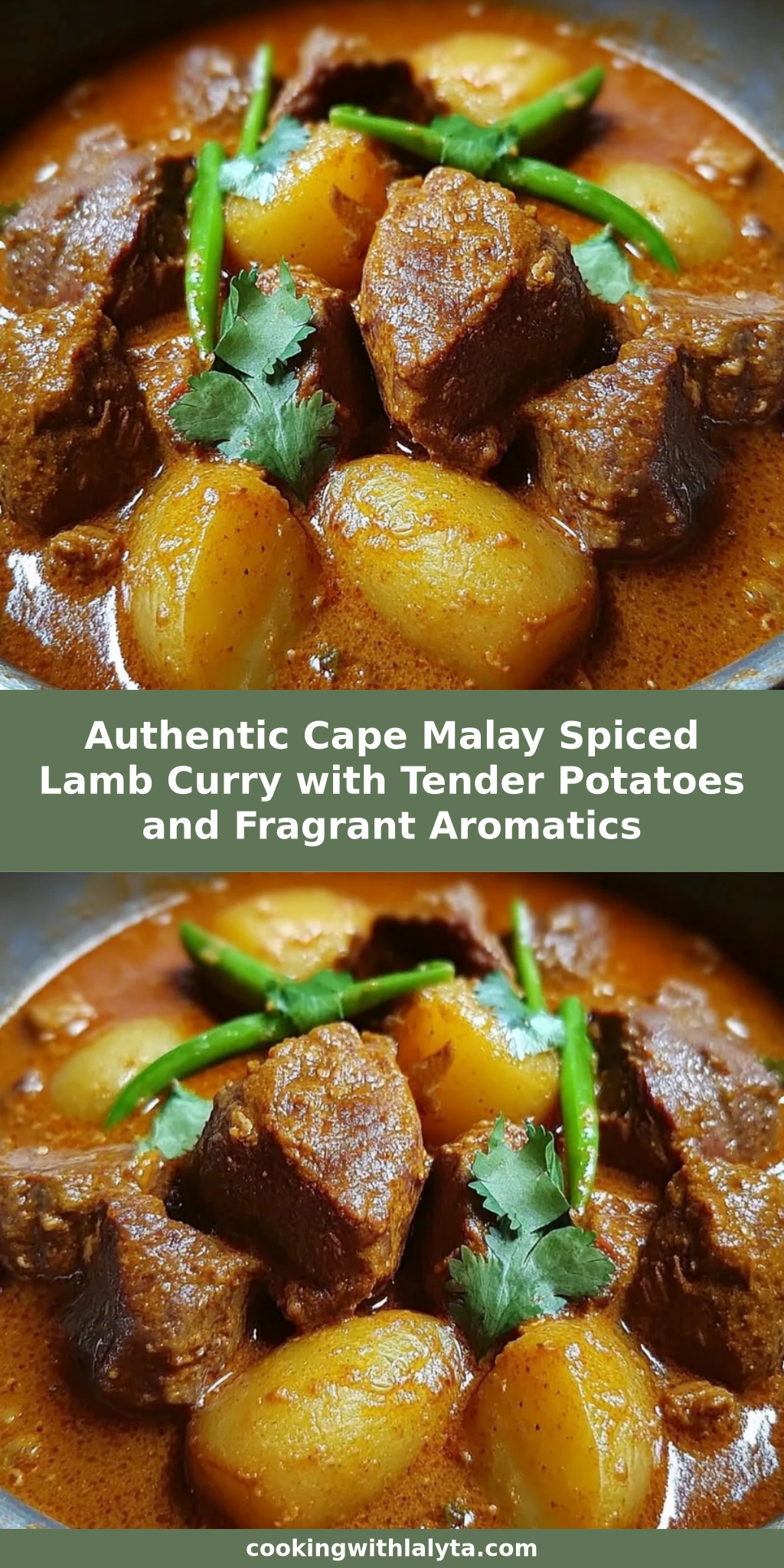
Authentic Cape Malay Spiced Lamb Curry with Tender Potatoes and Fragrant Aromatics – A Meltingly Tender One-Pot with Jammy Sweetness
I still remember the first time I tasted a true Cape Malay lamb curry. It wasn’t in Cape Town, but right here in New York, at a tiny family-run eatery tucked away in Brooklyn. As the scent of cinnamon, cardamom, and slowly braised lamb drifted through the door, I was transported to a place where the Indian spice trade met South African soul — a melody I’d never encountered in my Moroccan kitchen or Parisian training. One spoonful and I understood: this wasn’t just another lamb curry. That whisper of apricot jam, that gentle tang of vinegar, the way the potatoes dissolved into the gravy — it was magic. I knew I had to bring it into my own kitchen, test it obsessively, and share this authentic Cape Malay spiced lamb curry with tender potatoes and fragrant aromatics with you. It’s a stew that simmers quietly on the stove, filling your home with the most intoxicating warmth, and every time I make it, it feels like a culinary embrace.
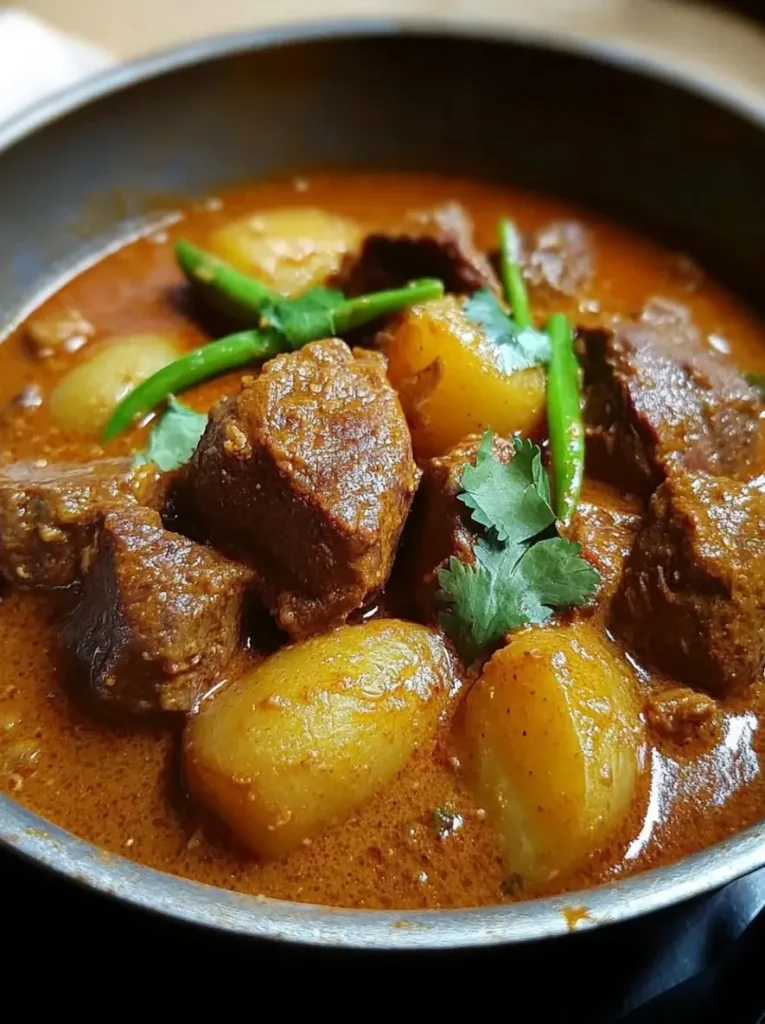
Every bowl of this curry tells a story of texture. The lamb, cut from the shoulder, becomes spoon-tender after a long, patient simmer but never dry or stringy. The potatoes are the quiet heroes — waxy Yukon Golds are my pick because they hold their shape yet soak up all that spiced gravy. Then you hit the sauce: a silky, brick-red lacquer made from chopped tomatoes, beef stock, and that all-important spoonful of apricot jam. The jam doesn’t make it sweet in an obvious way; instead, it curls around the edges of the warm spices, rounding them into something fuller, deeper. Cinnamon, cardamom, cumin, coriander, and a bright flicker of cayenne all dance together without shouting. When I’m developing recipes like this, I draw on the layered spice philosophy I grew up with in Morocco, and then I apply the precise sauce-building techniques I learned in Paris — deglazing, blooming spices, building body with tomato paste. The result is a curry that feels both complex and comforting, the kind of dish that makes you want to close your eyes with every bite.
This isn’t a quick weeknight curry, but it’s absolutely foolproof if you follow a few key moves. I’ve designed this recipe to be as approachable as possible for the American home cook — no inaccessible ingredients, no tricky steps. Yet I’m going to let you in on a little secret: the apricot jam isn’t just for sweetness; it also helps tenderize the lamb and creates that signature glossy sauce. And here’s a common mistake I see all too often: people rush the onion sauté. You want those onions deeply golden, almost caramelised, because they form the backbone of the curry’s depth. I’ll walk you through each stage, share a handful of my best pro tips, and make sure your kitchen smells like a Cape Malay grandmother’s by the end of the afternoon. Ready? Let’s get that pot going.
Why This Cape Malay Lamb Curry Recipe Is the Best
The flavor secret that sets this Cape Malay lamb curry apart lies in that seemingly humble tablespoon of apricot jam. In the Cape Malay tradition, fruit preserves balance the robust spices and add a gentle, glossy sweetness that reminds me of the way my mother used dried apricots in Moroccan tagines. Here, the jam dissolves into the sauce as it simmers, mingling with the acidity of white vinegar and the richness of beef stock to create a multi-layered base. I tested this recipe without the jam, and the result was still delicious, but it lacked that characteristic Cape Malay soul. With the jam, the spices are more cohesive, the meat gains a subtle sheen, and the sauce feels richer without needing any butter or cream. It’s the little trick I learned from my Paris pastry chef days — how a tiny bit of sugar can amplify savory notes — and it works brilliantly here.
From a texture standpoint, I’ve perfected the timing so that both lamb and potatoes hit that just-right moment together. Too often, lamb curries end up with mushy potatoes or meat that’s falling apart before the starches are soft. My method adds the potatoes after an hour of simmering, so they cook through in the remaining 30–40 minutes while the lamb finishes. I also insist on browning the lamb in batches — a technique drilled into me in culinary school — because those caramelized bits on the bottom of the pot are pure flavor later deglazed by the tomatoes. The sauce becomes velvety, the meat retains its integrity, and the potatoes are exactly where they should be: tender but not disintegrating.
Beginners, take heart: even though this curry takes a little time, it’s wonderfully forgiving. Once you’ve browned the meat and added the liquids, the oven or stove does the rest. There’s no complicated tempering or continuous stirring. And because the spices are all dry ground, you don’t need to blend a fresh masala paste. I’ve standardized every measurement in US cups and spoons, so you’ll find everything at your regular grocery store. The result is a restaurant-quality curry that looks impressive but demands very little active skill — just a bit of patience and love.
Cape Malay Lamb Curry Ingredients
When I shop for this dish in my NYC neighborhood, I head straight to the butcher for a well-marbled lamb shoulder and then swing by the spice aisle for the freshest ground cumin and cinnamon. If I’m lucky, I’ll grab a jar of good apricot jam from the farmers’ market — the kind with big fruit pieces adds nice texture. This is a pantry-friendly recipe, and once you have these spices in your cupboard, you’ll find yourself making it on repeat all season long.
Ingredients List
- 2 tablespoons vegetable oil
- 1 large onion, finely chopped
- 4 cloves garlic, minced
- 1 tablespoon fresh ginger, grated
- 2 bay leaves
- 2 teaspoons ground turmeric
- 2 teaspoons ground cumin
- 2 teaspoons ground coriander
- 1 teaspoon ground cinnamon
- 1 teaspoon ground cardamom
- ½ teaspoon cayenne pepper (optional, for heat)
- 1 kg (2.2 lbs) lamb shoulder or leg, cut into 3 cm cubes
- 3 large potatoes, peeled and cubed
- 2 tablespoons tomato paste
- 1 can (400 ml) chopped tomatoes
- 1 cup (250 ml) beef or lamb stock
- 3 tablespoons apricot jam
- 2 tablespoons white vinegar
- Salt and freshly ground black pepper to taste
- Fresh coriander (cilantro) for garnish
Ingredient Spotlight
Lamb Shoulder vs. Leg: Shoulder has more marbling and connective tissue, which breaks down beautifully during the long simmer, giving you that spoon-tender texture. Leg is leaner and a touch firmer — still works, but the result will be less luscious. In US supermarkets, you’ll often find pre-cut “lamb stew meat,” which usually comes from shoulder; look for pieces with even pink fat and avoid any that look overly dry. If you can’t find lamb, beef chuck is the best substitution — it has similar fat content and becomes tender with the same cooking time, though you’ll lose the lamb’s distinctive flavor.
Apricot Jam: This is the soul of Cape Malay curry. It’s not just a sweetener; the natural pectin in the jam thickens the sauce slightly while the fruit adds a mellow, tangy depth. Choose a good-quality jam with a high fruit content — nothing too candy-like. If you’re in a pinch, you can use peach preserves or even a spoonful of mango chutney, but the flavor will shift a little. Honey mixed with a dash of lemon juice can approximate the sweet-tart note if you’re truly out of jam, but I’d urge you to keep a jar on hand just for this dish.
Ground Spices: Freshness matters more than you think. Turmeric, cumin, and coriander are the warm, earthy backbone, while cinnamon and cardamom bring that unmistakable Cape Malay fragrance. I buy whole cardamom pods and grind the seeds myself for maximum aroma, but pre-ground is perfectly acceptable — just give the bottle a sniff to make sure it’s still fragrant. If you want to simplify, a good-quality garam masala can replace the cinnamon and cardamom, but use half the amount and taste as you go; the curry will be a little different, but still deeply spiced.
Potatoes: Waxy varieties like Yukon Gold or red potatoes hold their shape beautifully and absorb the gravy without breaking down into mush. Russets can work, but they tend to disintegrate and thicken the sauce too much, so monitor closely. Sweet potatoes are a delicious substitute if you prefer a sweeter, more colorful curry; they’ll soften faster, so add them later in the cooking. In late summer, I sometimes toss in chunks of butternut squash from the Union Square Greenmarket — a trick I picked up from a fellow chef who loved the way it echoed the jam’s fruity notes.
| Original Ingredient | Best Substitution | Flavor / Texture Impact |
|---|---|---|
| Lamb shoulder | Beef chuck, cut into cubes | Slightly less gamey, equally tender |
| Yukon Gold potatoes | Sweet potatoes or butternut squash | Sweeter, softer texture; adjust simmer time |
| Apricot jam | Peach preserves or mango chutney | Slightly different fruit profile, still sweet-tart |
| White vinegar | Lemon juice | Brighter acidity, less fermented note |
| Beef stock | Chicken stock plus a splash of Worcestershire | Lighter body, extra umami |
How to Make Cape Malay Lamb Curry — Step-by-Step
You’re about to fill your kitchen with one of the most comforting aromas I know. Take your time with each step — the magic is in the patience.
Step 1: Sauté Onions
Heat the oil in a large, heavy-bottomed pot (a Dutch oven is ideal) over medium heat. Add the chopped onion and cook, stirring occasionally, for about 8 minutes until softened and deeply golden. This is the foundation — don’t rush it.
💡 Lalybeth’s Pro Tip: Add a tiny pinch of salt at the start to draw moisture out of the onions; it helps them soften faster and caramelize more evenly.
Step 2: Cook Aromatics
Stir in the minced garlic, grated ginger, and bay leaves. Cook for just 1 minute until incredibly fragrant. Keep stirring so the garlic doesn’t burn — burnt garlic turns bitter fast.
⚠️ Common Mistake to Avoid: Overcrowding the pot with moisture-laden ginger can cause steaming instead of frying. Pat the ginger dry with a paper towel after grating for a crisp sizzle.
Step 3: Bloom Spices
Add the turmeric, cumin, coriander, cinnamon, cardamom, and cayenne (if using). Stir constantly for 30 seconds. This quick bloom in the hot oil wakes up the essential oils and deepens their flavor before the liquid goes in.
💡 Lalybeth’s Pro Tip: If the spices start to stick or smell acrid, immediately add a splash of water to stop the cooking. Better to bloom gently than burn.
Step 4: Brown Lamb
Increase the heat to medium-high. Add the lamb cubes in a single layer — you’ll likely need to work in two batches to avoid overcrowding. Cook undisturbed for 3–4 minutes per side until deeply browned. Return all lamb to the pot once done.
⚠️ Common Mistake to Avoid: Piling the lamb in all at once will steam it and turn the meat grey instead of creating a flavorful crust. Give each piece breathing room, and pat the meat dry with paper towels before adding to the pot.
Step 5: Tomato Paste
Reduce heat to medium, stir the tomato paste into the lamb and onions, and cook for 2 minutes. This caramelizes the tomato paste, boosting umami and removing any raw tinny flavour.
💡 Lalybeth’s Pro Tip: Let the tomato paste sit undisturbed for 30 seconds before stirring — that slight browning on the bottom of the pot builds incredible depth.
Step 6: Simmer Lamb
Pour in the chopped tomatoes, beef stock, apricot jam, and white vinegar. Season with salt and black pepper. Bring everything to a boil, then lower the heat to a gentle simmer. Cover and cook for 1 hour. Stir once or twice to prevent sticking.
⚠️ Common Mistake to Avoid: A boil that’s too vigorous will toughen the lamb. Keep it at a lazy bubble — a few small bubbles breaking the surface are perfect.
Step 7: Add Potatoes
After the first hour, stir in the cubed potatoes, making sure they’re submerged in the sauce. Cover again and continue simmering for another 30–40 minutes until the lamb is fork-tender and the potatoes are cooked through.
💡 Lalybeth’s Pro Tip: Cut potatoes into uniform 1½-inch chunks so they cook evenly. If a few larger pieces remain, they’ll need more time and could throw off the texture.
Step 8: Finish Simmer
Test the lamb by pressing a piece with a spoon; it should yield easily. If the sauce is too thin, simmer uncovered for 5–10 minutes to reduce. If too thick, add a splash of water or stock.
⚠️ Common Mistake to Avoid: Overcooking the potatoes will cause them to break apart and make the sauce stodgy. Pierce a potato with a knife at 30 minutes and keep an eye on it.
Step 9: Adjust Seasoning
Taste the curry. Add more salt if needed, a pinch of black pepper, or even a tiny extra spoon of vinegar if you want more tang. Remove the bay leaves.
💡 Lalybeth’s Pro Tip: Let the curry rest off the heat for 10 minutes before serving — the flavors settle and the sauce thickens slightly as it cools.
Step 10: Serve
Ladle the curry into warm bowls, scatter generously with fresh coriander, and accompany with steamed basmati rice or soft roti.
⚠️ Common Mistake to Avoid: Serving immediately without a garnish shortchanges the presentation. The bright green coriander adds freshness and visual appeal — don’t skip it!
| Step | Action | Duration | Key Visual Cue |
|---|---|---|---|
| 1 | Sauté onions | 8 min | Deeply golden, soft |
| 2 | Add garlic, ginger, bay | 1 min | Intense fragrance |
| 3 | Bloom spices | 30 sec | Rich, darker oil |
| 4 | Brown lamb in batches | 8 – 10 min | Deep brown crust |
| 5 | Caramelize tomato paste | 2 min | Slightly darkened, fragrant |
| 6 | Add liquids & simmer, covered | 1 hr | Lamb partially tender, sauce thin |
| 7 | Add potatoes, simmer | 30 – 40 min | Potatoes tender when pierced |
| 8 | Reduce sauce if needed | 5 – 10 min | Sauce coats back of spoon |
| 9 | Season & rest | 10 min | Flavors melded, bay leaves removed |
| 10 | Garnish & serve | 2 min | Bright fresh coriander on top |
Serving & Presentation
In our NYC dining room, this curry arrives at the table in a deep ceramic bowl, the sauce still lazily bubbling at the edges, with a mound of fluffy basmati rice on the side. I always finish with a handful of fresh coriander — not just for color, but for that clean, citrusy lift that cuts through the richness. A light sprinkle of toasted coconut or a few fried curry leaves add a wonderful crunch and an extra layer of South African flair.
If you’re hosting, set up a small toppings station: a bowl of sambal oelek for heat lovers, a cooling cucumber raita, and some sliced banana on the side (a traditional Cape Malay touch I fell for after a friend from Durban introduced me to it). The sweet, cool banana balances the warm spices in the most surprising way. For a true feast, double the recipe and serve it family-style over yellow rice with a few rotis to mop up every last drop.
A glass of crisp South African Chenin Blanc or a chilled ginger beer makes a perfect match, while a pot of rooibos tea keeps things cozy on a chilly evening. And if you have leftovers, they’re even better the next day — the curry tightens up and the lamb absorbs even more spice.
| Pairing Type | Suggestions | Why It Works |
|---|---|---|
| Side Dish | Steamed basmati rice, soft roti, yellow rice with raisins | Starch soaks up the rich gravy; yellow rice echoes the sweetness |
| Sauce / Dip | Sambal, cucumber raita, pickled mango chutney | Heat and tang contrast the curry’s depth |
| Beverage | Rooibos tea, Chenin Blanc, ginger beer | Herbal/floral notes or crisp acidity lighten the meal |
| Garnish | Fresh coriander, fried onions, toasted desiccated coconut | Adds freshness, crunch, and visual appeal |
Make-Ahead, Storage & Reheating
I often make this Cape Malay lamb curry one day ahead for dinner parties or busy weeks. The overnight rest in the fridge works wonders — the flavors meld, the sauce intensifies, and the lamb becomes even more tender. When I was catering in NYC, I’d prep the curry up to the point of adding potatoes, chill it, then gently reheat and add the potatoes fresh the next day so they kept their texture.
| Method | Container | Duration | Reheating Tip |
|---|---|---|---|
| Refrigerator | Airtight glass container | 3 – 4 days | Slowly reheat on stove, add splash of stock |
| Freezer | Freezer-safe jar or heavy-duty bag | Up to 3 months | Thaw overnight in fridge, reheat gently |
| Make-Ahead | Whole pot, potatoes separate | 1 day in advance | Reheat curry, add fresh potatoes & simmer until done |
When reheating, always use low to medium heat and add a little water or stock to loosen the sauce — it thickens as it sits. Avoid the microwave if you can; the stovetop gives you better control and keeps the lamb from drying out. If frozen, the curry thaws beautifully and the spices might even taste richer, just stir in fresh coriander right before serving to wake it up.
Variations & Easy Swaps
| Variation | Key Change | Best For | Difficulty Impact |
|---|---|---|---|
| Cape Malay Chicken Curry | Swap lamb for bone-in chicken thighs | Quicker weeknight version | Easier, shorter simmer time (~40 min) |
| Gluten-Free & Dairy-Free | Use certified GF stock; no dairy needed | Allergy-friendly gatherings | Unchanged, already naturally GF/DF |
| Summer Vegetable Curry | Replace lamb with chickpeas & butternut squash | Plant-based, seasonal | Shorter cook time, no browning needed |
Cape Malay Chicken Curry
For a faster, lighter curry, use bone-in, skinless chicken thighs instead of lamb. The thighs stay juicy and won’t dry out during a shorter simmer. Brown them as you would the lamb, then proceed with the same spice base. Because chicken cooks quicker, after you add the liquids, simmer for only 20 minutes, then add potatoes and cook 20 more minutes until everything is tender. The apricot jam still works its magic, giving the sauce that same jammy luster. This version takes under an hour from pot to plate and still tastes deeply South African.
Gluten-Free & Dairy-Free Adjustment
Good news: this recipe is naturally gluten-free and dairy-free as long as you choose a gluten-free stock or broth. Many store-bought stocks contain hidden wheat, so I reach for a certified GF beef broth or simply use homemade. If you’d like a creamier finish, add a generous splash of full-fat coconut milk at the end — it echoes the Cape Malay love for richness and works beautifully with the spices. This variation has become my go-to when hosting guests with multiple dietary needs; no one misses a thing.
Summer Vegetable Curry
When the Union Square Greenmarket overflows with butternut squash and peppers, I turn this into a plant-based feast. Swap the lamb for two cans of drained chickpeas and add 2 cups of cubed butternut squash along with the potatoes. The chickpeas soak up the fragrant sauce, and the squash adds a natural sweetness that makes the apricot jam feel right at home. I often throw in a handful of spinach at the very end for color. This is a wonderful way to enjoy the same Cape Malay spice profile while keeping it light and vibrant — and it’s ready in under an hour.
What is the best cut of lamb to use for an authentic Cape Malay lamb curry?
Lamb shoulder is by far the best cut for Cape Malay lamb curry. It’s well-marbled, rich in connective tissue, and becomes wonderfully tender during a long, slow simmer, infusing the gravy with deep flavor. In my NYC kitchen, I look for shoulder chops or a boneless shoulder roast that I cube myself. Lamb leg can work in a pinch, but it’s leaner and can dry out if simmered too long. If you use leg, keep an eye on the texture and maybe reduce the cooking time slightly. For a truly authentic result, the shoulder’s fat content helps carry the spices and creates that velvety mouthfeel Cape Malay cuisine is known for.
Can I substitute the potatoes with another vegetable in Cape Malay lamb curry?
Absolutely. Sweet potatoes are the closest match and bring a natural sweetness that pairs beautifully with the apricot jam and warm spices. Butternut squash is another excellent option — its texture holds up well, and the slight nuttiness complements the cinnamon and cardamom. If you prefer lower-carb alternatives, cauliflower florets or chunked turnips can work, though they’ll soften faster and may need less simmering time. I’ve even used a mix of carrots and parsnips in the winter. Just remember to adjust the cooking time so the substituted vegetable doesn’t turn to mush; you want it to soak up the sauce while still holding its shape.
How long should I simmer the lamb curry for the most tender result and full flavor?
The ideal total simmering time is around 1 hour 40 minutes to 2 hours on a gentle, low heat. I start by simmering the lamb alone in the sauce for a full hour, then add the potatoes and cook for another 30 to 40 minutes. This two-stage method ensures the lamb becomes fork-tender without overcooking the potatoes. If your lamb cubes are larger or from a tougher cut, you might need an extra 15 to 20 minutes. The key is patience — the lamb should yield easily when pressed with a spoon, and the sauce should thicken to a rich, glossy consistency. Slow and low is the secret; rushing it with high heat will only make the meat tough.
What traditional side dishes are typically served with Cape Malay spiced lamb curry?
Traditional accompaniments include fluffy steamed rice, often yellow rice made with turmeric and raisins, which adds a subtle sweetness and vibrant color. Soft, pillowy roti or naan are essential for scooping up the rich gravy. Sambals — chopped fresh tomato and onion with a kick of chili — provide a refreshing contrast, while a cooling cucumber raita or sliced banana balances the spices. In many Cape Malay homes, a simple kachumber salad of diced cucumber, tomato, and onion with vinegar is set on the table, and sometimes a small dish of atchar (pickled mango) adds tang. These sides create a complete, celebratory meal that’s deeply rooted in the Cape’s multicultural heritage.
Is Cape Malay lamb curry very spicy?
Cape Malay lamb curry is aromatic and richly spiced, but not necessarily fiery hot. The recipe relies on a blend of sweet, warm spices like cinnamon, cardamom, cumin, and coriander, with only a modest amount of cayenne pepper. I find the heat level gentle and warming, but you can easily adjust it: omit the cayenne entirely for a mild, family-friendly version, or add an extra ½ teaspoon or a sliced fresh chili for more kick. The apricot jam and vinegar also mellow out the heat, so the overall impression is of depth and fragrance, not a burn. It’s a curry that appeals to spice lovers and cautious eaters alike.
Can I make Cape Malay lamb curry in an Instant Pot?
Yes, an Instant Pot works brilliantly and shaves off at least an hour. Use the sauté function to brown the onions, aromatics, and lamb right in the pot. After adding liquids and jam, pressure cook on high for 20 minutes, then quick release. Add the potatoes, seal again, and cook on high for an additional 5 minutes — the potatoes should be tender but not mushy. Let the pressure release naturally for 10 minutes before opening. The result is just as flavorful, though the sauce may be slightly thinner; you can reduce it on sauté mode for a few minutes. It’s a lifesaver on busy days when I still crave that deep, slow-cooked taste.
What makes Cape Malay curry different from Indian curry?
Cape Malay curry stands apart through its unique use of sweet elements like apricot jam or dried fruit, a hallmark of the Cape Malay community’s blend of Indonesian, Malaysian, and African influences. The spice palette overlaps with Indian curries — cumin, coriander, turmeric, cinnamon — but Cape Malay versions often include a distinct sweet-tangy balance from fruit preserves and vinegar, and they are rarely as intensely hot as some Indian curries. The cooking method also leans toward slower, gentle simmering without heavy cream or ghee. The result is a curry that feels both familiar and entirely its own, with a glossy, slightly sweet sauce that’s incredibly comforting.
Can I freeze leftover Cape Malay lamb curry?
Absolutely, and it freezes beautifully. Let the curry cool completely, then transfer to a freezer-safe container or heavy-duty zip-top bag. I like to portion it into single servings for quick lunches. Label with the date and freeze for up to three months. Thaw overnight in the fridge, then reheat gently on the stovetop with a splash of water or broth. Potatoes can sometimes get slightly grainy after freezing, but the flavor remains outstanding. I’ve even frozen the curry without potatoes and added fresh ones when reheating for the best texture. A sprinkle of fresh coriander right before serving revives it perfectly.
Do I need to marinate the lamb before cooking Cape Malay curry?
Traditional Cape Malay lamb curry rarely calls for marinating, and my recipe is designed to develop deep flavor without that extra step. The slow simmer does the work of infusing the meat with the spice blend and aromatics. However, if you have the time, a quick marinade with a little yogurt, garlic, ginger, and a pinch of the ground spices can add extra tenderness and a gentle tang. Let it sit in the fridge for 1‑4 hours, then pat the lamb dry before browning. It’s a lovely addition if you’re planning ahead, but absolutely not necessary for a stellar result — I skip it on a typical weeknight and never miss it.
What can I use instead of apricot jam in Cape Malay lamb curry?
If apricot jam isn’t in your pantry, peach preserves or mango chutney are the best stand-ins, delivering that same sweet-tart note with a slightly different fruitiness. You could also whisk together 2 tablespoons of honey mixed with 1 teaspoon of lemon juice for a simpler version. Some Cape Malay cooks use a handful of chopped dried apricots or even a spoonful of orange marmalade. Each substitution shifts the flavor a touch, but the curry will still have that characteristic sweet-savory balance. I highly recommend keeping apricot jam on hand — it’s inexpensive and lasts forever — but in a pinch, these work well.
Share Your Version!
I’d be over the moon to see your take on this spicy, fragrant Cape Malay lamb curry. Did you stick with the classic or try a twist? Snap a photo of your beautiful bowl (bonus points if you catch the steam rising!) and tag me on Instagram @cookingwithlalyta. I love reposting your creations and sharing your kitchen wins.
If you have a moment, leave a star rating and a comment right here on the blog — it helps more than you know and lets other home cooks discover this recipe. And here’s a question from my own curious mind: what’s your favorite non-traditional pairing with curries? I once served this over creamy polenta and it was a revelation. Tell me everything — I can’t wait to hear.
From my NYC kitchen to yours — I hope this recipe brings as much warmth to your table as it does to mine. — Lalybeth 🧡
Love This Recipe? Save It to Pinterest!
If you enjoyed this Authentic Cape Malay Spiced Lamb Curry with Tender Potatoes and Fragrant Aromatics recipe, don’t let it get lost in your browser tabs! 😄 Pin it now so you can find it again anytime — and explore hundreds more tried-and-tested recipes waiting for you on my Pinterest boards.
👉 Follow Lalybeth on Pinterest @cookingwithlalyta
📌 Pin this recipe · 🔁 Re-pin your favorites · 💬 Tag me when you make it — I love seeing your creations!
Authentic Cape Malay Spiced Lamb Curry with Tender Potatoes and Fragrant Aromatics
- Total Time: 2 hours
- Yield: 6 1x
Description
A fragrant and hearty Cape Malay-style lamb curry with tender chunks of lamb, potatoes, and a rich spice blend of turmeric, cumin, coriander, and cinnamon. This South African classic is simmered slowly for deep flavor and pairs perfectly with rice or roti.
Ingredients
- 2 tablespoons vegetable oil
- 1 large onion, finely chopped
- 4 cloves garlic, minced
- 1 tablespoon fresh ginger, grated
- 2 bay leaves
- 2 teaspoons ground turmeric
- 2 teaspoons ground cumin
- 2 teaspoons ground coriander
- 1 teaspoon ground cinnamon
- 1 teaspoon ground cardamom
- 1/2 teaspoon cayenne pepper (optional)
- 1 kg (2.2 lbs) lamb shoulder or leg, cut into 3 cm cubes
- 3 large potatoes, peeled and cubed
- 2 tablespoons tomato paste
- 1 can (400 ml) chopped tomatoes
- 1 cup (250 ml) beef or lamb stock
- 3 tablespoons apricot jam
- 2 tablespoons white vinegar
- Salt and freshly ground black pepper to taste
- Fresh coriander (cilantro) for garnish
Instructions
- Heat oil in a large, heavy-bottomed pot over medium heat. Add onions and sauté until soft and golden, about 8 minutes.
- Add garlic, ginger, and bay leaves; cook for 1 minute until fragrant.
- Stir in turmeric, cumin, coriander, cinnamon, cardamom, and cayenne (if using). Cook for 30 seconds, stirring constantly.
- Add lamb cubes and brown on all sides, working in batches if needed to avoid overcrowding.
- Return all lamb to pot, then stir in tomato paste and cook for 2 minutes.
- Pour in chopped tomatoes, stock, apricot jam, and vinegar. Season with salt and pepper to taste.
- Bring to a boil, then reduce heat to low. Cover and simmer for 1 hour.
- Add potatoes, stir to combine, and continue simmering covered for another 30-40 minutes until lamb is tender and potatoes are cooked through.
- Taste and adjust seasoning if needed. Discard bay leaves.
- Serve hot, garnished with fresh coriander. Accompany with steamed rice or roti.
Notes
For a richer flavor, let the curry rest overnight in the refrigerator before reheating. The apricot jam adds a subtle sweetness characteristic of Cape Malay cuisine.
- Prep Time: 20 minutes
- Cook Time: 1 hour 40 minutes
- Method: Main Course
- Cuisine: South African (Cape Malay)
Nutrition
- Calories: 456
- Sugar: 9 g
- Fat: 26 g
- Carbohydrates: 28 g
- Protein: 32 g
Tried This Recipe? Leave a Comment!
Did you make this recipe? I’d love to hear how it turned out! Please leave a comment and a rating below. Your feedback helps other home cooks and supports cookingwithlalyta.com!
For more delicious inspiration, follow me on Pinterest!