Table of Contents
Japanese Steakhouse-Style Hibachi Chicken Fried Rice with Garlic Butter and Vegetables – A Rich, Buttery Twist on a Classic
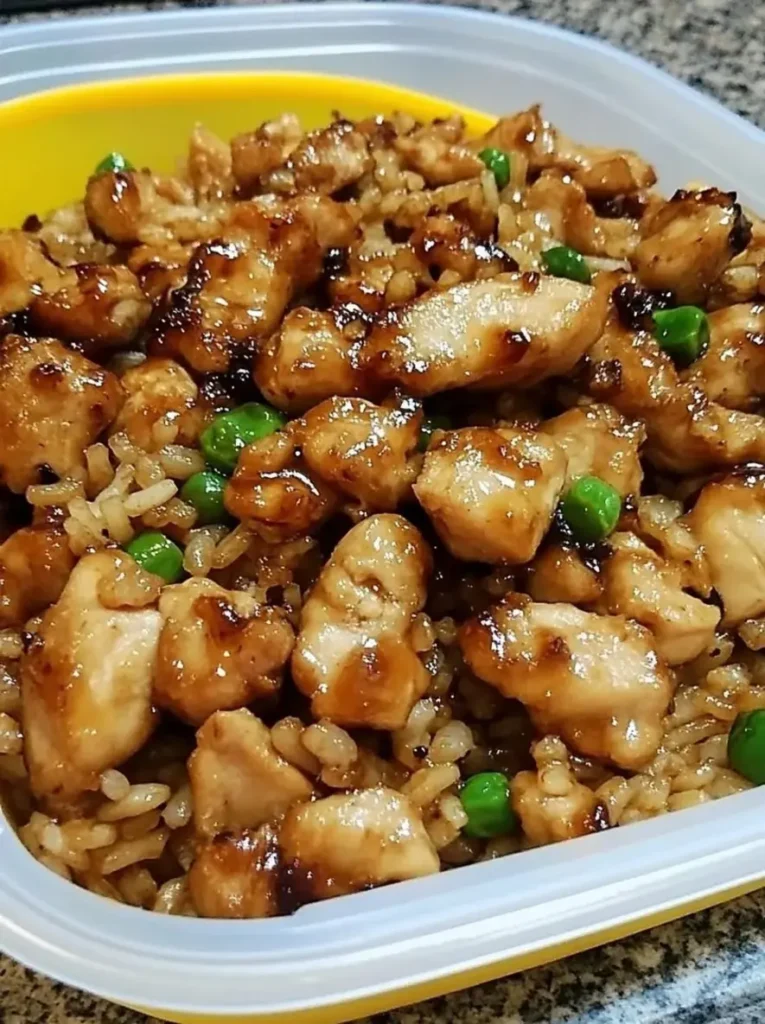
The first time I stepped into a Japanese steakhouse in Midtown Manhattan, I was mesmerized by the sizzle, the theatrical toss of the spatula, and that intoxicating aroma of butter and soy hitting a blistering hot griddle. Coming from a Moroccan kitchen where cumin and coriander reign, and with a French culinary education that taught me the alchemy of butter sauces, I knew I had to bring this hibachi chicken fried rice home. But I wanted to push it further—not just mimic the restaurant version, but elevate it with the richest garlic butter I could whip up, reminiscent of a Parisian beurre composé. This Japanese steakhouse-style hibachi chicken fried rice with garlic butter and vegetables is the result: a fast, weeknight-friendly dish that tastes like dinner and a show.
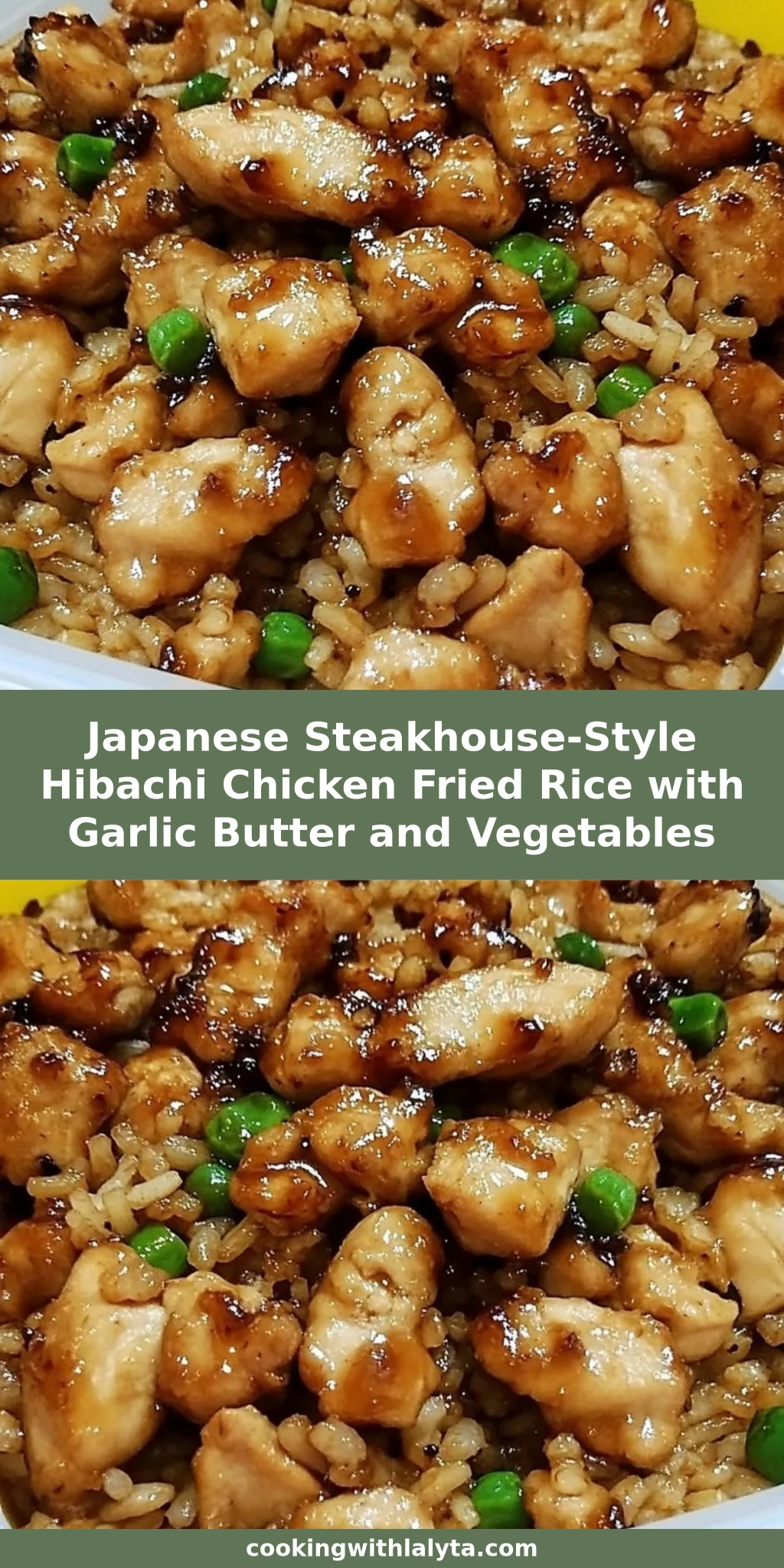
Imagine fluffy, slightly crisped grains of rice, each one coated in a glossy, garlic-infused butter that melts as soon as it hits your tongue. Tender chunks of chicken thigh, seared to golden perfection, mingle with sweet pops of carrot and peas, while a whisper of sesame oil ties everything together. The eggs are soft and scrambled just right, not dry, and the white pepper adds that classic steakhouse warmth without overpowering. This isn’t just fried rice—it’s a sensory experience that smells like toasted sesame and nutty butter, tastes deeply savory with a hint of sweetness, and crackles faintly as you dig in.
What makes my version stand out is the garlic butter. I don’t just melt a pat on top—I fold it in at the end so it emulsifies with the pan juices, creating an almost creamy sauce that brings the whole dish together. I learned this trick while making a beurre blanc in Paris; the same principle applies. In this post, I’ll share exactly how to achieve that velvety finish at home with a simple skillet. I’ll also warn you about one huge mistake—using freshly cooked, hot rice—and give you my day-ahead meal prep trick that makes this 30-minute meal even faster.
Why This Hibachi Chicken Fried Rice Recipe Is the Best
The Flavor Secret: The soul of this dish lies in the garlic butter, and I treat it as a key ingredient, not an afterthought. While traditional hibachi fried rice relies on a quick squirt of butter and soy, my recipe uses a full quarter-cup of homemade garlic butter—made by blending softened unsalted butter with freshly minced garlic and a pinch of salt. When it hits the hot pan at the end, it doesn’t just melt; it froths, toasting the garlic slightly and creating a nutty, rich base that clings to every grain of rice. This technique I honed while making escargots à la bourguignonne in culinary school, where garlic butter must be assertive yet balanced. It transforms a simple fried rice into something sumptuous.
Perfected Texture: The key to authentic Japanese steakhouse fried rice is the texture—dry, separated grains with a hint of crispiness. I achieve this by insisting on day-old refrigerated rice. The chilling process retrogrades the starch, so the grains stay firm and separate when stir-fried on high heat. My Paris training taught me to respect precise technique: I break up every clump with my fingers before the rice hits the pan, and I never, ever stir too gently—a vigorous toss ensures each grain gets kissed by the oil and butter. This is not a dish to baby; it needs quick, confident movements.
Foolproof & Fast: Even if you’ve never used a wok, you can make this chicken fried rice with vegetables in a large skillet in under 30 minutes. I’ve designed the method to be forgiving: sear the chicken first and set it aside, so it stays juicy; scramble the eggs directly in the same pan to build flavor layers; and add the garlic butter off the heat for foolproof emulsification. Because I’ve tested this dozens of times in my tiny NYC galley kitchen, I know exactly where beginners stumble—like overloading the pan or not having everything prepped. That’s why each step includes a visual cue and a pro tip. This recipe makes everyone feel like a hibachi master.
Hibachi Chicken Fried Rice Ingredients
When I’m gathering mise en place for this hibachi fried rice recipe, I like to pretend I’m in my Paris chef whites, everything prepped and at my fingertips. These are all ingredients you can find at any well-stocked US grocery store—I pick up my vegetables at the Union Square Greenmarket when I can, but frozen peas are a lifesaver. My mother in Morocco would never have used butter like this, but I consider it my French training meeting my love for Japanese flavors. Take a moment to measure everything out; the actual cooking goes fast.
Ingredients List
- 2 cups cooked and chilled white rice (preferably day-old)
- 1 lb boneless skinless chicken thighs, cut into bite-sized pieces
- 1/4 cup garlic butter (room temperature)
- 2 tablespoons vegetable oil (divided)
- 1 small onion (diced)
- 1 medium carrot (finely diced)
- 1/2 cup frozen peas
- 2 large eggs (lightly beaten)
- 3 tablespoons soy sauce
- 1 tablespoon sesame oil
- 2 green onions (sliced)
- Salt and white pepper to taste
Ingredient Spotlight
Day-Old White Rice: This is non-negotiable for true hibachi texture. Freshly cooked rice is too moist and will steam in the pan, turning gummy. Medium-grain or short-grain Japanese-style rice works best, but even standard long-grain white rice will do if you can’t find Calrose. If you absolutely must use freshly made rice, spread it out on a sheet pan and chill in the freezer for 20 minutes uncovered to dry it out—but the texture won’t be exactly the same. Day-old is really the key here.
Garlic Butter: Making your own is so simple: let 1/4 cup (half a stick) unsalted butter come to room temperature, then mash in 4 fat cloves of minced garlic and a pinch of salt. You can do this an hour ahead or even a few days in advance. If you’re in a pinch, melt butter with minced garlic and allow it to cool slightly until it solidifies again—not ideal but it works. Do not use garlic powder here; the fresh garlic bits are what create that toasted, savory depth. In France, we’d call this beurre d’ail, and it’s beautiful.
Chicken Thighs: I opt for boneless, skinless thighs because they stay juicy under high heat and carry more flavor than breast meat. Dice them uniformly into 1-inch pieces so they cook evenly. You can substitute boneless skinless breasts, but watch the timing carefully—they’ll cook in about 3 minutes, and you must not overcook or they’ll dry out. For a vegetarian twist, extra-firm tofu pressed and cubed makes a great swap; see the variation section.
Soy Sauce & Sesame Oil: Use a standard Japanese-style soy sauce like Kikkoman—nothing too dark or sweet. The sesame oil is the finishing toasty aroma; you only need a tablespoon, but heated sesame oil can burn, so we add it with the soy to the rice before the butter. If you don’t have sesame oil, a very light drizzle of toasted sesame seeds can hint at the flavor, but it’s worth keeping a bottle in your pantry—it’s a staple in my NYC kitchen.
| Original Ingredient | Best Substitution | Flavor / Texture Impact |
|---|---|---|
| Day-old white rice | Chilled brown rice or cauliflower rice | Brown rice adds nuttiness, slightly chewier; cauliflower rice will be softer, more delicate, and need less cook time. |
| Garlic butter | Vegan butter + minced garlic | Similar richness, though dairy-free butter may not brown as well; flavor stays close. |
| Chicken thighs | Firm tofu (pressed, cubed) or large shrimp | Tofu provides mild, absorbent protein; shrimp cooks even faster (about 2 min) and adds a sweet seafood note. |
| Soy sauce | Tamari or coconut aminos | Tamari is gluten-free and slightly richer; coconut aminos are sweeter and less salty, so adjust salt. |
How to Make Japanese Steakhouse-Style Hibachi Chicken Fried Rice with Garlic Butter and Vegetables — Step-by-Step
You don’t need a flat-top grill to achieve that restaurant-style sizzle—just a well-seasoned cast-iron skillet or a large wok, and a commitment to high heat. The whole process moves swiftly, so have all your ingredients prepped and within arm’s reach. Let’s walk through each step together.
Step 1: Sear the Chicken
Heat 1 tablespoon of vegetable oil in a large skillet or wok over high heat until it shimmers and the surface just begins to smoke faintly. Add the chicken pieces in a single layer (cook in two batches if your pan is crowded—crowding will steam, not sear). Let the meat sizzle undisturbed for about 2 minutes to develop a golden crust, then stir-fry for another 2–3 minutes until cooked through and no longer pink inside. Remove the chicken to a clean plate and set aside.
💡 Lalybeth’s Pro Tip: Always let the oil get hot enough that the chicken sizzles loudly the moment it hits the pan. A quiet hiss means the temperature is too low and you’ll miss out on that caramelized exterior that mimics a flat-top grill.
Step 2: Sauté the Vegetables
Reduce the heat to medium-high and add the remaining 1 tablespoon oil. Immediately toss in the diced onion and carrot. Stir-fry for 3 minutes until the onion is translucent and the carrot has softened slightly but still has a bit of bite. Add the frozen peas directly from the freezer—no need to thaw—and cook for another minute, stirring constantly. The peas will warm through and retain their bright green color.
⚠️ Common Mistake to Avoid: Don’t add the peas too early; they can become mushy and lose their pop. Just 60 seconds is perfect to defrost and heat them without overcooking.
Step 3: Scramble the Eggs in the Same Pan
Push the vegetables to one side of the skillet, creating an empty half. Pour in the lightly beaten eggs onto that bare surface. Let them set for about 20 seconds, then break them apart with your spatula and scramble until just cooked through—soft, fluffy curds, not dry. Once set, stir together with the vegetables to incorporate.
💡 Lalybeth’s Pro Tip: For that classic hibachi egg texture, don’t over-scramble. You want ribbons of egg, not tiny grains. Once mixed with the vegetables, they’ll continue cooking a bit, so aim to pull them off the direct heat when they still look a touch glossy.
Step 4: Add the Rice and Seasonings
Increase the heat back to high. Add the chilled rice to the pan, breaking up any clumps with your fingers as you drop it in. Drizzle the soy sauce and sesame oil evenly over the rice. Using a spatula or a pair of large spoons, toss everything together vigorously, making sure the rice gets coated in the oil and soy. Fry for about 2 minutes, pressing the rice down gently to let it lightly crisp on the bottom, then tossing again.
⚠️ Common Mistake to Avoid: If you dump the rice in as a solid block from the fridge, it will take forever to break apart and may become gummy. Crumble it with your hands first, and work quickly. High heat is your friend here—don’t be shy.
Step 5: Combine and Finish with Garlic Butter
Return the seared chicken to the pan. Add the garlic butter in small dollops across the rice. Stir constantly for about 2 minutes until the butter melts completely and creates a light, glossy sauce that coats every grain. The garlic will release its aroma and begin to toast lightly, mingling with the sesame and soy. You’ll see the rice turn a shade richer and smell irresistible.
💡 Lalybeth’s Pro Tip: If your garlic butter is cold from the fridge, it can seize up and not distribute evenly. Take it out when you start prepping so it’s soft and ready to melt quickly. You want it to emulsify, not just sit as pools of oil.
Step 6: Finish and Serve
Remove the pan from heat. Sprinkle with the sliced green onions and toss once more. Season with salt and white pepper to taste—the white pepper is traditional, with a gentle heat that doesn’t distract the eye. The fried rice should be steaming, fragrant, and each grain distinct.
⚠️ Common Mistake to Avoid: Over-salting before tasting. Soy sauce already adds sodium, so start with a small pinch of salt and a dash of white pepper, then adjust. Remember, you can always add more at the table.
| Step | Action | Duration | Key Visual Cue |
|---|---|---|---|
| 1 | Sear chicken | 4-5 min | Golden crust on chicken; no pink inside |
| 2 | Sauté vegetables | 4 min | Onion translucent, carrot tender-crisp, peas bright green |
| 3 | Scramble eggs | 1-2 min | Soft, fluffy curds, not dry |
| 4 | Add rice & season | 2 min | Rice clumps broken, evenly coated, slight crisping |
| 5 | Add chicken & garlic butter | 2 min | Butter melted, garlic aromatic, glossy sauce forms |
| 6 | Finish & serve | 1 min | Green onions folded in, steam rising |
Serving & Presentation
I love piling this garlic butter hibachi fried rice into shallow bowls, reminiscent of the simple yet elegant presentations I learned in Paris. A final shower of toasted sesame seeds and an extra toss of fresh green onion brings color and crunch. You can also serve it family-style on a large platter, letting everyone dig in—that’s how my mom would do it in Morocco, a generous heap in the center of the table. For a restaurant feel, offer chopsticks and small dipping dishes of sriracha mayo or a dollop of yum yum sauce on the side.
In my NYC kitchen, this dish often stands alone as a complete meal because of the chicken and eggs, but if you’re hosting, it pairs beautifully with a simple miso soup or a crisp cucumber sunomono salad. When I want to channel the full hibachi experience, I serve it alongside seared shrimp or a side of grilled zucchini. For drinks, an ice-cold Japanese beer like Asahi or Sapporo cuts the richness, or try a chilled sake. My mother’s influence appears when I add a side of spicy harissa carrots—an untraditional but delicious Moroccan twist.
| Pairing Type | Suggestions | Why It Works |
|---|---|---|
| Side Dish | Miso soup, cucumber sunomono, steamed edamame | Light, refreshing, and traditional Japanese starters that balance the garlic butter richness. |
| Sauce / Dip | Yum yum sauce, sriracha mayo, ponzu | Creamy and tangy sauces add a cooling contrast or a spicy kick that complements the savory rice. |
| Beverage | Japanese lager (Asahi, Sapporo), cold sake, green tea | Beer cuts through fat, sake’s clean finish resets the palate, tea soothes. |
| Garnish | Toasted sesame seeds, extra green onion, pickled ginger | Adds texture, freshness, and a palate-cleansing bite. |
Make-Ahead, Storage & Reheating
I often whip up a double batch on Sunday evenings so my weeknights in the city don’t revolve around takeout. This hibachi chicken fried rice holds up remarkably well in the fridge, and honestly, the flavors meld even more by the next day. I store it in individual glass meal-prep containers, ready to grab and go. For the best texture upon reheating, skip the microwave and use a hot skillet—the butter and oil revive and you get that fresh-off-the-grill feel.
| Method | Container | Duration | Reheating Tip |
|---|---|---|---|
| Refrigerator | Airtight glass or plastic container | Up to 4 days | Reheat in a nonstick skillet over medium-high with a splash of water, tossing until steaming hot. Microwave works but will soften the rice. |
| Freezer | Freezer-safe bag or container (press out air) | Up to 2 months | Thaw overnight in fridge, then reheat in skillet. Avoid microwave from frozen—ice crystals will make it soggy. |
| Make-Ahead | Store components separately: chicken, vegetables, rice, garlic butter | Prep 2 days ahead | Assemble cold ingredients in pan straight from fridge; stir-fry with extra tablespoon oil first, then proceed. |
When reheating from the fridge, I add a tiny splash of water and cover the skillet for 30 seconds to create steam, then uncover and toss to crisp. This revives the dish almost to its original glory. If using a microwave (desperate times!), sprinkle a few drops of water and cover loosely, heating in 30-second bursts, stirring in between. The flavor will still be wonderful, though the rice loses that desired crisp edge. That’s why I always recommend the skillet method if you can spare an extra few minutes.
One last note on freezing: the eggs may become slightly rubbery, and the peas a bit softer, but overall the dish survives the freezer better than many rice dishes. Just be sure to cool the fried rice completely before freezing, and for best results, portion it flat in a freezer bag so it thaws evenly. It’s a lifesaver on days when cooking feels impossible.
Variations & Easy Swaps
| Variation | Key Change | Best For | Difficulty Impact |
|---|---|---|---|
| Shrimp Hibachi Fried Rice | Swap chicken for large peeled shrimp | Seafood lovers; faster protein option | Still Easy, but shrimp cook in 2 minutes, so be ready to pull them quickly. |
| Vegetarian Tofu Hibachi Rice | Replace chicken with pressed, cubed firm tofu | Meatless Mondays; plant-based diets | Easy, but tofu needs draining and a good sear to get crispy edges. |
| Spicy Moroccan-Inspired Twist | Add 1 tsp harissa paste and a pinch of cumin with garlic butter | Those who love heat and a North African flavor | Still Easy—just stir in harissa when adding butter. |
Shrimp Hibachi Fried Rice
For a seafood twist, use about 1 pound of large shrimp, peeled and deveined. Pat them very dry before searing—this is a trick I picked up in Paris for getting a good crust on scallops. Sear the shrimp over high heat with a little oil for about 1 minute per side until just pink, then remove and follow the rest of the recipe. The natural sweetness of shrimp pairs beautifully with the garlic butter and soy. Just be careful not to overcook them; they’ll finish cooking in the residual heat when you toss them back in at the end.
Vegetarian Tofu Hibachi Fried Rice
I’ve made this version many times for friends who follow a plant-based diet. Use a 14-oz block of extra-firm tofu. Press it for at least 20 minutes under a heavy pan to remove excess water—this ensures it crisps, not steams. Cube it into bite-size pieces, then sear in a little oil until golden on all sides before setting aside. The tofu will absorb the garlic butter beautifully. For an extra umami punch, you can marinate the tofu in a splash of soy sauce and sesame oil for 10 minutes before frying. It’s every bit as satisfying as the chicken version.
Spicy Moroccan-Inspired Harissa Hibachi Fusion
This is where my two culinary worlds collide. When I crave the warmth of my mother’s kitchen, I stir a teaspoon of good-quality harissa paste into the garlic butter just before adding it to the rice. A small pinch of ground cumin goes in with the vegetables. The result is smoky, spicy, and utterly unique. It’s not traditional hibachi, but it’s deliciously bold. In my NYC circle, this version has become a potluck favorite. If you like heat, this is the variation to try.
What type of rice is best for Japanese hibachi chicken fried rice?
The absolute best rice for hibachi fried rice is medium-grain white rice, like Calrose, that’s been cooked and then completely chilled—ideally overnight. The chilling process dries out the grains and retrogrades the starch, so they stay separate and firm during high-heat stir-frying. If you can’t find Calrose, any day-old long-grain white rice will work, but avoid short-grain sushi rice unless you handle it carefully because it can be sticky. Freshly cooked rice absorbs too much moisture and turns gummy; don’t even try it. In a pinch, spread hot rice on a sheet pan and freeze for 20 minutes uncovered, but the texture won’t be quite the same. For a healthier spin, you can use cooled brown rice, though it will be chewier and nuttier.
Can I substitute the chicken with shrimp or tofu in hibachi fried rice?
Absolutely! Both shrimp and tofu are excellent substitutes and turn this into a versatile dish. For shrimp, use large raw shrimp peeled and deveined; pat them very dry and sear quickly—about 1 minute per side—until just pink, then remove and follow the recipe as written, adding them back with the garlic butter at the end. For tofu, press a block of extra-firm tofu for at least 20 minutes to remove water, cube it, and sear in a little oil until golden on all sides. The tofu will soak up the garlic butter and soy sauce beautifully. Keep in mind shrimp cooks even faster than chicken, so stay attentive. Both swaps maintain the integrity of the dish and are often requested in my kitchen.
How do I get that authentic hibachi flavor without a flat-top grill?
The secret to replicating hibachi taste at home is all about high heat and the right fat. Use a large cast-iron skillet or a wok; let it become screaming hot before adding oil. Vegetable oil with a high smoke point sears the meat and vegetables without burning, and the garlic butter added at the end provides that iconic rich, toasty finish. The combination of soy sauce and sesame oil over blazing heat creates a slight char and smokiness that mimics a flat-top. Also, don’t overcrowd the pan—cook in batches if needed—and use day-old rice so it crisps instead of steaming. Prepping everything in advance (mise en place) allows you to work quickly and get that sizzling hibachi rhythm right at home.
What vegetables are traditionally used in Japanese steakhouse-style fried rice?
In classic Japanese steakhouse hibachi fried rice, you’ll typically find diced onion, finely chopped carrot, and often peas, which is what this recipe uses. Sometimes you’ll see small bits of zucchini or broccoli, but those are more modern additions. The vegetables are cut small so they cook quickly and distribute evenly through the rice. I stick with the traditional trio—onion, carrot, and peas—because they offer a balance of sweetness, crunch, and color without overpowering the delicate garlic butter and soy flavors. Feel free to add in finely chopped bell pepper or mushrooms if you like, but keep them small. The key is that vegetables should be tender-crisp, not mushy.
Can I make hibachi fried rice ahead of time?
Yes, and it’s a fantastic make-ahead meal. The fried rice holds well in the refrigerator for up to 4 days. To reheat, I highly recommend using a skillet over medium-high heat with a splash of water and a quick toss until steaming—this revives the texture better than a microwave. You can also freeze it for up to 2 months in an airtight container; just thaw overnight in the fridge before reheating. For best results, cool the rice completely before storing. The flavors actually develop overnight, making it even tastier the next day. That’s why I often double the recipe and portion it out for busy NYC weeknights.
Is garlic butter really necessary for hibachi fried rice?
While many hibachi recipes just use regular butter and garlic powder, I believe proper garlic butter made with fresh minced garlic is a game-changer. It’s what sets apart a restaurant-quality fried rice from a mediocre one. The fresh garlic bits toast in the hot pan, releasing an aromatic flavor that infuses the entire dish. If you don’t have garlic butter, you can quickly make a substitute by melting butter with minced garlic and cooling it until solid, but do not skip the garlic entirely—it provides the signature umami depth. In a pinch, 1 teaspoon garlic powder mixed with 1/4 cup melted butter can work, though the texture won’t have those delightful garlic specks.
What’s the difference between hibachi fried rice and regular fried rice?
Hibachi fried rice specifically refers to the style cooked on a flat-top grill at Japanese steakhouses, characterized by its use of butter, soy sauce, and often garlic, finished with a light char. Regular fried rice from Chinese cooking typically uses scallion oil, day-old rice, and a wider variety of seasonings like oyster sauce, and it can be drier. Hibachi fried rice is richer and buttery, with a distinct grilled flavor. The method is also slightly different: hibachi rice is cooked at extremely high heat on a large surface, with eggs scrambled alongside and vegetables and proteins cooked in sequence, then combined. My recipe captures that essence with a skillet and garlic butter.
Can I use brown rice or cauliflower rice for a low-carb version?
You can, but expect different results. Brown rice works nicely because its firmer texture holds up to stir-frying; just be sure it’s day-old and chilled for the best results. It adds a nutty flavor and more fiber. Cauliflower rice, however, contains a lot of water, so you must sauté it first in a dry pan to release moisture before proceeding with the recipe; otherwise, your fried rice will be soggy. I’ve made a low-carb version by simply swapping in 3 cups of cauliflower rice, sautéing it until dry, then following the rest of the steps. The butter and garlic flavors still shine. For keto dieters, this is a satisfying stand-in, though the texture is softer than traditional rice.
Why should I use white pepper instead of black pepper?
White pepper is the traditional choice in Japanese steakhouse cooking because it has a milder, earthier heat and doesn’t leave black specks in the light-colored rice and eggs, keeping the dish visually clean. Its flavor is slightly more fermented and gently spicy. Black pepper works in a pinch, but it stands out more and can overpower the delicate garlic butter. I keep a small jar of white pepper in my spice rack specifically for Asian dishes—it’s inexpensive and lasts forever. If you don’t have it, just use a very light hand with black pepper, or omit it entirely; the dish will still be delicious.
How can I make this hibachi fried rice spicy?
There are several easy ways to add heat. My favorite is stirring in 1 teaspoon of harissa paste (a nod to my Moroccan roots) along with the garlic butter—it gives a smoky, complex spice. You can also add a diced jalapeño or serrano when you sauté the vegetables, or simply drizzle sriracha or chili oil over the finished dish. For a Korean twist, a spoonful of gochujang with the soy sauce brings both sweetness and heat. Start with a small amount and taste; you can always build up. The creamy garlic butter mellows the spice beautifully, so don’t be afraid to experiment.
Share Your Version!
I truly hope this garlic butter hibachi fried rice brings a little restaurant magic into your home kitchen. When you make it, I’d love to hear how it turns out. Did you try the shrimp version? Did you sneak in some harissa like my mom always does? Leave a star rating and comment below—it helps other cooks find trusted recipes and it makes my day.
Snap a photo of your creation and tag me on Instagram or Pinterest @cookingwithlalyta so I can share in the deliciousness. And if you’re hungry for more, my Pinterest boards are packed with easy weeknight meals and globally inspired dishes. One question I get asked often: what’s your favorite way to use leftover garlic butter? I’d love to see your ideas—share them in the comments. From my NYC kitchen to yours — I hope this recipe brings as much warmth to your table as it does to mine. — Lalybeth 🧡
Love This Recipe? Save It to Pinterest!
If you enjoyed this Japanese Steakhouse-Style Hibachi Chicken Fried Rice with Garlic Butter and Vegetables recipe, don’t let it get lost in your browser tabs! 😄 Pin it now so you can find it again anytime — and explore hundreds more tried-and-tested recipes waiting for you on my Pinterest boards.
👉 Follow Lalybeth on Pinterest @cookingwithlalyta
📌 Pin this recipe · 🔁 Re-pin your favorites · 💬 Tag me when you make it — I love seeing your creations!
Japanese Steakhouse-Style Hibachi Chicken Fried Rice with Garlic Butter and Vegetables
- Total Time: 30 minutes
- Yield: 4 1x
Description
This hibachi-style fried rice is packed with tender chicken, crisp vegetables, and rich garlic butter, replicating the flavors of a Japanese steakhouse right in your own kitchen.
Ingredients
- 2 cups cooked and chilled white rice (preferably day-old)
- 1 lb boneless skinless chicken thighs, cut into bite-sized pieces
- 1/4 cup garlic butter (room temperature)
- 2 tablespoons vegetable oil (divided)
- 1 small onion (diced)
- 1 medium carrot (finely diced)
- 1/2 cup frozen peas
- 2 large eggs (lightly beaten)
- 3 tablespoons soy sauce
- 1 tablespoon sesame oil
- 2 green onions (sliced)
- Salt and white pepper to taste
Instructions
- 1. Heat 1 tablespoon vegetable oil in a large skillet or wok over high heat. Sear chicken pieces until golden and cooked through, about 4-5 minutes. Remove and set aside.
- 2. Reduce heat to medium-high, add remaining oil. Sauté onion and carrot until softened, about 3 minutes. Add peas and cook 1 minute more.
- 3. Push vegetables to one side of the pan, pour eggs onto empty side. Scramble eggs until set, then mix with vegetables.
- 4. Add chilled rice to the pan, breaking up any clumps. Drizzle soy sauce and sesame oil over rice, tossing to combine.
- 5. Return chicken to the pan, add garlic butter, and stir until melted and rice is evenly coated. Cook 2 minutes, stirring constantly.
- 6. Remove from heat, stir in green onions. Season with salt and white pepper. Serve immediately.
Notes
For best texture, use day-old refrigerated rice. If you don’t have garlic butter, make a quick substitute by mixing softened butter with minced garlic and a pinch of salt.
- Prep Time: 15 minutes
- Cook Time: 15 minutes
- Method: Main Course
- Cuisine: Japanese
Nutrition
- Calories: 485
- Sugar: 4g
- Fat: 22g
- Carbohydrates: 38g
- Protein: 32g
Tried This Recipe? Leave a Comment!
Did you make this recipe? I’d love to hear how it turned out! Please leave a comment and a rating below. Your feedback helps other home cooks and supports cookingwithlalyta.com!
For more delicious inspiration, follow me on Pinterest!