Table of Contents
Rustic Slow-Cooked Beef Stew with Tender Mushrooms in a Rich Herb Gravy — My French-Trained Approach to Ultimate Comfort
I still remember the scent of my mother’s slow-simmering tagines in our Moroccan kitchen — the way the spices would mingle for hours until the meat fell apart at the mere touch of a spoon. Years later, after refining my technique at a Parisian culinary school and finding my rhythm as a professional cook in New York City, I’ve poured all that soul into this rustic slow-cooked beef stew with mushrooms. This isn’t just another chuck roast stew recipe; it’s my French-trained secret to building a deeply flavored herb gravy that coats every morsel of beef and earthy mushrooms. The first time I served it at a dinner party in my tiny Manhattan apartment, my guests scraped their bowls clean — and I knew I had to share this masterpiece.
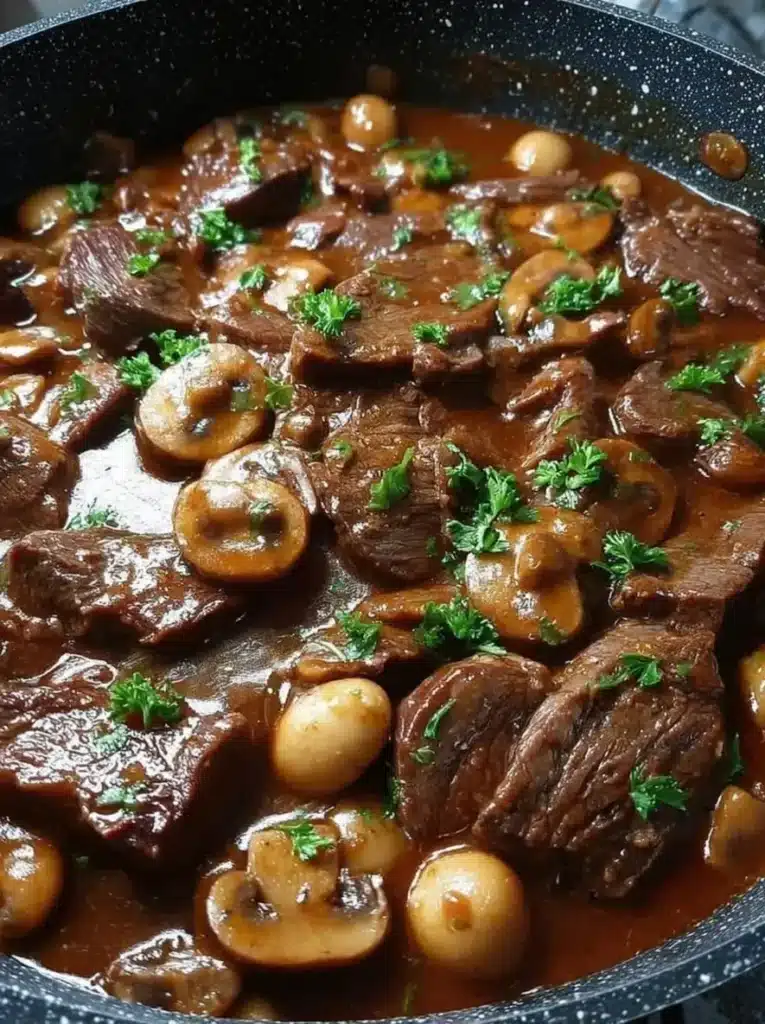
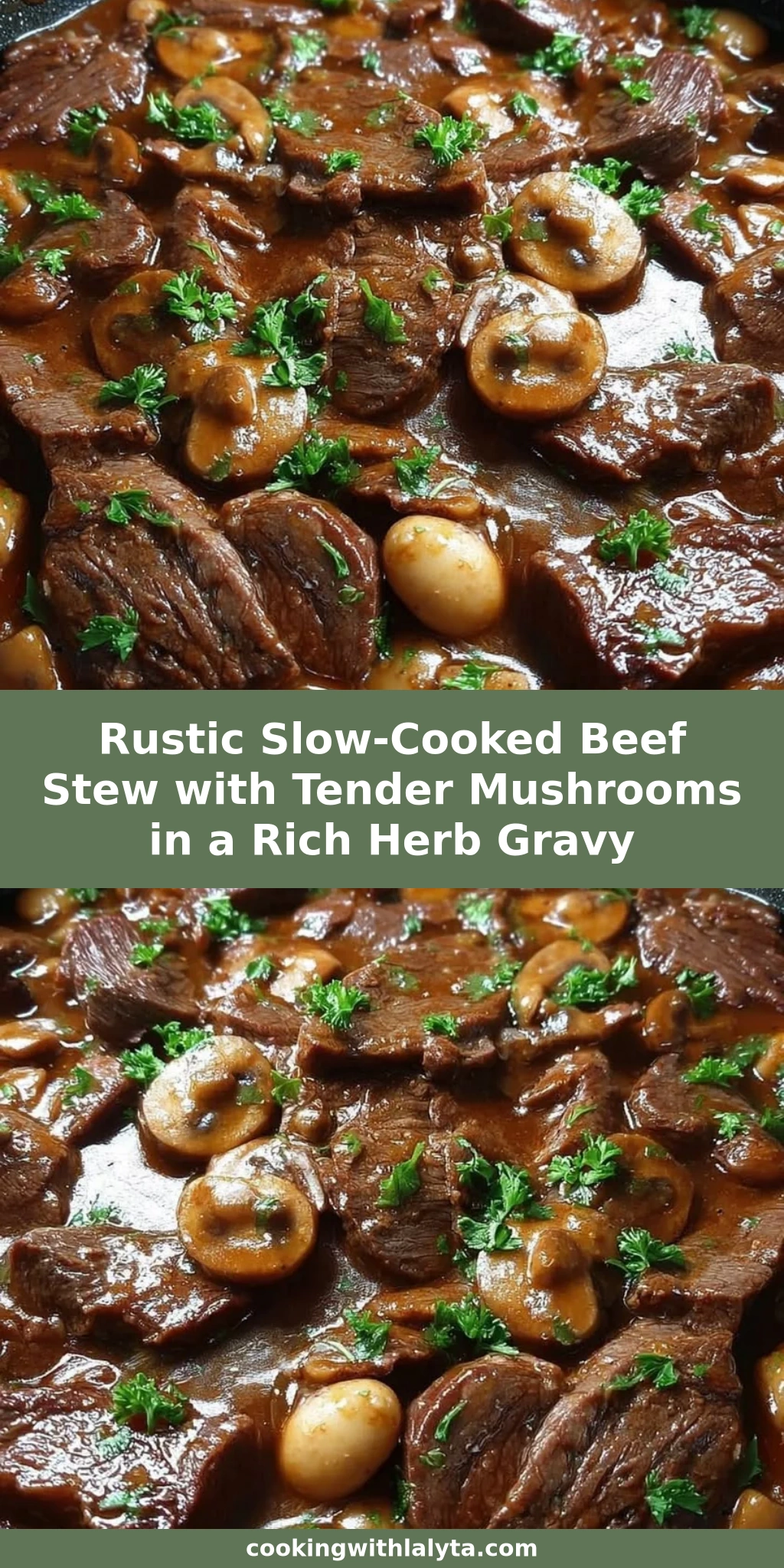
Picture this: chunks of beef chuck that have braised so low and slow they practically melt, mushrooms that have soaked up all the savory juices, carrots and celery adding a gentle sweetness, and a rich, herb-infused gravy that’s glossy and almost velvety. The aroma of rosemary and thyme fills your home, promising warmth on a chilly evening. Each spoonful delivers that luxurious mouthfeel only a properly built roux and a splash of dry red wine can create. It’s rustic elegance at its finest — the kind of meal that makes you want to curl up on the couch with a loved one and a good crusty bread to sop up every last drop.
What sets my version apart? I treat the vegetable base like a flavor paste, blooming the flour in the sautéed aromatics before deglazing — a trick I picked up while perfecting sauces in Paris. This builds a gravy that’s foolproof and never pasty. I also insist on searing the beef in batches, a step many home cooks rush, but it’s the backbone of deep, meaty flavor. One common pitfall I see is dumping all the broth at once and hoping for the best — but taking those extra five minutes to scrape up every browned bit from the pot is what transforms a good stew into an unforgettable one. Stick with me, and I’ll show you exactly how to nail it.
Why This Rustic Slow-Cooked Beef Stew Recipe Is the Best
The Flavor Secret: My culinary background taught me that a great stew isn’t just about long cooking — it’s about layering. I fuse the French fond technique (that glorious browning) with my Moroccan instinct for blooming dried herbs in fat. First, we sear the beef until it’s deeply caramelized, then sauté mushrooms and onion, coating them lightly in flour. That simple step creates a roux right in the pot, which later thickens the gravy without any gloppy lumps. Add red wine, tomato paste, and a careful blend of herbs, and you have a robust savoriness that tastes like it’s been simmering all day, even if you only have a few hours.
Perfected Texture: The star of a rustic beef stew is undeniably the meat, and I’ll guide you to choose the right cut. Beef chuck is ideal — it has enough marbling to break down into silky strands, yet holds its shape. Here’s a professional tip: cut the cubes uniformly (about 1 inch), pat them dry, and don’t overcrowd the pan. That way, each piece develops a crust that not only adds flavor but also helps the gravy cling. The mushrooms, meanwhile, contribute an earthy chew, while the carrots and celery soften just enough to provide a pleasant bite. Every spoonful offers a balanced texture — not mushy, not tough.
Foolproof & Fast (Enough): I designed this mushroom beef stew recipe for real life. You spend about 20 minutes actively at the stove, then the oven or stovetop does the rest. It’s forgiving: if you accidentally simmer an extra 30 minutes, the beef only becomes more tender. I’ll include both pro tips and common-mistake alerts at every turn, so even a beginner can achieve outstanding results. Whether you’re cooking for a family dinner or meal-prepping for the week, this stew delivers that “chef-made” comfort without the stress. Once you master the technique, you’ll find yourself riffing with seasonal vegetables or playing with the herb blend — just like I do in my NYC kitchen when I hit the farmers market.
Slow Cooked Beef Stew with Mushrooms Ingredients
On a crisp autumn Saturday, I love heading to the Union Square Greenmarket to hunt for fresh cremini mushrooms and the brightest carrots I can find. The earthiness of the mushrooms pairs beautifully with the hearty beef, and the local produce adds a sweetness that no bagged carrot can match. In my Moroccan upbringing, we’d never settle for less than the best ingredients — and I carry that philosophy into every recipe I share. Here’s what you’ll need, with notes on where a little swap can still yield a wonderful pot of stew.
Ingredients List
- 2 lbs beef chuck, cut into 1-inch cubes
- 2 tablespoons olive oil
- 1 large onion, chopped
- 3 cloves garlic, minced
- 8 oz cremini mushrooms, sliced
- 2 carrots, peeled and sliced
- 2 celery stalks, sliced
- 3 tablespoons all-purpose flour
- 4 cups beef broth
- 1 cup dry red wine (optional, see substitution)
- 2 tablespoons tomato paste
- 2 bay leaves
- 1 teaspoon dried thyme
- 1 teaspoon dried rosemary
- 1 teaspoon salt
- 1/2 teaspoon black pepper
- 1 cup frozen peas (optional)
- 2 tablespoons chopped fresh parsley for garnish
Ingredient Spotlight
Beef Chuck: This is the gold standard for any slow-cooked beef stew with mushrooms. Chuck comes from the shoulder, generous with marbling and connective tissue that melts into rich gelatin during the long braise. Look for well-marbled pieces at your butcher counter; ask them to cut a 2‑lb roast into 1‑inch cubes if you’re short on time. If you must substitute, brisket works decently, though it may be slightly leaner. In a pinch, beef round can be used, but you’ll sacrifice some tenderness — bump the simmer time by 30 minutes and watch for dryness.
Cremini Mushrooms: Often labeled “baby bellas,” these mushrooms hold their shape and deliver a deeper, more savory flavor than white button mushrooms. I slice them about ¼‑inch thick, so they absorb the gravy but retain a pleasant bite. If you can’t find creminis, white button mushrooms are the next best choice; they’re milder but still provide that earthy element. For a more intense umami punch, try a handful of dried porcini mushrooms soaked in warm water — add both the mushrooms and the soaking liquid to the pot.
Red Wine (optional): Dry red wine, like a Cabernet Sauvignon or Merlot, adds acidity and depth that make the gravy truly luxurious. It’s not mandatory — I often make it without wine for a simple weeknight version; just replace it with an equal amount of beef broth. If you’re avoiding alcohol, unsweetened pomegranate juice can offer a similar fruity acidity (use ½ cup). The stew will still be delicious, just a tad less complex. When I’m feeling Parisian, I’ll pour a glass of the same wine to sip while cooking — it’s part of the ritual!
Dried Thyme & Rosemary: These two herbs are the backbone of the rich herb gravy. Dried herbs are stronger and hold up better during long cooking than fresh. If you have fresh on hand, triple the amount and add them toward the end for a brighter note. No rosemary? Use a teaspoon of dried oregano mixed with a pinch of crushed fennel seeds. Thyme is harder to replace, but you can use a small amount of dried sage — just remember sage is potent, so start with ½ teaspoon.
| Original Ingredient | Best Substitution | Flavor / Texture Impact |
|---|---|---|
| 2 lbs beef chuck | Beef brisket (flat cut) | Slightly leaner, but still tender; may need 30 extra minutes |
| 8 oz cremini mushrooms | White button mushrooms | Milder flavor; same texture |
| 1 cup dry red wine | 1 cup beef broth + 1 tsp red wine vinegar | Loses fruity depth, but acidity mimics the wine’s edge |
| 1 tsp dried rosemary | 1 tsp dried oregano + pinch crushed fennel | More aromatic, slightly sweeter; still pairs beautifully with beef |
How to Make Rustic Slow-Cooked Beef Stew with Tender Mushrooms — Step-by-Step
Let me walk you through the steps, just like I would in my own NYC kitchen. We’ll build flavor in layers, and I’ll point out exactly where a little extra care makes all the difference. Trust your senses — the sizzle of browning beef, the fragrant steam, and that first taste of the gravy are all your guides.
Step 1: Brown the Beef
Pat 2 lbs of beef chuck cubes very dry with paper towels; moisture is the enemy of a good sear. In a large Dutch oven over medium-high heat, warm 2 tablespoons of olive oil until it shimmers. Add only one layer of beef — about a third of the cubes — and let them sit without moving for 3-4 minutes until a deep brown crust forms. Flip and brown the other sides, then transfer the beef to a plate. Repeat with remaining batches, adding a bit more oil if needed. This step typically takes 10-12 minutes total and creates the savory foundation for your stew.
💡 Lalybeth’s Pro Tip: Don’t touch the beef for those first few minutes. Let the pot do the work! If the meat sticks initially, it will release naturally once properly browned. If you try to flip too soon, you’ll tear the crust and lose that flavor.
Step 2: Sauté the Aromatics and Vegetables
Lower the heat to medium. In the same pot (with the flavorful browned bits), add the chopped onion and minced garlic. Stir frequently for about 3 minutes until the onions turn translucent and garlic is fragrant. Add the sliced mushrooms, carrots, and celery, spreading them into an even layer. Cook for 5 minutes, stirring occasionally, until the mushrooms begin to release their liquid and the edges just start to brown. The vegetables will soften slightly and take on a delicious toasted note.
⚠️ Common Mistake to Avoid: Rushing the mushroom cook time. If you move them too much or the heat is too low, they’ll steam instead of browning. Let them sit undisturbed for a couple of minutes before stirring to develop that golden color.
Step 3: Create the Roux Base
Sprinkle 3 tablespoons of all-purpose flour evenly over the cooked vegetables. Stir well, making sure every piece gets coated. Cook for exactly 1 minute, stirring constantly to eliminate the raw flour taste. You’ll notice the mixture becomes slightly pasty and starts to smell nutty. This flour-vegetable roux will thicken the gravy beautifully later on without any lumps.
💡 Lalybeth’s Pro Tip: Keep a wooden spoon or spatula handy and scrape the bottom of the pot during this minute. The flour can scorch quickly if it sits, so constant motion is key. If you detect a burnt smell, lower the heat and add a splash of broth to cool things down.
Step 4: Deglaze and Build the Gravy
Here’s where the magic happens. Pour in 1 cup of dry red wine (if using) and immediately start scraping the bottom of the pot with a wooden spoon to lift up every single browned bit. Let the wine bubble for about 1 minute to reduce slightly. Then add 4 cups of beef broth, 2 tablespoons of tomato paste, 2 bay leaves, 1 teaspoon dried thyme, 1 teaspoon dried rosemary, 1 teaspoon salt, and ½ teaspoon black pepper. Stir until the tomato paste dissolves and the liquid is smooth.
⚠️ Common Mistake to Avoid: Adding all the liquid before scraping the fond. Those stuck-on bits are pure flavor; if you pour broth directly over them without deglazing, you’ll miss out on deep, savory richness. Take a minute to thoroughly scrape, then add the broth.
Step 5: Slow-Simmer to Tenderness
Return the browned beef (along with any accumulated juices on the plate) to the pot. Give everything a gentle stir. Increase the heat to high and bring the liquid to a full boil, then immediately reduce to the lowest simmer setting. Cover tightly with a lid and let it cook for 2 to 3 hours. Check after 2 hours: the beef should be fork‑tender and the gravy reduced and thickened. If the meat still feels chewy, cover and simmer for another 30 minutes, checking periodically. The aroma alone will tell you it’s almost ready.
💡 Lalybeth’s Pro Tip: For the most tender result, keep the pot at a gentle bubble — not a rapid boil. Boiling can make the beef tough by squeezing out moisture. If you’re around during the last hour, crack the lid just slightly to let the gravy reduce and intensify further.
Step 6: Finish with Peas and Adjust
During the final 15 minutes of cooking, stir in 1 cup of frozen peas if you’re using them. They’ll warm through without turning mushy. Fish out and discard the bay leaves. Taste the gravy and adjust the salt and pepper to your liking — sometimes I add a pinch more dried thyme at this stage for a fresh herb hit.
⚠️ Common Mistake to Avoid: Adding peas too early. Frozen peas need only a few minutes to cook; if they simmer for an hour, they’ll turn drab olive green and lose their pop. Stir them in right at the end for the best color and sweetness.
Step 7: Serve and Garnish
Ladle the stew into wide, shallow bowls. Sprinkle generously with 2 tablespoons of chopped fresh parsley — its brightness cuts through the richness. Serve immediately while piping hot. This stew is glorious on its own, but even better with a side you’ll find in the pairing guide below. Watch your family or guests smile; you’ve just made a restaurant‑worthy dish at home.
💡 Lalybeth’s Pro Tip: Let the stew rest off the heat for 5 minutes before serving. This brief pause allows the gravy to cool slightly and cling even better to the beef. And never skip the fresh parsley — it’s not just a garnish; it adds a fresh, herbal pop that elevates every bite.
| Step | Action | Duration | Key Visual Cue |
|---|---|---|---|
| 1 | Brown the beef | 10–12 mins | Deep brown crust on all sides, easily released from pan |
| 2 | Sauté aromatics & veg | 8 mins | Onions translucent, mushrooms lightly browned |
| 3 | Create roux base | 1 min | Flour absorbed, mixture glossy & nutty aroma |
| 4 | Deglaze & build gravy | 2–3 mins | All fond lifted, liquid integrated, no flour streaks |
| 5 | Slow-simmer | 2–3 hrs | Beef fork‑tender, gravy reduced & thickened |
| 6 | Finish with peas | 15 mins | Peas bright green, warmed through |
| 7 | Serve & garnish | 1 min | Steamy bowls, parsley scattered on top |
Serving & Presentation
I grew up eating stews ladled over steaming couscous, but here in America, I’ve fallen in love with serving this mushroom beef stew over a mound of buttery mashed potatoes or wide egg noodles. The way the rich herb gravy pools into the nooks of the potatoes is pure comfort. For a lighter touch, a slice of toasted sourdough or a scoop of creamy polenta works wonders. Garnish generously with the fresh parsley — it adds a pop of green that’s as appealing to the eye as it is to the palate.
When I entertain, I like to set the Dutch oven right on the table with a ladle, letting guests help themselves. A side of roasted Brussels sprouts or a simple green salad dressed with a sharp vinaigrette offers a nice contrast to the hearty stew. And don’t forget a glass of the same red wine you used in the pot, or if you’re in the mood for something non-alcoholic, a sparkling water with a twist of lemon mirrors the brightness perfectly.
| Pairing Type | Suggestions | Why It Works |
|---|---|---|
| Side Dish | Mashed potatoes, buttered egg noodles, crusty sourdough | Soaks up the rich gravy, adds comforting texture |
| Sauce / Dip | Horseradish cream, whole‑grain mustard | A little heat cuts through the richness |
| Beverage | Cabernet Sauvignon, stout beer, spiced apple cider (non‑alcoholic) | Wine echoes the stew’s depth; cider complements the herbal notes |
| Garnish | Fresh parsley, lemon zest, a drizzle of extra‑virgin olive oil | Adds freshness and visual appeal, balances the savory |
Make-Ahead, Storage & Reheating
I’m always looking for ways to make my busy NYC weeknights easier. This rustic beef stew recipe is my secret weapon: I make a big batch on Sunday, then reheat it on Tuesday when deadlines loom and a home-cooked meal feels like a luxury. The flavors actually deepen overnight, so you’ll be rewarded with an even more robust gravy.
| Method | Container | Duration | Reheating Tip |
|---|---|---|---|
| Refrigerator | Airtight glass container | Up to 4 days | Gently reheat on stovetop with a splash of broth; avoid boiling |
| Freezer | Freezer‑safe zip‑top bag, laid flat | Up to 3 months | Thaw overnight in fridge, then warm slowly; add peas after reheating |
| Make-Ahead | Store in the pot after cooling | 1–2 days in fridge | Can be made entirely a day ahead; reheat gently, add peas and parsley fresh |
When reheating from the fridge or freezer, always go low and slow. I like to place the stew in a saucepan, add a couple of tablespoons of beef broth or water to loosen the gravy, and warm over medium‑low heat, stirring occasionally. If the gravy seems too thick after thawing, that’s normal — a splash of broth fixes it right up. Avoid the microwave if you can; the uneven heat can toughen the beef. The stew tastes just as good — some say even better — on day two.
For meal‑prep: portion the cooled stew into individual containers before freezing. That way, you can grab a single serving for lunch. Just remember to leave out the peas if you plan to freeze; add them fresh when reheating for the best pop of color and sweetness.
Variations & Easy Swaps
| Variation | Key Change | Best For | Difficulty Impact |
|---|---|---|---|
| Moroccan-Spiced | Add cinnamon, cumin, ginger; swap wine for pomegranate juice | A bold, aromatic twist; dinner parties | Easy — just change spice blend |
| Gluten-Free & Dairy-Free | Replace flour with cornstarch slurry; omit optional peas or use GF broth | Those with gluten intolerance; clean eating | Easy — slurry thickener at end |
| Extra-Vegetable Harvest Stew | Add 1 cup cubed butternut squash and 1 parsnip; use vegetable broth | Fall farmers market bounty; vegetarian (substitute beef with mushrooms) | Medium — adjusting liquid and timing |
Moroccan-Spiced Beef Stew
Drawing from my childhood, I sometimes take this stew in a North African direction. Replace the dried thyme and rosemary with 1 teaspoon ground cumin, ½ teaspoon cinnamon, and a pinch of ground ginger. Swap the red wine for ½ cup unsweetened pomegranate juice (still keep the acidity), and stir in a handful of plump golden raisins and a few halved dried apricots during the last 30 minutes. The result is a fragrant, slightly sweet-and-savory dish that reminds me of family gatherings. Serve over couscous, and garnish with toasted slivered almonds and fresh cilantro. It’s a beautiful bridge between my Moroccan roots and my French training.
Gluten-Free & Dairy-Free
For a gluten-free rustic beef stew, simply omit the all-purpose flour and thicken the gravy at the end. After the stew has simmered and the beef is tender, make a slurry with 2 tablespoons cornstarch mixed with 3 tablespoons cold water. Stir it into the simmering liquid and cook for 2-3 minutes until the gravy turns glossy and coats the back of a spoon. Be sure to use a gluten-free beef broth. The flavor and texture remain almost identical; the cornstarch gives a clearer, slightly lighter gravy that still clings beautifully to the beef and mushrooms. I’ve tested this version many times for gluten-sensitive friends, and they rave about it.
Extra-Vegetable Harvest Stew
When the Union Square Greenmarket overflows with winter squash and root vegetables, I like to bulk up this stew with 1 cup of peeled, cubed butternut squash and one sliced parsnip. These sweet, earthy additions bring a new dimension to the slow-cooked beef stew with mushrooms. Add them along with the carrots and celery, but be aware that they release more liquid, so reduce the broth by ½ cup to avoid diluting the gravy. I’ve even made a vegetarian version by using meaty portobello mushrooms instead of beef and vegetable broth, though the cooking time shortens to about 45 minutes. It’s a flexible template that celebrates the season.
What is the best cut of beef to use for a rustic slow-cooked beef stew to keep it tender?
For the most tender and flavorful results, I always reach for beef chuck roast. This cut comes from the shoulder and has plenty of marbling, which slowly melts during the long braise, keeping the meat succulent. In my French training, we learned that tough, well-exercised muscles with connective tissue transform into gelatin-rich tenderness when simmered low and slow. If you can’t find chuck, brisket is a close second – just add 30 extra minutes of cooking time. Avoid lean cuts like sirloin or round, as they can turn dry and stringy no matter how carefully you cook them.
Can I substitute the mushrooms with other vegetables in this slow-cooked beef stew?
Absolutely, though you’ll miss that earthy depth mushrooms provide. I often swap in diced turnips, parsnips, or even extra carrots when mushrooms aren’t in season. If you want to keep some umami, a handful of chopped sun-dried tomatoes (not oil-packed) can mimic that savory punch. Another trick from my Paris days: soak dried porcini in warm water, then use both the mushrooms and the strained soaking liquid. Root vegetables will change the texture slightly – they’ll become soft and sweet, which is delicious – but they won’t replicate that meaty chew. The stew will still be hearty and satisfying.
How long should I slow-cook this beef stew with mushrooms and herb gravy for optimal flavor?
I find that 2 to 3 hours on a gentle stovetop simmer is the sweet spot. After 2 hours, the beef should be fork-tender and the gravy nicely reduced. If your stove runs hot, check at the 1.5-hour mark – the meat can become tough if boiled vigorously. For a slow cooker version, cook on LOW for 7-8 hours or HIGH for 4-5 hours. The longer it cooks (within reason), the more the herbs infuse the sauce. In my NYC kitchen, I often let it go the full 3 hours, then let it rest off heat for 10 minutes to allow the flavors to settle – and it’s even better the next day.
What are the best herbs to add to the rich gravy in a rustic beef stew?
My holy trinity for beef stew is dried thyme, rosemary, and bay leaves. Thyme lends a subtle, woodsy background; rosemary adds a piney punch; and bay leaves bring a savory depth that layers everything together. In my Moroccan kitchen, we’d sometimes add a pinch of dried mint for unexpected freshness. Stick with dried herbs during the simmer because they hold up to heat better than fresh – if you want a burst of green, stir in fresh parsley or a little fresh thyme at the end. Avoid overpowering options like sage or oregano unless you use a very light hand; they can dominate the delicate herb gravy.
How do I thicken the gravy if it’s too thin?
First, don’t panic – it’s an easy fix. My preferred method is the cornstarch slurry: mix 1 tablespoon cornstarch with 2 tablespoons cold water until smooth, then stir it into the simmering stew. Cook for 2-3 minutes, and it will thicken into a glossy gravy. If you’d rather stay true to the original method, you can mash a few of the cooked carrots or potatoes against the side of the pot and stir them in – this adds body naturally. Avoid adding raw flour directly, as it will taste pasty. Remember, the gravy will also thicken as it cools, so give it a moment off the heat before deciding.
Can I make this beef stew in a slow cooker or Instant Pot?
Yes, both methods work beautifully. For a slow cooker: brown the beef and sauté the vegetables as directed (don’t skip the searing!), then transfer everything to the slow cooker. Cook on LOW for 7-8 hours or HIGH for 4-5 hours. In an Instant Pot, use the Sauté function for the browning steps, then pressure cook on High for 35 minutes with a natural release. The gravy won’t reduce as much, so you may want to stir in a cornstarch slurry at the end. I find the stovetop version delivers the richest flavor, but these shortcuts are lifesavers on hectic days.
Is the red wine necessary, and what can I substitute?
Not at all – the stew is still deeply flavorful without it. I often leave the wine out when I’m cooking for my family on a regular weeknight. To replace the liquid, simply use an extra cup of beef broth. If you want to mimic wine’s acidity, add 1 teaspoon of red wine vinegar or a squeeze of lemon juice at the end. Pomegranate juice (½ cup) is a fantastic alcohol-free alternative, lending a similar fruity backbone. In my Parisian training, we used wine for its drying effect that concentrates flavors, but I’ve made it both ways dozens of times – and trust me, nobody misses it when you build that rich fond properly.
Can I freeze this rustic beef stew, and how do I reheat it?
Definitely. This stew freezes like a dream, making it a perfect meal prep powerhouse. Let it cool completely, then portion into freezer-safe containers or zip-top bags, squeezing out air. It will keep for up to 3 months. For best results, leave out the peas if you plan to freeze – add them fresh when reheating. To reheat, thaw overnight in the refrigerator, then warm gently in a saucepan over medium-low heat with a splash of broth. Avoid the microwave; the uneven heat can make the beef tough. The flavors will be even more concentrated, so you might need an extra pinch of salt and a squeeze of lemon to brighten it up.
Share Your Version!
I’d love to see how your rustic slow-cooked beef stew turns out! Drop a star rating and a comment below – tell me how you adapted it, what vegetables you threw in, or how your grandmother’s stew compares. Your stories are the heartbeat of this blog, and I read every single one. When you post on Instagram or Pinterest, be sure to tag me @cookingwithlalyta so I can swoon over your creation.
Did you try the Moroccan-spiced version, or did you riff with your own herb blend? I’m always so curious to hear how you make a recipe your own. And if you have a question that didn’t make it into the FAQ, ask away in the comments – I’m here to help you become the best home cook you can be.
From my NYC kitchen to yours — I hope this recipe brings as much warmth to your table as it does to mine. — Lalybeth 🧡
Love This Recipe? Save It to Pinterest!
If you enjoyed this Rustic Slow-Cooked Beef Stew with Tender Mushrooms in a Rich Herb Gravy recipe, don’t let it get lost in your browser tabs! 😄 Pin it now so you can find it again anytime — and explore hundreds more tried-and-tested recipes waiting for you on my Pinterest boards.
👉 Follow Lalybeth on Pinterest @cookingwithlalyta
📌 Pin this recipe · 🔁 Re-pin your favorites · 💬 Tag me when you make it — I love seeing your creations!

Rustic Slow-Cooked Beef Stew with Tender Mushrooms in a Rich Herb Gravy
- Total Time: 2 hours 50 minutes
- Yield: 6 1x
Description
A hearty, slow-cooked beef stew featuring tender chunks of beef, earthy mushrooms, and a rich herb-infused gravy. Perfect for a cozy dinner.
Ingredients
- 2 lbs beef chuck, cut into 1-inch cubes
- 2 tablespoons olive oil
- 1 large onion, chopped
- 3 cloves garlic, minced
- 8 oz cremini mushrooms, sliced
- 2 carrots, peeled and sliced
- 2 celery stalks, sliced
- 3 tablespoons all-purpose flour
- 4 cups beef broth
- 1 cup dry red wine (optional)
- 2 tablespoons tomato paste
- 2 bay leaves
- 1 teaspoon dried thyme
- 1 teaspoon dried rosemary
- 1 teaspoon salt
- 1/2 teaspoon black pepper
- 1 cup frozen peas (optional)
- 2 tablespoons chopped fresh parsley for garnish
Instructions
- Heat olive oil in a large Dutch oven over medium-high heat. Brown the beef cubes in batches, ensuring not to overcrowd the pot. Remove beef and set aside.
- In the same pot, add onion and garlic; cook until softened, about 3 minutes. Add mushrooms, carrots, and celery; cook for another 5 minutes.
- Sprinkle flour over the vegetables and stir well. Cook for 1 minute to remove raw flour taste.
- Pour in beef broth and red wine (if using), scraping up any browned bits from the bottom. Stir in tomato paste, bay leaves, thyme, rosemary, salt, and pepper.
- Return the browned beef to the pot. Bring to a boil, then reduce heat to low. Cover and simmer for 2-3 hours, or until the beef is very tender.
- During the last 15 minutes of cooking, stir in frozen peas if desired. Discard bay leaves.
- Taste and adjust seasoning. Serve hot, garnished with fresh parsley.
Notes
For a thicker gravy, you can mash a few of the cooked potatoes or add a cornstarch slurry at the end. The stew tastes even better the next day.
- Prep Time: 20 minutes
- Cook Time: 2 hours 30 minutes
- Method: Main Course
- Cuisine: American
Nutrition
- Calories: 420
- Sugar: 6 g
- Fat: 22 g
- Carbohydrates: 18 g
- Protein: 35 g
Tried This Recipe? Leave a Comment!
Did you make this recipe? I’d love to hear how it turned out! Please leave a comment and a rating below. Your feedback helps other home cooks and supports cookingwithlalyta.com!
For more delicious inspiration, follow me on Pinterest!