Table of Contents
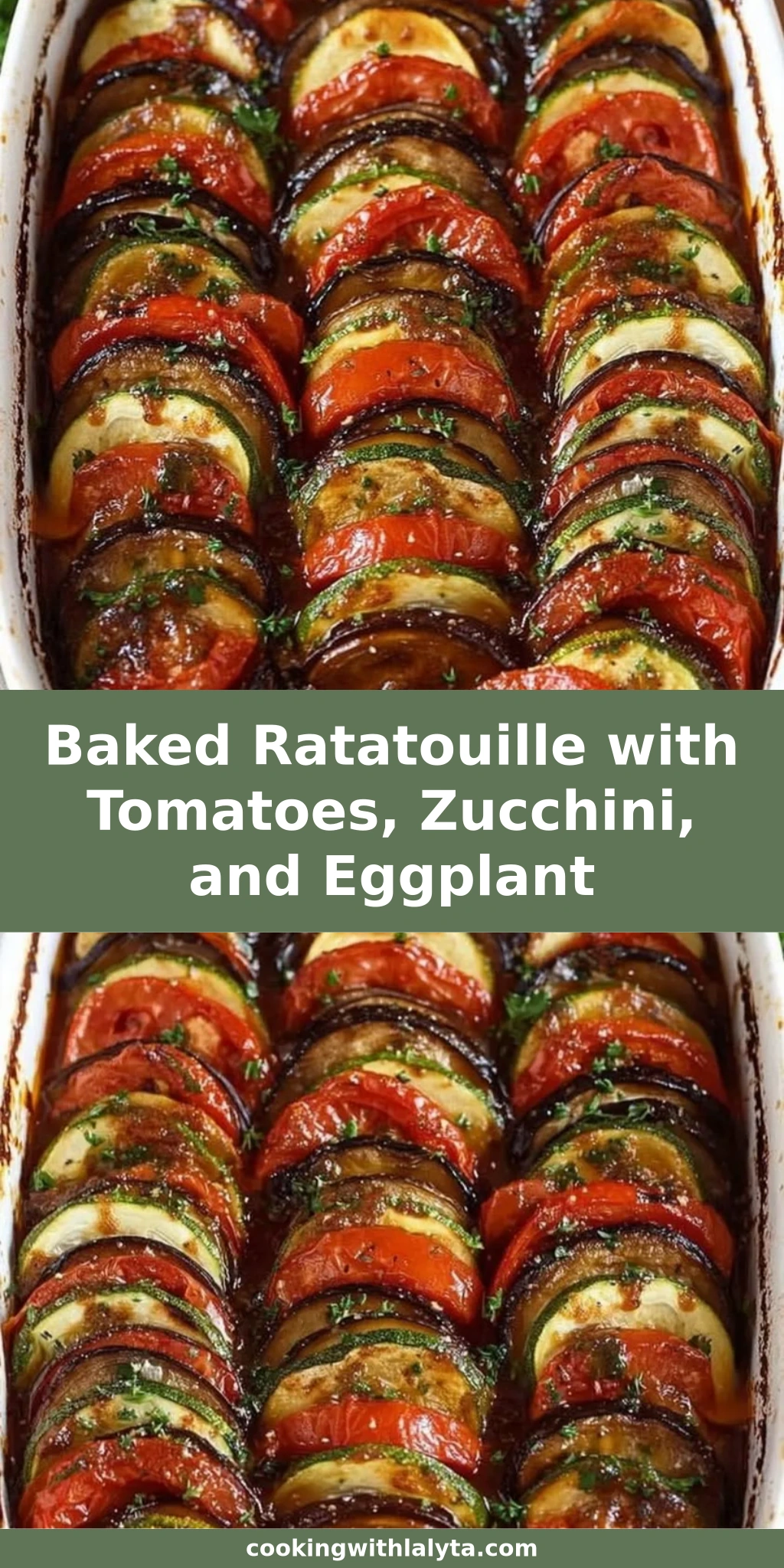
Baked Ratatouille with Tomatoes, Zucchini, and Eggplant – The Easiest One-Pan French Comfort Dish
Growing up in my mother’s kitchen in Morocco, the scent of simmering vegetables, olive oil, and warm spices was the heartbeat of our home. But it wasn’t until my culinary school years in Paris that I discovered the quiet magic of a classic French baked ratatouille recipe. This version, loaded with zucchini and eggplant, puts the vegetables center stage—tossed simply with olive oil and herbs, then slow-roasted until every bite tastes like late-summer sunshine. It’s a healthy ratatouille casserole that requires almost no hands-on time, making it the perfect easy baked ratatouille for busy New Yorkers like me.
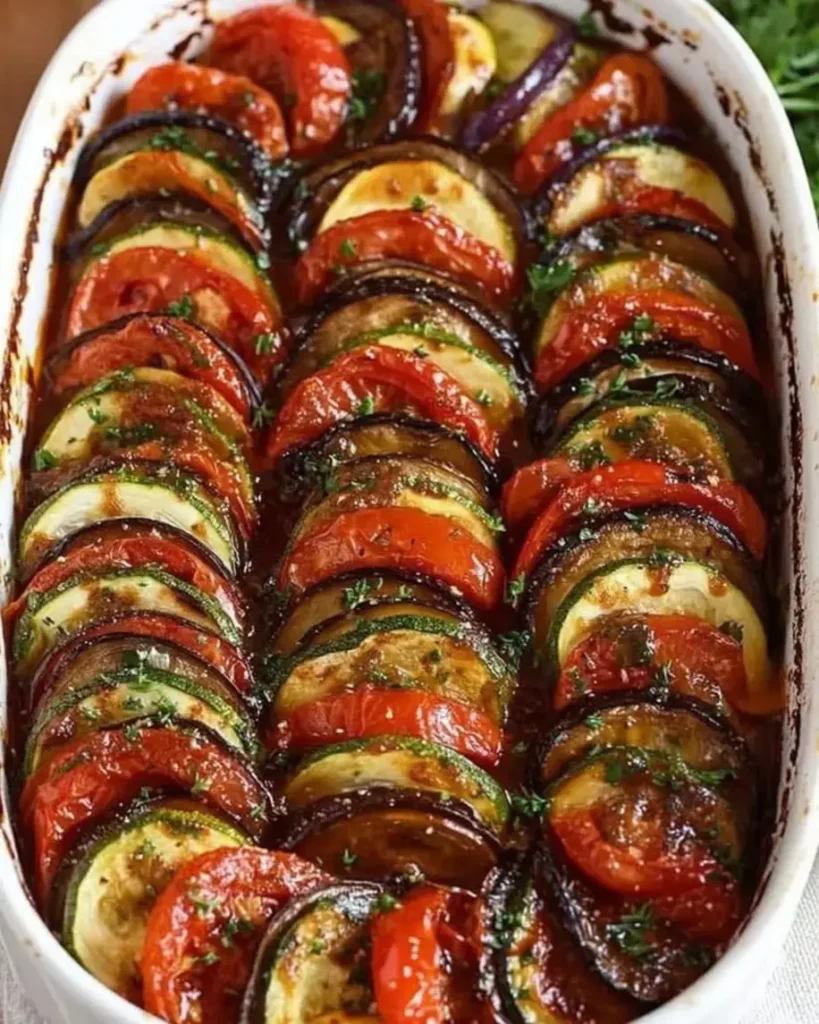
The first time I pulled this dish out of my tiny Parisian apartment oven, the whole room filled with the earthy perfume of roasted eggplant, sweet tomato juices bubbling, and zucchini softening into silky coins. The edges caramelize just enough to lend a subtle sweetness, while the herbs—thyme and oregano—whisper of the Provençal countryside. It’s a humble vegetable ratatouille bake that delivers a complex, layered flavor without a dozen pots and pans. I like to let it rest a few minutes, then tear fresh basil over the top, letting the steam wake up the herb’s bright anise notes.
What makes my version stand out? I skip the stovetop sautéing entirely. By layering everything in one dish and letting the oven do the work, you get a foolproof, hands-off side that’s both rustic and elegant. Stick with me and I’ll walk you through my must-know pro tips—like why you shouldn’t peel certain veggies, the one common mistake that can lead to a soggy mess, and the secret to a dish that tastes even better the next day. This is baked ratatouille reimagined for real life, without any fuss.
Why This Baked Ratatouille Recipe Is the Best
The Flavor Secret: Most recipes ask you to cook each vegetable separately, but I’ve learned from my Paris training that a slow, covered bake melds the flavors in a way that no skillet can. The eggplant soaks up the garlicky olive oil, the tomatoes collapse into a light sauce, and the zucchini stays just tender. This baked ratatouille recipe captures that depth without constant stirring—just a hot oven and a bit of patience.
Perfected Texture: No one wants mushy ratatouille. At 400°F, you get a gentle initial steam under foil, then a finish uncovered that allows the edges to brown slightly. That contrast—silky interiors and lightly crisped tops—is the hallmark of a beautifully executed vegetable ratatouille bake. It’s the same technique I use for roasted Moroccan salads, adapted to French cuisine.
Foolproof & Fast: Even if you’ve never made ratatouille before, this easy baked ratatouille is practically mistake-proof. Just chop, toss, and bake. It’s designed for a 9×13-inch dish, so there’s plenty for a family dinner or meal prep. In about an hour, you’ll have a healthy ratatouille casserole that tastes like you spent all afternoon in the kitchen.
Baked Ratatouille Recipe Ingredients
One of my favorite weekend rituals is strolling through the Union Square Greenmarket here in NYC, loading up on slender Japanese eggplants, bulbous heirloom tomatoes, and glossy zucchini. That’s where this dish begins—with vegetables at their peak. But even in colder months, you can find everything you need at any well-stocked grocery store in America. Let’s talk about what you’ll need.
Ingredients List
- 1 large eggplant, cut into 1-inch cubes
- 2 medium zucchini, sliced into 1/2-inch rounds
- 4 medium ripe tomatoes, chopped
- 1 large yellow onion, chopped
- 3 cloves garlic, minced
- 1/4 cup extra-virgin olive oil
- 1 teaspoon dried thyme
- 1 teaspoon dried oregano
- 1 teaspoon kosher salt, plus more to taste
- 1/2 teaspoon freshly ground black pepper
- 1/4 cup torn fresh basil or parsley for garnish
Optional: 1/2 cup grated Parmesan or crumbled goat cheese for the last 10 minutes of baking (see Pro Tip).
Ingredient Spotlight
Eggplant: Choose one that feels heavy for its size with tight, glossy skin. It acts like a sponge here, soaking up olive oil and juices, becoming custardy inside. No need to salt it beforehand; modern varieties are rarely bitter. If you can’t find large globe eggplant, Japanese or Italian eggplants work beautifully—just cut them into similar chunks.
Zucchini: Look for firm, medium-sized zucchini (about 6-8 inches). Smaller ones have fewer seeds and stay firmer during baking. They add a mild sweetness and a bit of structure. Yellow summer squash makes an excellent, slightly sweeter substitute.
Tomatoes: Ripe, in-season tomatoes are best—they’ll release a luscious liquid as they bake. In a pinch, use a 14-ounce can of diced tomatoes (drained) for a decent off-season swap, though the texture will be a bit softer.
Olive Oil: I use a good extra-virgin olive oil for its fruity, peppery kick. If you prefer a neutral flavor, avocado oil works, but you’ll miss that Provencal soul. Don’t reduce the amount; it’s the carrier of flavor and prevents sticking.
| Original Ingredient | Best Substitution | Flavor / Texture Impact |
|---|---|---|
| Eggplant | Japanese or Italian eggplant | Slightly creamier, less bitter |
| Zucchini | Yellow summer squash | A touch sweeter, identical texture |
| Fresh tomatoes | Canned diced tomatoes (drained) | Softer, slightly more acidic |
| Extra-virgin olive oil | Avocado oil | Neutral taste, still works well |
How to Make Baked Ratatouille — Step-by-Step
Don’t let the simple steps fool you—this is a recipe where timing and layering make the difference between good and unforgettable. I’ll guide you through each stage with the same attention I learned in a Parisian brigade kitchen.
Step 1: Preheat the Oven
Preheat your oven to 400°F (200°C). This is a crucial start: a fully heated oven ensures the vegetables begin roasting immediately, not steaming.
💡 Lalybeth’s Pro Tip: If your oven tends to run cool, use an oven thermometer. The right temperature is the difference between tender-crisp and mush.
Step 2: Combine the Vegetables and Seasonings
In a large bowl, add the cubed eggplant, zucchini rounds, chopped tomatoes, chopped onion, and minced garlic. Pour over the olive oil, then sprinkle with thyme, oregano, salt, and pepper. Using your hands or a big spoon, toss everything until the vegetables are evenly coated. You want each piece glistening.
⚠️ Common Mistake to Avoid: Under-salting. Eggplant craves salt—if you skimp, the whole dish can taste flat. Start with a full teaspoon and adjust later.
Step 3: Assemble in the Baking Dish
Transfer the vegetable mixture to a 9×13-inch baking dish and spread it into an even layer. The dish should be full but not packed; some overlap is fine because the vegetables will shrink as they cook.
💡 Lalybeth’s Pro Tip: If your dish seems too crowded, use a second smaller pan. Crowded vegetables steam rather than roast—you want a bit of breathing room.
Step 4: Cover and Bake (First Phase)
Cover the dish tightly with aluminum foil, crimping the edges well. Bake for 30 minutes. This steams the vegetables in their own juices, concentrating flavors without drying out the eggplant.
⚠️ Common Mistake to Avoid: Using a flimsy foil that doesn’t seal. If steam escapes unevenly, the top can dry out. Press the foil down firmly.
Step 5: Uncover and Finish Baking
Remove the foil and stir gently—just a few turns with a spatula to redistribute juices. Then return the dish to the oven, uncovered, and bake for another 20 to 25 minutes. The vegetables should be tender when pierced with a fork and lightly browned on the edges. This is when the magic happens: the exposed tops caramelize slightly.
💡 Lalybeth’s Pro Tip: If you’re adding Parmesan or goat cheese, scatter it evenly over the top at this stage. It will melt and form a savory crust in the oven’s heat.
Step 6: Rest and Garnish
Remove the dish from the oven and let it rest for 5 minutes. This allows the liquids to settle so the ratatouille isn’t soupy. Taste a piece of eggplant and adjust salt and pepper if needed. Just before serving, tear fresh basil leaves over the top—or sprinkle with parsley if that’s what you have.
💡 Lalybeth’s Pro Tip: A final drizzle of your best extra-virgin olive oil just before serving adds a bright, fruity finish that elevates the whole dish.
| Step | Action | Duration | Key Visual Cue |
|---|---|---|---|
| 1 | Preheat oven | 5 min | Oven indicator light off |
| 2 | Toss vegetables and seasonings | 10 min | Vegetables evenly shiny with oil |
| 3 | Spread in dish | 3 min | Even single-ish layer |
| 4 | Bake covered | 30 min | Steam and sizzling sounds die down |
| 5 | Bake uncovered | 20-25 min | Lightly browned edges, fork-tender |
| 6 | Rest and garnish | 5 min | Glossy surface, basil vibrant |
Serving & Presentation
This baked ratatouille is a versatile side that I often serve warm alongside simply grilled fish or a roast chicken, but it’s just as lovely spooned over a bed of fluffy couscous—a nod to my Moroccan roots. I’ll arrange it on a large platter, letting the colorful vegetables shine, then scatter a handful of fresh basil. For an easy summer dinner, pair with crusty bread and a glass of rosé.
Room temperature ratatouille is a classic French lunch, and it’s a staple on my brunch table, often alongside a wedge of frittata. You can even use it as a chunky pasta sauce or a filling for omelets. The leftovers, if you have any, are a gift.
| Pairing Type | Suggestions | Why It Works |
|---|---|---|
| Side Dish | Grilled fish, roast chicken, lamb chops | The acidity and herbs cut through richness |
| Sauce / Dip | Aioli, tzatziki, pesto | Creamy/cool elements balance earthiness |
| Beverage | Light red wine (Beaujolais), dry rosé, sparkling water with lemon | Brightness echoes the vegetables without overwhelming |
| Garnish | Fresh basil, parsley, lemon zest, a drizzle of olive oil | Freshness lifts the roasted flavors |
Make-Ahead, Storage & Reheating
I love making a big batch on a Sunday and letting it work double duty all week—packed into lunch containers with quinoa or spooned over toasted bread for a quick snack. It keeps beautifully and actually tastes better the next day once the flavors have had time to mingle.
| Method | Container | Duration | Reheating Tip |
|---|---|---|---|
| Refrigerator | Airtight glass container | Up to 5 days | Warm in a skillet with a splash of water or microwave lightly |
| Freezer | Freezer-safe zip-top bag or container | Up to 3 months | Thaw overnight in fridge, reheat gently on stovetop |
| Make-Ahead | Covered baking dish | Assemble up to 24 hours ahead, refrigerate | Bake directly from fridge, adding 10 minutes covered |
When reheating, I always finish with a tiny drizzle of fresh olive oil and a pinch of flaky sea salt—it wakes up every layer of flavor. If using the microwave, cover with a damp paper towel to prevent drying out. And don’t be afraid to enjoy it chilled right from the fridge on a hot day; it’s a refreshing, tangy side.
Variations & Easy Swaps
| Variation | Key Change | Best For | Difficulty Impact |
|---|---|---|---|
| Provençal Herb Ratatouille | Use herbes de Provence, a splash of red wine vinegar | Classic French flavor lovers | Easy |
| Moroccan-Spiced Ratatouille | Add 1 tsp cumin, 1/2 tsp coriander, pinch cinnamon | Those who love North African warmth | Easy |
| Cheesy Ratatouille Casserole | Top with 1/2 cup mozzarella or goat cheese last 10 min | A heartier, kid-friendly side | Easy |
Provençal Herb Ratatouille
If you want the full sun-drenched flavor of the South of France, swap the thyme and oregano for an equal amount of herbes de Provence—a blend that often contains savory, marjoram, and lavender. Add a tablespoon of red wine vinegar with the vegetables for a subtle tang. I learned this trick in Paris: the vinegar brightens the tomatoes and adds complexity without tasting acidic.
Moroccan-Spiced Ratatouille
This one’s close to my heart. Stir in a teaspoon of ground cumin, half a teaspoon of coriander, and a pinch of cinnamon along with the dried herbs. The warm spices echo the flavors of my mother’s tagines, transforming this French classic into something cozy and fragrant. It’s wonderful spooned over couscous with a dollop of yogurt.
Cheesy Ratatouille Casserole
For a more substantial side, scatter 1/2 cup of grated Parmesan or crumbled goat cheese over the top during the last 10 minutes of baking, just as the recipe notes suggest. The cheese melts into a savory crust that’s irresistible. I prefer goat cheese for a tangy kick, but mozzarella works if you want those lovely cheese pulls. This version has become a favorite with my friends’ kids.
Do you need to salt the eggplant before baking ratatouille to remove bitterness?
In most modern eggplants, you don’t need to salt and drain before baking. The bitterness has been bred out of many varieties sold in US supermarkets. If you have a very large, seedy eggplant, salting can help—dice it, sprinkle with 1/2 teaspoon salt, let sit 20 minutes, then pat dry. For this easy baked ratatouille, I skip that step entirely and the results are consistently tender and sweet.
Should the zucchini and eggplant be peeled before baking ratatouille?
Peeling is not necessary and I don’t recommend it. The skin of zucchini and eggplant helps the pieces hold their shape during the long bake, preventing them from turning into mush. Eggplant skin becomes silky and the zucchini’s skin is so thin you won’t notice it. Plus, many nutrients and fiber are in the skin. Leave them on, just wash well.
What temperature and how long do you bake ratatouille with tomatoes, zucchini, and eggplant?
Bake at 400°F (200°C) for a total of 50–55 minutes: 30 minutes covered with foil, then 20–25 minutes uncovered until the vegetables are fork-tender and the edges are lightly browned. This two-stage method steams the vegetables in their own juices first, then caramelizes them for deeper flavor. Always let it rest 5 minutes before serving to allow the liquids to settle.
Can you make baked ratatouille ahead of time and reheat it?
Absolutely—it’s one of those dishes that improves overnight. Assemble and bake the ratatouille completely, cool, then refrigerate for up to 5 days. Reheat gently in a skillet with a splash of water or in the microwave. You can also assemble the raw vegetables in the dish a day ahead, cover, and refrigerate; then bake as directed, adding about 10 extra minutes of covered baking time.
What is the difference between baked ratatouille and traditional ratatouille?
Traditional ratatouille often involves cooking each vegetable separately on the stovetop before combining them, a time-consuming process. My baked ratatouille recipe simplifies that: everything roasts together in one dish, creating a more rustic, hands-off version. The flavor is slightly more melded and jammy, with less distinct individual pieces, but every bit as delicious and authentic.
Can I add other vegetables to this baked ratatouille?
Yes, this recipe is flexible. Bell peppers, summer squash, and even fennel are wonderful additions. Cut them into similar-sized pieces so they cook evenly. Keep in mind that adding more vegetables may require a slightly larger dish and a few extra minutes of baking. I often toss in a handful of cherry tomatoes halfway through for little bursts of sweetness.
How do you prevent ratatouille from becoming watery?
The key is not to crowd the dish and to bake uncovered at the end. Vegetables release liquid, and if there’s too much, they’ll steam. Spread them in a single layer in the largest pan you have. If at the end the ratatouille seems too liquidy, simply bake a few minutes more uncovered to evaporate excess moisture. Resting also helps liquids absorb back into the vegetables.
Is baked ratatouille healthy?
Definitely. This healthy ratatouille casserole is packed with vitamins, fiber, and antioxidants from all the colorful vegetables. With only 160 calories per serving and 11 grams of heart-healthy olive oil, it’s a nutritious side that fits into Mediterranean, vegan, and gluten-free diets. Plus, it’s naturally low in sugar and free of processed ingredients.
Can I make this ratatouille in a cast-iron skillet?
You can, but cast iron retains heat intensely. Bake at the same temperature, but check a few minutes early as the vegetables may brown faster on the bottom. A well-seasoned skillet also adds a subtle smoky edge. I prefer a ceramic or glass baking dish for even, gentle roasting, but cast iron gives a rustic presentation if you’re serving straight from the pan.
How do I serve baked ratatouille as a main dish?
For a vegetarian main, spoon the ratatouille over a bed of fluffy couscous, quinoa, or creamy polenta. Top with a fried egg or crumbled feta for protein, and a handful of toasted pine nuts. It also makes a fantastic filling for a hearty tart or galette with a side salad. With good bread, a bowl of this can be a meal all on its own.
Share Your Version!
I would love to see your take on this baked ratatouille recipe. Did you try the Moroccan-spiced twist? Add a handful of olives? Snap a photo, share it on Instagram or Pinterest, and tag me @cookingwithlalyta — I get genuinely giddy seeing your kitchen creations. Leaving a star rating and a quick comment below helps more than you know, and it lets me know what you’d like to see next.
Tell me: what’s your favorite summer vegetable to roast? I’m always hunting for new inspiration at the farmers market, and your ideas might just spark my next recipe. From my NYC kitchen to yours — I hope this recipe brings as much warmth to your table as it does to mine. — Lalybeth 🧡
Love This Recipe? Save It to Pinterest!
If you enjoyed this Baked Ratatouille with Tomatoes, Zucchini, and Eggplant recipe, don’t let it get lost in your browser tabs! 😄 Pin it now so you can find it again anytime — and explore hundreds more tried-and-tested recipes waiting for you on my Pinterest boards.
👉 Follow Lalybeth on Pinterest @cookingwithlalyta
📌 Pin this recipe · 🔁 Re-pin your favorites · 💬 Tag me when you make it — I love seeing your creations!
Baked Ratatouille with Tomatoes, Zucchini, and Eggplant
- Total Time: 1 hour 15 minutes
- Yield: 6 servings 1x
Description
This classic French baked ratatouille is bursting with summer vegetables—tender eggplant, ripe tomatoes, and zucchini—slow-roasted in olive oil with herbs for a simple, healthy, and flavorful side dish.
Ingredients
- For the ratatouille:
- 1 large eggplant, cut into 1-inch cubes
- 2 medium zucchini, sliced into 1/2-inch rounds
- 4 medium ripe tomatoes, chopped
- 1 large yellow onion, chopped
- 3 cloves garlic, minced
- 1/4 cup extra-virgin olive oil
- 1 teaspoon dried thyme
- 1 teaspoon dried oregano
- 1 teaspoon kosher salt, plus more to taste
- 1/2 teaspoon freshly ground black pepper
- 1/4 cup torn fresh basil or parsley for garnish
Instructions
- Preheat the oven to 400°F (200°C).
- In a large bowl, combine the eggplant, zucchini, tomatoes, onion, garlic, olive oil, thyme, oregano, salt, and pepper. Toss until the vegetables are evenly coated.
- Transfer the vegetable mixture to a 9×13-inch baking dish and spread it into an even layer.
- Cover with foil and bake for 30 minutes.
- Remove the foil and stir gently. Continue baking uncovered for 20 to 25 minutes, until the vegetables are tender and lightly browned on the edges.
- Remove from the oven and let rest for 5 minutes. Taste and adjust seasoning, then garnish with fresh basil or parsley before serving.
Notes
This dish can be served warm, at room temperature, or chilled. It tastes even better the next day. For a more intense flavor, scatter 1/2 cup grated Parmesan or crumbled goat cheese over the top during the last 10 minutes of baking.
- Prep Time: 20 minutes
- Cook Time: 55 minutes
- Method: Side Dish
- Cuisine: French
Nutrition
- Calories: 160
- Sugar: 9g
- Fat: 11g
- Carbohydrates: 15g
- Protein: 3g
Tried This Recipe? Leave a Comment!
Did you make this recipe? I’d love to hear how it turned out! Please leave a comment and a rating below. Your feedback helps other home cooks and supports cookingwithlalyta.com!
For more delicious inspiration, follow me on Pinterest!