Table of Contents
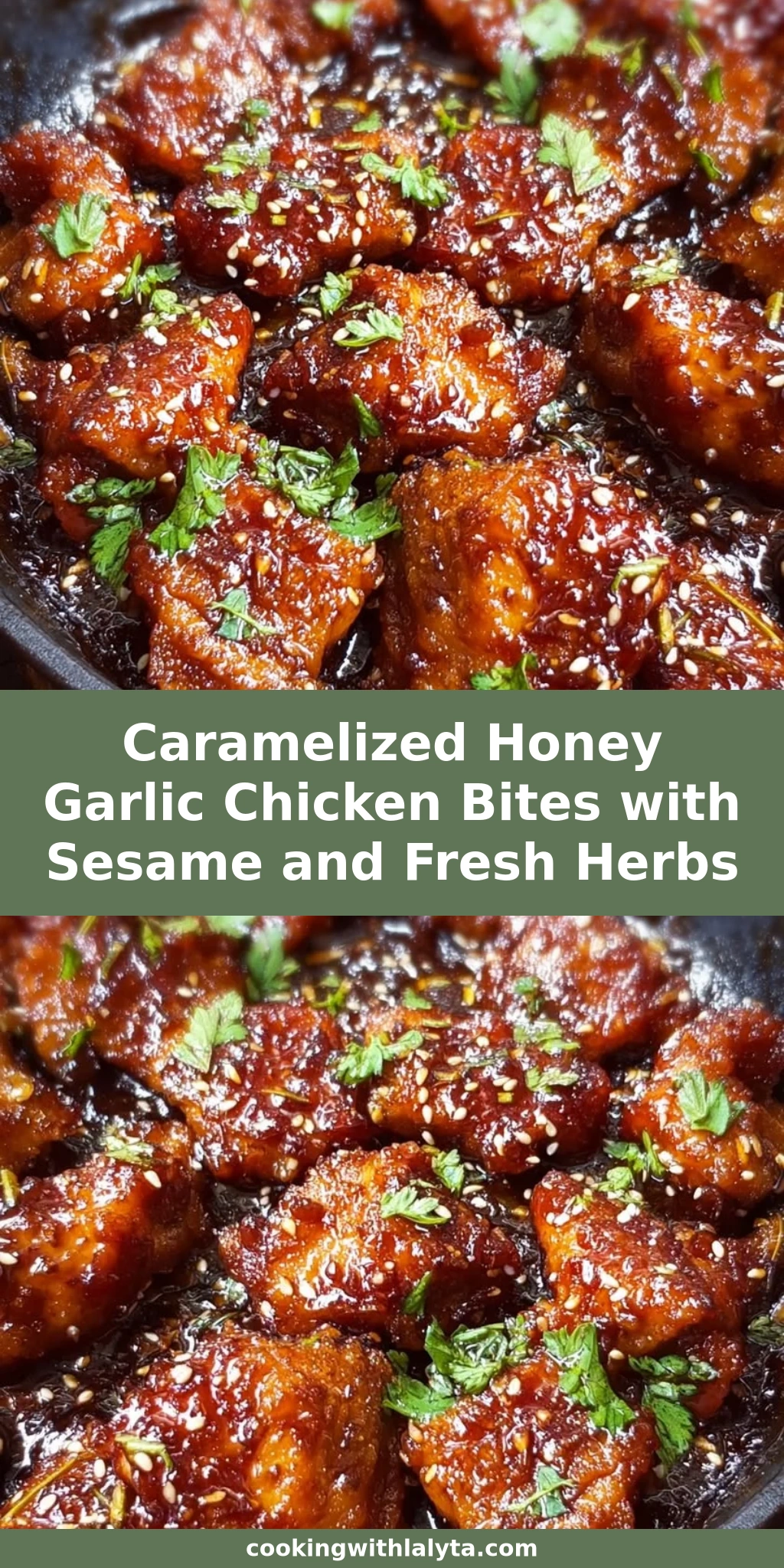
Caramelized Honey Garlic Chicken Bites with Sesame and Fresh Herbs – The 15‑Minute Sticky Glaze You’ll Make on Repeat
I can still smell my Moroccan grandmother’s kitchen in Fez — the sweet caramelized honey bubbling in a clay pot, garlic sizzling in olive oil, and the scent of toasted sesame drifting through the courtyard. Years later, after culinary school in Paris and now from my tiny NYC kitchen, I’ve folded those memories into this lightning-fast, sticky honey garlic chicken bites recipe. It’s the kind of dish that tastes like a streetside market on a busy Tuesday night: caramelized, savory, and deeply craveable. In just 30 minutes, you get bite-sized morsels of chicken thighs coated in a glossy, amber glaze that hits every note — sweet from the honey, umami from the soy, punchy from the garlic, and a nutty finish from sesame seeds. I promise, once you master the sauce’s caramelization trick, you’ll never reach for takeout again.
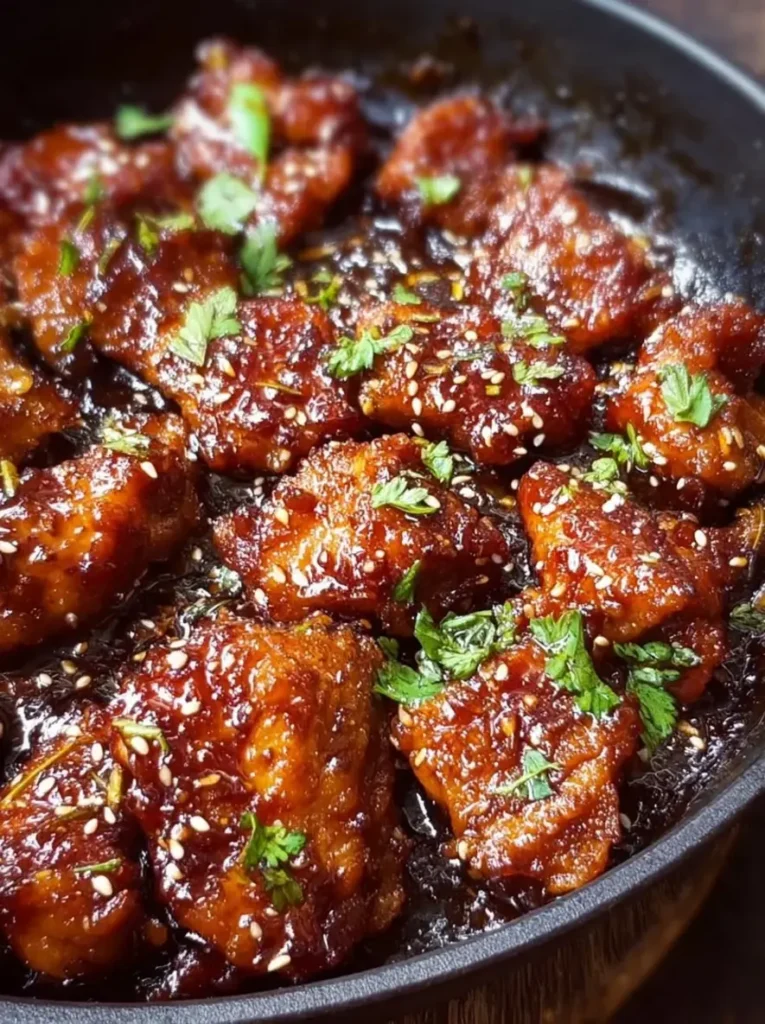
The first time I made this for my supper club, I watched guests swipe their fingers across the plate to catch every last drop of glaze. The chicken pieces are seared until golden at the edges, then simmered in a honey‑soy mixture until it reduces to a lacquered, almost candylike coating. As the sauce thickens, it hugs each piece of chicken in a sticky, finger‑licking shell, while the sesame oil lends a gentle toasted richness. Fresh green onions and cilantro (or parsley) cut through the sweetness and bring a pop of color that makes this dish as beautiful as it is delicious. It’s a dance of textures: tender meat, silky glaze, and a subtle crunch from those sesame seeds — all in under half an hour.
Over the years, I’ve tweaked this recipe so you get that perfect caramelization without scorching the garlic. The secret? A two‑step sauce technique I learned in Paris — first infusing the aromatics, then using a corner‑stone slurry to create just the right viscosity. In this post, I’ll walk you through every detail, from searing the chicken to the exact moment when the bubbles tell you the sauce is done. Plus, I’m sharing my number‑one common mistake that can turn your glaze from sticky to bitter, and a foolproof substitution if you only have chicken breasts on hand. Let’s make honey garlic chicken bites that are truly restaurant‑worthy.
Why This Caramelized Honey Garlic Chicken Bites Recipe Is the Best
The flavor secret lies in how the honey caramelizes around the garlic without the garlic burning — a technique I fine‑tuned in my Paris apprenticeship. Instead of adding garlic at the end (which can taste raw) or cooking it until it’s acrid, we whisk the minced garlic directly into the honey‑soy mix and let it perfume the sauce as it simmers. That way the allicin mellows, leaving behind a sweet‑savory depth that coats every nook of the chicken thighs. Paired with sesame oil, whose toasty notes bloom beautifully in the pan, you get a complex, Asian‑inspired profile that tastes like it came from a hawker stall, but in a fraction of the time.
Texture is everything, and I’m not shy about it. The chicken thighs stay juicy while the outside develops a faint crust during the initial sear. Then, when the sauce hits the hot pan, it reduces rapidly, clinging to the meat in a shiny, caramel‑colored layer. A cornstarch slurry is the unsung hero here: it thickens the sauce just enough so it coats rather than pools, giving every bite that signature sticky honey garlic chicken feel. I tested this with breasts once and the result was a little drier — thighs are truly the soul of this dish.
Finally, this recipe is genuinely foolproof. You need one skillet, 10 simple ingredients, and 15 minutes of active cooking. There’s no deep‑frying, no tricky temperature control. Even if you’re a beginner, the visual cues I’ll share — like when the edges turn golden and the sauce turns from liquid to glossy — make it nearly impossible to mess up. Plus, it’s easy to double for a crowd and tastes just as good at room temperature. That’s why I call it the “you’ll make it on repeat” chicken bites.
Honey Garlic Chicken Bites Ingredients
When I stroll through my neighborhood farmers’ market in NYC, I always grab a bunch of fresh green onions and cilantro — their bright, grassy notes are the perfect counterpoint to the sticky glaze. As for the honey, I like a wildflower variety from upstate New York for its floral depth, but any good‑quality honey works. The garlic must be fresh and plump; I source mine from an organic farmer who sells at the Union Square Greenmarket. Every ingredient here pulls its weight, and I’ll walk you through each one’s role so you can shop with confidence.
Ingredients List
- 1 lb boneless skinless chicken thighs, cut into bite‑sized pieces (about 1‑inch chunks)
- 1/4 cup honey
- 3 cloves garlic, minced
- 2 tablespoons soy sauce (regular or low‑sodium)
- 1 tablespoon rice vinegar
- 1 tablespoon toasted sesame oil
- 1 tablespoon cornstarch
- 2 tablespoons water
- 2 tablespoons sesame seeds (white or a mix of white and black)
- 2 green onions, thinly sliced on the diagonal
- Fresh cilantro or flat‑leaf parsley, for garnish (optional but highly recommended)
Ingredient Spotlight
Chicken thighs are the backbone of this recipe — higher fat content keeps them moist during the quick sear and prevents them from drying out when the sauce reduces. At the grocery store, look for boneless, skinless thighs with a pink hue and no excessive liquid in the package. If you must substitute, you can use chicken breasts, but reduce the sear time slightly and expect a leaner, slightly firmer texture. For a plant‑based twist, firm tofu works surprisingly well; press it well, then treat it the same way.
Honey does double duty: its sugar content caramelizes into that addictive glaze, while its natural floral notes mellow the garlic’s punch. Choose a liquid honey (not creamed) so it blends easily. If you’re out of honey, pure maple syrup is the best swap; it brings a deeper, woodsy sweetness and caramelizes similarly, though the flavor profile shifts slightly.
Soy sauce delivers the savory umami backbone. I reach for a naturally brewed, low‑sodium version so I can control the salt. Tamari is a perfect gluten‑free alternative with a bit more richness. In a pinch, coconut aminos can work, but they’re sweeter, so dial back the honey a teaspoon.
Garlic must be fresh and minced just before cooking — pre‑minced jarred garlic often tastes metallic and can turn this sauce from sweet to harsh. Smash the cloves with the flat side of your knife first, then mince finely. If you’re a garlic lover, an extra clove never hurts.
Sesame oil provides the toasted, almost nutty aroma that defines Asian‑inspired dishes. Look for “toasted” or “roasted” on the label — the pale cold‑pressed kind won’t give you the same depth. A tiny drizzle at the end also brightens the final dish, but you can substitute with a neutral oil if needed; the dish will lose some of its signature scent.
| Original Ingredient | Best Substitution | Flavor / Texture Impact |
|---|---|---|
| Chicken thighs | Chicken breasts (or firm tofu) | Leaner, less juicy; tofu will absorb sauce well |
| Honey | Pure maple syrup | Woodsy sweetness, slightly thinner glaze |
| Soy sauce | Tamari (GF) or coconut aminos | Tamari is richer; coconut aminos are sweeter |
| Toasted sesame oil | Neutral oil (avocado or canola) | Loses toasty aroma but still works |
| Cornstarch | Arrowroot powder (same amount) | Glossy, slightly clearer sauce |
How to Make Caramelized Honey Garlic Chicken Bites — Step-by-Step
I want you to feel as confident as I do when I stir this glaze on a weeknight — so let’s walk through every action together. Grab your skillet and a couple of small bowls; you’re 15 minutes away from sticky, golden perfection.
Step 1: Mix the Honey Garlic Sauce
In a small bowl, whisk together ¼ cup honey, the 3 minced garlic cloves, 2 tablespoons soy sauce, 1 tablespoon rice vinegar, and 1 tablespoon toasted sesame oil. Whisk until the honey fully dissolves — the mixture will look dark and glossy. Set it aside near the stove; we’ll add it to the hot pan later to build flavor.
💡 Lalybeth’s Pro Tip: If you have the time, let the minced garlic sit in the honey mixture for 5 minutes — the honey coaxes out the garlic’s natural sweetness and starts a mild fermentation that rounds out any harsh bite.
Step 2: Create the Cornstarch Slurry
In a second small bowl, stir together 1 tablespoon cornstarch and 2 tablespoons cool water until completely smooth — no white clumps should remain. This slurry is the key to a glossy, clingy sauce that doesn’t turn watery. Set it next to the honey‑garlic mixture.
⚠️ Common Mistake to Avoid: Do NOT add dry cornstarch directly to the pan — it will form lumps and ruin the sauce’s silkiness. Always dissolve it first.
Step 3: Sear the Chicken Bites Until Golden
Heat a large non‑stick or well‑seasoned skillet over medium‑high heat. Add a splash of neutral oil (about 1 teaspoon) and swirl to coat. Once the oil shimmers, arrange the chicken pieces in a single layer — do not crowd them; work in batches if needed. Let them cook undisturbed for 2‑3 minutes until the bottoms are deeply golden, then flip and cook the other side for another 2‑3 minutes. The chicken should be cooked through (165°F internal) but still juicy; total time about 5‑7 minutes.
💡 Lalybeth’s Pro Tip: Use thighs — they’re more forgiving than breasts and stay tender even with this high‑heat sear. If you see a bit of caramelized fond sticking to the pan, don’t worry — it will lift into the sauce later.
Step 4: Caramelize the Sauce to Sticky Perfection
Reduce the heat to medium. Pour the honey‑garlic sauce over the seared chicken. Immediately stir in the cornstarch slurry, then toss everything together. Let the sauce bubble gently for 2‑3 minutes, stirring occasionally. You’ll see it transform from a thin liquid into a glossy, amber glaze that clings to the chicken. The bubbles will become larger and slower — that’s your cue that it’s thick enough. Taste a piece and adjust: a pinch of red pepper flakes if you want heat, or an extra drizzle of honey for more sweetness.
⚠️ Common Mistake to Avoid: High heat at this stage can cause the garlic to bitter and the honey to scorch. Keep the flame at medium and watch the sauce — if it darkens too quickly, lift the pan off the heat briefly.
Step 5: Sprinkle with Sesame Seeds & Fresh Herbs
Remove the skillet from the heat. Sprinkle 2 tablespoons sesame seeds over the chicken and toss gently. Then scatter the sliced green onions and a handful of fresh cilantro (or parsley) leaves on top. The residual heat will release the herbs’ oils without wilting them into mush.
💡 Lalybeth’s Pro Tip: Toast your sesame seeds in a dry pan for 30 seconds before adding them — the extra crunch and nutty fragrance make a world of difference.
Step 6: Serve Immediately
Transfer the chicken bites to a serving platter or individual bowls. Spoon any remaining sauce from the pan over the top. These are best enjoyed hot, when the glaze is at its stickiest and the aromas fill the kitchen.
⚠️ Common Mistake to Avoid: Don’t let the chicken sit in the hot skillet after cooking — the carryover heat can over‑reduce the sauce and make it tacky. Plate it right away.
| Step | Action | Duration | Key Visual Cue |
|---|---|---|---|
| 1 | Mix sauce | 2 mins | Honey dissolves completely, no streaks |
| 2 | Make slurry | 1 min | Milky white liquid, no lumps |
| 3 | Sear chicken | 5‑7 mins | Golden‑brown edges, no pink inside |
| 4 | Caramelize | 2‑3 mins | Sauce thickens, bubbles slow, glossy coat |
| 5 | Garnish | 1 min | Sesame seeds & herbs scatter evenly |
| 6 | Serve | — | Glaze shines, chicken tender |
Serving & Presentation
When I plate these caramelized honey garlic chicken bites, I love to spoon them over a mound of fluffy jasmine rice — the grains soak up every bit of that sweet‑salty sauce. In Morocco, we’d serve a dish like this with a side of steamed couscous and a bright salad of cucumbers, tomatoes, and a squeeze of lemon, and that combination is just as wonderful here. For a lighter NYC‑style dinner, I’ll pile the chicken on a bed of butter lettuce leaves with some quick‑pickled radishes and an extra scattering of sesame seeds for crunch. The key is to balance the richness of the glaze with something fresh and crisp.
A sprinkle of toasted sesame seeds and a tumble of green onions always grace the top, but I also keep a small bowl of extra sesame seeds on the table so everyone can add more. If you’re feeling a Parisian flair, plate the bites on a white serving platter with a drizzle of reduced balsamic for a dramatic, glossy look that nods to the sauces I learned at Le Cordon Bleu. No matter how you present it, these bites are meant to be shared and devoured with joy.
| Pairing Type | Suggestions | Why It Works |
|---|---|---|
| Side Dish | Steamed jasmine rice, sautéed bok choy, cucumber & carrot slaw | Starcy grains & crisp veggies balance the sticky sweetness |
| Sauce / Dip | Spicy mayo (sriracha + mayo), extra soy‑ginger dipping sauce, or none | A creamy or spicy counterpoint highlights the glaze’s depth |
| Beverage | Chilled lager beer, iced jasmine green tea, ginger ale | Cold, crisp drinks cut the richness and refresh the palate |
| Garnish | Toasted sesame seeds, sliced green onion, cilantro, chili flakes | Adds color, aroma, and an optional spicy kick |
Make-Ahead, Storage & Reheating
As a busy New Yorker, I treasure meals that can be prepped ahead without sacrificing that just‑cooked taste. These chicken bites are a champion for meal prep — you can stir together the sauce and slurry up to 2 days in advance and keep them in the fridge. Then, when you’re ready to eat, all you do is sear the fresh chicken, pour in the pre‑mixed sauces, and dinner’s on the table in 10 minutes flat. I’ll even cut the chicken thighs the night before and store them in an airtight container, so all I have to do is turn on the pan.
| Method | Container | Duration | Reheating Tip |
|---|---|---|---|
| Refrigerator | Glass airtight container | Up to 3 days | Reheat in skillet over medium‑low with a splash of water, stirring gently |
| Freezer | Freezer‑safe zip‑top bag | Up to 2 months | Thaw overnight in fridge, then reheat as above |
| Make‑Ahead Sauce | Small jar or bowl | 2 days in fridge | Whisk again before using; slurry may need a quick stir |
For the best texture when reheating, avoid the microwave if you can — it can make the chicken a bit rubbery and the sauce weepy. Instead, tip the cold chicken into a non‑stick skillet with a tablespoon of water, cover, and warm gently over medium heat, stirring occasionally, until the glaze loosens and the chicken is heated through. Add a fresh sprinkle of sesame seeds and herbs to brighten it up, and it will taste almost as perfect as the first day.
Variations & Easy Swaps
| Variation | Key Change | Best For | Difficulty Impact |
|---|---|---|---|
| Spicy Moroccan Twist | Add 1 tsp harissa paste + ½ tsp smoked paprika | Lovers of warmth & depth | Same |
| Gluten‑Free & Soy‑Free | Swap soy sauce for tamari (GF) or coconut aminos (soy‑free) | Dietary restrictions | Slightly sweeter; reduce honey if using aminos |
| Spring Herb & Citrus Brightness | Add zest of 1 lemon + fresh mint & basil | Spring dinners, refreshing twist | No change |
Spicy Moroccan Twist
My mother always kept a small jar of harissa on the counter — it’s the soul of our kitchen in Fez. For this version, whisk 1 teaspoon of good‑quality harissa paste and ½ teaspoon of smoked paprika into the honey‑garlic sauce. The harissa brings a gentle, earthy heat that plays gorgeously with the caramelized sweetness, while the paprika adds a whisper of smoke, just like the aroma of a Moroccan street grill. I also like to finish it with a handful of chopped fresh mint and cilantro, and sometimes a spoonful of thick yogurt on the side to cool things down. It’s a tribue to the crossroads of flavors I grew up with, and it transforms these bites into something truly soul‑warming.
Gluten‑Free & Soy‑Free Version
I’ve tested this thoroughly for friends who avoid gluten and soy. Simply replace the soy sauce with an equal amount of tamari (which is usually gluten‑free) or, for a soy‑free option, coconut aminos. The tamari keeps the umami intensity high, while coconut aminos give a slightly sweeter, less salty result — so you’ll want to reduce the honey by 1 teaspoon to keep the balance. Everything else stays the same, and the sauce still caramelizes into a glossy, sticky glaze. Just confirm that your cornstarch is labeled gluten‑free (most are), and you’re all set for a dish that everyone at the table can enjoy.
Spring Herb & Citrus Brightness
When NYC’s farmers’ markets burst with tender herbs in April, I make this version with a burst of lemon zest and a mix of fresh mint, basil, and chives. Stir the finely grated zest of one lemon into the sauce right before adding it to the pan — the oils bloom and pierce through the sweetness. Then, instead of just cilantro, finish the dish with a generous handful of torn mint and basil leaves, plus a few chive blossoms if you can find them. The result is honey garlic chicken that tastes like a sunny spring day, with a fragrant, almost floral lift. It’s a perfect variation for an al‑fresco dinner on a small NYC balcony.
Frequently Asked Questions
What’s the best way to ensure the honey garlic sauce caramelizes without burning the chicken bites?
The trick is controlling your heat. After searing the chicken, always reduce the burner to medium before adding the sauce and slurry. The honey’s sugars can blacken quickly on high heat, especially once the liquid evaporates. I keep a close eye on the pan and stir every 30 seconds. You’ll know it’s ready when the bubbles turn from small and frantic to large and lazy, and the sauce coats the back of a spoon. If the pan seems too hot at any point, simply lift it off the flame for a few seconds — that little pause can save your garlic from turning bitter.
Can I substitute chicken thighs for chicken breasts in caramelized honey garlic chicken bites?
Yes, absolutely. Chicken breasts will work, but they have less fat, so they can dry out faster. To compensate, cut the breast into slightly larger 1‑½‑inch pieces and reduce the sear time by about a minute per side — you want them just cooked through without any pink. The sauce will still cling beautifully. In my tests, thighs always yield a juicier bite, so I keep breasts for when I’m craving a lighter texture. Whichever you choose, don’t overcook — the carryover heat from the sauce will finish the job.
How long should I cook chicken bites to get them tender and sticky with the sauce?
The total cooking timeline is about 10‑12 minutes: 5‑7 minutes for the initial sear on medium‑high to achieve that golden exterior, then 2‑3 minutes to caramelize the sauce on medium heat. Don’t rush the sear — letting the thighs develop a light crust is what gives the glaze something to grip onto. After you add the sauce and slurry, watch for the visual cues: the sauce will go from liquid to glossy and cling to the chicken. At that exact moment, pull the pan off the heat to keep the meat tender and the glaze perfectly sticky, not chewy.
What fresh herbs pair best with honey garlic sesame chicken for serving?
Cilantro is my top pick — its bright, slightly citrusy leaves cut through the sweetness and sesame and taste like an Asian street market. Flat‑leaf parsley is a milder option if you’re not a cilantro fan. I also adore fresh mint and Thai basil for a more floral, unexpected twist; they add a cooling effect that works wonderfully with the caramelized honey. In spring, try a mix of chives and tender basil leaves. Always add herbs right at the end, off the heat, so they stay vibrant and don’t wilt into the sauce.
Can I make this sticky honey garlic chicken in an air fryer?
You can partially air‑fry the chicken, then finish it on the stove. Toss the chicken pieces in a tiny bit of oil and cook them in a preheated air fryer at 400°F for 8‑10 minutes, shaking halfway. Then transfer to a hot skillet with the honey‑garlic sauce and slurry and caramelize for 2 minutes. The air fryer gives a great crisp exterior, but the sauce needs that stovetop contact to reduce and truly coat the meat. The combination gets you the best of both worlds — extra crunch with the classic sticky glaze.
Is this honey garlic chicken bites recipe kid-friendly?
It’s one of my most‑requested dishes among families. The sauce is sweet and mild — no heat at all — and the bite‑sized pieces are perfect for little hands. If your kids are sensitive to garlic, you can reduce the garlic to one clove and still get plenty of flavor. Serve them with plain rice or noodles, and you’ll likely have clean plates. I’ve seen even the pickiest eaters gobble this up. For a fun presentation, offer toothpicks and call them “sticky chicken poppers.”
How do I prevent the chicken from sticking to the pan during searing?
Use a well‑heated non‑stick or properly seasoned cast‑iron skillet. Add a small amount of neutral oil with a high smoke point (like avocado or canola) and let it shimmer before the chicken goes in. Don’t move the chicken for the first 2 minutes — it will naturally release once a golden crust forms. If you try to flip too soon, the meat clings. Working in batches and not overcrowding also helps, as steam from too many pieces can prevent browning and cause sticking.
Can I use frozen chicken thighs for this recipe?
Yes, but you must thaw them completely and pat them very dry before cutting. Excess moisture is the enemy of a good sear — it will steam the chicken instead of browning it. After thawing, wrap the thighs in paper towels and gently press to absorb any water. Then cut into pieces and proceed as written. The sauce will still caramelize beautifully as long as the meat is dry. I always keep a bag of frozen thighs in my NYC freezer for last‑minute dinners.
What can I use instead of cornstarch for the glaze?
Arrowroot powder is an excellent 1:1 substitute and creates an even glossier, slightly clearer coating. Potato starch also works but can make the sauce a little more gel‑like if overcooked. If you don’t have any starch, you can reduce the sauce longer over low heat until it thickens naturally, but the texture will be less velvety and more caramel‑like. I’ve tested all three, and arrowroot is my go‑to backup because it’s neutral and widely available in the baking aisle.
How can I add more spice to these chicken bites?
There are a few easy ways. Stir ½ teaspoon of red pepper flakes or a squirt of sriracha into the honey‑garlic sauce. For a deeper, smoky heat, add ½ teaspoon of gochugaru (Korean chili flakes) or a small spoonful of chili garlic sauce. You can also garnish with fresh sliced jalapeño or a drizzle of chili oil just before serving. I love a bit of harissa for a North African kick — it instantly transports me back to my mother’s kitchen and pairs beautifully with the honey.
Share Your Version!
I truly can’t wait to see how your caramelized honey garlic chicken bites turn out. Did you go the spicy Moroccan route or keep it classic with sesame and cilantro? Maybe you discovered a new herb combination at your own farmers’ market. Whatever you create, I’d love for you to share it with me — after all, the best part of cooking is passing the joy around our tables.
Please leave a star rating and a comment below — it helps other home cooks find this recipe and gives my little NYC kitchen a wave from yours. Snap a photo (before the last bite disappears!) and tag me on Instagram or Pinterest @cookingwithlalyta. I repost my favorites in my stories, and I love seeing your smiling faces and creative tweaks. Tell me: what’s your favorite easy side to serve with these sticky bites?
From my NYC kitchen to yours — I hope this recipe brings as much warmth to your table as it does to mine. — Lalybeth 🧡
Love This Recipe? Save It to Pinterest!
If you enjoyed this Caramelized Honey Garlic Chicken Bites with Sesame and Fresh Herbs recipe, don’t let it get lost in your browser tabs! 😄 Pin it now so you can find it again anytime — and explore hundreds more tried-and-tested recipes waiting for you on my Pinterest boards.
👉 Follow Lalybeth on Pinterest @cookingwithlalyta
📌 Pin this recipe · 🔁 Re-pin your favorites · 💬 Tag me when you make it — I love seeing your creations!
Caramelized Honey Garlic Chicken Bites with Sesame and Fresh Herbs
- Total Time: 30 minutes
- Yield: 4 1x
Description
These sticky, sweet and savory chicken bites are coated in a caramelized honey garlic glaze, finished with sesame seeds and fresh herbs. Perfect as an appetizer or main dish.
Ingredients
- 1 lb boneless skinless chicken thighs, cut into bite-sized pieces
- 1/4 cup honey
- 3 cloves garlic, minced
- 2 tablespoons soy sauce
- 1 tablespoon rice vinegar
- 1 tablespoon sesame oil
- 1 tablespoon cornstarch
- 2 tablespoons water
- 2 tablespoons sesame seeds
- 2 green onions, sliced
- Fresh cilantro or parsley for garnish
Instructions
- 1. In a small bowl, whisk together honey, minced garlic, soy sauce, rice vinegar, and sesame oil. Set aside.
- 2. In a separate bowl, mix cornstarch and water to create a slurry. Set aside.
- 3. Heat a large skillet over medium-high heat and add a little oil. Add chicken pieces in a single layer and cook until golden brown and cooked through, about 5-7 minutes.
- 4. Reduce heat to medium. Pour the honey garlic sauce over the chicken. Stir in the cornstarch slurry and cook for 2-3 minutes until the sauce thickens and caramelizes, coating the chicken.
- 5. Remove from heat. Sprinkle with sesame seeds and sliced green onions. Garnish with fresh herbs.
- 6. Serve immediately.
Notes
For extra caramelization, let the sauce bubble and reduce further. Adjust sweetness by adding more honey. Can be made ahead and reheated.
- Prep Time: 15 minutes
- Cook Time: 15 minutes
- Method: Appetizer
- Cuisine: Asian
Nutrition
- Calories: 320
- Sugar: 18g
- Fat: 14g
- Carbohydrates: 25g
- Protein: 24g
Tried This Recipe? Leave a Comment!
Did you make this recipe? I’d love to hear how it turned out! Please leave a comment and a rating below. Your feedback helps other home cooks and supports cookingwithlalyta.com!
For more delicious inspiration, follow me on Pinterest!