Table of Contents
Chicken Piccata with Lemon & Capers: The French Butter Mount for a Velvety Sauce
The first time I encountered a sauce so silky it practically whispered across the tongue, I was a culinary student in Paris, tucked into a marble-topped table at a neighborhood bistro. The chef there finished his chicken piccata with a swift swirl of cold butter—a classic French technique called monter au beurre—and in that moment, I understood the alchemy of a great pan sauce. Back home in New York, I’ve taken that lesson to heart. This chicken piccata recipe brings together thinly pounded cutlets, bright lemon, briny capers, and that same velvety, buttery finish I learned across the ocean. It’s an easy chicken piccata that feels elegant enough for dinner guests yet comes together in about 35 minutes—a true weeknight hero.
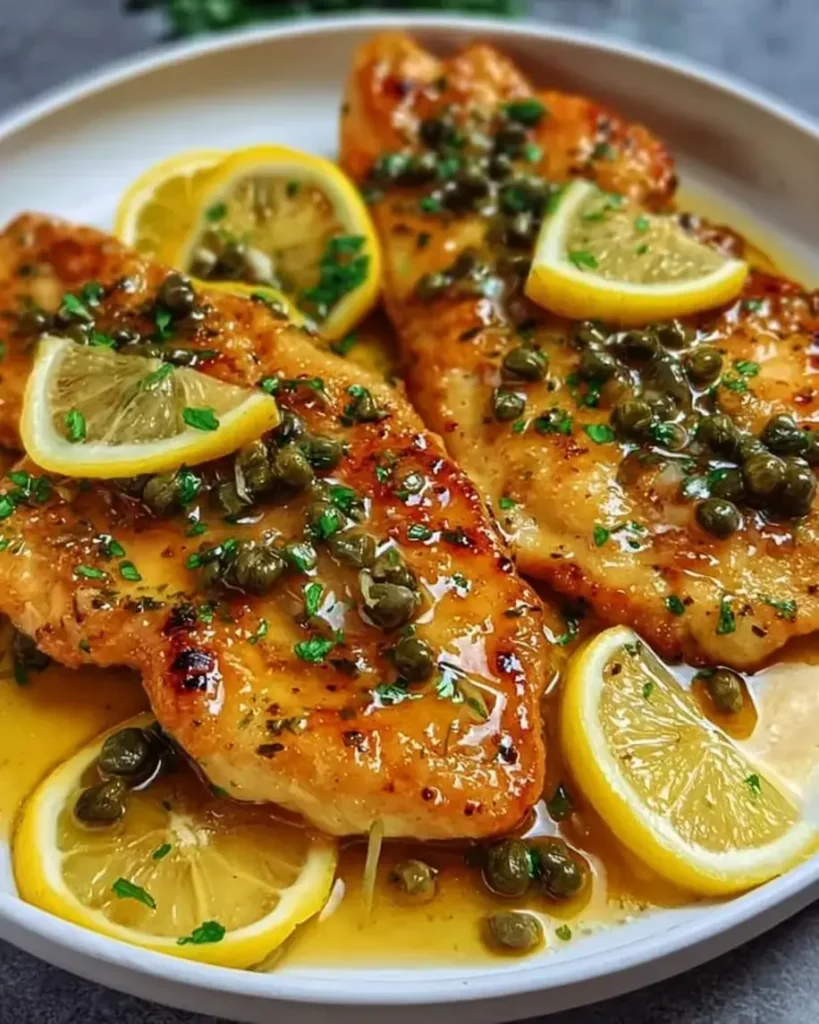
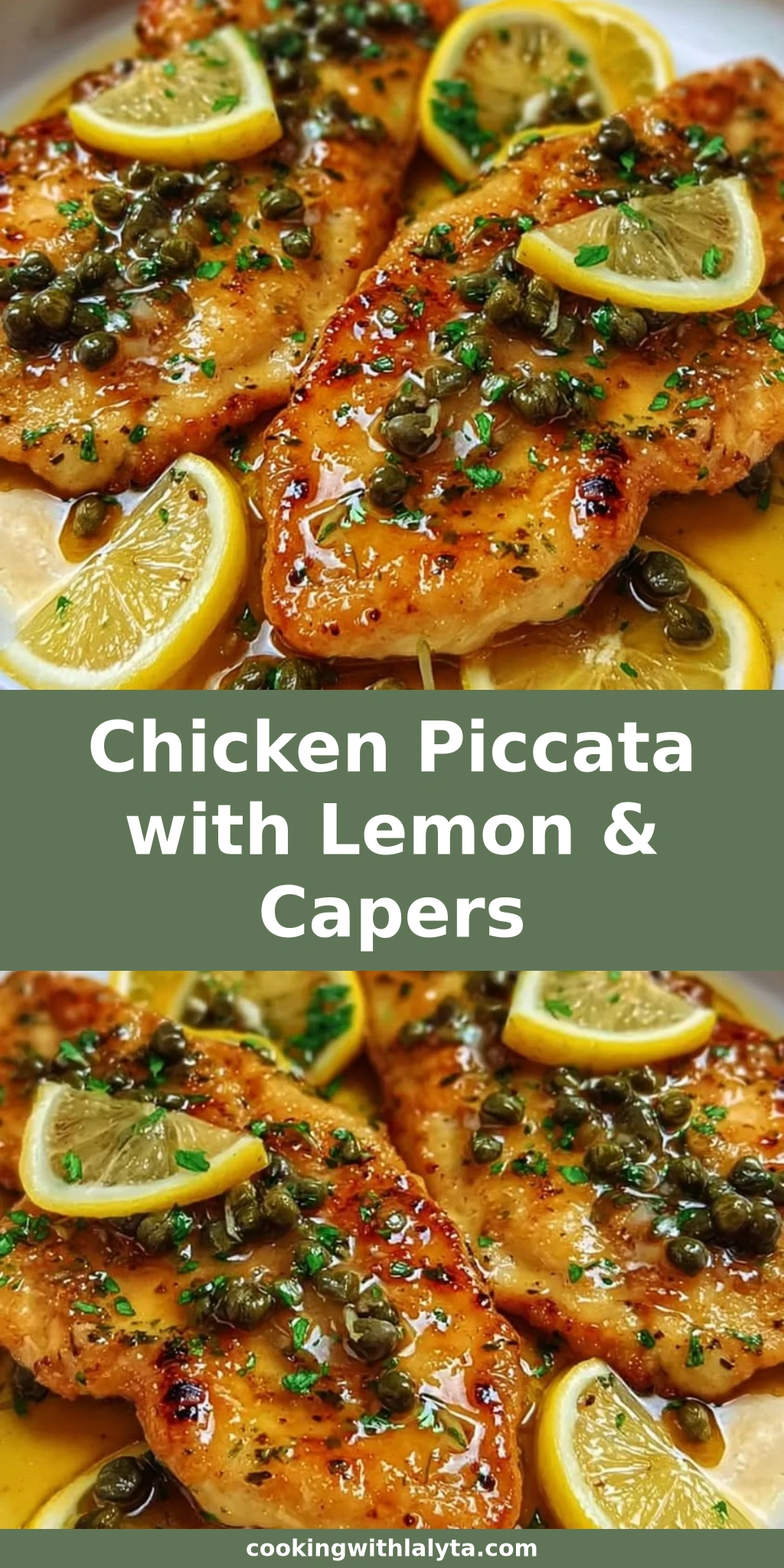
When you lift a forkful of this lemon caper chicken, the first thing that hits you is the aroma: garlic sizzling in butter, sharp citrus blooming as it hits the hot pan, and the earthy salinity of capers. The cutlets themselves are golden and crisp at the edges, tender inside, coated in a whisper of seasoned flour that helps the sauce cling to every bite. That sauce—oh, that sauce!—pools on the plate like molten sunshine, tangy and rich, with tiny briny pops from the capers. A shower of fresh parsley adds a peppery, herbal finish. It’s the kind of dish that makes you close your eyes and smile, whether you’re sharing it over candlelight or plating it straight from the skillet on a busy Tuesday.
I’ve perfected this version over years of testing, often reaching back to both my French training and the bold, fresh flavor sensibilities I grew up with in Morocco. The secret? Swirling an extra pat of cold butter into the sauce right before serving—that’s the butter mount, and it’s a game-changer. It transforms a perfectly good lemon-caper sauce into something satiny and luxurious. One common mistake I see is overcooking the chicken, which turns those delicate cutlets dry and sad. I’ll guide you through every step to avoid that, and I’ll even share the little trick I use to keep the sauce from breaking. Ready to make the best chicken piccata with capers you’ve ever tasted? Let’s get cooking.
Why This Chicken Piccata Recipe Is the Best
The Flavor Secret: A French Butter Finish. What truly sets this chicken piccata apart is the final enrichment: swirling a tablespoon of cold butter into the sauce just before it hits the table. This is the same technique I practiced in Paris, and it makes the sauce glossy, satiny, and luxurious without a drop of heavy cream. The lemon stays bright and punchy, but the butter rounds out the sharpness, creating a perfect balance. It’s a tiny step with an enormous payoff, and it’s the mark of a chef-made sauce.
Perfected Texture: Thin, Even Cutlets Every Time. Too often, chicken piccata recipes yield uneven cooking—thick in the center, overdone at the edges. I’m going to show you exactly how to pound the breasts to a uniform ¼-inch thickness, a trick I learned from a Moroccan butcher and honed in culinary school. This guarantees every piece cooks evenly, stays juicy, and develops that beautiful golden crust. The flour dredge is deliberately light, just enough to seal in moisture and give the sauce something to grip.
Foolproof & Fast, Even for Beginners. From start to finish, this easy chicken piccata takes only 35 minutes, and the steps are streamlined so nothing feels intimidating. I’ve written the instructions to include visual cues—like “cook until golden brown, about 3-4 minutes per side”—so you’re not just watching a clock. With a handful of pantry staples and one skillet, you can pull off a restaurant-quality dish any night of the week. Even if you’ve never pounded a chicken breast before, I’ll walk you through it like we’re side by side in my tiny NYC kitchen.
Chicken Piccata Ingredients
Every ingredient here pulls its weight, and I’ve learned to source them with care. For the chicken, I love the air-chilled organic breasts from my local Upper West Side butcher; they’re plumper and never water-logged. The capers I keep stocked are the tiny non-pareil variety—briny little gems that dot the sauce. When lemons are at their peak in winter, I’ll buy a bag at the Union Square Greenmarket, their juice so much sweeter and more fragrant than supermarket ones. And finally, good butter: I reach for a European-style unsalted butter with higher fat content for that silky finish. Here’s everything you need.
Ingredients List
- 2 large boneless, skinless chicken breasts (about 1.5 lbs total)
- 1/2 cup all-purpose flour
- 1 teaspoon salt, plus more for seasoning
- 1/2 teaspoon black pepper, plus more for seasoning
- 2 tablespoons olive oil
- 3 tablespoons unsalted butter, divided
- 2 cloves garlic, minced
- 1/2 cup dry white wine (or additional chicken broth)
- 1/2 cup chicken broth
- 1/4 cup fresh lemon juice (about 2 lemons)
- 1/4 cup capers, drained and rinsed
- 2 tablespoons chopped fresh parsley
Ingredient Spotlight
Chicken Breasts: You want large, plump breasts that you’ll slice horizontally into four thin cutlets. Look for ones that are about 8 ounces each, without any woody breast texture. If you can, buy organic or air-chilled—they retain less water and brown more beautifully. Substitution: Chicken thighs are fantastic too (see FAQs), though they’ll take a minute or two longer to cook and are a bit richer.
Capers: These pickled flower buds deliver a burst of salty, tangy brine that defines chicken piccata with capers. I always use non-pareil capers (the smallest size) because they distribute more evenly and aren’t overly sour. Give them a quick rinse to tame the sharpness without losing their soul. Substitution: Chopped green olives can work in a pinch, but they lack the same floral pungency.
Fresh Lemon Juice: Please, squeeze your own! The bright, volatile oils in fresh lemon juice are miles away from the flat sourness of bottled. Roll the lemons on the counter before juicing to get every last drop. Substitution: In a pinch, you could use Meyer lemon juice for a slightly sweeter, more floral sauce, but reduce the cooking time slightly as it can turn bitter if overcooked.
Unsalted Butter: Controlling the salt level is key in a sauce this simple. I use unsalted butter throughout, then season to taste at the end. The butter mount at the finish is critical—make sure that last tablespoon is ice-cold for the best emulsion. Substitution: For dairy-free, use a high-quality vegan butter stick, but know the sauce won’t be quite as glossy; it’ll still be delicious.
| Original Ingredient | Best Substitution | Flavor / Texture Impact |
|---|---|---|
| Chicken breasts | Boneless chicken thighs | Slightly richer, longer cook time |
| All-purpose flour | Gluten-free 1:1 flour blend | Very similar, crust may be a touch less crisp |
| Unsalted butter | Vegan butter stick (cold) | Slightly less glossy, still rich |
| White wine | Additional chicken broth + 1 tsp lemon juice | Less complex, but still bright |
How to Make Chicken Piccata — Step-by-Step
Let’s get that skillet hot and those beautiful aromas flowing. I promise, once you’ve made this once, it’ll become part of your regular rotation. Take a deep breath, grab your tools, and follow along—I’m right here with you.
Step 1: Slice and Pound the Chicken
Slice each chicken breast horizontally into two thin cutlets. You’ll end up with 4 pieces total. Place each between two sheets of plastic wrap or parchment paper and, using the flat side of a meat mallet or a rolling pin, pound gently but firmly to an even ¼-inch thickness. Pat very dry with paper towels—this is crucial for a good sear—and season both sides lightly with salt and pepper.
💡 Lalybeth’s Pro Tip: If you don’t have a mallet, use a heavy skillet or even a wine bottle. The goal is uniform thickness, not brute force. Even chicken cooks evenly and stays juicy.
Step 2: Season and Dredge in Flour
In a shallow dish (a pie plate works great), whisk together the ½ cup flour, 1 teaspoon salt, and ½ teaspoon pepper. Lightly dredge each cutlet in the seasoned flour, pressing gently to adhere, then shake off the excess. You want a whisper-thin coating, not a thick batter.
⚠️ Common Mistake to Avoid: Dredging too early. The flour will absorb moisture from the chicken and turn gummy. Dredge right before you cook each batch.
Step 3: Pan-Fry the Cutlets
Heat the olive oil and 1 tablespoon of the butter in a large stainless-steel or cast-iron skillet over medium-high heat. Once the butter is foamy and the oil shimmers, lay in the cutlets (in a single layer, working in batches if needed). Cook without moving them until deeply golden on the bottom, about 3-4 minutes. Flip and cook the other side until golden and cooked through, another 3-4 minutes. Transfer to a plate and tent loosely with foil.
💡 Lalybeth’s Pro Tip: Don’t crowd the pan. If the cutlets are too cozy, they’ll steam instead of sear. Give them space, and the crust will be restaurant-worthy.
Step 4: Sauté Garlic in Butter
Reduce the heat to medium. Add the remaining 2 tablespoons of butter to the skillet. Once melted, toss in the minced garlic and stir constantly until it’s fragrant and just beginning to turn pale gold—about 30 seconds. Keep a close eye; garlic can burn in a flash, and burnt garlic tastes bitter.
⚠️ Common Mistake to Avoid: Overcooking the garlic. If it turns dark brown, start over—the sauce will pick up an acrid flavor that no lemon can mask.
Step 5: Deglaze with White Wine
Pour in the ½ cup of dry white wine (or additional chicken broth if you prefer no alcohol). Scrape up all those glorious browned bits stuck to the bottom of the pan with a wooden spoon—they’re packed with flavor. Let the wine bubble and reduce by about half, roughly 2 minutes, to cook off the raw alcohol and concentrate the taste.
💡 Lalybeth’s Pro Tip: Choose a crisp, unoaked white like Sauvignon Blanc or Pinot Grigio. You’ll be left with a clean, fruity base that lets the lemon shine.
Step 6: Build the Lemon-Caper Sauce
Add the ½ cup chicken broth and the ¼ cup fresh lemon juice to the pan. Stir in the drained capers. Bring everything to a gentle simmer and let it bubble for 2-3 minutes, just until slightly thickened and the flavors meld. Taste and adjust the seasoning—you might want a pinch more salt or a grind of pepper.
⚠️ Common Mistake to Avoid: Boiling the sauce vigorously after adding the lemon juice can break the emulsion and make it watery. Keep it at a gentle simmer.
Step 7: Return Chicken to the Pan
Nestle the chicken cutlets back into the skillet, along with any juices that collected on the plate. Spoon some of that fragrant sauce over each piece. Simmer gently for 2-3 minutes, not boiling, just until the chicken is heated through and the sauce clings to the meat.
💡 Lalybeth’s Pro Tip: For the butter mount: remove the pan from the heat, drop in an extra tablespoon of cold butter, and swirl or whisk until it melts into the sauce. This will give you a satiny, glossy finish that’s pure Parisian bistro.
Step 8: Garnish and Serve
Sprinkle the chopped fresh parsley over everything. The parsley adds a fresh, slightly peppery note that cuts through the richness. Serve immediately, spooning extra sauce and capers over each cutlet. This dish waits for no one—the sauce is at its absolute best right away.
⚠️ Common Mistake to Avoid: Letting the dish sit too long before serving. The sauce will begin to separate as it cools. Gather everyone to the table first!
| Step | Action | Duration | Key Visual Cue |
|---|---|---|---|
| 1 | Slice & pound chicken | 8 mins | Even ¼-inch thickness |
| 2 | Dredge in flour | 1 min | Light, even coating; shake excess |
| 3 | Pan-fry cutlets | 8 mins | Deep golden brown crust |
| 4 | Sauté garlic | 30 sec | Fragrant, pale gold |
| 5 | Deglaze with wine | 2 mins | Wine reduced by half |
| 6 | Add broth, lemon, capers | 3 mins | Sauce slightly thickened |
| 7 | Return chicken, simmer | 3 mins | Chicken heated through, sauce clings |
| 8 | Garnish & serve | Immediate | Parsley scattered, sauce glossy |
Serving & Presentation
I love plating this chicken piccata on a wide, shallow bowl or a warmed dinner plate, letting the sauce pool around the cutlets. A generous swoosh of sauce on the bottom, then the chicken, then a few extra capers and a drizzle from the pan—it’s simple but so inviting. For family-style, I’ll arrange everything on a large platter and shower it with parsley right before it hits the table. The aromas alone will have everyone pulling up a chair.
For sides, I often go the classic route: a tangle of angel hair pasta tossed in a little butter and parsley to catch every drop of that lemony sauce. A crusty baguette is non-negotiable; tearing off a piece to swipe through the last bit of sauce is one of life’s purest pleasures. If I’m craving something green, a simple arugula salad with shaved Parmesan and a lemon vinaigrette balances the richness beautifully—a side I fell in love with during my Paris days and still make weekly in my NYC kitchen.
| Pairing Type | Suggestions | Why It Works |
|---|---|---|
| Side Dish | Angel hair pasta, steamed asparagus, roasted baby potatoes | Pasta soaks up sauce; asparagus adds freshness; potatoes offer contrast |
| Sauce / Dip | Extra lemon butter sauce, garlic aioli | Highlights the lemon-caper theme; aioli adds creamy richness |
| Beverage | Crisp white wine (Sauvignon Blanc), sparkling water with lemon, iced tea | Acidity complements sauce; non-alcoholic options stay refreshing |
| Garnish | Lemon slices, extra capers, chopped parsley, microgreens | Visual pop and aromatic boost |
Make-Ahead, Storage & Reheating
Like many New Yorkers, I’m a master of the weeknight hustle, so I often prep components ahead: pound and flour the cutlets in the morning, keep them in the fridge on a tray, and the whole dish comes together in 20 minutes flat. The sauce, however, is best enjoyed immediately—but leftovers can be saved beautifully with the right touch.
| Method | Container | Duration | Reheating Tip |
|---|---|---|---|
| Refrigerator | Airtight container | Up to 3 days | Reheat gently in a skillet over low heat with a splash of broth |
| Freezer | Freezer-safe container (sauce and chicken separate, if possible) | Up to 2 months | Thaw overnight, reheat slowly; whisk in a tiny bit of cold butter to revive sauce |
| Make-Ahead | Sheet pan for cutlets, covered | Pound and flour up to 8 hours ahead | Keep refrigerated; fry directly from fridge, adding 1-2 mins cook time |
The biggest mistake when reheating is blasting it in the microwave on high—that causes the sauce to break and the chicken to toughen. Instead, I gently warm everything in a skillet with a tablespoon of chicken broth, letting the sauce come back together over low heat. If it looks a little separated, a quick whisk with a tiny piece of cold butter works magic. And honestly, the flavors meld even more overnight, making Monday’s lunch a real treat.
Variations & Easy Swaps
| Variation | Key Change | Best For | Difficulty Impact |
|---|---|---|---|
| Lemon-Caper Butter Sauce for Fish | Swap chicken for firm white fish (sole, halibut) | Lighter dinner; seafood lovers | No change—even easier, as fish cooks faster |
| Gluten-Free & Dairy-Free Chicken Piccata | GF flour blend + vegan butter | Dietary restrictions | Slightly less crisp crust; sauce still luscious |
| Saffron & Preserved Lemon Chicken Piccata | Add a pinch of saffron + swap some lemon juice for minced preserved lemon | Moroccan-inspired twist; special occasions | Same steps; saffron needs to bloom in warm broth |
Lemon-Caper Butter Sauce for Fish
This is a beautiful way to use the same sauce with delicate white fish fillets—think sole, flounder, or even pan-seared halibut. The technique is identical: dredge the fish lightly in flour and pan-fry for 2-3 minutes per side. Because fish cooks faster, have the sauce ready first, then spoon it over the fillets. The velvety butter mount is even more pronounced with the mild sweetness of fish, and it’s a dish I often make for impromptu dinner parties after a trip to the fishmonger at Chelsea Market.
Gluten-Free & Dairy-Free Chicken Piccata
To make this entirely gluten-free and dairy-free, simply substitute a high-quality 1:1 gluten-free flour blend for the all-purpose flour. I’ve tested it with Bob’s Red Mill and Cup4Cup with excellent results—the coating stays light and crisps up nicely. For the butter, use a cold vegan butter stick; I recommend Earth Balance or Miyoko’s. Swirl it in off the heat as directed. The sauce won’t be quite as glossy as the classic version, but it’s still irresistibly tangy and rich, and no one will guess it’s dairy-free.
Saffron & Preserved Lemon Chicken Piccata
This variation is a little love letter to my Moroccan roots. To a couple of tablespoons of warm chicken broth, add a small pinch of saffron threads and let them steep for 5 minutes—the broth will turn a brilliant gold. Stir this saffron liquid into the sauce along with the lemon juice, and replace about half of the fresh lemon juice with finely chopped preserved lemon rind (rinse the preserved lemon first to tame the salt). The result is a deeply aromatic, slightly earthy sauce with pops of intense citrus that would make my mother proud. Serve it over couscous instead of pasta for a complete Moroccan-Italian fusion experience, something I’ve perfected in my NYC kitchen.
Frequently Asked Questions
What is the best way to keep chicken piccata from drying out?
The key is twofold: first, don’t overcook the chicken. Thin cutlets need only 3-4 minutes per side over medium-high heat—they cook fast. Second, the little bit of flour coating helps seal in moisture, but don’t use a thick breading; a light dredge is enough. Finally, when you return the chicken to the pan to simmer in the sauce, do it over low heat for just a couple of minutes—any longer and the meat can tighten up. And always let the chicken rest for a minute after cooking; it redistributes the juices.
Can I use chicken thighs instead of chicken breasts for chicken piccata?
Absolutely, and they’re delicious. Boneless, skinless chicken thighs will be juicier and a bit more forgiving if you accidentally overcook them. You’ll want to pound them to an even thickness just like breasts, though they’re already thinner. Pan-fry them for about 4-5 minutes per side because they’re a little denser. The flavor is slightly richer, and it pairs beautifully with the lemony sauce. I actually prefer thighs for a weeknight version when I want extra insurance against dry meat.
How do you thicken the lemon caper sauce for chicken piccata?
The sauce in a classic chicken piccata is meant to be light and brothy, not thick like a gravy. But if you prefer a slightly more substantial texture, there are a couple of ways. First, once you return the chicken to the pan, let everything simmer and reduce for an extra minute or two—the flour from the cutlets will naturally thicken the sauce. If you want even more body, whisk 1 teaspoon of cornstarch with 1 tablespoon of cold water and stir it into the simmering sauce. But my favorite way? A generous butter mount at the end adds richness and a velvety consistency without any gloppiness.
What can I serve with chicken piccata with lemon and capers?
The classic pairing is angel hair pasta or linguine, tossed with a little butter and fresh parsley to capture that glorious sauce. For a low-carb option, serve it over sautéed spinach, cauliflower rice, or a bed of zoodles. Roasted asparagus or broccolini are wonderful green sides that complement the lemon. And don’t forget a loaf of crusty bread for sopping up every last drop—that’s practically mandatory in my kitchen.
Do I have to use white wine? What can I substitute?
You don’t have to use wine; the recipe works beautifully with extra chicken broth instead. The wine adds a layer of acidity and fruitiness that deepens the sauce, but if you avoid alcohol, simply use an additional 1/2 cup of chicken broth plus a teaspoon of lemon juice. The sauce will be slightly simpler in flavor but still deliciously tangy and savory. Some cooks use a splash of white wine vinegar diluted with water, but I find that can be harsh—broth is your best bet.
Can I make chicken piccata ahead of time?
The cutlets can be pounded, floured, and stored in the fridge up to 8 hours in advance—that’s a huge timesaver. I don’t recommend cooking the whole dish ahead, because the sauce is best fresh and the chicken can dry out upon reheating. However, you can cook it, cool it quickly, and refrigerate for up to 3 days; reheat extremely gently in a skillet with a splash of broth. The texture won’t be as pristine as freshly made, but it’s still very tasty.
Why does my sauce separate or look greasy?
A greasy or broken sauce is usually due to the heat being too high when you add the butter at the end, or the sauce being boiled hard after the lemon juice is added. To fix it, remove the pan from the heat, add the cold butter in small pieces, and whisk constantly until it melts and emulsifies. You can also whisk in a teaspoon of cold water to help bring an emulsion back together. A gentle, gradual heat is your friend for a silky sauce.
Can I use dried parsley instead of fresh?
Fresh parsley really matters here—the bright, peppery flavor lifts the entire dish and adds a touch of color. Dried parsley lacks that vibrancy and can taste dusty. If you’re in a pinch, you can skip it rather than substitute, but the dish won’t have the same fresh finish. Better yet, a sprinkle of fresh chives or even a few fresh basil leaves (chiffonade) work as lovely alternatives if you have them.
Is chicken piccata the same as lemon chicken?
Not exactly. While both are lemon-forward, chicken piccata specifically includes capers and is finished with butter, giving it a distinct briny-tangy-rich profile. Lemon chicken can be any number of preparations—often a Chinese-American dish with a sweet-sour lemon sauce, or simply roasted with lemon. Piccata is Italian-American at its core, defined by that combination of lemon, white wine or broth, and capers, with the butter adding body and gloss.
How can I make this recipe dairy-free without sacrificing flavor?
Use a high-quality vegan butter stick—one that’s designed to behave like dairy butter, such as Miyoko’s or Earth Balance—and keep it cold before swirling. For the best result, add it off heat and whisk until the sauce becomes glossy. You can also add a tiny splash of full-fat coconut milk for additional richness, though it will change the flavor slightly. The lemon and capers still shine, and you’d be hard-pressed to notice the difference if you’re not comparing side by side.
Share Your Version!
I truly love seeing what you create in your own kitchens, and this chicken piccata recipe is such a personal favorite that I can’t wait to hear how it turns out for you. Did you try the butter mount? Maybe you added a Moroccan twist or swapped in thighs? Leave a comment below and let me know—your stories and tweaks make this community so special. And if you snap a photo, tag me on Instagram or Pinterest @cookingwithlalyta so I can share your beautiful plate on my stories.
Now I’d love to ask you: What’s your go-to weeknight dish that feels like a celebration? Tell me in the comments—I’m always hunting for new inspiration to bring into my NYC kitchen. From my NYC kitchen to yours — I hope this recipe brings as much warmth to your table as it does to mine. — Lalybeth 🧡
Love This Recipe? Save It to Pinterest!
If you enjoyed this Chicken Piccata with Lemon & Capers recipe, don’t let it get lost in your browser tabs! 😄 Pin it now so you can find it again anytime — and explore hundreds more tried-and-tested recipes waiting for you on my Pinterest boards.
👉 Follow Lalybeth on Pinterest @cookingwithlalyta
📌 Pin this recipe · 🔁 Re-pin your favorites · 💬 Tag me when you make it — I love seeing your creations!

Chicken Piccata with Lemon & Capers
- Total Time: 35 minutes
- Yield: 4 1x
Description
A classic Italian-American dish of chicken cutlets in a bright, buttery lemon-caper sauce. Quick enough for a weeknight and elegant enough for company.
Ingredients
- 2 large boneless, skinless chicken breasts (about 1.5 lbs total)
- 1/2 cup all-purpose flour
- 1 teaspoon salt
- 1/2 teaspoon black pepper
- 2 tablespoons olive oil
- 3 tablespoons unsalted butter, divided
- 2 cloves garlic, minced
- 1/2 cup dry white wine or chicken broth
- 1/2 cup chicken broth
- 1/4 cup fresh lemon juice (about 2 lemons)
- 1/4 cup capers, drained and rinsed
- 2 tablespoons chopped fresh parsley
Instructions
- Slice chicken breasts horizontally to create 4 thin cutlets. Place between plastic wrap and pound to even thickness, about 1/4 inch. Pat dry and season with salt and pepper.
- In a shallow dish, whisk flour with 1 teaspoon salt and 1/2 teaspoon pepper. Dredge each cutlet in flour, shaking off excess.
- Heat olive oil and 1 tablespoon butter in a large skillet over medium-high heat. Add chicken in a single layer (work in batches if needed) and cook until golden brown, about 3-4 minutes per side. Transfer to a plate.
- Reduce heat to medium. Add remaining 2 tablespoons butter to the skillet. Add garlic and cook for 30 seconds until fragrant.
- Pour in wine (or broth) and scrape up any browned bits from the bottom of the pan. Let simmer until slightly reduced, about 2 minutes.
- Add chicken broth and lemon juice, then stir in capers. Bring to a gentle simmer.
- Return chicken cutlets to the pan, nestling them in the sauce. Simmer for 2-3 minutes, spooning sauce over the chicken, until heated through.
- Sprinkle with fresh parsley and serve immediately with sauce spooned on top.
Notes
Serve over angel hair pasta, rice, or alongside crusty bread to soak up the sauce. For a richer sauce, finish by swirling in an extra tablespoon of cold butter. If you don’t consume alcohol, replace the white wine with additional chicken broth.
- Prep Time: 15 minutes
- Cook Time: 20 minutes
- Method: Main Course
- Cuisine: Italian-American
Nutrition
- Calories: 370 kcal
- Sugar: 1 g
- Fat: 22 g
- Carbohydrates: 12 g
- Protein: 28 g
Tried This Recipe? Leave a Comment!
Did you make this recipe? I’d love to hear how it turned out! Please leave a comment and a rating below. Your feedback helps other home cooks and supports cookingwithlalyta.com!
For more delicious inspiration, follow me on Pinterest!