Table of Contents
Creamy Shrimp Linguine Explosion – A Spicy, Creamy Flavor Bomb That Comes Together in 30 Minutes
I still remember the first time I made this creamy shrimp linguine in my tiny Upper West Side apartment on a drizzly Tuesday evening. I’d just come back from the Union Square farmers market with a pound of gloriously fresh shrimp and a head of garlic so fragrant it perfumed my entire subway ride home. I wanted something that felt like a warm hug but also had the bold, unapologetic personality of New York City itself — and that’s exactly how this creamy shrimp linguine explosion was born. It’s luscious and velvety from heavy cream and Parmesan, yet it hits you with a fiery spark from red pepper flakes and smoked paprika that keeps every bite wildly exciting. This isn’t your average shrimp linguine recipe — it’s the one you’ll crave on a random Wednesday and the one you’ll proudly serve when friends come over for dinner.
What makes this dish so irresistible is the way the sauce clings to every strand of linguine like silk, carrying little flecks of garlic and chili into every twirl of your fork. The shrimp are seared just until pink and tender in browned butter — a technique I learned during my Paris training, where we were taught that butter should foam and whisper, never scream. Then comes the cream, simmered gently with chicken broth until it thickens into a sauce that’s rich but never heavy, thanks to a bright finish of fresh lemon juice that cuts through the richness like a crisp autumn breeze through Central Park. The paprika adds a subtle smokiness that reminds me of the spice markets back in Morocco, where my mother would let me hold the little clay bowls of ground peppers while she haggled for saffron. It’s a dish that bridges continents and memories in the best possible way.
Over the years, I’ve tested this easy shrimp linguine more times than I can count — tweaking the cream-to-broth ratio, playing with different pasta shapes, even trying it with coconut milk for a dairy-free version. But this version right here is the one that always brings my family running to the table. The secret lies in building layers of flavor rather than dumping everything into the pan at once. In a moment, I’ll share my pro tip for getting that restaurant-quality sear on your shrimp without overcooking them, plus a common mistake that turns creamy sauces grainy — and exactly how to avoid it. Whether you’re a seasoned home cook or just dipping your toes into the world of garlic shrimp linguine, this recipe is designed to make you feel like a confident, intuitive chef in your own kitchen.
Why This Creamy Shrimp Linguine Recipe Is the Best
The Flavor Secret — This creamy shrimp linguine doesn’t rely on cream alone for its richness; it leans on a foundation of deeply browned butter and garlic that’s been coaxed into fragrant submission before anything else touches the pan. That initial step, which takes all of sixty seconds, is what separates a forgettable cream sauce from one that tastes like it simmered for hours. I learned this from a sous chef in Paris who whispered to me, “Always make your butter speak first.” The red pepper flakes and paprika aren’t an afterthought here — they’re bloomed in the hot fat to release their essential oils, creating a spicy backbone that weaves through every creamy, cheesy layer.
Perfected Texture — Here’s where my culinary school training really comes into play. The shrimp are cooked separately and removed before the sauce is built, which means they never have a chance to turn rubbery or release too much liquid into the pan. They’re seared over medium heat for exactly two to three minutes per side, just until they curl into perfect little spirals and turn from translucent gray to blushing coral pink. The linguine is boiled to true al dente — meaning it still has a pleasant chew at the center — so it can finish absorbing the sauce without turning mushy. This garlic shrimp linguine recipe gives you tender, bouncy shrimp and pasta that’s perfectly coated, never swimming in a pool of broken cream.
Foolproof & Fast — At its heart, this is an easy shrimp linguine that respects your time without cutting corners on flavor. The entire dish comes together in thirty minutes flat, which means you can pull it off on a busy weeknight and still feel like you’ve treated yourself to something special. Every step is clearly timed, and I’ve included visual cues — like the way the butter should foam before you add the garlic, or the exact shade of golden brown you’re looking for — so even if you’re new to cooking seafood pastas, you’ll feel completely in control. I’ve tested this recipe with both fresh and frozen shrimp, with heavy cream and half-and-half, and with multiple Parmesan brands, so the instructions account for the small variables that can make or break a dish.
Creamy Shrimp Linguine Ingredients
For me, a great recipe always starts with a stroll through the grocery store or farmers market — and this one is no exception. When I shop for these ingredients in NYC, I head straight to the seafood counter for wild-caught shrimp, then grab a wedge of real Parmigiano-Reggiano from the cheese monger. There’s something meditative about selecting each component, knowing exactly how it will contribute to the final dish. My favorite trick is to pick up fresh parsley and a bright, heavy lemon from the Greenmarket — the kind that feels almost too plump for its skin, promising plenty of juice.
Ingredients List
- 12 oz linguine
- 1 lb large shrimp, peeled and deveined
- 3 tablespoons unsalted butter
- 4 cloves garlic, minced
- 1 cup heavy cream
- 1/2 cup chicken broth
- 1/2 cup grated Parmesan cheese
- 1 teaspoon red pepper flakes
- 1 teaspoon smoked paprika
- Salt and black pepper to taste
- 2 tablespoons fresh parsley, chopped
- 1 lemon, juiced
Ingredient Spotlight
Shrimp — Go for large or extra-large shrimp (21–30 count per pound) for the best presentation and texture. Look for shrimp that smell clean and slightly briny, never fishy or ammonia-like. If you’re using frozen shrimp, that’s totally fine — just thaw them overnight in the fridge and pat them very dry with paper towels before searing. You can substitute with medium shrimp in a pinch, but reduce the cooking time by about 30 seconds per side to avoid overcooking.
Heavy Cream — This is the backbone of our creamy shrimp linguine sauce. Heavy cream has a fat content of at least 36%, which means it simmers into a luxurious, stable sauce without separating. If you need a lighter option, half-and-half works surprisingly well — the sauce will be slightly thinner, so let it simmer an extra minute or two to thicken. Avoid using milk alone, as it lacks the fat needed to emulsify properly and can curdle when combined with the lemon juice.
Parmesan Cheese — Please, I’m begging you — buy a block and grate it yourself. Pre-shredded Parmesan is coated with anti-caking agents that prevent it from melting smoothly into the cream sauce, often leaving you with a grainy, clumpy finish. A real wedge of Parmigiano-Reggiano grated on a microplane will dissolve into the cream like silk, adding a nutty, savory depth that makes this garlic shrimp linguine taste truly restaurant-worthy. In a pinch, Grana Padano is a slightly milder but still excellent substitute.
Red Pepper Flakes & Smoked Paprika — These two spices are the “explosion” in our creamy shrimp linguine explosion. The red pepper flakes bring a clean, straightforward heat that builds gently on the palate, while smoked paprika contributes a warm, woodsy undertone that reminds me of the dried peppers hanging in my grandmother’s courtyard in Marrakech. If you’re spice-averse, you can reduce the pepper flakes to 1/2 teaspoon without losing the overall balance. For a different flavor profile, substitute hot Hungarian paprika for a slightly sweeter kick.
| Original Ingredient | Best Substitution | Flavor / Texture Impact |
|---|---|---|
| Heavy Cream | Half-and-half | Slightly thinner sauce; simmer 2 extra minutes to thicken |
| Parmesan Cheese | Grana Padano or Pecorino Romano | Milder (Grana Padano) or saltier (Pecorino); adjust salt accordingly |
| Chicken Broth | Vegetable broth or dry white wine | Lighter body; wine adds pleasant acidity |
| Linguine | Fettuccine or spaghetti | Slightly different mouthfeel; cooking times vary |
| Red Pepper Flakes | Cayenne pepper (1/4 tsp) | More intense, sharper heat; use sparingly |
How to Make Creamy Shrimp Linguine Explosion — Step-by-Step
Before we dive in, take a deep breath — this recipe moves quickly, but I’m right here with you every step of the way. Read through all the steps once, gather your ingredients, and maybe pour yourself a glass of crisp Pinot Grigio. Cooking is so much more enjoyable when you’re not scrambling mid-recipe.
Step 1: Cook the Linguine
Bring a large pot of generously salted water to a rolling boil. You want the water to taste like the sea — this is your only chance to season the pasta itself. Add 12 oz of linguine and cook according to the package directions until al dente, usually about 9–11 minutes. Before draining, scoop out and reserve about 1/2 cup of that starchy pasta water. Drain the linguine and set it aside in the colander, drizzling just a tiny bit of olive oil over it if it’ll be sitting for more than a couple of minutes.
💡 Lalybeth’s Pro Tip: Don’t overcook the pasta at this stage. Since the linguine will spend a minute or two in the hot sauce later, you want it slightly firmer than your ideal bite. I always set my timer for one minute less than the package suggests — that way, the pasta finishes cooking in the sauce and absorbs all that creamy goodness without turning mushy.
Step 2: Sauté the Garlic
In a large skillet or sauté pan, melt 3 tablespoons of unsalted butter over medium heat. Watch closely — the butter should foam gently and just begin to turn a light golden color, releasing a nutty aroma. Add 4 cloves of minced garlic and stir continuously for about 1 minute. The moment you smell that unmistakable garlic fragrance blooming in the air, you’re ready for the next step. Be vigilant: garlic can go from golden and aromatic to burnt and bitter in a matter of seconds, and burnt garlic will ruin the entire creamy shrimp linguine.
⚠️ Common Mistake to Avoid: Walking away from the stove during this step. Garlic cooks fast, and if it burns even slightly, it will impart an acrid, unpleasant bitterness to your sauce. Stay present, keep stirring, and keep your nose tuned in — your senses are your best kitchen tools here.
Step 3: Sear the Shrimp
Now add 1 lb of peeled and deveined large shrimp to the fragrant garlic butter. Spread them out in a single layer so each shrimp has contact with the hot surface of the pan. Let them cook undisturbed for about 2–3 minutes on the first side — you’re looking for the edges to turn pink and the underside to develop a light golden sear. Flip each shrimp with tongs and cook for another 2–3 minutes on the second side until fully pink and opaque throughout. The shrimp should curl into a loose “C” shape; if they’ve curled into a tight “O,” they’re overcooked. Transfer the shrimp to a plate and set aside, leaving all that glorious garlic butter in the pan.
💡 Lalybeth’s Pro Tip: Pat your shrimp bone-dry with paper towels before they hit the pan. Any excess moisture will cause the shrimp to steam rather than sear, and you’ll lose that beautiful golden crust. Also, resist the urge to crowd the pan — if your skillet isn’t large enough, sear the shrimp in two batches. Overcrowding drops the pan temperature and releases too much liquid.
Step 4: Build the Creamy Sauce
With the skillet still over medium heat, pour in 1/2 cup of chicken broth and use a wooden spoon to scrape up any browned bits stuck to the bottom of the pan — those little caramelized flecks are packed with flavor. Then add 1 cup of heavy cream and stir to combine. Bring the mixture to a gentle simmer, not a rolling boil, and let it cook for 2–3 minutes, stirring occasionally. You’ll notice the sauce beginning to thicken slightly as it reduces. The surface should have lazy bubbles breaking here and there — if it’s bubbling vigorously, lower your heat to medium-low to prevent the cream from separating.
⚠️ Common Mistake to Avoid: Boiling cream at high heat can cause it to curdle or “break,” resulting in a grainy, oily sauce. Keep the heat moderate and be patient. If your sauce does break despite your best efforts, whisk in a splash of cold cream or a tiny knob of cold butter off the heat to help bring it back together.
Step 5: Melt in the Parmesan and Spices
Reduce the heat to low and stir in 1/2 cup of freshly grated Parmesan cheese, 1 teaspoon of red pepper flakes, 1 teaspoon of smoked paprika, plus salt and black pepper to taste. Whisk or stir continuously as the cheese melts into the sauce, transforming it from a pale cream into a warm, golden-tinged blanket. The sauce will thicken further as the Parmesan incorporates — this is exactly what we want. Keep stirring for about 1–2 minutes until the sauce is smooth and glossy, with no visible cheese granules. Taste and adjust the seasoning if needed; remember that Parmesan is naturally salty, so you may need less added salt than you think.
💡 Lalybeth’s Pro Tip: Always add Parmesan off the heat or over very low heat. High temperatures can cause the cheese proteins to tighten and clump, leaving you with a gritty sauce instead of a silky one. If you’re grating your own cheese with a microplane, it’ll melt almost instantly on contact with the warm cream.
Step 6: Toss Everything Together
Return the seared shrimp to the skillet along with the cooked linguine. Using tongs, gently toss everything together until each strand of pasta is coated in the creamy, spicy sauce and the shrimp are evenly distributed. If the sauce feels too thick, add a splash of that reserved pasta water — just a tablespoon or two at a time — until you reach a glossy, clinging consistency. The starch in the pasta water helps the sauce adhere to the linguine beautifully, a classic Italian technique I picked up during my Paris training.
⚠️ Common Mistake to Avoid: Tossing the linguine and letting it sit in the pan over active heat. Once the pasta is in, work quickly and turn off the heat before moving to the final step. Lingering heat can overcook the shrimp and reduce your sauce into an oily puddle.
Step 7: Finish with Lemon and Parsley
Remove the skillet from the heat entirely. Squeeze the juice of one fresh lemon over the pasta — this bright acidity is what balances the richness of the cream and makes every bite feel fresh and lively. Scatter 2 tablespoons of chopped fresh parsley across the top and give everything one final gentle toss. The parsley isn’t just a garnish here; its herbaceous, slightly peppery notes complement the paprika and garlic beautifully. Serve immediately in warm bowls, with extra grated Parmesan and a pinch of red pepper flakes on the side for anyone who wants to dial up the heat.
💡 Lalybeth’s Pro Tip: To get the maximum juice from your lemon, roll it firmly on the countertop under your palm for 10 seconds before cutting. This breaks down the internal membranes and releases significantly more juice. And always zest the lemon before juicing if you want to add a little extra citrusy pop — the zest sprinkled over the finished dish is pure magic.
| Step | Action | Duration | Key Visual Cue |
|---|---|---|---|
| 1. Cook Linguine | Boil in salted water until al dente | 9–11 mins | Pasta bends with slight resistance at center |
| 2. Sauté Garlic | Melt butter, add garlic, stir constantly | 1 min | Garlic is fragrant and pale golden |
| 3. Sear Shrimp | Cook shrimp in single layer, flip once | 4–6 mins | Pink and opaque with loose “C” curl |
| 4. Build Sauce | Add broth and cream, simmer gently | 2–3 mins | Lazy bubbles, sauce coats spoon lightly |
| 5. Add Cheese & Spices | Stir in Parmesan, pepper flakes, paprika | 1–2 mins | Sauce is smooth, golden, and glossy |
| 6. Toss Together | Add shrimp and linguine, toss to coat | 1 min | Every strand glistens with sauce |
| 7. Finish & Serve | Add lemon juice, parsley; toss off heat | 30 secs | Bright, herbal aroma; serve immediately |
Serving & Presentation
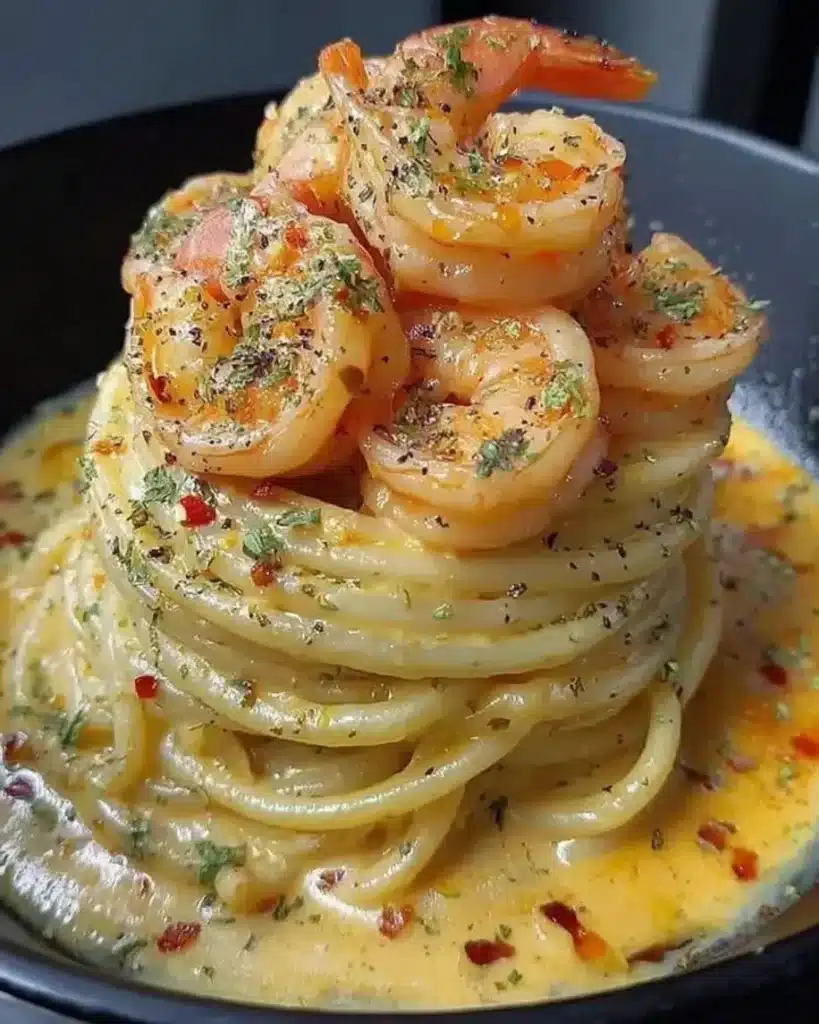
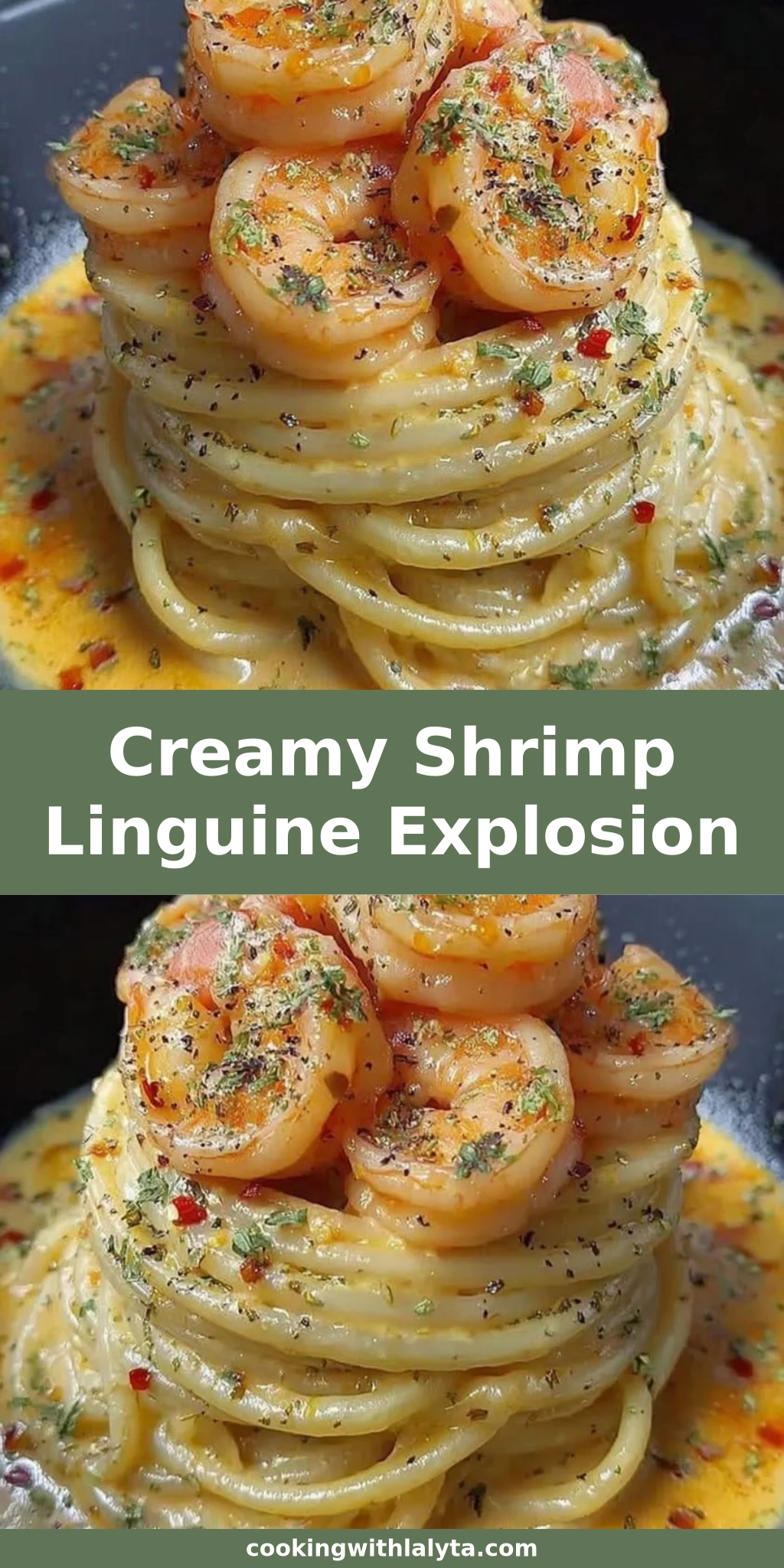
When I plate this creamy shrimp linguine, I like to twirl a generous nest of pasta in the center of a warm, shallow bowl using a large carving fork — the same way my instructors in Paris taught me, lifting and twisting until the linguine forms an elegant mound. Then I nestle four or five shrimp on top, letting them peek through the strands like little treasures. A final shower of freshly grated Parmesan, a pinch of red pepper flakes, and a scattering of bright green parsley transforms it from a simple weeknight dinner into something that feels worthy of a dinner party. If I’m feeling particularly fancy, I’ll add a few paper-thin lemon slices to the rim of the bowl — they look beautiful and let guests add an extra squeeze if they want more brightness.
For a complete meal, I love serving this shrimp linguine recipe alongside a simple arugula salad dressed with lemon vinaigrette and shaved Parmesan — the peppery greens echo the red pepper flakes in the pasta while cutting through the creaminess. A side of crusty sourdough bread is practically mandatory for sopping up any leftover sauce at the bottom of the bowl. In cooler months, I’ll pair it with roasted asparagus tossed in olive oil and flaky sea salt, taking advantage of whatever looks fresh at the Union Square Greenmarket that week.
The beauty of this dish is that it doesn’t need much dressing up to impress. Even served straight from the skillet at a casual family table — the way I do most nights in my NYC apartment — it has a natural magnetism that draws everyone in. The steam carries that intoxicating blend of butter, garlic, and smoked paprika through the air, and before I’ve even called everyone to the table, they’re already gathering with plates in hand. That’s the mark of a truly great creamy shrimp pasta: it doesn’t just feed people, it brings them together.
| Pairing Type | Suggestions | Why It Works |
|---|---|---|
| Side Dish | Arugula salad with lemon vinaigrette, roasted asparagus, garlic bread | Bright acidity or crisp texture balances the rich, creamy sauce |
| Sauce / Dip | Extra lemon wedges, chili oil drizzle, roasted garlic aioli | Amplifies the spicy, garlicky notes without overwhelming |
| Beverage | Pinot Grigio, Sauvignon Blanc, sparkling water with lemon | Crisp, unoaked whites cut through cream; bubbles refresh the palate |
| Garnish | Lemon zest, fresh parsley, extra Parmesan, toasted pine nuts | Adds color, texture contrast, and a final flavor pop |
Make-Ahead, Storage & Reheating
In the rhythm of my busy NYC life, meal prepping is a non-negotiable survival strategy — and this creamy shrimp linguine actually holds up surprisingly well with a few smart tweaks. While I recommend making this dish fresh for the absolute best texture, you can absolutely prep components ahead to streamline your cooking on a hectic weeknight. The key is keeping the shrimp, sauce, and pasta separate until you’re ready to serve, then bringing them together in a quick, glorious reunion over gentle heat.
| Method | Container | Duration | Reheating Tip |
|---|---|---|---|
| Refrigerator | Airtight glass container | Up to 3 days | Reheat gently in a skillet with a splash of cream or broth; avoid microwave which can make shrimp rubbery |
| Freezer | Freezer-safe container (sauce only, not pasta and shrimp) | Sauce up to 1 month | Thaw sauce overnight in fridge; reheat gently, then add freshly cooked shrimp and pasta |
| Make-Ahead | Separate containers for each component | Prep 1 day in advance | Cook pasta, make sauce, and sear shrimp separately; combine and reheat just before serving |
If you do end up with leftovers that are already mixed together — and trust me, I’ve been there after a dinner party when everyone went back for seconds — the stovetop is your best friend for reheating. Place the creamy shrimp linguine in a skillet over medium-low heat with a splash of cream or chicken broth, and gently toss with tongs until warmed through. This method revives the sauce and prevents the shrimp from turning tough. I strongly advise against the microwave, which heats unevenly and can turn those beautiful, tender shrimp into rubbery little erasers in under a minute.
One more thing: if you’re planning to freeze, I recommend freezing only the sauce — without the shrimp or pasta. Cooked shrimp doesn’t freeze and reheat well, often becoming watery and losing its pleasing snappy texture. When you’re ready for your next creamy shrimp linguine fix, simply thaw the sauce overnight in the refrigerator, reheat it gently, and toss it with freshly cooked shrimp and linguine. You’ll get that just-made taste with half the effort.
Variations & Easy Swaps
| Variation | Key Change | Best For | Difficulty Impact |
|---|---|---|---|
| Creamy Tuscan Shrimp Linguine | Add sun-dried tomatoes and spinach | Elegant dinner parties | No change — still easy |
| Dairy-Free Coconut Lime Shrimp Linguine | Swap cream for full-fat coconut milk, use nutritional yeast | Lactose-intolerant or vegan-adjacent eaters | Slightly more attention needed to prevent curdling |
| Spring Pea and Mint Shrimp Linguine | Reduce cream, add fresh peas and mint | Lighter, seasonal spring meals | No change — still easy |
Creamy Tuscan Shrimp Linguine
For a deeply savory, sun-drenched twist that always reminds me of a trattoria I once stumbled into during a weekend trip to Florence, add 1/3 cup of chopped sun-dried tomatoes (the oil-packed kind, drained) and two generous handfuls of fresh baby spinach to the sauce just after the Parmesan melts. The tomatoes bring a concentrated, sweet-tart umami that plays beautifully against the smoky paprika, while the spinach wilts into the cream in seconds, adding color and a subtle earthy note. I sometimes finish this version with toasted pine nuts and a drizzle of good extra-virgin olive oil — a trick my mother would approve of, since she always said a dish isn’t finished until it has a little crunch.
Dairy-Free Coconut Lime Shrimp Linguine
I developed this variation for my lactose-intolerant best friend who still deserves a ridiculously creamy bowl of pasta. Swap the heavy cream for one can of full-fat coconut milk (shake the can well first) and replace the Parmesan with 3 tablespoons of nutritional yeast, which adds a cheesy, nutty depth without any dairy. Use vegetable broth instead of chicken broth to keep it fully plant-friendly, and swap the lemon for fresh lime juice at the end to complement the coconut. The sauce will be slightly thinner than the original, so let it simmer an extra 3–4 minutes. A pinch of turmeric stirred in with the paprika gives it a gorgeous golden hue and an anti-inflammatory boost.
Spring Pea and Mint Shrimp Linguine
When the Greenmarket in Union Square overflows with English peas in late spring, this is the version I make on repeat. Reduce the heavy cream to 3/4 cup and stir in 1 cup of fresh or thawed frozen peas along with the Parmesan. Once the pasta is off the heat, fold in 1/4 cup of chopped fresh mint leaves alongside the parsley. The mint brightens everything with a cool, almost sweet freshness that feels like a celebration of the season. A few crushed pink peppercorns on top add a delicate floral heat that’s gentler than the red pepper flakes, making this ideal for lighter appetites or warm-weather entertaining.
Frequently Asked Questions
How long does it take to make a Creamy Shrimp Linguine Explosion?
From start to finish, this creamy shrimp linguine comes together in just 30 minutes — 10 minutes of prep and 20 minutes of cooking. The prep involves peeling and deveining the shrimp if you didn’t buy them pre-prepped, mincing garlic, chopping parsley, and juicing a lemon. The cooking moves quickly, so I recommend reading through the recipe once before you begin and having all your ingredients measured and within arm’s reach. This is truly an easy shrimp linguine that’s fast enough for a weeknight but impressive enough for guests. I’ve timed myself multiple times in my NYC kitchen, and even with a toddler tugging at my apron, it’s reliably a half-hour affair.
Can I use frozen shrimp for a Creamy Shrimp Linguine Explosion?
Absolutely — frozen shrimp work beautifully in this shrimp linguine recipe, and in fact, most shrimp sold in US grocery stores was frozen at some point. To use frozen shrimp, thaw them overnight in the refrigerator or place them in a colander under cold running water for about 10–15 minutes until fully defrosted. The crucial step is to pat them extremely dry with paper towels afterward; any surface moisture will prevent that golden sear and cause the shrimp to steam instead. I buy frozen wild-caught shrimp in bulk from my local market and keep them on hand specifically for this creamy shrimp pasta — it’s one of my favorite pantry-to-table emergency dinners.
What can I substitute for heavy cream in a Creamy Shrimp Linguine Explosion?
You have several excellent options depending on your dietary needs. Half-and-half is the closest substitute — it has less fat, so the sauce will be slightly thinner, but you can compensate by simmering it for an extra 2–3 minutes to reduce and thicken. For a dairy-free version, full-fat coconut milk works wonderfully, adding a subtle tropical sweetness that pairs surprisingly well with the garlic and red pepper flakes. I’ve also tested this with a mixture of whole milk and a tablespoon of cream cheese, which adds back some of the richness. Avoid using low-fat milk alone, as it lacks the fat content to emulsify properly and may curdle when you add the lemon juice at the end.
How do I keep the shrimp from turning rubbery in a Creamy Shrimp Linguine Explosion?
The number one rule for tender, succulent shrimp is to cook them quickly over medium-high heat and remove them from the pan the moment they turn pink and opaque. Shrimp cook in just 2–3 minutes per side — watch for them to curl into a loose “C” shape. If they curl into a tight “O,” they’re already overcooked. In this garlic shrimp linguine recipe, we cook the shrimp separately and set them aside while building the sauce, then return them at the very end just to warm through. Another critical tip: don’t crowd the pan. Shrimp need space to sear; if they’re piled on top of each other, they’ll steam and turn rubbery. Cook in batches if necessary.
Can I make Creamy Shrimp Linguine ahead of time?
While this dish is truly at its best when served fresh and piping hot, you can absolutely prep the components in advance to save time. I often cook the linguine, make the creamy sauce, and sear the shrimp separately, storing each in its own airtight container in the refrigerator for up to 24 hours. When you’re ready to eat, reheat the sauce gently in a skillet with a splash of cream until it loosens up, add the shrimp just to warm through, and toss in the pasta. Avoid assembling and refrigerating the entire dish, as the pasta will absorb the sauce and become gummy, and the shrimp will turn tough when reheated.
What kind of shrimp is best for creamy shrimp pasta?
I recommend large or extra-large shrimp, which are labeled as 21–30 count per pound at most US grocery stores. This size provides a satisfying bite and substantial enough texture to stand up to the rich, creamy sauce without getting lost. Look for shrimp that are wild-caught if possible — they tend to have a sweeter, cleaner flavor and better texture than farm-raised varieties. If you can find them, Gulf shrimp from the southern US are particularly excellent, with a naturally buttery taste that complements this creamy shrimp linguine beautifully. Always buy shrimp with the shell on and devein them yourself if you have the time; the shells protect the delicate flesh and can be saved for seafood stock.
How spicy is the Creamy Shrimp Linguine Explosion?
With one teaspoon of red pepper flakes, this creamy shrimp linguine delivers a noticeable but not overwhelming kick — think a warm, building heat that lingers pleasantly rather than an aggressive fire. The cream and Parmesan help temper the spice, so what you experience is a balanced warmth that doesn’t obscure the other flavors. If you’re sensitive to heat, reduce the red pepper flakes to half a teaspoon; you’ll still get a gentle tingle. On the flip side, if you love spicy food the way I do, add an extra half teaspoon or finish the dish with a drizzle of chili crisp oil for an extra layer of heat and crunch.
Can I use a different pasta shape for this shrimp linguine recipe?
While linguine is my top choice for this creamy shrimp pasta — its flat, slender shape holds the sauce beautifully and twirls elegantly — you can absolutely swap in other long pasta shapes. Fettuccine is a close second, offering a wider, more substantial bite that pairs well with the plump shrimp. Spaghetti works wonderfully too, and it’s often what I grab when my pantry is low on linguine. For a different experience, try bucatini, which has a hollow center that fills with creamy sauce like little flavor tunnels. Short pastas like penne or rigatoni will also work, though the eating experience changes — you’ll get more concentrated pockets of sauce rather than an even coating.
Why did my creamy shrimp linguine sauce turn grainy?
A grainy or broken sauce is usually caused by one of two things: adding Parmesan cheese over too-high heat, or letting the cream boil vigorously. When dairy proteins are exposed to high heat, they can tighten and separate, resulting in an unpleasant gritty texture. To prevent this, always reduce the heat to low before stirring in the Parmesan, and use freshly grated cheese from a block rather than pre-shredded, which contains anti-caking agents that don’t melt smoothly. If your sauce does break despite these precautions, try whisking in a tablespoon of cold cream or a small knob of cold butter off the heat — this can sometimes bring a separated sauce back together.
What wine pairs well with creamy shrimp linguine?
A crisp, unoaked white wine is your best friend with this creamy shrimp linguine. I almost always reach for a Pinot Grigio or an Italian Verdicchio — their bright acidity cuts through the richness of the cream sauce and complements the lemon and parsley beautifully. Sauvignon Blanc is another excellent choice, especially if you enjoy its grassy, citrusy notes, which echo the fresh herbs in the dish. If you prefer red wine, a light, slightly chilled Beaujolais or a dry rosé can work surprisingly well without overpowering the delicate shrimp. Whatever you choose, serve it well-chilled and don’t forget to pour yourself a glass to sip while you cook — it’s practically part of the recipe.
Share Your Version!
There’s nothing that makes me happier than seeing your beautiful creations come to life in your own kitchens. When you make this creamy shrimp linguine explosion — whether you follow the recipe to the letter or put your own spin on it — I want to hear all about it. Did you dial up the heat with extra pepper flakes? Swap in coconut milk for a dairy-free twist? Add a handful of spinach because you had it wilting in the fridge? Those are the stories that make cooking so deeply personal and joyful, and I read every single comment and tag with the biggest smile on my face.
If you loved this recipe, please leave a star rating and a comment below to let me know how it turned out. Share a photo of your finished dish on Instagram or Pinterest and tag me @cookingwithlalyta — I’ll reshare my favorites in my stories. And here’s a question I’d genuinely love to hear your answer to: what’s your go-to comfort pasta when you need dinner to feel like a warm hug? Drop it in the comments so we can swap ideas and build this beautiful community one bowl of pasta at a time.
From my NYC kitchen to yours — I hope this recipe brings as much warmth to your table as it does to mine. — Lalybeth 🧡
Love This Recipe? Save It to Pinterest!
If you enjoyed this Creamy Shrimp Linguine Explosion recipe, don’t let it get lost in your browser tabs! 😄 Pin it now so you can find it again anytime — and explore hundreds more tried-and-tested recipes waiting for you on my Pinterest boards.
👉 Follow Lalybeth on Pinterest @cookingwithlalyta
📌 Pin this recipe · 🔁 Re-pin your favorites · 💬 Tag me when you make it — I love seeing your creations!

Creamy Shrimp Linguine Explosion
- Total Time: 30 minutes
- Yield: 4 1x
Description
A luscious and spicy shrimp linguine in a rich, creamy sauce with a burst of flavor.
Ingredients
- 12 oz linguine
- 1 lb large shrimp, peeled and deveined
- 3 tablespoons butter
- 4 cloves garlic, minced
- 1 cup heavy cream
- 1/2 cup chicken broth
- 1/2 cup grated Parmesan cheese
- 1 teaspoon red pepper flakes
- 1 teaspoon paprika
- Salt and black pepper to taste
- 2 tablespoons fresh parsley, chopped
- 1 lemon, juiced
Instructions
- Cook linguine according to package directions until al dente. Drain and set aside.
- In a large skillet, melt butter over medium heat. Add garlic and sauté until fragrant, about 1 minute.
- Add shrimp to the skillet and cook until pink and opaque, about 2-3 minutes per side. Remove shrimp from skillet and set aside.
- Pour chicken broth and heavy cream into the skillet. Bring to a simmer and let cook for 2-3 minutes, stirring occasionally.
- Stir in Parmesan cheese, red pepper flakes, paprika, salt, and pepper. Continue to stir until sauce thickens slightly.
- Return shrimp to the sauce along with the cooked linguine. Toss to coat everything evenly.
- Remove from heat, stir in lemon juice and fresh parsley. Serve hot.
Notes
For extra creaminess, use half-and-half instead of heavy cream for a lighter sauce. Can substitute chicken with mushrooms for a vegetarian version.
- Prep Time: 10 minutes
- Cook Time: 20 minutes
- Method: Main Course
- Cuisine: Italian-American
Nutrition
- Calories: 640
- Sugar: 4g
- Fat: 28g
- Carbohydrates: 65g
- Protein: 38g
Tried This Recipe? Leave a Comment!
Did you make this recipe? I’d love to hear how it turned out! Please leave a comment and a rating below. Your feedback helps other home cooks and supports cookingwithlalyta.com!
For more delicious inspiration, follow me on Pinterest!