Table of Contents
Crispy Parmesan Artichoke Hearts – The Secret to Ultra-Crispy, Cheesy Bites (No Soggy Bottoms!)
Some of my fondest memories from Paris culinary school revolve around the simplest things—like mastering the perfect breading technique. I still remember my instructor, Chef Moreau, drilling into us that the difference between a good crust and a great one always comes down to the details. Fast forward to my NYC kitchen, and that same obsession shows up every time I make these crispy parmesan artichoke hearts. They’re golden, incredibly crunchy, and packed with nutty, salty Parmesan flavor. What sets this recipe apart is my signature triple-dredge method and an uncompromising focus on removing every last drop of moisture—because nobody wants a soggy artichoke heart. In less than 30 minutes, you’ll have an appetizer that feels both elegant and comfortingly familiar, just like the ones I’d serve at a dinner party in my Upper West Side apartment.
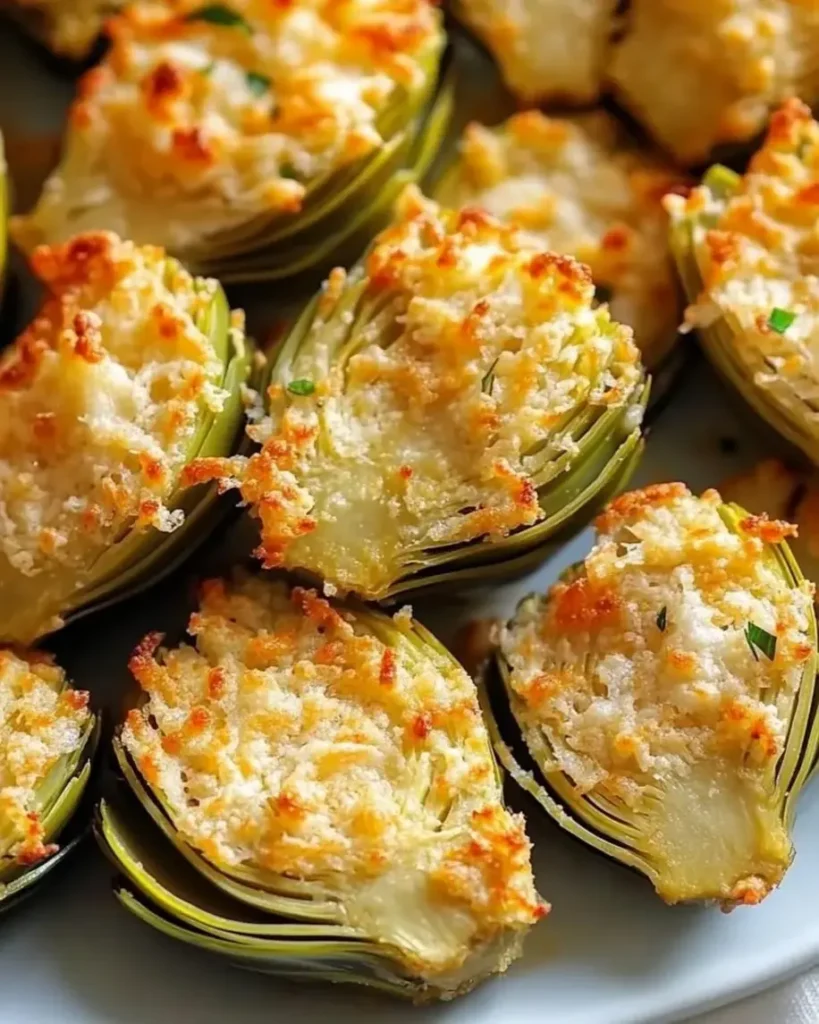
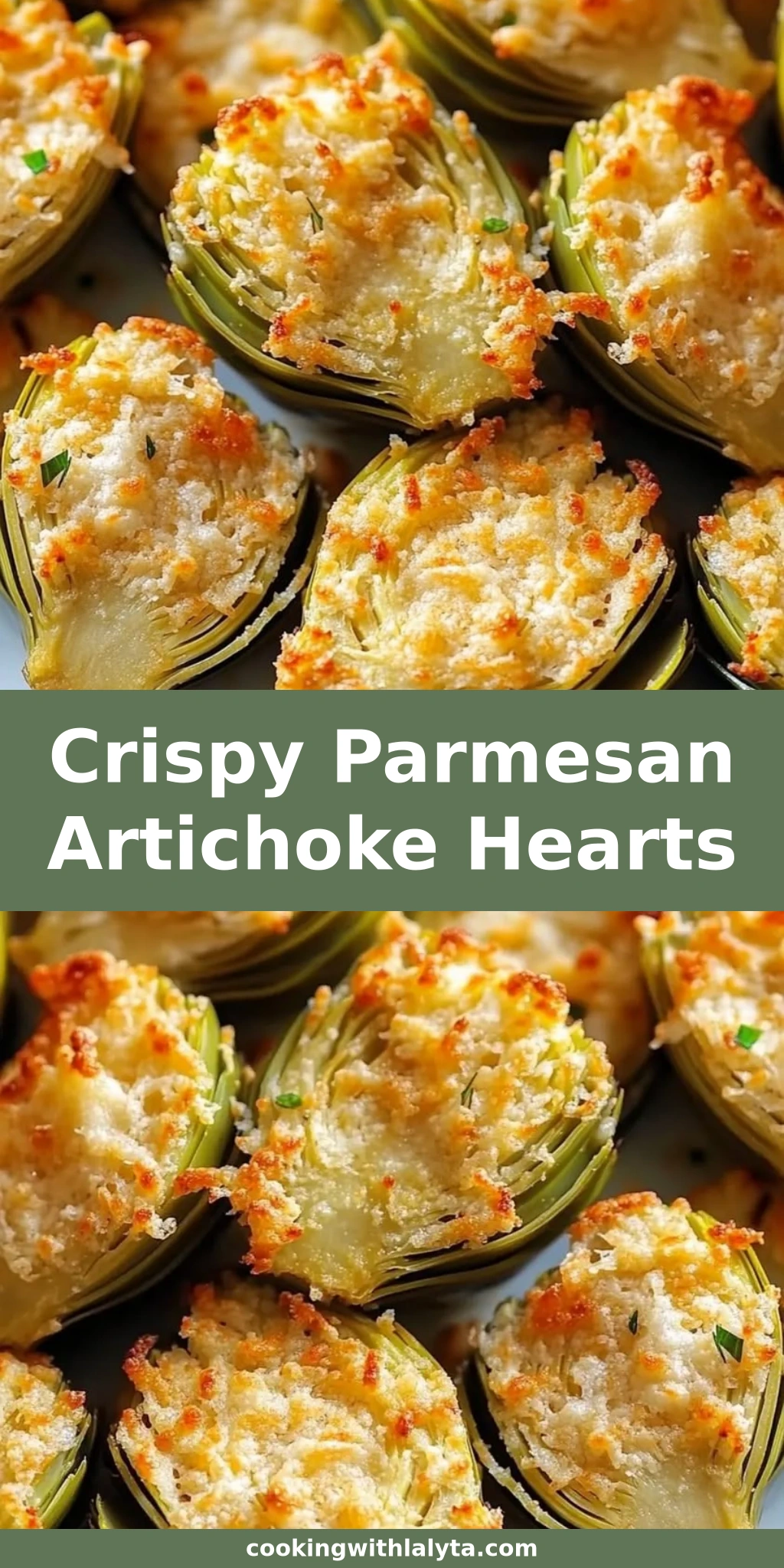
Imagine biting through a shatteringly crisp shell that gives way to a tender, tangy artichoke heart. The panko–Parmesan coating is studded with garlic and onion powders, which bloom the moment they hit the hot oil, filling your kitchen with an irresistible savory aroma. Visually, these little golden nuggets are hard to beat: a deep amber crust flecked with green parsley and tiny browned cheese spots. They’re the kind of snack that stops conversation at a party—and they’re just as good straight from the pan as they are dunked into a lemony aioli or spicy marinara. This dish is proof that you can take humble canned artichokes and, with a few chef techniques, transform them into a showstopper that rivals anything from a restaurant.
I’ve tested countless artichoke heart recipes over the years, tweaking the breading ratio, frying temperature, and even the type of Parmesan, until I landed on this foolproof formula. The two non-negotiables are freshly grated Parmesan (pre-shredded simply won’t melt and adhere the same way) and an unwavering commitment to drying the artichokes until they feel almost leathery to the touch. Below, I’ll walk you through every step—with plenty of Lalybeth’s Pro Tips—so you can nail it on your very first try. If you’ve ever ended up with limp, greasy artichoke hearts, you’ll see exactly where things went wrong and how to fix them permanently.

Why This Crispy Parmesan Artichoke Hearts Recipe Is the Best
The Flavor Secret. My time in Paris taught me that Parmesan is not just a cheese—it’s a seasoning. Here, it’s double-dutied: half is finely grated so it melts into the crust, creating an umami-rich shell, while the natural granular texture adds little crunch pockets. I also borrow from my Moroccan roots by building a warm, aromatic backbone with garlic and onion powders. They might seem ordinary, but when toasted in hot oil, they release a fragrance that elevates every bite. This is not a bland breadcrumb coating; it’s a deeply savory, cheese-forward shell that hugs the artichoke beautifully.
Perfected Texture. The pursuit of true crispiness is where my culinary training really shines. The combination of flour (to dry-adhere), egg (to bind), and a panko-Parmesan mix (for structure) creates a multi-layered crust. I insist on panko over regular breadcrumbs because of its larger, flakier shape, which traps air and fries up audibly crunchy. And the fry temperature? 350°F exactly—hot enough to seal the crust instantly so the artichoke steams inside rather than soaking up oil. I’ll show you how to hold that temperature even on a basic home stove.
Foolproof & Fast. Even if you’ve never fried anything before, this recipe has your back. The steps are broken down with visual cues and timing, so you’ll know exactly when to flip and when to drain. It’s also incredibly quick: 15 minutes of prep and about 10 minutes of cooking. That means you can pull off a restaurant-quality appetizer on a weeknight or whip up a large batch for game day without breaking a sweat. And because we use canned artichoke hearts—readily available in any U.S. supermarket—you skip the hassle of trimming fresh globe artichokes, making this truly accessible.
Crispy Parmesan Artichoke Hearts Ingredients
When I’m planning to make these, I do a quick run to my neighborhood grocery store in NYC—canned artichoke hearts are a pantry staple I always keep on hand. Choose cans packed in water (not marinated), which give you a clean, neutral canvas. As for the Parmesan, please, if you take one thing from me, let it be this: buy a wedge of Parmigiano-Reggiano and grate it yourself. It melts a thousand times better than the powdered stuff, and the flavor is incomparable. The rest of the ingredients are simple back-of-the-pantry staples, which means this appetizer is always within reach.
Ingredients List
- 2 cans (14 oz each) artichoke hearts, drained and quartered
- 1/2 cup freshly grated Parmesan cheese
- 1/2 cup panko breadcrumbs
- 1 teaspoon garlic powder
- 1/2 teaspoon onion powder
- 1/2 teaspoon salt
- 1/4 teaspoon black pepper
- 2 large eggs, beaten
- 1/2 cup all-purpose flour
- Vegetable or canola oil, for frying
- Fresh parsley, chopped, for garnish
Ingredient Spotlight
Artichoke Hearts. Canned artichoke hearts are the unsung heroes of quick appetizers. Look for whole hearts packed in water with no added spices. If you can find jarred artichoke hearts (often in the pickle aisle), they’re even firmer and yield an extra-crisp bite—just be sure to squeeze out any excess moisture. Avoid marinated hearts, as the oil and herbs will interfere with adhesion. If you’re feeling ambitious, you can use fresh baby artichokes, but you’ll need to trim and steam them first; canned or jarred are my go-to for speed and consistency.
Parmesan Cheese. Freshly grated is non-negotiable here. Pre-grated cheeses contain anti-caking agents that prevent them from melting smoothly, resulting in a dusty, gritty coating. I use a Microplane to grate a wedge of true Parmigiano-Reggiano—the salt crystals and nuttiness are essential. If you must substitute, Pecorino Romano works well and brings a sharper, sheep’s-milk tang, but it’s saltier, so reduce the added salt slightly.
Panko Breadcrumbs. These Japanese-style breadcrumbs are lighter, larger, and more porous than regular breadcrumbs. That airiness is what creates that unmistakable crunch. You’ll find them in the Asian or baking aisle. In a pinch, you could crush plain rice crackers or even cornflakes, but the texture won’t be quite as light. Do not use fine breadcrumbs; they’ll absorb more oil and turn dense.
Eggs. The beaten eggs act as the glue between the flour and the coating. Make sure they’re well beaten and at room temperature—cold eggs can cause the flour to clump. If you’re allergic to eggs, a mixture of 2 tablespoons of buttermilk with a teaspoon of cornstarch can work, but the crust will be slightly less golden.
Oil. Use a neutral oil with a high smoke point like vegetable, canola, or avocado oil. Peanut oil is also excellent. I avoid olive oil because its smoke point is too low for frying and it can impart a bitter taste. You need enough oil to come about 1 inch up the sides of the skillet; that depth ensures the artichoke hearts are partly submerged and cook evenly without needing to be flipped too often.
| Original Ingredient | Best Substitution | Flavor / Texture Impact |
|---|---|---|
| Canned artichoke hearts | Jarred artichoke hearts (packed in water) | Firmer texture, even crispier result; same mild flavor |
| Freshly grated Parmesan | Pecorino Romano (freshly grated) | Sharper, saltier; reduce added salt by ¼ tsp |
| Panko breadcrumbs | Crushed plain rice crackers | Slightly less airy but still very crunchy; gluten-free option |
| All-purpose flour | Gluten-free all-purpose flour blend | Works identically; crust remains crisp |
| Large eggs | Buttermilk + 1 tsp cornstarch (mixed) | Crust less golden; slight tang, still crispy |
How to Make Crispy Parmesan Artichoke Hearts — Step-by-Step
I promise, if you follow these steps exactly as I’ve laid them out, you’ll be rewarded with the crunchiest, most addictive artichoke bites you’ve ever tasted. Let’s get frying.
Step 1: Dry the Artichoke Hearts Thoroughly
Drain the canned artichoke hearts, then cut each one in half lengthwise (or quarter if they’re very large). Spread them on a clean kitchen towel or several layers of paper towels. Gently press down to absorb as much water as possible—you might even see the artichokes release a little liquid. Let them sit for 5 minutes, then pat again. They should feel dry and almost tacky to the touch. This step is crucial; any residual moisture will create steam during frying, causing the coating to blow off and making your crispy artichoke hearts soggy.
💡 Lalybeth’s Pro Tip: If you have time, after patting dry, let the artichoke hearts sit uncovered in the refrigerator for 20–30 minutes. The circulating air will pull out even more moisture, giving you an ultra-crisp finish. I learned this trick from a chef friend who swears by it for any breaded vegetable.
Step 2: Mix the Cheesy Parmesan Panko Coating
In a shallow bowl, combine the freshly grated Parmesan, panko breadcrumbs, garlic powder, onion powder, salt, and pepper. Use your fingers or a fork to blend everything evenly. The mixture should smell incredibly savory. Taste a tiny pinch; it should be well seasoned but not overwhelmingly salty, as the Parmesan carries salt too. If you’re using Pecorino, taste before adding extra salt.
⚠️ Common Mistake to Avoid: Using pre-shredded Parmesan. The anti-caking agents in the bag stop the cheese from melting into the crust. You’ll end up with dry, powdery patches instead of a cohesive, golden shell. Always grate your own.
Step 3: Prepare Your Dredging Station
Set up three shallow bowls in a row: one with the all-purpose flour, one with the beaten eggs, and one with the Parmesan-panko mix. Having them in order—flour, egg, coating—makes the process fast and clean. Line a baking sheet with parchment paper to hold the breaded artichokes before frying.
💡 Lalybeth’s Pro Tip: Use your “dry hand” for the flour and coating steps, and your “wet hand” for the egg. This prevents your fingers from turning into sticky, clumpy mitts. It’s a classic restaurant technique that keeps your breading bowls clean.
Step 4: Coat Each Artichoke Heart with the Three-Step Breading
Working one piece at a time, dredge a dried artichoke heart in the flour, shaking off any excess—a light, even dusting is all you need. Next, dip it into the beaten egg, letting any excess drip back into the bowl. Finally, place it into the Parmesan-panko mixture and press firmly on all sides so the coating adheres and forms a thick, even layer. Set the breaded artichoke on the prepared baking sheet. Repeat until all pieces are coated.
⚠️ Common Mistake to Avoid: Not pressing the coating firmly enough. If you just roll the artichoke around, the panko will fall off as soon as it hits the oil. Use a good amount of pressure—think “pack it on.” The crust should look slightly rough and craggy, which creates more surface area for crunch.
Step 5: Heat the Oil to the Perfect Temperature
Pour enough vegetable or canola oil into a large, heavy-bottomed skillet to reach about 1 inch up the sides. Clip a deep-fry or candy thermometer to the side of the pan, making sure the tip is submerged but not touching the bottom. Heat the oil over medium heat until it registers exactly 350°F. If you don’t have a thermometer, drop a small piece of breading into the oil; it should sizzle vigorously and turn golden in about 30 seconds. Adjust the heat as needed to maintain 350°F throughout frying—this temperature is the sweet spot that instantly sets the crust without burning the Parmesan.
💡 Lalybeth’s Pro Tip: I always heat the oil slowly and test with a tiny breadcrumb. Overheated oil will scorch the cheese before the artichoke heats through, while oil that’s too cool will soak into the coating, making it greasy. Patience here is key.
Step 6: Fry in Batches Until Golden and Crispy
Carefully place a few breaded artichoke hearts into the hot oil, making sure not to overcrowd the pan—overcrowding drops the oil temperature dramatically and leads to uneven cooking. Fry in small batches for 2 to 3 minutes per side, until the coating is deep golden and the cheese is visibly melty and crisp at the edges. Use a slotted spoon or spider to flip each piece gently. When ready, transfer them to a plate lined with paper towels to drain.
⚠️ Common Mistake to Avoid: Crowding the skillet. If you add too many artichokes at once, the oil temperature plummets. The coating will absorb oil and become limp. Give each piece enough room to swim freely, and let the oil return to 350°F between batches.
Step 7: Drain and Garnish
As soon as the artichoke hearts come out of the oil, hit them with a tiny pinch of flaky sea salt—it’ll stick to the hot crust and enhance every flavor. Transfer them to a serving platter and sprinkle generously with chopped fresh parsley. The parsley adds a pop of color and a fresh, herbaceous note that cuts through the richness. Serve immediately while they’re at peak crispiness.
💡 Lalybeth’s Pro Tip: Don’t cover fried foods with a lid or wrap them in foil to keep warm. The trapped steam will turn your crispy parmesan artichoke hearts soft. If you need to hold them for a few minutes, spread them out on a wire rack set over a baking sheet and keep them in a 200°F oven—air can circulate, preserving that crunch.
| Step | Action | Duration | Key Visual Cue |
|---|---|---|---|
| 1 | Dry artichokes | 5 min + resting | Artichokes feel dry, almost tacky |
| 2 | Mix coating | 1 min | Even, fragrant, no clumps |
| 3 | Set up dredging station | 2 min | Three bowls in order; baking sheet ready |
| 4 | Coat artichokes | 5–7 min | Thick, craggy coating pressed firmly |
| 5 | Heat oil to 350°F | 4–5 min | Breadcrumb sizzles vigorously |
| 6 | Fry in batches | 6–8 min total | Deep golden, cheese edges crispy |
| 7 | Drain & garnish | 1 min | Parsley scattered, immediate serving |
Serving & Presentation
Arranging these golden beauties on a platter takes me back to the vibrant dinner parties I used to host in my NYC apartment. I like to pile them high on a rustic wooden board, scatter bright green parsley and perhaps a few lemon wedges around, and let guests help themselves. For a more refined presentation, stack 3–4 artichoke hearts on small appetizer plates, drizzle with a contrasting sauce, and garnish with microgreens or a dusting of extra Parmesan. They’re finger food at its finest—crunchy, savory, and perfect for casual gatherings or elegant cocktail hours.
Because these parmesan artichoke hearts are quite rich, I love pairing them with something bright and acidic to balance the palate. In the summer, a simple arugula salad with lemon vinaigrette is my go-to; the peppery greens and tangy dressing cut through the fried coating beautifully. As for sauces, you can’t go wrong with a classic marinara for a touch of sweetness, or a garlicky lemon aioli that nods to my time in Provence. And if you’re feeling playful, a spicy sriracha mayo takes these into fusion territory—very NYC!
| Pairing Type | Suggestions | Why It Works |
|---|---|---|
| Side Dish | Arugula salad, roasted cherry tomatoes, sautéed spinach | Fresh, acidic, or earthy sides contrast the richness |
| Sauce / Dip | Marinara, lemon-garlic aioli, spicy sriracha mayo, ranch | Creamy, tangy, or spicy dips add moisture and contrast |
| Beverage | Crisp Sauvignon Blanc, dry rosé, sparkling water with lemon | Acidity and bubbles refresh the palate between bites |
| Garnish | Chopped parsley, lemon zest, red pepper flakes, extra Parmesan | Brightness and heat elevate the visual and flavor |
Make-Ahead, Storage & Reheating
Given how quickly these disappear in my kitchen, I often prep a double batch and stash half in the freezer for impromptu guests. The key to successful make-ahead crispy artichoke hearts is freezing them after breading but before frying. That way, when a craving strikes, you can go straight from freezer to hot oil and enjoy them almost instantly. For leftovers (a rare occurrence!), proper storage and a savvy reheat method are the difference between “still good” and “soggy disappointment.”
| Method | Container | Duration | Reheating Tip |
|---|---|---|---|
| Refrigerator | Airtight container lined with paper towels | Up to 3 days | Air fryer at 375°F for 3–4 minutes, or oven at 400°F for 5–7 minutes on a rack |
| Freezer | Freezer bag or airtight container, in a single layer | Up to 1 month | Fry directly from frozen (add 1–2 minutes per side); no need to thaw |
| Make-Ahead | Breaded on parchment-lined sheet, covered tightly | Up to 8 hours in fridge | Fry as usual; no need to adjust time |
If you do end up with already-fried leftovers, the air fryer is your best friend. It circulates hot air around each piece, reviving that crackling crust. I avoid the microwave at all costs—it steams the breading and turns everything soft. And here’s a little chef’s secret: after reheating, a quick sprinkle of fresh Parmesan and a hit of flaky salt can make day-old artichokes taste almost as good as fresh. Don’t skip that step!
Variations & Easy Swaps
One recipe, endless possibilities—just the way I like it. Over the years, I’ve spun these crispy parmesan artichoke hearts in several directions, depending on what’s in my pantry or who’s joining me at the table. Here are three of my favorite riffs, each tested and approved in my NYC kitchen.
| Variation | Key Change | Best For | Difficulty Impact |
|---|---|---|---|
| Italian Herb & Garlic Parmesan | Add 1 tsp dried Italian seasoning + ½ tsp garlic powder to coating | Dinner parties, antipasto platters | No change—just mix into coating |
| Gluten-Free Extra-Crispy | Use GF flour blend, GF panko (or crushed rice crackers) | Gluten-intolerant guests, everyday crunchy cravings | No extra effort—direct swap |
| Spicy Sriracha-Lime | Toss fried artichokes in 2 tbsp sriracha + 1 tbsp melted butter + lime zest | Game day, adventurous palates | Adds a tossing step, still easy |
Italian Herb & Garlic Parmesan Artichoke Hearts
This version channels my love for rustic Italian cooking. Stir a teaspoon of dried Italian seasoning (or a mix of dried oregano, basil, and thyme) and an extra half-teaspoon of garlic powder directly into the panko-Parmesan mix. The herbs toast as they fry, releasing an aroma that instantly transports me to a sunny terrace in Tuscany. Serve these with a chunky marinara sauce and a shower of fresh basil. They’re a natural fit for an antipasto platter alongside cured meats and olives.
Gluten-Free Extra-Crispy Artichoke Hearts
When my gluten-sensitive friends come over, I don’t want them to miss out on the crunch. Swapping in a 1:1 gluten-free all-purpose flour blend works flawlessly for the dredging step. For the coating, I either use store-bought gluten-free panko or crush plain rice crackers into coarse crumbs—they mimic the airy texture beautifully. The taste is virtually identical, and the crispiness holds up just as well. No one will ever guess these are gluten-free. If you’re also avoiding dairy, skip the Parmesan and use nutritional yeast mixed with a pinch of salt for a cheesy, vegan-friendly alternative.
Spicy Sriracha-Lime Artichoke Hearts
Inspired by the bold flavors I encounter at NYC fusion spots, this variation takes the fried artichokes in a totally different direction. After frying and draining, I toss them in a bowl with a mixture of sriracha, melted butter, and freshly grated lime zest. The heat from the sriracha, the richness of the butter, and the zingy lime create a sticky, spicy glaze that clings to the crispy crust. Garnish with sesame seeds and sliced scallions for a stunning appetizer that’s equal parts spicy, tangy, and crunchy. Pair with a cold beer or a lime-spiked seltzer.
How do you keep crispy parmesan artichoke hearts from getting soggy?
The number one rule is to remove as much moisture as possible from the artichoke hearts before breading. Pat them thoroughly with paper towels and let them air-dry for a few minutes. Frying at the correct oil temperature (350°F) is equally important—too cool and the coating will absorb oil, becoming greasy and limp. After frying, always drain on paper towels or a wire rack, and never cover them with a lid or foil. If you need to hold them, keep them in a low oven (200°F) on a wire rack so air circulates. That’s the secret to keeping that ultra-crispy shell intact.
Can I use canned artichoke hearts instead of frozen for this recipe?
Absolutely—in fact, canned artichoke hearts are my go-to for this recipe. They’re already cooked and tender, requiring only thorough draining and drying. Frozen artichoke hearts, once thawed, release a lot of water, which can sabotage the breading. If you do use frozen, thaw them completely, press out every drop of liquid, and pat them until they’re bone-dry. Canned or jarred artichokes packed in water (not oil or marinade) are the easiest and most reliable choice, yielding a consistently crisp, creamy-centered result.
What is the best way to reheat crispy parmesan artichoke hearts so they stay crunchy?
An air fryer is hands-down the best method. Preheat it to 375°F, arrange the artichokes in a single layer, and reheat for 3–4 minutes. The circulating air revives the crunch beautifully. If you don’t have an air fryer, use a conventional oven: place them on a wire rack set over a baking sheet and bake at 400°F for 5–7 minutes. Avoid the microwave, which steams the coating and turns it soft. For frozen unbreaded or breaded artichokes, fry them directly from frozen—no need to thaw—and add an extra minute or two per side.
What dipping sauce goes well with crispy parmesan artichoke hearts?
My favorite is a simple lemon-garlic aioli—just mix mayonnaise, minced garlic, lemon juice, and a pinch of salt. It’s bright, creamy, and cuts through the richness of the fried Parmesan crust. Marinara sauce (warm or room temperature) offers a classic, slightly sweet counterpoint. For a spicy kick, sriracha mayo or a chipotle ranch are fantastic. Even a squeeze of fresh lemon and a sprinkle of flaky salt can be enough to elevate these bites. Choose based on your crowd—I always set out a few options so guests can mix and match.
Can I bake these artichoke hearts instead of frying them?
Yes, though the texture will be lighter and slightly less crunchy than fried. To bake, preheat your oven to 425°F and place the breaded artichoke hearts on a parchment-lined baking sheet. Spray both sides generously with cooking spray (this helps browning). Bake for 12–15 minutes, flipping halfway through, until golden brown. You won’t get quite the same deep-fried crunch, but they’ll still be deliciously cheesy and crisp around the edges. For an air-fryer version, cook at 380°F for 8–10 minutes, shaking the basket once. Both methods are a great lighter alternative.
What’s the difference between canned and jarred artichoke hearts?
Canned artichoke hearts are softer and often more tender-cooked, while jarred versions (usually found near the olives/pickles) tend to be firmer with a slightly tangier, fresher taste because they’re preserved in a vinegar or brine solution. For this recipe, I prefer jarred when I want extra firmness that holds up well to breading and frying. Just be sure to rinse jarred artichokes well under cold water to remove any vinegary taste, then pat them completely dry. Both work—choose based on the texture you prefer, but avoid marinated hearts packed in oil.
Are artichoke hearts healthy?
Artichoke hearts themselves are packed with fiber, antioxidants, and vitamins like C and K. However, in this recipe they’re fried and coated with breadcrumbs and cheese, so it’s more of an indulgence than a health food. To lighten things up, you can try the baked or air-fried method mentioned earlier, or simply enjoy a moderate portion alongside a big fresh salad. The artichokes still provide good nutrition, but the crispy coating adds calories and fat. As with all things, balance is key—these make a wonderful treat.
Can I make these ahead of time for a party?
Yes—the best make-ahead strategy is to bread the artichoke hearts up to 8 hours in advance, arrange them on a parchment-lined sheet, cover tightly with plastic wrap, and refrigerate. When your guests arrive, simply fry them fresh. This way, you get that just-fried crunch without any last-minute assembly. If you want to fry them ahead, you can hold them in a 200°F oven on a wire rack for up to 30 minutes, but they’re truly best served immediately. For longer term, freeze the breaded artichokes and fry straight from the freezer.
How do I prevent the coating from falling off during frying?
Three things: dry the artichokes, press the coating firmly, and don’t overcrowd the pan. Wet artichokes create steam that blows off the crust. After coating, give each piece a gentle squeeze to make sure the panko mixture really sticks. When frying, maintain the oil at 350°F and fry in small batches so the temperature doesn’t drop. Also, resist the urge to flip too often—one gentle turn at the 2-minute mark is usually enough. These steps ensure every artichoke heart stays fully coated and crisp.
What can I use instead of Parmesan cheese?
Pecorino Romano is the closest substitute—it’s a hard, sheep’s milk cheese with a similar texture and melting ability, though it’s saltier and sharper. Grana Padano is milder and works well. For a dairy-free version, you can blend 1/4 cup of nutritional yeast with 1/4 cup of fine almond flour and a pinch of salt; it won’t melt quite the same but adds a cheesy, nutty flavor. Avoid pre-shredded blends or soft cheeses, as they won’t adhere or crisp up properly. Freshly grate whatever you use for best results.
Share Your Version!
I can’t wait to see how your crispy parmesan artichoke hearts turn out. Did you stick with the classic lemony aioli, or did you discover a killer new dipping sauce? Perhaps you added an extra pinch of smoked paprika or a North African twist like a dusting of cumin—I love seeing your creative spins. Cooking is always a conversation, and I learn so much from this community.
If you make this recipe, please leave a star rating and a comment below—it means the world and helps other home cooks find it. Snap a photo and share it on Instagram or Pinterest, and be sure to tag me @cookingwithlalyta so I can cheer you on and repost your masterpiece. I’m especially curious: what’s your secret to the crunchiest crust? Drop your tip in the comments!
From my NYC kitchen to yours — I hope this recipe brings as much warmth to your table as it does to mine. — Lalybeth 🧡
Love This Recipe? Save It to Pinterest!
If you enjoyed this Crispy Parmesan Artichoke Hearts recipe, don’t let it get lost in your browser tabs! 😄 Pin it now so you can find it again anytime — and explore hundreds more tried-and-tested recipes waiting for you on my Pinterest boards.
👉 Follow Lalybeth on Pinterest @cookingwithlalyta
📌 Pin this recipe · 🔁 Re-pin your favorites · 💬 Tag me when you make it — I love seeing your creations!
Did you try this recipe? Let me know!
Leave a comment below, rate it ⭐⭐⭐⭐⭐, and share your twist. I read every single one. 😊

Crispy Parmesan Artichoke Hearts
- Total Time: 25 minutes
- Yield: 6 1x
Description
These crispy Parmesan artichoke hearts are golden, crunchy, and cheesy—a perfect appetizer or side dish for any gathering.
Ingredients
- 2 cans (14 oz each) artichoke hearts, drained and quartered
- 1/2 cup freshly grated Parmesan cheese
- 1/2 cup panko breadcrumbs
- 1 teaspoon garlic powder
- 1/2 teaspoon onion powder
- 1/2 teaspoon salt
- 1/4 teaspoon black pepper
- 2 large eggs, beaten
- 1/2 cup all-purpose flour
- Vegetable or canola oil, for frying
- Fresh parsley, chopped, for garnish
Instructions
- Drain artichoke hearts and pat very dry with paper towels.
- In a shallow bowl, mix Parmesan cheese, panko breadcrumbs, garlic powder, onion powder, salt, and pepper.
- Place flour in a separate shallow bowl and beaten eggs in another.
- Dredge each artichoke heart in flour, dip in egg, then coat in the Parmesan mixture, pressing firmly to adhere.
- Heat about 1 inch of oil in a large skillet over medium heat to 350°F.
- Fry artichoke hearts in batches for 2–3 minutes per side, until golden and crispy.
- Drain on paper towels. Garnish with chopped parsley and serve warm.
Notes
For extra crispiness, use jarred artichoke hearts and squeeze out excess moisture. These are best served fresh, but leftovers can be reheated in an air fryer at 375°F for 3–4 minutes.
- Prep Time: 15 minutes
- Cook Time: 10 minutes
- Method: Appetizer
- Cuisine: American
Nutrition
- Calories: 220 kcal
- Sugar: 2 g
- Fat: 12 g
- Carbohydrates: 18 g
- Protein: 9 g
Tried This Recipe? Leave a Comment!
Did you make this recipe? I’d love to hear how it turned out! Please leave a comment and a rating below. Your feedback helps other home cooks and supports cookingwithlalyta.com!
For more delicious inspiration, follow me on Pinterest!