Table of Contents
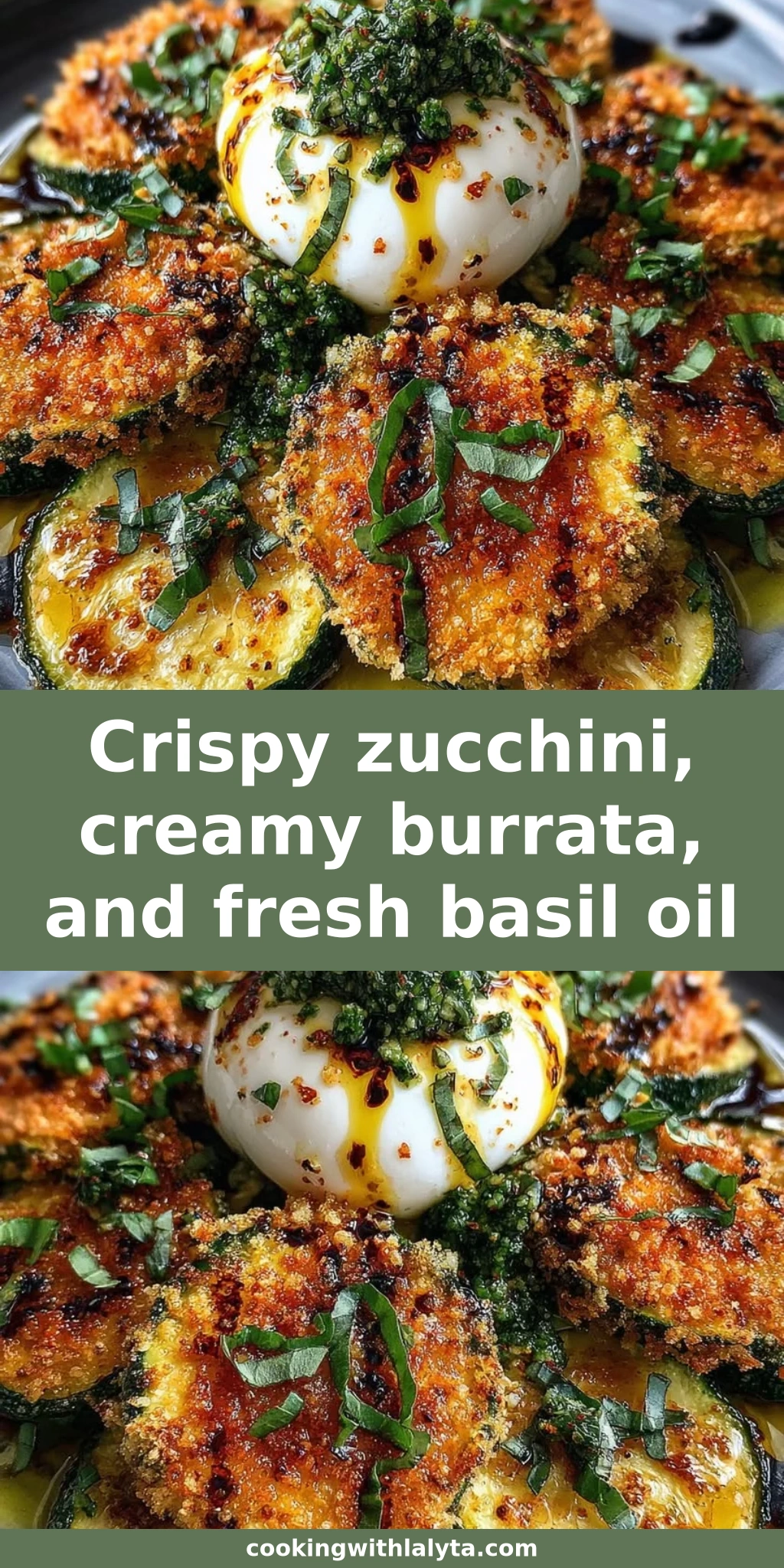
Crispy Zucchini, Creamy Burrata, and Fresh Basil Oil – The Ultimate Summer Appetizer with a Chef’s Secret for Maximum Crunch
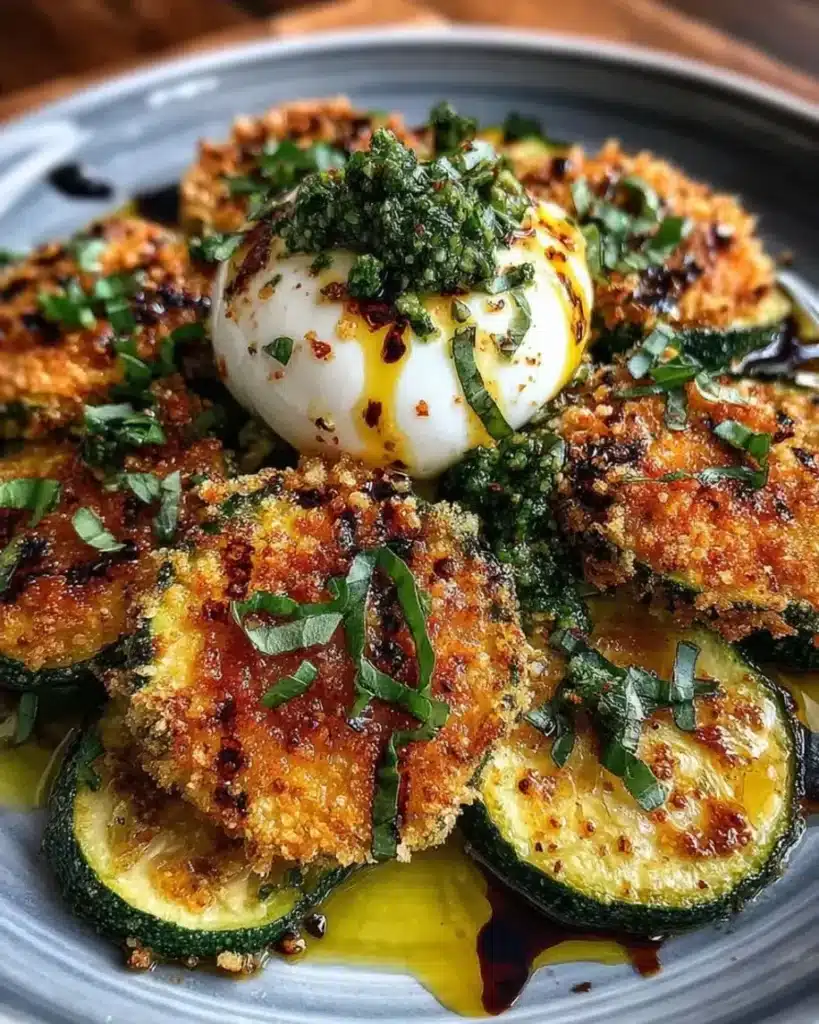
I still remember the first time I tasted truly crispy zucchini. It wasn’t in a restaurant kitchen in Paris, though I spent years there learning the art of French cooking. It was in my mother’s tiny kitchen in Casablanca, where she’d slice summer zucchini paper-thin, dust them with just a whisper of flour, and fry them in olive oil until they shatter-crisped at the edges. That memory came rushing back last summer when I stood at the Union Square Greenmarket here in NYC, staring at a mountain of glossy, firm zucchini and a basket of burrata so fresh it was still warm. I knew right then I had to create a dish that married my Moroccan roots, my French training, and the bold, effortless elegance of New York summer dining. The result is this crispy zucchini burrata recipe — an easy summer appetizer that delivers golden, crunchy zucchini rounds nestled against pillowy, creamy burrata, all drizzled with a vibrant fresh basil oil that tastes like sunshine in liquid form. The secret? A cornstarch dredge, not flour — it’s the technique I learned in a tiny Paris bistro that guarantees maximum crispiness without any heaviness.
Imagine this: you pierce a golden zucchini round with your fork and hear that quiet, satisfying crackle. Then you drag it through the cool, stracciatella-filled center of the burrata, catching ribbons of creamy cheese, and finally swipe it through a pool of emerald basil oil that releases the aroma of just-crushed basil, a hint of garlic, and a bright pop of lemon. Every bite is a study in contrasts — hot against cool, crisp against creamy, earthy against bright. The basil oil, blitzed from raw basil leaves, extra-virgin olive oil, garlic, and lemon juice, stays brilliantly green because of a little trick I picked up during my Paris training: a quick blanch of the basil before blending, which locks in the chlorophyll and prevents that sad brown oxidation. This dish isn’t just food; it’s a moment. It’s the kind of plate that stops conversation when you set it down on the table, and it’s deceptively simple — the mark of a truly great recipe.
So, what makes my version of burrata with crispy zucchini different from the dozens you might scroll past? It comes down to three things: the cornstarch dredge (no flour, no breadcrumbs — just pure, shattering crispness), the basil oil that actually stays green for hours, and my insistence on room-temperature burrata, which spreads like a dream. I’m going to walk you through every single detail, including the one mistake I see even experienced home cooks make when frying zucchini — overcrowding the pan, which steams the slices instead of crisping them. Stick with me, and in under 30 minutes, you’ll have an easy summer appetizer that looks and tastes like it came from a restaurant kitchen. And yes, I’ll share my pro tip for making the basil oil a day ahead so you can throw this together in 10 minutes flat when guests arrive.
Why This Crispy Zucchini Burrata Recipe Is the Best
The Flavor Secret: What sets this zucchini burrata recipe apart is the way the basil oil is built. I don’t just blend basil and oil — I start with a tiny garlic clove (too much overwhelms the basil’s delicate perfume), add a squeeze of lemon juice for brightness that cuts through the richness of the burrata, and use a light hand with the salt so the natural sweetness of the zucchini shines. This layering of flavors is something I learned at Le Cordon Bleu in Paris: every component should taste complete on its own, so when they come together, the whole is greater than the sum of its parts. The basil oil here isn’t just a garnish — it’s a sauce, a dressing, and an aromatic all in one. And because I use a high-speed blender rather than a food processor, the basil breaks down into microscopic particles that stay suspended in the oil, giving you an intensely green, velvety drizzle rather than a chunky pesto-like texture.
Perfected Texture: The crispiness of the zucchini is non-negotiable. After testing flour, panko, and even almond flour, I landed on cornstarch as the champion. Why? Cornstarch contains no gluten, which means it doesn’t become chewy when fried — it forms a delicate, glass-like crust that shatters on impact. The key is patting the zucchini slices completely dry before dredging, shaking off every bit of excess cornstarch, and cooking them in a single, uncrowded layer in hot olive oil. I specify medium-high heat because you need the oil hot enough to sear the cornstarch instantly, creating that golden shell before the zucchini has a chance to release its moisture and steam. This is a chef’s technique, but I promise it’s foolproof — even if you’ve never fried anything before, you’ll get perfect results.
Foolproof & Fast: This isn’t one of those recipes that looks beautiful on Pinterest but takes two hours and every pan in your kitchen. From start to finish, you’re looking at 25 minutes — 15 of which are active. The basil oil can be made up to two days in advance (stored in an airtight container in the fridge, pressed with plastic wrap directly on the surface to prevent browning). The zucchini fries up in two quick batches, and the assembly is literally: spread, arrange, drizzle, garnish. I’ve designed this recipe so you can make it after a long workday, or double it effortlessly for a dinner party. It’s forgiving, adaptable, and endlessly impressive. If you’re searching for an easy summer appetizer that does double duty as a light lunch or a stunning side dish, you’ve found it.
Crispy Zucchini Burrata Ingredients
Every summer, I make a beeline for the zucchini stand at the Union Square Greenmarket — the same stand where I once spotted a famous chef I’d staged for in Paris, quietly selecting heirloom tomatoes. There’s something magical about buying produce from the people who grew it, and for this recipe, that connection matters. Zucchini should be firm, glossy, and no thicker than a quarter, or they become watery and seedy. The burrata I pick up from a tiny Italian cheese shop in the West Village — ask for burrata packed in water, not vacuum-sealed, for the creamiest center. The basil? I grow it on my fire escape in a terracotta pot, just like my mother did in Casablanca. Here’s everything you need:
Ingredients List
- 2 medium zucchinis, sliced into 1/4-inch rounds
- 1/4 cup cornstarch
- 1/2 teaspoon salt
- 1/4 teaspoon black pepper
- 3 tablespoons olive oil, divided
- 8 ounces burrata cheese, at room temperature
- For the basil oil:
- 1 cup fresh basil leaves, packed
- 1/4 cup extra-virgin olive oil
- 1 small garlic clove, minced
- 1 tablespoon lemon juice
- 1/4 teaspoon salt
- Flaky sea salt, for garnish
- Fresh basil leaves, for garnish
Ingredient Spotlight
Zucchini: The backbone of this crispy zucchini burrata recipe. Look for small to medium zucchini — about 6 to 8 inches long and no more than 1.5 inches in diameter. Larger zucchini have more water and larger seeds, which can make them soggy when fried. If you can only find larger ones, simply cut them in half lengthwise, scoop out the seedy core, and slice into half-moons instead of rounds. Yellow summer squash works beautifully here too, with a slightly sweeter flavor and equally crisp texture. Don’t use eggplant as a substitute — it absorbs oil differently and won’t achieve the same shattering exterior.
Cornstarch: This is my secret weapon for crispy zucchini. Unlike all-purpose flour, which contains gluten and can turn gummy when fried, cornstarch creates a thin, crackly crust that stays crisp even as it sits. It’s also naturally gluten-free, which is a bonus if you’re cooking for guests with dietary restrictions. If you don’t have cornstarch, potato starch works identically. Tapioca starch is a close second but yields a slightly chewier texture. Do not use almond flour or coconut flour — they burn at high heat and won’t give you that golden, glass-like crunch. In a pinch, all-purpose flour will work, but you’ll lose some of that ethereal crispness.
Burrata: Oh, burrata — the crown jewel of this dish. It’s a fresh Italian cheese made from mozzarella and cream, with a solid outer shell that gives way to a luscious, stracciatella-filled center. For this recipe, buy burrata packed in water (usually sold in small tubs at specialty grocery stores or cheese shops), not the vacuum-sealed kind, which tends to be drier and less creamy. Let it sit at room temperature for at least 30 minutes before serving — cold burrata is stiff and won’t spread into those dreamy, creamy swirls. Can you substitute fresh mozzarella? Yes, but you’ll miss the dramatic, oozy center. Ricotta is a completely different texture — it will work as a base but won’t deliver the same richness. In a real pinch, a high-quality, full-fat fresh mozzarella torn into pieces is your best bet.
Fresh Basil: The star of the basil oil. You need a full packed cup of leaves — don’t be shy. Genovese basil is the classic choice, with large, tender leaves and that unmistakable sweet, peppery aroma. Thai basil will give you a more anise-forward oil, which is delicious but a different dish entirely. When buying basil, look for perky, bright green leaves with no black spots or wilting. Store it like a bouquet of flowers — stems in a glass of water, loosely covered with a plastic bag — and it’ll stay fresh for days. If your basil is looking a bit tired, you can revive it by plunging the leaves into ice water for 10 minutes; they’ll crisp right up.
| Original Ingredient | Best Substitution | Flavor / Texture Impact |
|---|---|---|
| Cornstarch | Potato starch or tapioca starch | Nearly identical crispness; tapioca slightly chewier |
| Burrata | Fresh mozzarella (full-fat, water-packed) | Less creamy center; still delicious, milder flavor |
| Zucchini | Yellow summer squash | Slightly sweeter; identical texture when fried |
| Fresh basil | Arugula or spinach + mint blend | Peppery or cooler flavor; different but tasty oil |
| Extra-virgin olive oil | Avocado oil (neutral) or grapeseed oil | Cleaner taste; less grassy/fruity notes in basil oil |
How to Make Crispy Zucchini, Creamy Burrata, and Fresh Basil Oil — Step-by-Step
Alright, let’s get into the kitchen. I promise this comes together quickly — the key is having everything prepped before you start frying, because once those zucchini rounds hit the hot oil, things move fast. Set out your serving plate, have your paper towel-lined plate ready for draining, and let your burrata sit on the counter so it’s beautifully spreadable when you’re ready to assemble.
Step 1: Prepare the Fresh Basil Oil
In a blender or small food processor, combine the packed basil leaves, 1/4 cup extra-virgin olive oil, the minced garlic clove, 1 tablespoon lemon juice, and 1/4 teaspoon salt. Blend on high speed for about 30 to 45 seconds, until the mixture is completely smooth and vibrant green — you shouldn’t see any visible flecks of basil leaf. Scrape down the sides once if needed. Pour the basil oil into a small bowl or squeeze bottle and set it aside at room temperature. It will stay beautifully green for hours thanks to the lemon juice, which helps prevent oxidation.
💡 Lalybeth’s Pro Tip: For the most intensely green basil oil that stays vibrant for days, blanch the basil leaves in boiling water for exactly 10 seconds, then shock them in an ice bath before blending. This deactivates the enzyme that causes browning without cooking the basil. I learned this during my Paris training, where we used it to keep herb oils brilliantly colored for plated dishes. If you’re making the oil more than 2 hours ahead, store it in an airtight container with a piece of plastic wrap pressed directly onto the surface to block oxygen — it’ll stay emerald green for up to 3 days in the fridge.
Step 2: Slice and Coat the Zucchini
Slice your zucchini into rounds that are exactly 1/4-inch thick — this is the sweet spot for achieving a crispy exterior while keeping a tender, not-raw interior. If you have a mandoline, now’s the time to use it for perfectly uniform slices. In a shallow bowl or pie plate, whisk together the cornstarch, 1/2 teaspoon salt, and 1/4 teaspoon black pepper. One at a time, press each zucchini round into the cornstarch mixture, coating both sides evenly, then gently shake off any excess. You want a light, even dusting — not a thick coat. Lay the dredged slices on a clean plate or cutting board in a single layer.
⚠️ Common Mistake to Avoid: Do not salt the zucchini slices before dredging. Unlike eggplant, which benefits from salting to draw out bitterness and moisture, zucchini releases water when salted in advance, which will make the cornstarch clump up and turn gummy. Always salt the cornstarch mixture instead, and only slice the zucchini right before you’re ready to cook. If you’ve washed your zucchini, pat them completely dry — any surface moisture is the enemy of crispness.
Step 3: Pan-Fry the Zucchini Until Golden and Crispy
Heat 2 tablespoons of olive oil in a large non-stick skillet over medium-high heat. You’ll know the oil is ready when it shimmers and a tiny pinch of cornstarch sizzles immediately on contact. Carefully place the zucchini rounds in the skillet in a single, uncrowded layer — if they’re touching or overlapping, they’ll steam instead of fry, and you’ll lose that precious crunch. Cook for 2 to 3 minutes on the first side, until the edges are deeply golden and the surface looks blistered and crispy. Flip each round with tongs and cook for another 2 minutes on the second side. Transfer the fried zucchini to a paper towel-lined plate to drain. Repeat with the remaining slices, adding the remaining 1 tablespoon of olive oil (or more if needed) between batches.
💡 Lalybeth’s Pro Tip: Listen to the pan — the sound of frying should be a steady, happy sizzle, not a violent splatter or a sad silence. If the oil isn’t hot enough, the zucchini will absorb it and turn greasy. If it’s too hot, the cornstarch will burn before the zucchini cooks through. Medium-high heat on most stovetops is the sweet spot, but every stove is different. I test one sacrificial slice first — if it turns golden in about 2 minutes, the temperature is perfect. Also, resist the urge to move the zucchini around once they’re in the pan. Let them sit undisturbed so that golden crust can form.
Step 4: Assemble the Plate
Spread the room-temperature burrata on a serving plate or shallow bowl. Use the back of a spoon to gently press and swirl it outward, creating a creamy bed for the zucchini. There’s no need to be precious here — rustic swirls are part of the charm. Arrange the crispy zucchini rounds around and on top of the burrata, overlapping some for height and visual appeal. Drizzle the fresh basil oil generously over everything — don’t be shy, those golden coins deserve to be drenched in green. Finish with a sprinkle of flaky sea salt (Maldon is my go-to — those crunchy pyramid-shaped crystals add the perfect pop of salinity) and a scattering of fresh basil leaves for garnish. Serve immediately, while the zucchini is still warm and crisp.
⚠️ Common Mistake to Avoid: Don’t assemble this dish too far in advance. The warmth of the zucchini will gently soften the burrata, which is lovely, but if it sits for more than 10 minutes, the zucchini will start to lose its crispness as it absorbs moisture from the cheese and basil oil. For the best experience, have everyone seated at the table, then do the final assembly — it takes literally 60 seconds to spread, arrange, drizzle, and garnish. If you’re serving this at a party, you can fry the zucchini up to 30 minutes ahead and keep it warm in a 200°F oven on a wire rack (not paper towels, which will trap steam).
| Step | Action | Duration | Key Visual Cue |
|---|---|---|---|
| 1 | Blend basil oil | 2 mins | Smooth, vibrant emerald green liquid |
| 2 | Slice & dredge zucchini | 5 mins | Even, light white dusting on all rounds |
| 3 | Pan-fry zucchini | 8-10 mins | Deep golden edges, blistered surface |
| 4 | Assemble & garnish | 2 mins | Creamy swirls of burrata, golden zucchini, green drizzle |
Serving & Presentation
This is one of those dishes that demands a beautiful platter — I use a wide, shallow ceramic plate in a soft cream or terracotta tone that makes the green basil oil and white burrata pop. In my NYC kitchen, I lean toward rustic elegance: no perfectly placed tweezered herbs here, just generous, artful swoops and a joyful scatter of zucchini. To plate, start by spreading the burrata in a rough oval shape, leaving some edges of the plate visible. Then, fan the crispy zucchini rounds in overlapping concentric circles, some resting on the burrata and some around it. Drizzle the basil oil in a zigzag pattern across the whole plate — don’t just pool it in one spot, you want every bite to catch some of that herbal brightness. Finish with a pinch of flaky sea salt from about 8 inches above the plate so it disperses evenly, and tuck a few whole basil leaves into the crevices. Serve immediately with a small fork and spoon for scooping up that glorious, creamy, crispy combination.
In the summer, I love serving this as a light lunch with nothing more than a glass of chilled rosé and some crusty bread to mop up every last bit of burrata and basil oil. When I’m hosting friends, it’s my go-to starter before a simple pasta or grilled fish — it feels indulgent but leaves everyone with plenty of room for the main course. My Parisian training taught me that the best dishes allow the ingredients to speak, and this one does exactly that. Don’t overcomplicate the pairings — let the zucchini, burrata, and basil oil be the stars.
| Pairing Type | Suggestions | Why It Works |
|---|---|---|
| Side Dish | Crusty sourdough, grilled ciabatta, or a simple arugula salad with lemon vinaigrette | Bread soaks up the burrata and basil oil; peppery arugula contrasts the creamy richness |
| Sauce / Dip | Extra basil oil on the side, a drizzle of aged balsamic, or a dollop of Calabrian chili paste | Balsamic adds sweet acidity; chili paste brings heat that cuts through the richness |
| Beverage | Dry rosé, Sauvignon Blanc, or a crisp Italian Pinot Grigio; for non-alcoholic, sparkling water with lemon | Light, zesty wines complement the basil and lemon without overwhelming the delicate burrata |
| Garnish | Flaky sea salt, lemon zest, toasted pine nuts, or a few edible flowers for color | Lemon zest echoes the basil oil; pine nuts add crunch without distracting from the zucchini’s crispiness |
Make-Ahead, Storage & Reheating
In my busy NYC life, I’m all about smart prep. The basil oil is your best make-ahead friend here — blend it up to 2 days in advance and stash it in the fridge. The zucchini, however, is best fried just before serving. That said, I’ve discovered a few workarounds for when you need to get ahead. For a dinner party, I’ll slice and dredge the zucchini an hour before guests arrive, leaving the rounds spread on a parchment-lined baking sheet in a single layer. Then, when everyone’s settled with drinks, I fire up the skillet and fry them in 8 minutes flat. The burrata can be taken out of the fridge an hour ahead — it needs that time to lose its chill and become spreadable. If you absolutely must fry the zucchini in advance, keep reading for my reheating trick.
| Method | Container | Duration | Reheating Tip |
|---|---|---|---|
| Refrigerator | Airtight container with paper towel lining | Up to 2 days (zucchini only) | Reheat in a 375°F oven on a wire rack for 5-7 minutes until crisp again |
| Freezer | Not recommended — zucchini will turn mushy upon thawing | N/A | Freeze basil oil in an ice cube tray for up to 3 months; thaw in fridge overnight |
| Make-Ahead | Basil oil: airtight jar; zucchini: fry up to 1 hour ahead | Basil oil: 3 days in fridge; Zucchini: 1 hour at room temp | Assemble just before serving; keep fried zucchini warm in 200°F oven on wire rack |
Here’s my tried-and-true reheating method: if you have leftover fried zucchini, place the rounds on a wire rack set over a baking sheet and pop them into a 375°F oven for 5 to 7 minutes. The wire rack is non-negotiable — it allows hot air to circulate all around the zucchini so it recrisps on both sides. A baking sheet alone will steam the bottom. Don’t microwave them unless you’re okay with a sad, limp shadow of their former glory. As for the assembled dish, it really doesn’t keep well once everything is combined — the zucchini will absorb moisture from the burrata and basil oil. If you have leftovers, separate the components: store the zucchini in the fridge (reheat as above), keep the burrata in its original water in a covered container, and the basil oil in a jar. Reassemble fresh the next day.
One more tip from my Paris days: if you’re meal-prepping this for a work-from-home lunch, fry a double batch of zucchini, eat half fresh, and store the other half. The next day, reheat the zucchini until shatteringly crisp, then serve it on a bed of mixed greens with cherry tomatoes and a drizzle of the basil oil as a warm salad. It’s a completely different dish but equally satisfying, and it means none of that precious basil oil goes to waste.
Variations & Easy Swaps
| Variation | Key Change | Best For | Difficulty Impact |
|---|---|---|---|
| Spicy Calabrian Chili | Add 1 tsp chopped Calabrian chilis to basil oil | Those who love heat | None — still easy |
| Gluten-Free / Dairy-Free | Use dairy-free mozzarella or cashew cream | Dairy-free or vegan guests | Slightly more effort to source |
| Autumn Harvest Twist | Swap zucchini for delicata squash; use sage oil instead of basil | Fall and winter gatherings | Slightly longer cook time |
Spicy Calabrian Chili Variation
This is the version I make when my Moroccan spice-loving friends come over. Whisk a teaspoon of chopped Calabrian chilis (the kind packed in oil) into the basil oil before drizzling, or dot the finished plate with tiny spoonfuls of the chili paste itself — the heat builds slowly and plays beautifully against the cool, creamy burrata. It reminds me of the harissa-spiked olive oil my mother used to serve alongside fried vegetables in Casablanca, though Calabrian chilis have a fruitier, smokier warmth. A pinch of smoked paprika in the cornstarch mixture adds another layer of depth. For an extra flourish, scatter some toasted, roughly chopped pistachios over the top — their nutty crunch and green color echo the basil oil while standing up to the spice.
Gluten-Free / Dairy-Free Option
This crispy zucchini burrata recipe is already naturally gluten-free thanks to the cornstarch dredge, so you’re halfway there. For a dairy-free version that still delivers on creaminess, skip the burrata and instead make a quick cashew cream: soak 1 cup of raw cashews in boiling water for 15 minutes, then blend with 1/4 cup water, 1 tablespoon lemon juice, a pinch of salt, and a tablespoon of nutritional yeast until velvety smooth. Spread it on the plate just as you would the burrata. It won’t have that signature stracciatella pull, but it’s luxuriously creamy and the basil oil does the heavy lifting on flavor. Several dairy-free mozzarella brands now offer burrata-style products made from almond or oat milk — I’ve tested a few, and while they’re not identical, they work in a pinch. Look for them at Whole Foods or specialty grocers in NYC.
Autumn Harvest Twist
When the zucchini disappears from the farmers market and the air turns crisp, I swap in delicata squash. Its thin, edible skin means no peeling, and when sliced into half-moons and fried in the same cornstarch coating, it becomes impossibly sweet and caramelized at the edges. For the oil, I replace basil with fresh sage leaves — just 1/3 cup, since sage is more potent — and add a teaspoon of maple syrup to balance the herb’s earthiness. A crumble of toasted hazelnuts on top adds a deeply autumnal crunch that makes this feel like a completely new dish. It’s the same technique, the same cornstarch secret, but with a cozy seasonal spin that I love serving at Thanksgiving as an unexpected starter before the turkey.
What is the best way to slice zucchini for maximum crispiness?
For truly crispy zucchini, slice it into rounds that are exactly 1/4-inch thick — no thinner, no thicker. If the slices are too thin, they’ll burn before they crisp; too thick, and the interior will steam and turn mushy before the exterior gets that golden, shattering crust. I recommend using a mandoline slicer for absolute uniformity, but a sharp chef’s knife and a steady hand work well too. Cut the zucchini just before you’re ready to dredge and fry — slicing in advance releases moisture, which will sabotage the cornstarch coating. And one more thing: pat the slices completely dry with a clean kitchen towel before dredging. Any surface moisture causes the cornstarch to clump and prevents that glass-like, ultra-crisp shell from forming. This is the same technique I learned in a Paris bistro kitchen, where consistency is everything.
Can I substitute burrata with fresh mozzarella or ricotta?
You absolutely can, though the experience will shift. Fresh mozzarella — the kind packed in water, not the low-moisture block — is your best bet. Tear it into pieces and spread it across the plate; it won’t have the dramatic oozy center of burrata, but it delivers that same mild, milky creaminess that pairs beautifully with the crispy zucchini and basil oil. Ricotta is a different beast entirely. Its grainy, spreadable texture creates a soft bed for the zucchini, but it lacks the richness and visual drama of burrata. I’d suggest whipping the ricotta with a tablespoon of olive oil and a pinch of salt to smooth it out. If you’re in a real bind, even a soft, mild goat cheese can work — it’ll bring tanginess that plays interestingly against the sweet, fried zucchini. Just remember, burrata is truly the star here, so if you can find it, use it.
How do you make fresh basil oil without turning it brown?
The enemy of green basil oil is oxidation — when basil’s cell walls are broken during blending, enzymes react with oxygen and turn the oil from vibrant emerald to murky brown within hours. My foolproof fix, learned during my Paris culinary training, is a quick blanch: drop the basil leaves into boiling water for exactly 10 seconds, then immediately plunge them into an ice bath. This deactivates the browning enzyme without cooking the basil or dulling its flavor. Pat the leaves completely dry, then blend with oil, garlic, lemon juice, and salt. The acid from the lemon juice also helps preserve the green color. Store the finished oil in an airtight container with a piece of plastic wrap pressed directly onto the surface — this blocks oxygen contact. Refrigerated this way, the oil stays brilliantly green for up to 3 days.
Should this recipe be served warm or at room temperature?
Warm, but not piping hot — that’s the sweet spot. The zucchini should be freshly fried and still warm when you assemble the plate, so it gently softens the burrata on contact without melting it into a puddle. The burrata itself must be at room temperature (take it out of the fridge at least 30 minutes before serving), which allows it to spread luxuriously and taste its creamiest. The basil oil can be room temperature or slightly chilled — either works. If you let the assembled dish sit for more than 10 or 15 minutes, the zucchini will start to lose its crunch as it absorbs moisture from the cheese and oil. So my advice: have everything prepped, call everyone to the table, then do the final assembly. Serve immediately and watch it disappear within minutes — it always does in my NYC kitchen.
Can I make this zucchini burrata recipe ahead of time?
Partially, yes. The basil oil can be made up to 3 days in advance and stored in the fridge — just let it come to room temperature before drizzling. The zucchini can be sliced and dredged in cornstarch up to 1 hour ahead; just keep the rounds in a single layer on a parchment-lined baking sheet so they don’t stick together. The actual frying should happen right before serving for the crispiest results, but if you absolutely must, you can fry the zucchini up to 30 minutes ahead and keep it warm in a 200°F oven on a wire rack (never on paper towels, which trap steam and cause sogginess). The burrata should be taken out of the fridge 30 to 60 minutes before serving to come to room temperature. Assemble the entire dish only when you’re ready to eat — it’s a 60-second task and well worth the wait for that perfect contrast of temperatures and textures.
Why use cornstarch instead of flour for frying zucchini?
Cornstarch is the secret to the shatteringly crisp, almost glass-like crust on these zucchini rounds. Unlike all-purpose flour, which contains gluten and can become chewy or gummy when fried, cornstarch is pure starch with no gluten — it forms a delicate, brittle shell that cracks beautifully under your fork. It also absorbs less oil than flour, so the zucchini stays light and never greasy. Another advantage: cornstarch browns at a higher temperature than flour, giving you a wider window to achieve that perfect golden color without burning. This is a technique I picked up in Paris, where we used cornstarch (or potato starch, known as fécule) for frying delicate vegetables and seafood. If you don’t have cornstarch, potato starch is an identical substitute; tapioca starch works too but yields a slightly chewier texture.
Is this crispy zucchini burrata dish gluten-free?
Yes! This recipe is naturally gluten-free as written, which makes it a fantastic easy summer appetizer for guests with gluten sensitivities. The cornstarch used for dredging contains no gluten — just be sure to check your package, as some brands may process cornstarch in facilities that also handle wheat (though this is rare). The burrata, olive oil, fresh basil, garlic, lemon juice, and all other ingredients are inherently gluten-free. That said, if you’re serving this to someone with celiac disease, double-check that your cornstarch is certified gluten-free and that your flaky sea salt doesn’t contain any anti-caking agents derived from wheat. Cross-contamination in your kitchen is also a consideration — use a clean skillet, fresh oil, and dedicated utensils if you’re cooking for someone with a serious allergy.
What can I serve with crispy zucchini and burrata to make it a full meal?
On its own, this dish is a stunning appetizer or light lunch, but to turn it into a full meal, I recommend pairing it with something that complements without competing. A simple lemony arugula salad with shaved Parmesan and toasted pine nuts adds peppery freshness and another layer of crunch. Crusty sourdough or grilled ciabatta is essential — use it to scoop up every last bit of burrata and basil oil, and suddenly you have substance. For a heartier dinner, serve this as a starter before a simple pasta like spaghetti aglio e olio or a lemony grilled chicken breast. In the summer, I love setting this out family-style alongside a platter of sliced heirloom tomatoes, good olive oil, and more flaky salt — all of it eaten with bread and a chilled bottle of rosé. It’s the kind of meal that feels effortless yet indulgent, exactly how I love to eat in my NYC kitchen.
Can I bake the zucchini instead of frying it?
You can, but I’ll be honest: the texture won’t be the same. Pan-frying in olive oil creates that deep golden, shatteringly crisp crust that makes this dish so special. Baking can produce a decent crispness if you use a high enough temperature — preheat your oven to 425°F, place the cornstarch-dredged zucchini rounds on a parchment-lined baking sheet, and spray or brush them generously with olive oil on both sides. Bake for 12 to 15 minutes, flipping halfway through. They’ll emerge golden and crisp around the edges, though the center won’t have quite the same fried depth. An air fryer is a better alternative: cook at 400°F for 8 to 10 minutes, shaking the basket halfway. The air fryer’s intense circulating heat does a surprisingly good job mimicking that fried texture with less oil. But for the real deal — the version that reminds me of my mother’s kitchen in Casablanca — a hot skillet and good olive oil are the way to go.
How do I know when the olive oil is hot enough for frying?
The perfect frying temperature for this recipe is around 350°F to 375°F — medium-high heat on most stovetops. But you don’t need a thermometer. Here’s my chef’s trick: when the oil begins to shimmer and moves easily around the pan like water, it’s close. Sprinkle a tiny pinch of cornstarch into the oil — if it sizzles immediately and dances on the surface, you’re ready to fry. If it sinks quietly and nothing happens, the oil needs more time. If it smokes or the cornstarch burns on contact, the oil is too hot — pull the pan off the heat for 30 seconds to cool it down. Another visual cue: when you lay a zucchini round in the oil, it should bubble vigorously around the edges right away. If it doesn’t, the oil isn’t hot enough, and the zucchini will absorb oil and turn greasy instead of crispy. Trust your senses — the sound, the shimmer, and that first test slice will tell you everything you need to know.
Share Your Version!
There’s nothing I love more than seeing your take on my recipes — it honestly makes my day. Did you add a sprinkle of za’atar from a spice shop you discovered? Did you swap the zucchini for yellow squash from your own garden? Did your kids gobble it up faster than you could plate it? Tell me everything in the comments below, and don’t forget to leave a star rating — it helps more home cooks find this recipe and gives me the best kind of feedback so I can keep creating dishes you’ll love.
Snap a photo before it disappears and share it on Instagram or Pinterest — tag me @cookingwithlalyta so I can see your beautiful creation and share it with our growing community. I’m always hanging out in my DMs, answering questions and cheering on your kitchen wins. And here’s something I’d genuinely love to know: what’s the one summer ingredient you can never get enough of? For me, it’s basil — I’ll put it in everything from salads to cocktails to my morning eggs. Drop your answer in the comments, and let’s swap summer kitchen inspiration.
From my NYC kitchen to yours — I hope this recipe brings as much warmth to your table as it does to mine. — Lalybeth 🧡
Love This Recipe? Save It to Pinterest!
If you enjoyed this Crispy Zucchini, Creamy Burrata, and Fresh Basil Oil recipe, don’t let it get lost in your browser tabs! 😄 Pin it now so you can find it again anytime — and explore hundreds more tried-and-tested recipes waiting for you on my Pinterest boards.
👉 Follow Lalybeth on Pinterest @cookingwithlalyta
📌 Pin this recipe · 🔁 Re-pin your favorites · 💬 Tag me when you make it — I love seeing your creations!
Tried This Crispy Zucchini Burrata Recipe Yet? 🥒✨
I’d love to hear how it turned out! Leave a comment below, share a photo on Instagram with the hashtag #CookingWithLalyta, and let me know — what’s your favorite way to enjoy summer zucchini? Your kitchen stories are what make this community so special. 💚

Crispy Zucchini, Creamy Burrata, and Fresh Basil Oil
- Total Time: 25 minutes
- Yield: 2-4 servings 1x
Description
A summer dish featuring crispy pan-fried zucchini rounds, creamy burrata cheese, and a vibrant fresh basil oil. Perfect as an appetizer or light lunch.
Ingredients
- 2 medium zucchinis, sliced into 1/4-inch rounds
- 1/4 cup cornstarch
- 1/2 teaspoon salt
- 1/4 teaspoon black pepper
- 3 tablespoons olive oil, divided
- 8 ounces burrata cheese, at room temperature
- For the basil oil:
- 1 cup fresh basil leaves, packed
- 1/4 cup extra-virgin olive oil
- 1 small garlic clove, minced
- 1 tablespoon lemon juice
- 1/4 teaspoon salt
- Flaky sea salt, for garnish
- Fresh basil leaves, for garnish
Instructions
- Prepare the basil oil: In a blender or small food processor, combine basil leaves, extra-virgin olive oil, garlic, lemon juice, and 1/4 teaspoon salt. Blend until smooth. Set aside.
- Slice zucchini into 1/4-inch rounds. In a shallow bowl, mix cornstarch with 1/2 teaspoon salt and 1/4 teaspoon pepper.
- Dredge each zucchini round in the cornstarch mixture, shaking off excess.
- Heat 2 tablespoons of olive oil in a large non-stick skillet over medium-high heat. Add zucchini rounds in a single layer (work in batches if needed). Cook 2-3 minutes per side until golden and crispy. Transfer to a paper towel-lined plate. Repeat with remaining zucchini, adding more oil if needed.
- To serve, spread burrata on a serving plate. Arrange crispy zucchini rounds around and on top of the burrata. Drizzle with fresh basil oil. Garnish with flaky sea salt and fresh basil leaves.
- Prep Time: 15 minutes
- Cook Time: 10 minutes
- Method: Appetizer
- Cuisine: Italian
Nutrition
- Calories: 350 kcal
- Sugar: 3 g
- Fat: 28 g
- Carbohydrates: 10 g
- Protein: 12 g
Tried This Recipe? Leave a Comment!
Did you make this recipe? I’d love to hear how it turned out! Please leave a comment and a rating below. Your feedback helps other home cooks and supports cookingwithlalyta.com!
For more delicious inspiration, follow me on Pinterest!