Table of Contents
Mediterranean Protein Plate: A High-Protein Mediterranean Meal Ready in 30 Minutes
The first time I built a Mediterranean Protein Plate in my tiny NYC apartment kitchen, I was honestly just trying to clear out the fridge after a busy week of recipe testing. But the moment that perfectly grilled chicken hit the bed of lemony quinoa, scattered with briny olives and creamy feta, I knew this was something special. It’s a high protein Mediterranean meal that ticks every box: it’s vibrant, nourishing, and comes together in about 30 minutes. Drawing on the sun-soaked flavors I grew up with in Morocco—where grilled meats share the table with fresh salads and herbs—and the clean plating techniques I learned in Paris, this healthy Mediterranean plate has become my go-to for a balanced lunch or dinner that never feels like a compromise.
Every bite of this Mediterranean protein bowl delivers a symphony of textures and aromas. You get the juicy, charred edges of oregano-rubbed chicken, the pop of sweet cherry tomatoes, the cool crunch of cucumber, and the salty tang of kalamata olives—all tied together with a garlicky lemon dressing that brightens everything it touches. The quinoa provides a nutty, fluffy base that soaks up the dressing beautifully, while the feta adds creamy pockets of richness. When I plate this, the kitchen fills with the scent of grilled herbs and fresh lemon—it’s the kind of fragrance that makes you stop and take a deep breath before you even pick up your fork.
What sets my version of the Mediterranean diet high protein recipe apart is a simple technique I borrowed from my Paris training: letting the grilled chicken rest for exactly five minutes before slicing. It locks in every drop of juice, giving you that tender, restaurant-quality texture. I’ll walk you through that and a few other game-changing tips below—including a common searing mistake that can leave your chicken dry and how to avoid it. Whether you’re new to cooking or a seasoned home chef, this recipe is designed to be foolproof and flexible. Stick with me, and you’ll have a showstopping protein plate that’s as gorgeous as it is satisfying.
Why This Mediterranean Protein Plate Recipe Is the Best
The flavor secret behind this Mediterranean Protein Plate is what I call the “three-layer seasoning method.” Instead of just sprinkling oregano and salt on the chicken, I first massage the breast with olive oil to create a barrier that helps the dried herbs adhere and bloom during grilling. Then comes the oregano—earthy and slightly peppery—followed by a generous crack of black pepper and just enough salt to draw out the meat’s natural juices. This technique, inspired by the way my mother seasoned lamb skewers back in Morocco, builds depth without any fancy marinades. The lemon-garlic dressing added at the end acts as a final bright punch, tying the whole high protein Mediterranean meal together.
Texture is where a chef’s perspective really matters. I tested this recipe multiple times to get the quinoa just right—fluffy, not mushy. The key? Cooking it in vegetable broth instead of water, then spreading it on a tray to cool before tossing with the vegetables. That quick cool-down stops the carryover cooking and keeps the grains separate. Meanwhile, the chicken gets a 5-minute rest off the heat, which allows the muscle fibers to relax and reabsorb moisture. When you slice against the grain, each piece stays supremely juicy. This attention to detail means your healthy Mediterranean plate will never be dry or clumpy.
This recipe is also genuinely foolproof and fast, perfect for a hectic NYC weeknight. With just 15 minutes of prep and 15 minutes of cooking, you can have a stunning Mediterranean protein bowl on the table faster than a delivery order. The ingredient list relies on supermarket staples—cherry tomatoes, cucumber, feta, olives—that you can grab in a single trip. I’ve included a handy table of substitutions, multiple variation ideas, and storage tips so you can adapt it endlessly. Even if you’ve never grilled chicken before, the clear visual cues I’ll share will guide you to success every single time.
Mediterranean Protein Plate Ingredients
I source many of these ingredients from the Union Square Greenmarket in Manhattan when the weather is warm—the cherry tomatoes there in August taste like candy, and the cucumbers are so crisp they practically snap. In winter, my local grocery store on the Upper West Side always has good-quality kalamata olives and a reliable block of feta. This ingredient list reminds me of the vibrant salads my grandmother would toss in her Moroccan courtyard—always with a generous hand for herbs and lemon. Here, I’ve adapted those flavors into a high protein Mediterranean meal format that’s as practical as it is delicious.
Ingredients List
- 1 lb boneless skinless chicken breast
- 1 tbsp olive oil
- 1 tsp dried oregano
- 1/2 tsp salt
- 1/4 tsp black pepper
- 1 cup cooked quinoa
- 1 cup cherry tomatoes, halved
- 1 cucumber, diced
- 1/2 cup kalamata olives
- 1/2 cup crumbled feta cheese
- 1/4 cup red onion, thinly sliced
- 2 tbsp lemon juice
- 2 tbsp extra virgin olive oil
- 1 clove garlic, minced
- 1/4 cup fresh parsley, chopped
Ingredient Spotlight
Chicken Breast: The lean protein powerhouse of this Mediterranean Protein Plate. Look for plump, pinkish breasts at the grocery store—avoid any that look pale or have excess liquid in the package. A good substitute is boneless skinless chicken thighs, which will be juicier and slightly richer; just increase the grill time by 1-2 minutes per side. Grilled halloumi or a can of drained chickpeas work beautifully for a vegetarian version and keep the protein at a respectable level.
Quinoa: This gluten-free ancient grain gives the plate a complete protein base, making it a standout among high protein Mediterranean meal options. Cook it to fluffy perfection by using a 2:1 liquid-to-quinoa ratio and letting it steam off heat for 5 minutes. Farro or Israeli couscous are excellent swaps—farro adds a chewy, nutty texture, while couscous will be softer and quicker. Cook either in broth for extra flavor.
Feta Cheese: A briny, tangy anchor that balances the sweet tomatoes and salty olives. Buy a block of feta packed in brine for the creamiest texture; crumble it yourself. Pre-crumbled tends to be drier. For a dairy-free Mediterranean diet high protein recipe, use a good-quality vegan feta made from almond or tofu—it won’t taste identical, but a squeeze of extra lemon can help mimic that tang. Nutritional yeast flakes can also add a cheesy note.
Kalamata Olives: These deep purple, almond-shaped olives are essential for that unmistakable Mediterranean flavor. Their meaty texture and wine-like tang cut through the richness of the chicken and feta. If you can’t find them, Castelvetrano olives are a milder, buttery alternative that work well. Green olives with pimento are sharper and will shift the flavor profile—acceptable in a pinch but not ideal. Always pit them before adding to the salad for easy eating.
Lemon Juice & Extra Virgin Olive Oil: The dynamic duo behind the dressing. Fresh lemon juice is non-negotiable here—the bottled stuff has a dull, metallic taste that can’t be hidden. For the olive oil, use a fruity extra virgin variety; its peppery finish complements the oregano beautifully. If you’re out of lemons, a splash of red wine vinegar can substitute in a pinch, though you’ll lose some brightness. Lime juice works too but adds a tropical note that feels less Mediterranean.
| Original Ingredient | Best Substitution | Flavor / Texture Impact |
|---|---|---|
| Chicken Breast | Chicken Thighs or Halloumi | Richer, juicier texture; halloumi adds salty density |
| Quinoa | Farro or Israeli Couscous | Farro is chewier; couscous is lighter and faster |
| Feta Cheese | Vegan Feta or Nutritional Yeast | Milder tang; add extra lemon for brightness |
| Kalamata Olives | Castelvetrano Olives | Butterier, less tangy; still deeply Mediterranean |
| Lemon Juice | Red Wine Vinegar | Sharper acidity; less fruity brightness |
How to Make Mediterranean Protein Plate — Step-by-Step
I promise, this recipe is so straightforward you’ll be plating it on autopilot before long. Just follow each step, paying attention to the visual cues and my pro tips, and you’ll have a flawless healthy Mediterranean plate every time.
Step 1: Season the Chicken
Place the chicken breasts on a clean cutting board and pat them completely dry with paper towels—this helps the olive oil adhere. Drizzle the 1 tablespoon of olive oil over the chicken and use your hands to massage it all over, making sure every surface is coated. Sprinkle the 1 teaspoon of dried oregano, ½ teaspoon of salt, and ¼ teaspoon of black pepper evenly over both sides, pressing gently so the seasonings stick. Let the chicken sit at room temperature for about 5 minutes while you heat the grill; this takes the chill off and promotes even cooking.
💡 Lalybeth’s Pro Tip: If you have 30 extra minutes, let the seasoned chicken rest in the fridge uncovered. The dry, cold air helps the skin on the outside firm up slightly, which gives you even better grill marks and a more intense sear.
Step 2: Grill the Chicken
Preheat your grill or grill pan to medium-high heat. You’ll know it’s ready when you can hold your hand about 4 inches above the grates for only 2-3 seconds before pulling away. Place the chicken breasts on the grill at a 45-degree angle to the grates for those classic crosshatch marks. Grill for 6-7 minutes on the first side without moving them—they should release easily when a crust has formed. Flip and cook for another 6-7 minutes, or until an instant-read thermometer inserted into the thickest part reads 165°F. Transfer to a plate and let rest for 5 full minutes before slicing.
⚠️ Common Mistake to Avoid: Never press down on the chicken with a spatula while it grills. I see even experienced cooks do this, thinking it speeds things up, but all it does is squeeze out the precious juices that keep the breast tender. Let gravity and the grill do the work.
Step 3: Make the Quinoa Salad
While the chicken rests, grab a large mixing bowl and add the 1 cup of cooked quinoa—make sure it’s cooled to room temperature so it doesn’t wilt the vegetables. Toss in the halved cherry tomatoes, diced cucumber, sliced red onion, kalamata olives, and crumbled feta. Use a gentle folding motion with a large spoon to combine everything without crushing the quinoa grains. The bowl should look like a colorful mosaic at this point, and your kitchen will smell amazingly fresh.
💡 Lalybeth’s Pro Tip: For an extra layer of flavor, toast the cooked quinoa in a dry skillet over medium heat for 2-3 minutes before adding it to the salad. The nutty aroma it releases is incredible, and it enhances the overall depth of your Mediterranean protein bowl.
Step 4: Whisk the Dressing
In a small bowl, combine the 2 tablespoons of lemon juice, 2 tablespoons of extra virgin olive oil, and the minced garlic clove. Whisk vigorously for about 30 seconds until the mixture looks slightly creamy and emulsified—you’ll see it turn from a pool of oil into a cohesive, pale yellow dressing. Taste it: it should be bright and garlicky with a balanced tartness. If your lemons are particularly sour, add a pinch of sugar to round out the acidity. Pour about three-quarters of the dressing over the quinoa mixture and toss gently to coat.
⚠️ Common Mistake to Avoid: Don’t add all the dressing at once, especially if you’re not serving immediately. The quinoa will absorb it and become soggy. Reserve a bit of dressing to drizzle over the finished plates for that final burst of fresh flavor.
Step 5: Assemble the Plates
After the chicken has rested, slice it against the grain into strips about ½ inch thick. Dividing evenly, spread the dressed quinoa salad onto four plates or shallow bowls. Fan the sliced chicken over the top, or arrange it to one side for a more composed look. Drizzle the reserved dressing over the chicken, and finish everything with a generous sprinkle of fresh chopped parsley. For a final flourish, a crack of black pepper and a pinch of flaky sea salt on the chicken make every bite pop.
💡 Lalybeth’s Pro Tip: Warm the plates slightly before assembling—just run them under hot water and dry them. A warm plate keeps the chicken at the perfect temperature and helps the dressing scent the whole dining experience.
| Step | Action | Duration | Key Visual Cue |
|---|---|---|---|
| 1. Season Chicken | Dry, oil, and season | 5 min | Herbs evenly adhered; no dry spots |
| 2. Grill Chicken | Grill both sides | 12-14 min | Deep grill marks; 165°F internal temp |
| 3. Quinoa Salad | Combine salad ingredients | 5 min | Colorful, evenly mixed; quinoa separate |
| 4. Dressing | Whisk and toss | 2 min | Dressing emulsified; glossy coating |
| 5. Assemble | Slice chicken & plate | 3 min | Chicken sliced against grain; parsley garnish |
Serving & Presentation
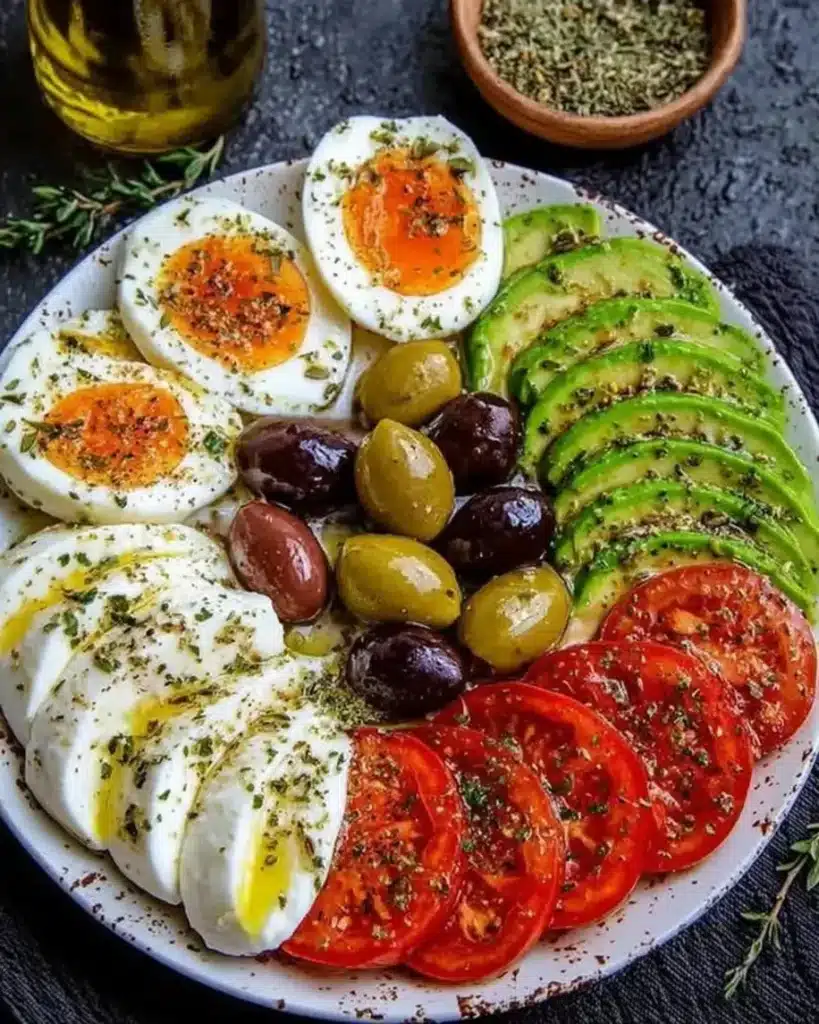
When I plate this Mediterranean Protein Plate, I think of the colorful tagines my mother would set on the table in Morocco—each component visible and celebrated. Arrange the quinoa salad as a generous bed on each plate, then lay the sliced chicken in a fanned arc on top. The visual contrast of the pale chicken against the ruby tomatoes and green parsley is stunning. A final drizzle of extra virgin olive oil and a sprinkle of flaky sea salt right before serving makes everything glisten. In my NYC dinner parties, I often serve this family-style on a large platter so guests can help themselves; it feels communal and abundant.
For a balanced meal, this high protein Mediterranean meal pairs beautifully with a crusty whole-grain baguette or warm pita triangles tucked alongside to scoop up any stray quinoa. A simple side of lemony roasted asparagus or a crisp green salad with a Dijon vinaigrette completes the plate without competing. As I learned in Paris, simplicity is the ultimate sophistication—let each element shine rather than overwhelming the palate with too many extras. A glass of chilled rosé or sparkling water with a sprig of mint makes the whole meal sing.
| Pairing Type | Suggestions | Why It Works |
|---|---|---|
| Side Dish | Warm pita, roasted asparagus, or a crunchy slaw | Adds textural contrast and rounds out the meal |
| Sauce / Dip | Tzatziki, hummus, or a tahini-lemon drizzle | Creamy elements balance the tangy dressing |
| Beverage | Dry rosé, sparkling water with mint, or iced green tea | Bright and refreshing against the savory plate |
| Garnish | Lemon wedges, extra parsley, or toasted pine nuts | Lifts visual appeal and adds finishing flavor |
Make-Ahead, Storage & Reheating
In my busy NYC schedule, meal prep is a lifesaver, and this Mediterranean protein bowl is designed to cooperate. I often grill a double batch of chicken on Sunday and cook a big pot of quinoa to store separately. The vegetables get chopped and kept in their own container, while the dressing is whisked and jarred. When hunger strikes, assembly takes literally three minutes—I just layer, drizzle, and eat. It’s a healthy Mediterranean plate that genuinely improves with a little time, as the flavors in the dressing mellow and meld.
| Method | Container | Duration | Reheating Tip |
|---|---|---|---|
| Refrigerator | Airtight glass containers (chicken separate from salad) | Up to 4 days | Reheat chicken gently in a skillet with a splash of water |
| Freezer | Freezer-safe bag for chicken only (quinoa and veggies don’t freeze well) | Up to 3 months | Thaw overnight in fridge; reheat as above |
| Make-Ahead | Prep all components and store separately | Up to 3 days in advance | Assemble cold or reheat chicken only; reserve dressing until serving |
When reheating, avoid the microwave if possible—it can make the chicken rubbery and the quinoa gummy. Instead, slice the cold chicken and lay it in a nonstick skillet over low heat with a tablespoon of water or broth. Cover and warm for 2-3 minutes until heated through; the steam revives its juiciness. The quinoa salad is best enjoyed cold or at room temperature straight from the fridge, so I just fluff it with a fork and add a fresh drizzle of dressing to wake it up. This way, your leftover high protein Mediterranean meal tastes nearly as vibrant as the day you made it.
Variations & Easy Swaps
| Variation | Key Change | Best For | Difficulty Impact |
|---|---|---|---|
| Vegetarian | Replace chicken with grilled halloumi or chickpeas | Meatless meals; still high-protein | Same ease; halloumi cooks in 2 min per side |
| Dairy-Free / Vegan | Omit feta; use vegan feta or extra olives | Lactose intolerance; plant-based diets | No added steps; check vegan feta texture |
| Seasonal Summer | Add grilled zucchini, bell peppers, or fresh basil | Summer farmers market bounty | Slightly more chopping/grilling |
Vegetarian Mediterranean Protein Plate
For a vegetarian twist that still loads up on protein, skip the chicken and grill thick slices of halloumi cheese—my Moroccan grandmother would fry it in a dry pan until golden, and the squeaky texture is just as satisfying here. Alternatively, swap in 1½ cups of drained, rinsed chickpeas; toss them with the same oregano, salt, pepper, and a drizzle of olive oil, then roast at 400°F for 20 minutes until crispy. This variation keeps the plate hearty and aligned with a Mediterranean diet high protein recipe. The lemon-garlic dressing ties everything together seamlessly, and you won’t miss the meat.
Dairy-Free Mediterranean Protein Bowl
To make this a dairy-free healthy Mediterranean plate, simply omit the feta and use a high-quality almond-based vegan feta—my favorite brand has a creamy, tangy profile that melts slightly on the warm quinoa. If you prefer to skip the substitute entirely, double the kalamata olives and add a handful of toasted pine nuts for richness and crunch. The texture shifts a bit—less creamy, more nutty—but the Mediterranean soul of the dish remains intact. A squeeze of extra lemon over the top right before serving restores the brightness that feta normally provides.
Seasonal Mediterranean Protein Plate
When summer hits the NYC farmers markets, I load this Mediterranean protein bowl with whatever looks best: grilled slabs of zucchini, charred red bell pepper strips, and a handful of torn basil instead of parsley. In fall, roasted butternut squash cubes and a sprinkle of warm spices like cumin take it in a slightly North African direction—echoing the tagines of my childhood. The beauty of this recipe is its adaptability; the core structure—protein, grain, vegetables, tangy dressing—stays the same while the ingredients rotate with the seasons.
What are the best protein sources to use in a Mediterranean protein plate for a balanced meal?
The best protein sources for a Mediterranean protein plate lean heavily on ingredients celebrated in the Mediterranean diet. Lean chicken breast, as I use here, is a top pick because it’s versatile and absorbs herb flavors beautifully. Grilled shrimp or salmon are excellent seafood options rich in omega-3s. For plant-based eaters, chickpeas, lentils, or grilled halloumi cheese deliver substantial protein with a satisfying texture. I sometimes combine two sources—say, chicken and a sprinkle of toasted almonds—for extra staying power. The key is to choose proteins that complement the fresh, bright notes of the vegetables and dressing, keeping the meal light yet filling.
Can I make a Mediterranean protein plate ahead of time and store it in the fridge?
Absolutely—this is one of my favorite meal-prep stars. I recommend storing the components separately: keep the quinoa salad in one container, the grilled chicken in another, and the dressing in a small jar. This way, the quinoa stays fluffy and the vegetables remain crisp. The chicken can be refrigerated for up to 4 days and gently reheated in a skillet with a splash of water to restore moisture. If you’ve already mixed everything together, it’ll still be good for about 2 days, but the quinoa may absorb the dressing and soften slightly. Just give it a fresh drizzle of lemon juice before serving.
What are some good dairy-free or vegan substitutions for feta cheese in a Mediterranean protein plate?
For a dairy-free version, you can use a store-bought vegan feta—look for ones made from almonds or tofu, which mimic the crumbly texture and briny flavor best. In a pinch, I’ll mash some firm tofu with lemon juice, a pinch of salt, and a drizzle of olive oil to create a tangy, protein-packed substitute. Nutritional yeast flakes are another option: they add a savory, cheese-like note without any dairy. If you’re simply avoiding lactose, many aged sheep’s milk fetas are naturally low in lactose and may be tolerated. Pair any substitution with an extra squeeze of lemon and a few more olives to keep the dish vibrant.
How long does it typically take to prep and assemble a Mediterranean protein plate?
This recipe is designed for speed: you’ll need about 15 minutes of prep and 15 minutes of cooking, so the entire Mediterranean protein plate can be on the table in 30 minutes. The prep involves chopping vegetables, cooking quinoa if you don’t have leftovers, and seasoning the chicken. The cooking time is mostly hands-off grilling. If you’re using pre-cooked quinoa from a batch earlier in the week, you can shave an extra 10 minutes off. I find that having my ingredients measured and laid out before I start—what the French call “mise en place”—makes the process feel effortless and almost meditative.
Is a Mediterranean protein plate actually healthy and good for weight management?
Yes, a Mediterranean protein plate is exceptionally healthy and can be a smart choice for weight management when portioned mindfully. It’s built around whole-food ingredients: lean protein, fiber-rich quinoa, fresh vegetables, and healthy fats from olive oil and olives. This combination provides steady energy and keeps you full for hours. At around 450 calories per serving with 35 grams of protein, it supports muscle maintenance without feeling heavy. The Mediterranean diet, which this plate reflects, is consistently ranked among the healthiest eating patterns by nutrition experts. Just watch the olive oil quantity if you’re tracking calories closely, though it’s the heart-healthy kind.
Can I use a different grain instead of quinoa in this Mediterranean protein bowl?
Definitely—this recipe is wonderfully adaptable to whatever grain you have on hand. Farro gives a chewy, nutty bite that feels hearty and rustic, while Israeli couscous creates a softer, more delicate base. Brown rice is a reliable, gluten-free alternative that adds a slightly earthier flavor. If you’re looking for a low-carb option, cauliflower rice sautéed in a little olive oil works surprisingly well and soaks up the dressing nicely. I’ve even used bulgur wheat for a tabbouleh-inspired twist. Cook any grain in broth for added depth, and let it cool slightly before mixing to prevent wilting your fresh vegetables.
What’s the best way to grill chicken so it stays juicy for a Mediterranean plate?
The secret to juicy grilled chicken for your Mediterranean protein plate is a three-step approach: season, sear, and rest. Start by patting the chicken dry and coating it lightly in olive oil to lock in moisture. Grill over medium-high heat without moving it for those first 6-7 minutes—this creates a golden crust that seals in juices. Use an instant-read thermometer and pull the chicken right at 165°F; any higher and it dries out fast. Finally, the non-negotiable step: let it rest for 5 minutes after grilling. This allows the fibers to relax and reabsorb the liquid, ensuring every slice is tender.
Are there any tips for making this Mediterranean protein plate more family-friendly or kid-approved?
I’ve found that deconstructing the plate works wonders for kids. Serve the components in small separate piles—grilled chicken strips, plain quinoa, cucumber and tomato slices, and a little bowl of dressing for dipping. Many children enjoy building their own “rainbow bowls,” and the olives and feta can be optional. You can also swap the oregano for a milder herb like dill or basil if the flavor feels strong. Another trick from my NYC kitchen: cut the chicken into fun bite-sized pieces and call it “picnic chicken” to spark enthusiasm. The whole plate is naturally colorful, which helps even picky eaters engage.
How can I boost the protein content even further in a high protein Mediterranean meal?
If you want to push the protein numbers beyond the 35 grams this plate already provides, there are several easy tweaks. Swap the quinoa for a legume-based grain like lentil pasta or add a half-cup of cooked lentils directly to the salad. Top the finished plate with a handful of toasted pumpkin seeds or slivered almonds for an extra 5-7 grams of plant protein. A dollop of Greek yogurt or a swirl of tahini on the side adds creaminess and another protein boost. You could also simply increase the chicken portion to 1.5 lbs for four servings, making each plate more substantial while keeping the Mediterranean diet high protein recipe profile intact.
What should I do if I don’t have a grill or grill pan for the Mediterranean protein plate chicken?
No grill? No problem—this Mediterranean protein plate works beautifully with a stovetop skillet or even a broiler. For a skillet, heat a tablespoon of olive oil over medium-high heat and cook the seasoned chicken breasts for 7-8 minutes per side, pressing down gently for even browning. If using a broiler, place the chicken on a foil-lined baking sheet and broil 4-5 inches from the heat source for about 6 minutes per side, watching closely to avoid burning. The flavor profile remains the same; the main difference is the lack of char lines. I’ve made it this way in my tiny NYC galley kitchen many times, and the results are still juicy and delicious.
Share Your Version!
I genuinely can’t wait to see your take on this Mediterranean Protein Plate. When you make it, please leave a star rating and comment below—tell me whether you went classic or tried one of the variations, and how it turned out. Your feedback helps me refine recipes and, honestly, it just makes my day to hear from fellow home cooks. If you post a photo on Instagram or Pinterest, tag me @cookingwithlalyta so I can share your creation with my community. There’s something so rewarding about seeing these recipes come to life in your kitchens.
Now, I’d love to know: what’s your favorite way to customize a protein bowl like this? Do you lean toward extra veggies, more spice, or a completely different grain? Drop your answer in the comments—I’m always looking for new inspiration from you. And if you run into any trouble with the grilling or have a substitution question, just ask. From my NYC kitchen to yours — I hope this recipe brings as much warmth to your table as it does to mine. — Lalybeth 🧡
Love This Recipe? Save It to Pinterest!
If you enjoyed this Mediterranean Protein Plate recipe, don’t let it get lost in your browser tabs! 😄 Pin it now so you can find it again anytime — and explore hundreds more tried-and-tested recipes waiting for you on my Pinterest boards.
👉 Follow Lalybeth on Pinterest @cookingwithlalyta
📌 Pin this recipe · 🔁 Re-pin your favorites · 💬 Tag me when you make it — I love seeing your creations!
Mediterranean Protein Plate
- Total Time: 30 minutes
- Yield: 4 1x
Description
A hearty and healthy Mediterranean-inspired plate packed with lean protein, fresh vegetables, and flavorful herbs. Perfect for a balanced lunch or dinner.
Ingredients
- 1 lb boneless skinless chicken breast
- 1 tbsp olive oil
- 1 tsp dried oregano
- 1/2 tsp salt
- 1/4 tsp black pepper
- 1 cup cooked quinoa
- 1 cup cherry tomatoes, halved
- 1 cucumber, diced
- 1/2 cup kalamata olives
- 1/2 cup crumbled feta cheese
- 1/4 cup red onion, thinly sliced
- 2 tbsp lemon juice
- 2 tbsp extra virgin olive oil
- 1 clove garlic, minced
- 1/4 cup fresh parsley, chopped
Instructions
- Preheat grill or grill pan to medium-high heat.
- Season chicken breast with olive oil, oregano, salt, and pepper.
- Grill chicken 6-7 minutes per side or until internal temperature reaches 165°F. Let rest 5 minutes, then slice.
- In a large bowl, combine quinoa, tomatoes, cucumber, olives, feta, and red onion.
- In a small bowl, whisk lemon juice, extra virgin olive oil, and garlic.
- Pour dressing over quinoa mixture and toss gently.
- Divide quinoa mixture between plates, top with sliced chicken, and garnish with parsley.
Notes
For a vegetarian version, substitute chicken with grilled halloumi or chickpeas. Gluten-free if using certified gluten-free quinoa.
- Prep Time: 15 minutes
- Cook Time: 15 minutes
- Method: Main Course
- Cuisine: Mediterranean
Nutrition
- Calories: 450
- Sugar: 5g
- Fat: 22g
- Carbohydrates: 30g
- Protein: 35g
Tried This Recipe? Leave a Comment!
Did you make this recipe? I’d love to hear how it turned out! Please leave a comment and a rating below. Your feedback helps other home cooks and supports cookingwithlalyta.com!
For more delicious inspiration, follow me on Pinterest!