Table of Contents
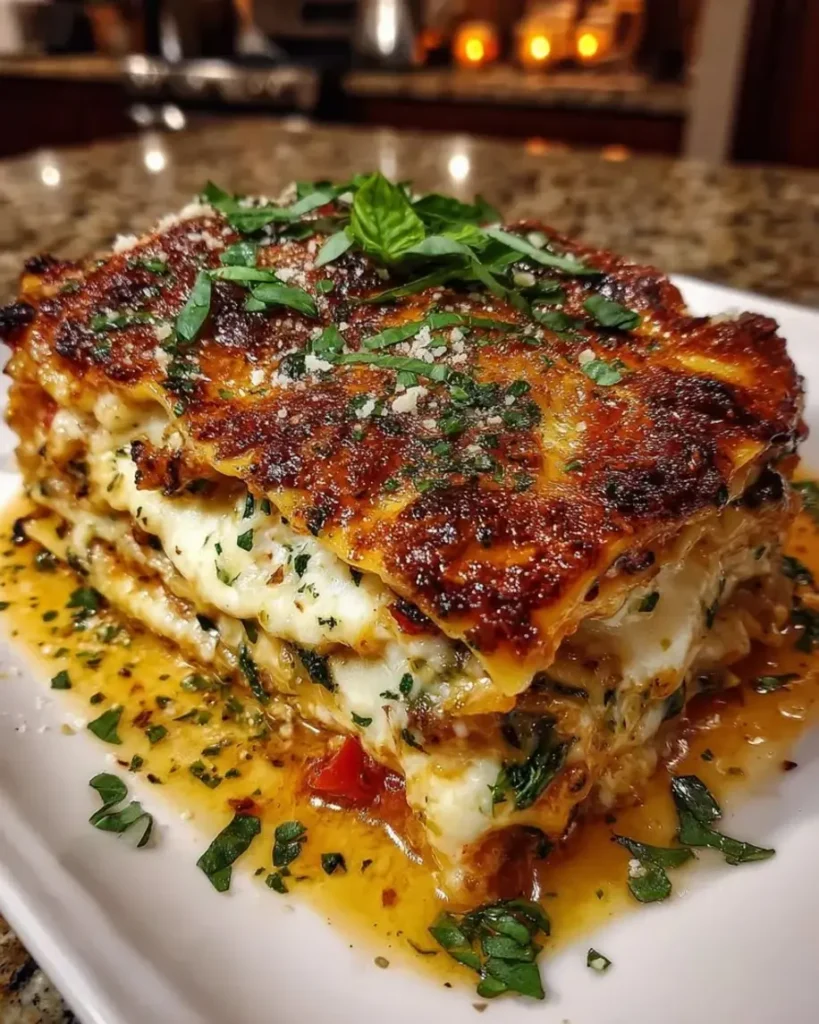
Layers of Fresh Vegetables, Creamy Cheese, and Rich Tomato Sauce: The Secret to a Never-Soggy Vegetable Lasagna – A Comforting Italian Classic
I still remember the first time I made a vegetable lasagna in my tiny Paris apartment during culinary school. The goal was to recreate the comforting, layered vegetable lasagna my Moroccan mother would make for special family gatherings, but with all the refined techniques I was learning from my French chefs. Back home, she would never pre-cook her vegetables—just raw slices nestled into the sauce—and the result was sometimes a tad watery. In Paris, we learned the art of pré-cuisson: a quick sear to drive off excess moisture before layering. That’s the secret to a never-soggy layered vegetable bake that I’m sharing with you today. It’s the same trick that guarantees every bite of this vegetarian casserole bursts with concentrated vegetable flavor rather than puddles of liquid.
Imagine lifting a forkful of this creamy tomato pasta bake: the rustic, herbal aroma of simmered crushed tomatoes, the delicate char on zucchini coins, the earthy depth of mushrooms that have been sautéed until golden, and the silky ricotta enriched with a whisper of nutmeg and fresh parsley. Each layer melds into a harmonious medley—tender pasta sheets, creamy pockets of cheese, and a bubbly, golden mozzarella crust that crackles ever so slightly as it emerges from the oven. It’s a fresh vegetable gratin in spirit, but way heartier, meant to be the star of a weeknight dinner or a showstopping centerpiece for a leisurely Sunday lunch.
I’ve taken that Paris-trained know‑how and combined it with the bold, vibrant produce of New York City’s greenmarkets—zucchini that’s practically begging to be sliced, earthy cremini mushrooms, and tender spinach leaves. My version of this vegetable lasagna is built on three foolproof pillars: pre‑sautéing every vegetable to banish soggy layers, using a no‑boil (or al dente‑cooked) noodle strategy, and letting the assembled dish rest before slicing so every square holds its shape. Stick with me, and I’ll guide you through each step, sharing little chef’s secrets like why a pinch of nutmeg in the ricotta makes all the difference and the most common mistake that leads to a watery mess. Ready to make a lasagna that’s as reliable as it is delicious? Let’s dive in.
Why This Vegetable Lasagna Recipe Is the Best
The Flavor Secret — Having trained in the sauce‑focused kitchens of Paris, I know that a great lasagna starts with a vibrant, well‑seasoned tomato sauce. Instead of just opening a jar, I gently bloom dried herbs in olive oil before adding crushed tomatoes, then simmer the sauce long enough for its flavors to deepen. This technique, rarely found in quick‑and‑easy recipes, gives the whole vegetable lasagna a slow‑cooked, Sunday‑supper richness. A tiny pinch of cinnamon—a nod to my Moroccan roots—adds a subtle warmth that makes people ask, “What is that? It’s incredible!”
Perfected Texture — The bane of any vegetarian casserole is sogginess. I solve it by quickly sautéing each vegetable separately. Zucchini gets a light browning, mushrooms are cooked until their water evaporates, and spinach is wilted just until it collapses. This step, borrowed from classic French poêlée technique, intensifies their flavors and dramatically reduces the moisture they release during baking. The result? Clean, distinct layers that never bleed into a soupy mess.
Foolproof & Fast — Even though there are a few steps, this recipe is surprisingly forgiving for a layered vegetable bake. The timing is flexible: you can make the sauce and sauté the vegetables a day ahead, then assemble and bake when you’re ready. And because I use al dente‑cooked lasagna noodles (no tricky no‑boil sheets), you’ll never end up with under‑cooked pasta. It’s the go‑to dish when I have friends over and want to impress without spending the entire party in my tiny NYC kitchen.
Vegetable Lasagna Ingredients
When I’m shopping for this vegetable lasagna, I let my NYC greenmarket finds guide me. In late summer, I’ll grab plump, firm zucchini and baskets of cremini mushrooms. In winter, I lean on good‑quality canned crushed tomatoes and spinach that’s still perky from the market. The trick is to pick vegetables that are at their peak—they’ll reward you with sweeter, more concentrated flavor. Here’s everything you’ll need, measured in familiar US cups and ounces.
Ingredients List
- For the Tomato Sauce:
- 2 tablespoons olive oil
- 1 onion, diced
- 3 cloves garlic, minced
- 1 can (28 oz) crushed tomatoes
- 1 teaspoon dried basil
- 1 teaspoon dried oregano
- Salt and pepper to taste
- For the Vegetable Filling:
- 2 medium zucchinis, sliced into ¼‑inch rounds
- 2 cups fresh spinach (about 3 oz)
- 8 oz mushrooms, sliced (cremini or white button)
- 1 tablespoon olive oil
- Salt and pepper to taste
- For the Cheese Mixture:
- 1 container (15 oz) whole‑milk ricotta cheese
- 1 large egg
- ½ cup grated Parmesan cheese
- ¼ cup chopped fresh parsley
- ½ teaspoon salt
- ¼ teaspoon black pepper
- Additional:
- 9 lasagna noodles, cooked al dente according to package directions
- 3 cups shredded mozzarella cheese (whole‑milk, low‑moisture is the meltiest)
Ingredient Spotlight
Ricotta — The heart of the creamy layers. Look for whole‑milk ricotta in the dairy aisle; it has a richer, less watery texture than part‑skim. If you can find it, a hand‑dipped, basket‑drained ricotta from an Italian deli is even better. I add one egg to bind it, a trick I learned in Paris for quiche filling, ensuring it sets into a silky, sliceable layer. Substitution: If ricotta isn’t your thing, blend full‑fat cottage cheese until smooth—it gives a similar creaminess but with a slightly tangier note.
Zucchini — The star vegetable, chosen for its mild flavor and ability to take on a lovely caramelized edge. Pick firm, glossy zucchini that feel heavy for their size. Don’t peel them; the skin adds color and helps them hold their shape. If you can’t find fresh zucchini, yellow summer squash works interchangeably and looks gorgeous. Eggplant can also step in, but salt and drain it first to remove bitterness.
Mushrooms — They deliver meaty texture and umami depth. I reach for cremini (baby bella) because they have a richer flavor than white buttons. Sauté them until their water cooks off and they begin to brown—that’s when the magic happens. Portobello mushrooms, diced, are an excellent substitute; just remove the dark gills to avoid a gray color. Even a handful of dried porcini, rehydrated and chopped, can add an intense earthiness (a trick from my Paris pantry).
Spinach & Parmesan — Fresh spinach wilts quickly, so don’t over‑cook it; we want it to stay vibrant green. Baby spinach is easiest—no stems to trim. If you have a bunch of mature spinach, blanch it first and squeeze out the water thoroughly. Parmesan, freshly grated, is a must. The pre‑grated stuff in a can contains anti‑caking agents that prevent it from melting smoothly. Pecorino Romano offers a sharper, saltier profile and works beautifully in a pinch.
| Original Ingredient | Best Substitution | Flavor / Texture Impact |
|---|---|---|
| Whole‑milk ricotta | Blended full‑fat cottage cheese | Slightly tangier, but equally creamy when blended smooth. |
| Zucchini | Yellow squash or eggplant | Similar texture and mild flavor; eggplant requires pre‑salting and draining. |
| Cremini mushrooms | White button mushrooms or bell peppers | Slightly less earthy; bell peppers add sweetness and crunch. |
| Fresh spinach | Frozen spinach (thawed and squeezed dry) | Works perfectly, but can be a bit more compact; fluff it before layering. |
| Parmesan | Pecorino Romano | Sharper, saltier; reduce added salt slightly. |
How to Make Vegetable Lasagna — Step-by-Step
Don’t be daunted by the number of steps—each one is simple, and you’ll be rewarded with a restaurant‑worthy vegetable lasagna that holds its shape beautifully. Let’s walk through it together.
Step 1: Prepare the Tomato Sauce
In a large saucepan, heat 2 tablespoons of olive oil over medium heat. Add the diced onion and cook, stirring occasionally, until it’s soft and translucent—about 5 minutes. Stir in the minced garlic and cook for just 1 minute, until fragrant (don’t let it burn!). Pour in the entire can of crushed tomatoes, then sprinkle in the dried basil and oregano. Season with a good pinch of salt and a few grinds of black pepper. Bring the sauce to a gentle simmer, then reduce the heat to low and let it bubble softly for 20 minutes, stirring every few minutes. You’ll know it’s ready when the sauce has thickened slightly and the flavors have melded—the aroma will fill your kitchen like a cozy Italian trattoria.
💡 Lalybeth’s Pro Tip: For a velvety smooth sauce, use an immersion blender right in the pot. I picked up this trick in a Paris bistro, where we’d buzz the sauce just a few seconds to break down any onion chunks while leaving a little texture. It also helps the sauce cling to the noodles better.
Step 2: Sauté the Vegetables
While the sauce simmers, get your veggies ready. Heat the other tablespoon of olive oil in a large heavy‑bottomed skillet (cast‑iron is ideal) over medium‑high heat. Lay the zucchini slices in a single layer—you may need to work in two batches—and cook until lightly golden on both sides, about 3‑4 minutes per side. The goal is to coax out moisture and create those delicious browned spots. Transfer the cooked zucchini to a plate. In the same skillet, toss in the sliced mushrooms and cook, stirring occasionally, until they release their liquid and it evaporates, about 5 minutes. They’ll shrink significantly and turn a deep golden brown. Finally, add the spinach and cook just until it wilts, about 1‑2 minutes. Season the entire vegetable melange with salt and pepper.
⚠️ Common Mistake to Avoid: Don’t crowd the pan! Overlapping zucchini slices will steam instead of brown, and you’ll lose that caramelized flavor. Give each slice its own space, or cook in batches—it’s totally worth the extra few minutes.
Step 3: Make the Cheese Mixture
In a medium bowl, combine the ricotta, egg, grated Parmesan, chopped parsley, salt, and pepper. Mix with a fork until everything is evenly blended. It should look like a creamy, slightly loose spread. The egg is crucial—it acts as a binding agent, similar to how it sets a quiche, so the ricotta layer doesn’t ooze out when you slice the lasagna.
💡 Lalybeth’s Pro Tip: For an extra‑rich note, add a tiny pinch of freshly grated nutmeg (about 1/8 teaspoon) to the cheese mixture. It’s a classic French touch that rounds out the dairy flavors without overpowering them. My Parisian pastry chef instructor would approve!
Step 4: Preheat the Oven
Now is the time to preheat your oven to 375°F (190°C). Make sure the rack is in the middle position for even heating. While the oven warms up, you can start assembling the lasagna.
Step 5: Assemble the Lasagna
Grab a 9×13‑inch baking dish (glass or ceramic both work). Spread a thin, even layer of tomato sauce across the bottom—just enough to coat the surface. This prevents the noodles from sticking. Lay 3 lasagna noodles on top, arranging them lengthwise so they cover the dish; you may need to trim them to fit if you’re using no‑boil sheets. Now spread half of the ricotta‑Parmesan mixture over the noodles, then arrange half of the sautéed zucchini slices in a single layer. Spoon half of the mushroom‑spinach mixture on top, spreading it evenly, and then sprinkle about one‑third of the shredded mozzarella (1 cup). Repeat the layers: another thin layer of sauce, 3 more noodles, the remaining ricotta mixture, the rest of the zucchini, the rest of the mushrooms and spinach, and another cup of mozzarella. Finish with the final 3 noodles, the remaining sauce (make sure to cover the noodles completely so they cook through), and the last cup of mozzarella.
⚠️ Common Mistake to Avoid: Skipping the bottom layer of sauce can lead to stuck noodles. And if you’re using no‑boil noodles, be generous with the sauce between layers—those noodles need moisture to soften properly during baking. I prefer traditional boiled‑until‑al‑dente noodles because they’re more forgiving.
Step 6: Bake to Golden Perfection
Cover the dish tightly with aluminum foil (tent it slightly so it doesn’t stick to the cheese) and bake for 25 minutes. This steamy environment helps the noodles finish cooking and the cheese melt without burning. Then, remove the foil and bake for another 20 minutes. You’ll know it’s done when the top is bubbly and a gorgeous golden brown with some darker edges. If you like an extra‑crusty top, switch the oven to broil for the last 2‑3 minutes—but watch it like a hawk!
💡 Lalybeth’s Pro Tip: To check for doneness, insert a thin knife through the layers. It should slide in easily, meeting no resistance from the noodles. If it feels a bit firm, re‑cover with foil and bake another 5‑10 minutes.
Step 7: Rest and Serve
This is the hardest part, but absolutely non‑negotiable: let the lasagna rest on the counter for 10 full minutes before slicing. During this time, the bubbling hot cheese and sauce will set up, allowing you to cut clean, beautiful squares that hold together on the plate. Sprinkle a little extra chopped parsley on top for a pop of green, and serve warm.
⚠️ Common Mistake to Avoid: Cutting into the lasagna right after it comes out of the oven will give you a soupy, sliding mess. Patience is key—use those 10 minutes to toss a quick green salad.
| Step | Action | Duration | Key Visual Cue |
|---|---|---|---|
| 1. Tomato Sauce | Sauté onion, add tomatoes & herbs, simmer | 25 min | Sauce thickens and turns deep red‑orange |
| 2. Sauté Veg | Brown zucchini, mushrooms, wilt spinach | 15 min | Golden edges on zucchini, mushrooms reduce by half |
| 3. Cheese Mix | Combine ricotta, egg, Parmesan, parsley | 5 min | Smooth, uniform mixture |
| 4. Preheat | Set oven to 375°F | – | Oven indicator light |
| 5. Assemble | Layer sauce, noodles, cheese, vegetables | 10 min | Distinct, even layers |
| 6. Bake | Covered 25 min, uncovered 20 min | 45 min | Bubbly, golden top |
| 7. Rest | Let sit before slicing | 10 min | Firm, sliceable layers |
Serving & Presentation
I love plating this vegetable lasagna on a warm, shallow bowl so the sauce puddles just a bit, with a generous sprinkle of fresh basil or parsley over the top. A drizzle of extra‑virgin olive oil right before serving adds a fruity finish that brightens all the flavors. For a True New York weeknight, I’ll slide a slice onto a plate alongside a simple arugula salad dressed with lemon and olive oil—the peppery greens cut through the richness perfectly.
If you want to dress it up, serve it with a dollop of pesto or a spoonful of roasted red pepper cream. A glass of chilled Pinot Noir or even a crisp Italian Pinot Grigio pairs beautifully, echoing the herbaceous notes in the sauce. For a non‑alcoholic option, sparkling water with a squeeze of lemon and a sprig of rosemary feels celebratory.
| Pairing Type | Suggestions | Why It Works |
|---|---|---|
| Side Dish | Simple arugula salad, garlic bread, roasted asparagus | Fresh, crunchy sides contrast the creamy lasagna. |
| Sauce / Dip | Basil pesto, roasted red pepper sauce | Adds a bright, herby or sweet‑smoky accent. |
| Beverage | Pinot Noir, Pinot Grigio, sparkling water with lemon | The wine’s acidity balances the richness; sparkling water cleanses the palate. |
| Garnish | Fresh basil, extra‑virgin olive oil, red pepper flakes | Brightens flavors and adds visual appeal. |
Make-Ahead, Storage & Reheating
In my busy NYC life, this vegetable lasagna is a meal‑prep hero. I often make the entire dish on Sunday, let it cool completely, then portion it into containers for grab‑and‑go lunches all week. It tastes even better the next day, once the flavors have married. Here’s exactly how to store and reheat it so it stays as delicious as day one.
| Method | Container | Duration | Reheating Tip |
|---|---|---|---|
| Refrigerator | Airtight glass or plastic container | Up to 5 days | Cover with a damp paper towel and microwave individual portions for 1‑2 minutes, or reheat in a 350°F oven for 15‑20 minutes. |
| Freezer | Wrap tightly in plastic wrap, then foil | Up to 3 months | Thaw overnight in the fridge, then bake covered at 375°F for 30‑40 minutes until hot in the center. |
| Make-Ahead | Assemble unbaked in the dish, cover | Up to 24 hours in advance | Keep refrigerated; add 10‑15 minutes to the covered baking time directly from the fridge. |
When reheating an entire lasagna, I always add a splash of water or extra tomato sauce around the edges before covering with foil—this creates steam and prevents the top from drying out. If you’re in a hurry, an air fryer at 350°F for 5‑8 minutes works wonders for a single slice, giving you a crispy top and tender center. Just be sure to use an oven‑safe dish! And never, ever reheat the whole lasagna in a zippered plastic bag—I’ve made that mistake once in my early cooking days, and let’s just say it wasn’t pretty.
A little French trick I love: drizzle a teaspoon of good olive oil over the top before reheating to revive the creamy mozzarella sheen. It’s the kind of small touch that makes leftovers feel like a freshly baked meal.
Variations & Easy Swaps
| Variation | Key Change | Best For | Difficulty Impact |
|---|---|---|---|
| Gluten‑Free & Dairy‑Free | Use GF no‑boil noodles, dairy‑free ricotta made from cashew cream, vegan mozzarella | Allergy‑friendly meals | Slightly trickier; monitor doneness of GF noodles |
| Moroccan Harissa Twist | Stir 2‑3 tsp harissa into the tomato sauce, swap zucchini for roasted eggplant | Adventurous eaters, heat lovers | No extra difficulty |
| Spring Vegetable Medley | Replace spinach with blanched asparagus tips and peas, add lemon zest to ricotta | Celebrating spring produce | Quick blanching required |
Gluten‑Free & Dairy‑Free Vegetable Lasagna
For a lasagna that’s safe for multiple dietary needs without sacrificing flavor, I’ve tested this one thoroughly in my NYC kitchen. Swap the regular lasagna noodles for a high‑quality gluten‑free option—I like the brown rice noodles that hold their shape. For the ricotta, blend 1½ cups of raw cashews (soaked for 4 hours) with ½ cup water, 1 tablespoon lemon juice, and a pinch of salt until super smooth—it mimics the creaminess beautifully. Replace mozzarella with a good meltable vegan shred, and use nutritional yeast instead of Parmesan. The result is a comforting, creamy vegetable lasagna that even my dairy‑loving friends devour. Just be extra mindful during baking: GF noodles can turn mushy if over‑sauced, so spread sauce sparingly.
Moroccan Harissa Twist
This one brings me right back to my mom’s kitchen in Marrakech, where she’d add a little heat to her tagines. Stir 2 to 3 teaspoons of spicy harissa paste (start with less and taste) into the tomato sauce along with a pinch of cumin and smoked paprika. Instead of zucchini, use long‑roasted eggplant slices (I salt them, let them weep, then roast until caramelized). The result is a layered vegetable bake with a gentle kick and a smoky, North African soul. Serve it with a dollop of thick yogurt seasoned with lemon and mint to cool the palate—truly a fusion of my two food homes.
Spring Vegetable Lasagna with Asparagus & Peas
When the Union Square Greenmarket overflows with asparagus and sugar snap peas in April, I create this bright, verdant version. Replace the spinach with a mix of blanched asparagus tips (boil for 1‑2 minutes, then shock in ice water) and fresh or frozen peas. Zest one lemon into the ricotta mixture and add 2 tablespoons of chopped chives. The mozzarella stays, but I love to finish the top with a handful of grated fontina for extra meltiness. This vegetarian casserole tastes like spring on a plate and pairs wonderfully with a chilled Sauvignon Blanc.
Frequently Asked Questions
How do you layer vegetable lasagna to prevent it from becoming watery?
To keep your vegetable lasagna from turning into a pool of liquid, you must pre‑cook all the vegetables that release water—especially zucchini, mushrooms, and spinach. I sauté zucchini until lightly browned (this evaporates moisture and improves flavor), cook mushrooms until their liquid boils away, and wilt spinach just until it collapses. Also, avoid using too much sauce between layers; a thin coat is enough. Finally, let the lasagna rest for 10 minutes after baking so the cheese and egg‑enriched ricotta set firmly, trapping any remaining moisture inside each layer rather than flooding your plate.
What can I substitute for ricotta cheese in a creamy vegetable lasagna?
If you’re out of ricotta or want a different texture, you have excellent options. Blended full‑fat cottage cheese is the closest match—just run it through a blender until smooth and silky; it adds a similar creaminess with a slightly tangier note. For a dairy‑free version, puree soaked cashews with a little water and lemon juice until you achieve a ricotta‑like consistency. Another surprising swap is well‑drained, crumbled firm tofu blended with a bit of lemon zest, nutritional yeast, and salt—it gives a surprisingly creamy and protein‑rich base for your layered vegetable bake. Use equal amounts by volume.
Should you pre‑cook vegetables before layering them in lasagna?
Yes, absolutely. Most vegetables—especially zucchini, mushrooms, eggplant, and spinach—contain a lot of water that will release during baking, making your vegetarian casserole watery and diluting the flavors. By sautéing or roasting them before layering, you concentrate their taste, improve their texture, and dramatically reduce the chance of a soggy result. Even onions should be sautéed for the sauce. Hardy vegetables like carrots and bell peppers can sometimes be layered raw if sliced very thinly, but for the best texture and intensity, I always give them a quick pre‑cook. It’s the single most important step for a professional‑quality fresh vegetable gratin‑style lasagna.
How long does vegetable lasagna need to bake at 375°F?
In a standard oven, a well‑assembled vegetable lasagna bakes for about 45 minutes at 375°F. I start by covering the dish with foil for the first 25 minutes, which traps steam and ensures the noodles cook through without the cheese burning. Then I remove the foil and bake for another 20 minutes until the top is golden brown and bubbling. If the lasagna has been refrigerated, add 10‑15 minutes to the covered baking time. Always check that a knife slides easily through the layers; if you meet resistance, recover and bake a bit longer. Resting for 10 minutes after baking is non‑negotiable for clean slices.
Is vegetable lasagna healthy?
This vegetable lasagna is a balanced meal packed with fiber, vitamins, and protein. One serving (about 1/8th of the dish) has 420 calories, 24g of protein from the cheese and egg, and a generous amount of vegetables that provide antioxidants and iron. To make it even lighter, you can use part‑skim ricotta and mozzarella, or add an extra layer of spinach and mushrooms. Keep in mind that while it’s a satisfying vegetarian casserole, portion control is key because of the cheese. Serve with a simple green salad to round out the meal without adding many extra calories.
Can I make this vegetable lasagna ahead and freeze it?
Absolutely — it’s one of my favorite freezer meals for busy NYC weeks. You can assemble the entire creamy tomato pasta bake unbaked, wrap it tightly in a double layer of plastic wrap and then foil, and freeze for up to 3 months. When you’re ready to eat, thaw it overnight in the refrigerator, then bake as directed adding about 15‑20 minutes to the covered baking time. Alternatively, you can bake it first, cool completely, portion it out, and freeze individual squares. Reheat a single portion in the microwave with a damp paper towel or in a 350°F oven until bubbly.
What side dishes go with vegetable lasagna?
Because this layered vegetable bake is rich and filling, I like to keep sides light and fresh. A peppery arugula salad with a lemon‑olive oil vinaigrette cuts through the creamy cheese perfectly. Garlic bread is a classic for sopping up the last bit of tomato sauce, and roasted broccoli or broccolini adds a crisp‑tender contrast. For something a little different, I’ll serve a simple fennel and orange salad inspired by my time in Paris — it’s bright, crunchy, and cleans the palate between luscious bites.
Can I add protein to this vegetable lasagna?
Definitely. While this recipe is already high in protein (24g per serving) thanks to the ricotta and mozzarella, you can boost it further. I sometimes brown 8 oz of lean ground turkey or beef and mix it into the tomato sauce for a heartier creamy tomato pasta bake. For a vegetarian option, stir in cooked lentils or crumbled tempeh with the vegetable layer. Even shredded rotisserie chicken works beautifully—just sprinkle it between the ricotta and veggies. Adjust seasoning accordingly and maybe add a little extra sauce to keep everything moist.
Why is my vegetable lasagna watery?
A watery vegetable lasagna usually results from three culprits: under‑cooked vegetables that release moisture in the oven, too much saucy liquid, or slicing it immediately without resting. Vegetables like zucchini and mushrooms are over 90% water, so sautéing them until that water evaporates is critical. Also, be mindful not to over‑sauce; each layer of sauce should be thin. Finally, after baking, let the lasagna sit for 10 minutes—this sets the cheese and allows any remaining steam to redistribute, yielding a neat slice. Next time, try these fixes and you’ll have a perfectly firm, sliceable lasagna.
How can I make a vegan version of this vegetable lasagna?
Turning this vegetable lasagna vegan is easier than you think. Replace the ricotta with a cashew cream (soak 1½ cups raw cashews for 4 hours, blend with ½ cup water, 1 Tbsp lemon juice, and salt). Use your favorite melted vegan mozzarella shreds, and swap Parmesan for nutritional yeast. The egg in the ricotta mixture can be omitted; the cashew cream sets nicely on its own. Ensure your lasagna noodles are egg‑free (most dry brands are). The rest—the tomato sauce and sautéed vegetables—is already plant‑based. You’ll get a luscious, dairy‑free vegetarian casserole that rivals the original in richness.
Community & Sharing
Share Your Version!
I can’t wait to see how your vegetable lasagna turns out! Did you add a twist of your own, maybe a layer of roasted peppers or a blanket of pesto? Leave a star rating and review right here on the recipe card—it helps other home cooks find confidence in the kitchen. Tag your photos on Instagram and Pinterest with @cookingwithlalyta so I can share your beautiful bakes. Every time a photo pops up on my feed, it feels like a little visit from a friend.
One question I always love to ask my community: What’s the one vegetable you’d never leave out of your lasagna? Drop a comment below and let’s swap ideas. Your twist might just inspire my next variation. From my NYC kitchen to yours—I hope this recipe brings as much warmth to your table as it does to mine. — Lalybeth 🧡
Love This Recipe? Save It to Pinterest!
If you enjoyed this Layers of Fresh Vegetables, Creamy Cheese, and Rich Tomato Sauce recipe, don’t let it get lost in your browser tabs! 😄 Pin it now so you can find it again anytime — and explore hundreds more tried-and-tested recipes waiting for you on my Pinterest boards.
👉 Follow Lalybeth on Pinterest @cookingwithlalyta
📌 Pin this recipe · 🔁 Re-pin your favorites · 💬 Tag me when you make it — I love seeing your creations!
Loved This Vegetable Lasagna? Let’s Keep Cooking Together!
Rate the recipe, share your photo on Instagram with #cookingwithlalyta, and never miss a new post — sign up for my newsletter for exclusive tips straight from my NYC kitchen.
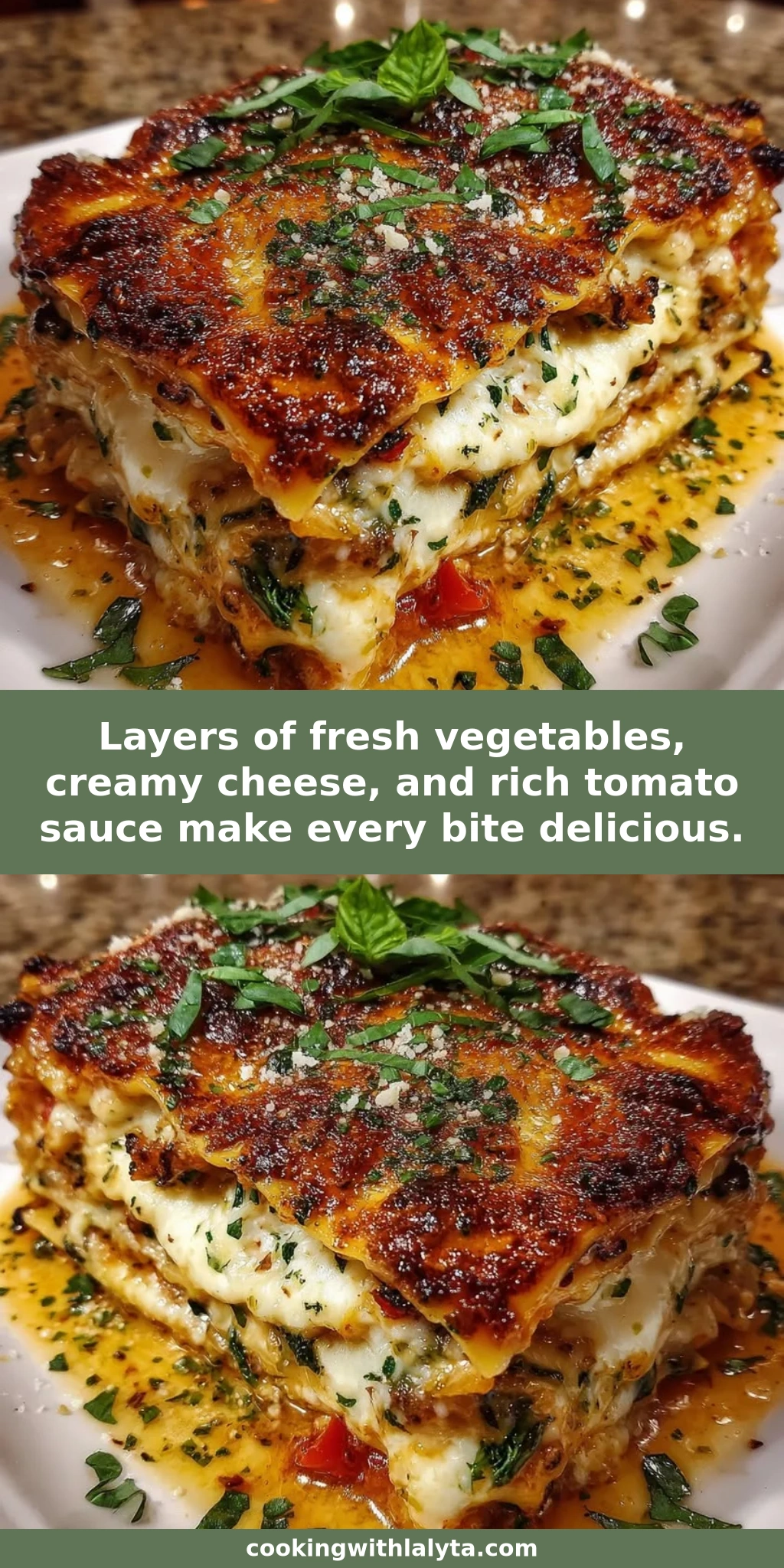
Layers of fresh vegetables, creamy cheese, and rich tomato sauce make every bite delicious.
- Total Time: 1 hour 25 minutes
- Yield: 8 1x
Description
A hearty and flavorful vegetable lasagna with layers of fresh zucchini, spinach, mushrooms, creamy ricotta and mozzarella, and a rich tomato sauce.
Ingredients
- For the Tomato Sauce:
- 2 tablespoons olive oil
- 1 onion, diced
- 3 cloves garlic, minced
- 1 can (28 oz) crushed tomatoes
- 1 teaspoon dried basil
- 1 teaspoon dried oregano
- Salt and pepper to taste
- For the Vegetable Filling:
- 2 medium zucchinis, sliced
- 2 cups fresh spinach
- 8 oz mushrooms, sliced
- 1 tablespoon olive oil
- Salt and pepper to taste
- For the Cheese Mixture:
- 1 container (15 oz) ricotta cheese
- 1 large egg
- 1/2 cup grated Parmesan cheese
- 1/4 cup chopped fresh parsley
- 1/2 teaspoon salt
- 1/4 teaspoon black pepper
- Additional:
- 9 lasagna noodles, cooked al dente
- 3 cups shredded mozzarella cheese
Instructions
- Prepare the tomato sauce: In a large saucepan, heat olive oil over medium heat. Add onion and cook until translucent, about 5 minutes. Add garlic and cook 1 minute more. Stir in crushed tomatoes, basil, oregano, salt, and pepper. Simmer for 20 minutes, stirring occasionally.
- Prepare the vegetables: In a large skillet, heat olive oil over medium-high heat. Add zucchini slices and cook until lightly browned on both sides, about 3-4 minutes per side. Remove and set aside. In the same skillet, add mushrooms and cook until browned, about 5 minutes. Add spinach and cook until wilted, about 2 minutes. Season with salt and pepper.
- Make the cheese mixture: In a medium bowl, combine ricotta cheese, egg, Parmesan cheese, parsley, salt, and pepper. Mix well.
- Preheat oven to 375°F (190°C).
- Assemble the lasagna: Spread a thin layer of tomato sauce on the bottom of a 9×13-inch baking dish. Place 3 lasagna noodles on top. Spread half of the ricotta mixture over the noodles. Arrange half of the zucchini slices, half of the mushroom-spinach mixture, and one-third of the mozzarella cheese. Repeat layers: sauce, noodles, remaining ricotta mixture, remaining zucchini, remaining mushroom-spinach mixture, and another third of mozzarella. Top with remaining 3 noodles, remaining sauce, and remaining mozzarella.
- Cover with foil and bake for 25 minutes. Remove foil and bake for an additional 20 minutes, or until bubbly and golden brown.
- Let the lasagna rest for 10 minutes before slicing. Serve warm.
- Prep Time: 30 minutes
- Cook Time: 55 minutes
- Method: Main Course
- Cuisine: Italian
Nutrition
- Calories: 420
- Sugar: 8g
- Fat: 22g
- Carbohydrates: 35g
- Protein: 24g
Tried This Recipe? Leave a Comment!
Did you make this recipe? I’d love to hear how it turned out! Please leave a comment and a rating below. Your feedback helps other home cooks and supports cookingwithlalyta.com!
For more delicious inspiration, follow me on Pinterest!