Table of Contents
Shrimp and Avocado Bowls with Mango Salsa & Lime-Chili Sauce – A Bright, Flavor-Packed Bowl with a Creamy Citrus Kick
I still remember the first time I tasted a shrimp avocado bowl at a tiny rooftop café in Brooklyn on a sweltering July afternoon. It was one of those quintessential NYC moments — the skyline shimmering in the distance, a warm breeze carrying the scent of grilled seafood, and me, a Moroccan-born cook trained in Paris, falling head over heels for a dish that somehow united everything I love about food. That bowl had perfectly seared shrimp nestled next to buttery avocado, all crowned with a vibrant mango salsa and the most incredible lime-chili sauce I’d ever tasted — creamy, tangy, with just enough heat to wake up every taste bud. I knew right then and there that I had to recreate it in my own NYC kitchen, infusing it with the bold, layered flavors I grew up with in my mother’s Moroccan kitchen and the refined sauce techniques I learned during my years in Paris. This shrimp avocado bowl is the result: a dish that feels both effortlessly casual and stunningly elegant, perfect for busy weeknights when you need something fast yet deeply satisfying, or for those warm summer evenings when you want dinner to feel like a celebration without spending hours in the kitchen.
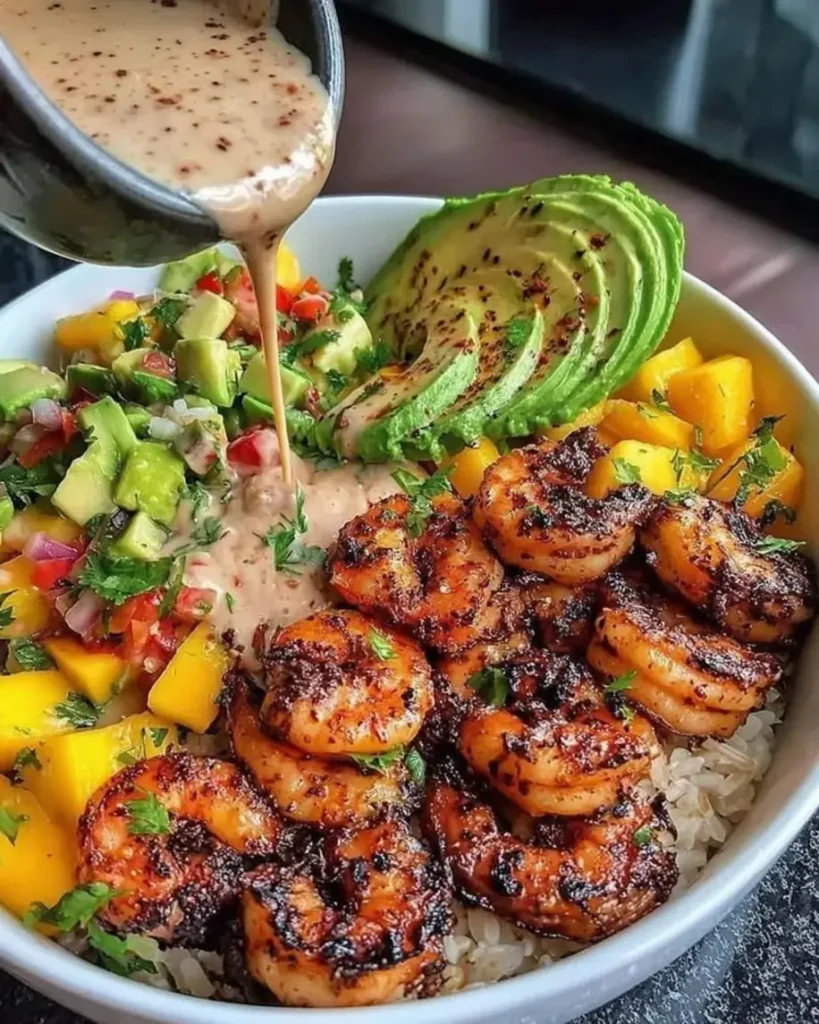
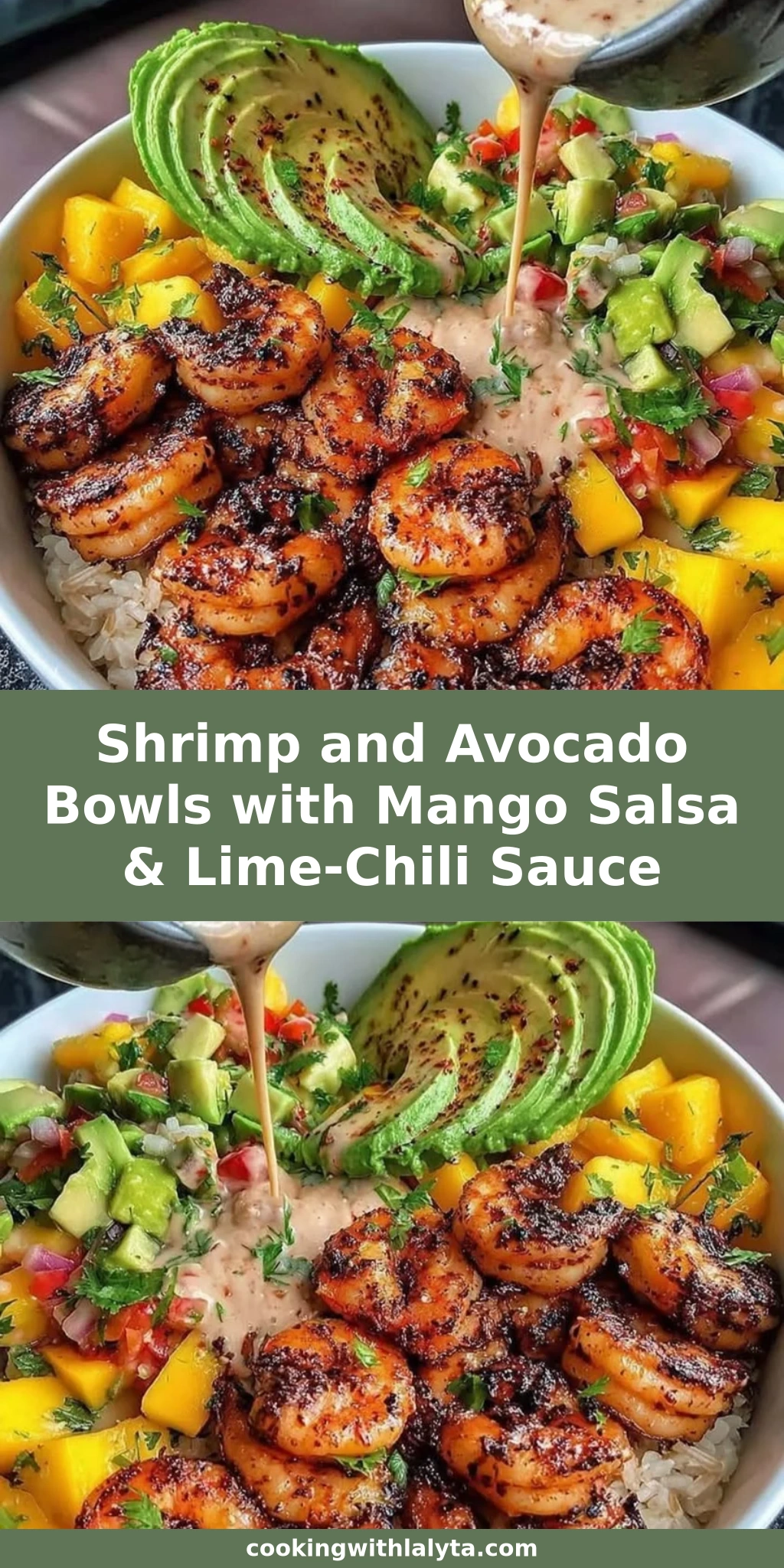
Let me paint you a picture of what you’re about to experience with these shrimp bowls with lime chili sauce. The shrimp are seasoned with a smoky, earthy blend of chili powder, cumin, and garlic powder — a nod to the spice markets of Marrakech that I still dream about — then seared in avocado oil until they develop that gorgeous pink hue and a slightly crisp, caramelized edge. The avocado, silky and rich, provides a cooling counterpoint to the warm, boldly spiced shrimp. But the real showstopper, the element that makes this avocado shrimp bowl recipe truly sing, is the mango salsa. Sweet, juicy mangoes — the kind you can find at any NYC greenmarket in peak summer — are diced and tossed with sharp red onion, fragrant cilantro, and just enough minced jalapeño to give it a gentle, lingering heat. A generous squeeze of fresh lime juice ties it all together, brightening every single component. And then there’s the lime-chili sauce: a luscious, creamy drizzle that I perfected using the emulsion techniques I learned in my Parisian culinary school days. It’s tangy from fresh lime juice, subtly smoky from chili powder, and so irresistibly smooth that you’ll want to put it on everything — trust me, I do.
What sets my shrimp mango salsa bowl apart from the dozens of similar recipes you’ll find online is really twofold: technique and balance. After years of professional cooking, I’ve learned that the secret to shrimp that’s tender and juicy — never rubbery — lies in a few simple but non-negotiable steps: patting them completely dry before seasoning, using high heat for a quick sear, and never, ever overcrowding the pan. I’ll walk you through exactly how to nail this, along with the one common mistake that even experienced home cooks make (hint: it involves turning your back on the shrimp for even 30 seconds too long). The other thing I’m passionate about is flavor balance — a principle my mother taught me in her kitchen in Casablanca, where every dish, no matter how humble, was layered with contrasting tastes and textures. Here, the sweetness of the mango, the richness of the avocado, the smokiness of the shrimp, and the tangy heat of the sauce all work in perfect harmony, so every single bite is a little different and a lot delicious. This is the kind of recipe that makes you feel like a chef in your own kitchen, even on a hectic Tuesday night.
Why This Shrimp and Avocado Bowls Recipe Is the Best
The Flavor Secret: When I was training in Paris, one of my chef instructors drilled into me that a great sauce can elevate even the simplest ingredients. That’s exactly what my lime-chili sauce does here. It’s a humble combination — mayonnaise, fresh lime juice, chili powder, and a pinch of salt and pepper — but when you whisk them together with the right technique (vigorously, until the emulsion is glossy and smooth), it transforms into something that tastes far more complex than the sum of its parts. The lime juice cuts through the richness of the avocado and shrimp, while the chili powder adds a gentle warmth that lingers on your palate without overpowering. This is the element that makes these mango salsa shrimp bowls unforgettable, and it’s a trick I’ve carried with me from those early days in my tiny Parisian apartment kitchen all the way to my current NYC home. I often think about how my mother, who made sauces from scratch daily in Morocco, would approve of this one — it has that same bright, bold character that North African cooking is known for.
Perfected Texture: The texture game in this bowl is nothing short of spectacular, and it’s something I’ve obsessed over. The shrimp, when cooked properly, have a firm, snappy bite that gives way to a juicy interior — a texture that’s worlds away from the tough, chewy shrimp that plague so many home kitchens. The key is a screaming-hot skillet, a single layer of shrimp with space between each piece, and an almost ruthless efficiency: 1 to 2 minutes per side, no more. The avocado adds that velvety, melt-in-your-mouth creaminess that contrasts beautifully with the crisp, fresh salsa. And the rice — whether you choose fluffy white jasmine rice, nutty quinoa, or light cauliflower rice — provides a tender, absorbent base that soaks up all the juices and sauce. I learned the importance of texture contrast from my Moroccan grandmother, who always insisted that a meal should have something crunchy, something soft, and something juicy on the plate. This bowl delivers on all three fronts, making every bite a dynamic sensory experience.
Foolproof & Fast: I know firsthand how chaotic weeknights can be — between recipe testing, photographing dishes for the blog, and navigating life in New York City, I need meals that come together quickly without compromising on flavor. This shrimp avocado bowl recipe is designed to be exactly that: a 25-minute wonder that looks and tastes like you spent far longer on it. The steps are streamlined and logical — make the sauce while the salsa sits and the flavors meld, season the shrimp while the skillet heats, and assemble everything in layers so each component stays distinct until the moment you dig in. Even if you’re a beginner cook who’s intimidated by seafood, I’ve included pro tips and common-mistake warnings throughout the instructions to guide you. I’ve tested this recipe dozens of times, including on friends who claim they “can’t cook,” and every single one of them nailed it on the first try. That’s when I know a recipe is truly ready to share with you.
Shrimp Avocado Bowl Ingredients
One of the things I love most about living in New York City is the access to incredible fresh ingredients year-round. For this recipe, I usually pick up large, wild-caught shrimp from the fishmonger at Chelsea Market — their quality is consistently outstanding, and the shrimp are always plump and sweet. The mangoes I buy from the Union Square Greenmarket when they’re in season (usually May through September), choosing Ataulfo mangoes for their buttery texture and intense floral sweetness. If I’m making this in the dead of winter when mangoes are less inspiring, I’ll sometimes swap in ripe, juicy pineapple or even segmented blood oranges — more on that in the variations section. The avocados need to be perfectly ripe but not mushy; I gently press the stem end — if it yields slightly, it’s ready. As for the jalapeño, I get mine from the same greenmarket, and I always taste a tiny slice before adding it to the salsa because heat levels can vary wildly. This ingredient story is a little window into my NYC life, but the beauty of this recipe is that you can find everything you need at any well-stocked American grocery store.
Ingredients List
For the Lime-Chili Sauce:
- 1/4 cup mayonnaise
- 1 tablespoon fresh lime juice
- 1 teaspoon chili powder
- 1/2 teaspoon kosher salt
- 1/4 teaspoon black pepper
For the Mango Salsa:
- 2 ripe mangoes, peeled and diced
- 1/2 small red onion, finely diced
- 1/4 cup fresh cilantro, chopped
- 1 small jalapeño, minced
- 1 lime, juiced
- 1/2 teaspoon kosher salt
For the Shrimp:
- 1 pound large shrimp, peeled and deveined
- 1 tablespoon avocado oil
- 1/2 teaspoon chili powder
- 1/2 teaspoon ground cumin
- 1/2 teaspoon garlic powder
- 1/4 teaspoon kosher salt
- 1/4 teaspoon black pepper
For Serving:
- 3 cups cooked white rice, quinoa, or cauliflower rice
- 2 ripe avocados, sliced
- Lime wedges, for serving
Ingredient Spotlight
Shrimp: The star protein of our shrimp avocado bowl deserves careful selection. At any US grocery store, look for large or extra-large shrimp (labeled 16/20 or 21/25 count per pound) that are wild-caught if your budget allows — they have a cleaner, sweeter flavor and firmer texture than farmed. The shrimp should smell mildly briny, like the ocean, never fishy or ammoniated. If buying frozen (which is often fresher than “fresh” since they’re flash-frozen at sea), thaw them overnight in the refrigerator or under cold running water for quick results. The best substitution for shrimp in this avocado shrimp bowl recipe is firm, flaky white fish like mahi-mahi or halibut cut into chunks; they’ll cook similarly and soak up the spices beautifully. You could also use seared scallops for an extra-special version, though they’ll be more delicate and cook even faster. Avoid pre-cooked shrimp — they’ll turn rubbery and won’t absorb the seasoning.
Mangoes: A ripe mango is non-negotiable for that sweet, tropical burst in the salsa. In American supermarkets, Ataulfo mangoes (the smaller, golden-yellow variety) are my top pick for their creamy, string-free flesh and honeyed flavor. To check for ripeness, gently squeeze — it should give slightly, like a ripe avocado. If you can’t find good mangoes or they’re out of season, fresh pineapple is the best substitute; it brings a similar sweetness and juicy crunch, though the flavor profile shifts from floral to tangy. Ripe peaches or nectarines in summer also work wonderfully and give the salsa a lovely blush of color. Avoid using canned or frozen mango — the texture will be mushy and the salsa will become watery.
Avocados: For the creamiest, most luscious slices, choose Hass avocados with dark, pebbly skin that yields slightly when you press near the stem. If they’re rock-hard, leave them on the counter for 2–3 days; if they’re already ripe but you’re not using them immediately, pop them in the refrigerator to slow down ripening. There’s really no great substitute for fresh avocado in this bowl — its richness is essential for balancing the tangy lime-chili sauce and spicy shrimp. In a pinch, a dollop of full-fat Greek yogurt or crema can add a similar creamy element, but you’ll miss that buttery chlorophyll note that only avocado provides.
Chili Powder: This pantry staple is the backbone of both the seasoning blend and the lime-chili sauce. In the US, chili powder is typically a blend of ground dried chiles, cumin, oregano, and sometimes garlic — it’s mild to moderately spicy depending on the brand. I use a standard American chili powder (like McCormick) for a family-friendly heat level. If you want more smokiness, swap in chipotle chili powder, or for a fruitier, more complex flavor, use ancho chili powder. If you’re out of chili powder entirely, a mix of paprika (sweet or smoked) plus a pinch of cayenne will approximate the warmth and color, though you’ll lose some of that earthy complexity.
| Original Ingredient | Best Substitution | Flavor / Texture Impact |
|---|---|---|
| Large shrimp | Mahi-mahi or halibut chunks | Milder flavor, flakier texture; still delicious with the same seasoning |
| Mangoes | Fresh pineapple or ripe peaches | Slightly tangier; pineapple adds more crunch, peaches bring floral sweetness |
| Avocados | Full-fat Greek yogurt or crema | Adds creaminess but lacks the richness and texture of avocado |
| Chili powder | Smoked paprika + pinch of cayenne | Smokier and slightly less earthy; adjust cayenne to taste |
| Jalapeño | Serrano pepper (hotter) or poblano (milder) | Serrano adds more heat; poblano brings earthiness with less spice |
How to Make Shrimp and Avocado Bowls — Step-by-Step
I’m going to walk you through this recipe exactly as I make it in my own kitchen, with all the little tips and tricks I’ve gathered over years of professional cooking. Don’t be intimidated — this is a wonderfully forgiving recipe, and I’ve broken it down into five clear, manageable steps that flow logically from one to the next. Just follow along, and in about 25 minutes, you’ll have a restaurant-worthy bowl in front of you.
| Step | Action | Duration | Key Visual Cue |
|---|---|---|---|
| 1 | Make the lime-chili sauce | 3 mins | Smooth, pale orange, no streaks |
| 2 | Make the mango salsa | 5 mins | Vibrant, juicy, evenly mixed |
| 3 | Season the shrimp | 2 mins | Shrimp evenly coated with spice blend |
| 4 | Cook the shrimp | 4 mins | Bright pink, opaque, slightly curled |
| 5 | Assemble the bowls | 3 mins | Beautiful layered presentation |
Step 1: Make the Lime-Chili Sauce
In a small bowl, combine 1/4 cup of mayonnaise, 1 tablespoon of fresh lime juice, 1 teaspoon of chili powder, 1/2 teaspoon of kosher salt, and 1/4 teaspoon of black pepper. Whisk vigorously until the sauce is completely smooth and the chili powder is evenly distributed — you should see a uniform pale orange color with no streaks or specks of unblended spice. The whisking motion is important here; it emulsifies the ingredients and creates that glossy, cohesive texture that clings beautifully to the shrimp and rice. Set the sauce aside at room temperature while you prepare the rest of the dish. If you make it ahead and refrigerate, it will thicken slightly, so let it sit at room temperature for about 10 minutes before drizzling.
💡 Lalybeth’s Pro Tip: Use freshly squeezed lime juice, not the bottled kind. The difference is astonishing — fresh lime juice has bright, floral notes and natural acidity that bottled juice, with its slightly metallic aftertaste, simply can’t match. In my Paris training, we were taught that the quality of your acid component can make or break a sauce, and this is a perfect example. One medium lime yields about 1 to 1½ tablespoons of juice, so you’ll need just one for the sauce.
Step 2: Make the Mango Salsa
In a medium bowl, combine the diced mangoes (about 2 cups total), 1/2 small red onion (finely diced — you want pieces small enough to distribute evenly but large enough to provide a little crunch), 1/4 cup of chopped fresh cilantro, 1 small jalapeño (minced), the juice of 1 lime, and 1/2 teaspoon of kosher salt. Stir gently with a spoon until everything is evenly mixed and the lime juice coats all the ingredients. The salt will start drawing moisture out of the mangoes immediately, creating a juicy, flavorful base. Let the salsa sit at room temperature while you cook the shrimp — this resting time is actually beneficial, as it allows the flavors to meld and deepen, much like the slow-marinated salads my mother used to make in Morocco on warm afternoons.
⚠️ Common Mistake to Avoid: Don’t skip tasting your jalapeño before adding it! The heat level of jalapeños can vary dramatically — I’ve bought ones that were practically bell-pepper mild and others that nearly blew my head off. Slice off a tiny piece and taste it raw. If it’s very spicy, remove the seeds and membranes (where most of the heat lives) before mincing, or use only half. If it’s mild, feel free to include the seeds for extra kick. This small step ensures your mango salsa has the perfect level of heat for your palate.
Step 3: Season the Shrimp
Pat the shrimp completely dry with paper towels — this is absolutely crucial for getting a good sear. Any surface moisture will cause the shrimp to steam rather than sear, and you’ll miss out on that beautiful caramelized exterior. In a small bowl, mix together 1/2 teaspoon of chili powder, 1/2 teaspoon of ground cumin, 1/2 teaspoon of garlic powder, 1/4 teaspoon of kosher salt, and 1/4 teaspoon of black pepper. Sprinkle this seasoning blend evenly over the dried shrimp, then use your hands or a spoon to toss until every shrimp is well coated. The spice mix should cling to the surface of the shrimp, creating a light, flavorful crust when they hit the hot pan. At this point, your kitchen will start smelling absolutely incredible — that cumin and chili powder combination always takes me right back to the spice-scented air of the medina in Marrakech.
💡 Lalybeth’s Pro Tip: If you have the time, let the seasoned shrimp sit at room temperature for 5 to 10 minutes before cooking. This brief rest allows the salt to begin penetrating the shrimp and the spices to adhere more firmly, resulting in deeper flavor. I learned this technique from a chef in Paris who specialized in seafood — he called it “dry-brining in miniature” and insisted it made all the difference. Just don’t let them sit longer than 15 minutes, or the salt will start to draw out too much moisture and make the shrimp watery.
Step 4: Cook the Shrimp
Heat 1 tablespoon of avocado oil in a large skillet over medium-high heat until it’s shimmering and almost smoking — you want the pan screaming hot before the shrimp go in. A properly heated pan is the difference between shrimp that sear and shrimp that stew. Add the shrimp in a single layer, making sure there’s a little space between each one. If your skillet isn’t large enough to hold all the shrimp without crowding, cook them in two batches; overcrowding drops the pan temperature and causes the shrimp to release liquid and steam. Cook for 1 to 2 minutes on the first side — you’ll see the edges turning pink and opaque — then flip each shrimp and cook for another 1 to 2 minutes on the second side, until they’re completely pink and opaque throughout with a slight curl. The total cooking time should be about 3 to 4 minutes. Remove the shrimp from the pan immediately to prevent carryover cooking.
⚠️ Common Mistake to Avoid: The number one reason shrimp turn rubbery is overcooking. I see it happen all the time — cooks step away from the stove for “just a second” to check their phone or stir something else, and those few extra seconds are all it takes. Shrimp cook incredibly fast, and they go from perfectly tender to tough and chewy in a flash. My rule: stay at the stove and watch them like a hawk. The moment they form a “C” shape and turn uniformly pink, they’re done. If they curl into a tight “O,” you’ve gone too far. Set a timer if it helps — 1½ minutes per side is usually just right for large shrimp.
Step 5: Assemble the Bowls
Now comes the fun part — building your beautiful shrimp avocado bowl. Divide 3 cups of cooked rice (or your chosen base) among 4 bowls, creating an even layer. On one side of each bowl, fan out the slices of one-half avocado per serving. On the other side, spoon a generous mound of mango salsa — don’t be shy; the salsa is bright and fresh and you want plenty in every bite. Arrange the cooked shrimp on top, nestling them between the avocado and salsa, or simply piling them in the center for a striking presentation. Drizzle the lime-chili sauce over everything — I like to use a spoon and let it fall in ribbons, but you can also transfer it to a small zip-top bag, snip off a corner, and pipe it on for a more polished look. Serve immediately with lime wedges on the side for an extra squeeze of brightness.
💡 Lalybeth’s Pro Tip: For the most beautiful bowl, think in terms of color contrast and height. I arrange the rice as a flat base, then create a little “wall” of avocado slices on one side, a mound of salsa on the other, and the shrimp perched on top so they’re the first thing you see. A sprinkle of flaky sea salt over the avocado and a few extra cilantro leaves scattered on top make it look like something from a restaurant. As my Parisian plating instructor used to say, “We eat first with our eyes.” Take 30 extra seconds to arrange it beautifully — you’ll enjoy it twice as much.
Serving & Presentation
When I serve these shrimp mango salsa bowls at dinner parties in my NYC apartment, I love to present them family-style: a large platter of rice in the center, surrounded by smaller bowls of the mango salsa, sliced avocado, cooked shrimp, and lime-chili sauce, so everyone can build their own bowl exactly to their liking. It’s interactive, relaxed, and feels wonderfully communal — the kind of meal that sparks conversation and second helpings. If I’m plating individually, I use wide, shallow bowls rather than deep ones; they give you more surface area to spread out the components so every bite has a little bit of everything, and they just look more elegant on the table. A final flourish of flaky Maldon sea salt over the avocado and a tiny pinch of chili powder dusted over the sauce drizzle adds a pop of color and signals to your guests (or yourself!) that this is no ordinary weeknight dinner.
For side pairings, I’m a big fan of keeping things simple and complementary. A crisp, tangy slaw made with shredded cabbage, a squeeze of lime, and a touch of olive oil provides a refreshing crunch that plays beautifully against the richness of the avocado and the creamy sauce. If I’m feeling like something warm, grilled corn on the cob slathered with a little chili-lime butter is a natural partner — that sweet, charred flavor echoes the smokiness in the shrimp seasoning. In the summer, I’ll throw together a quick cucumber and tomato salad with a light vinaigrette, the kind my mother used to make in Morocco with whatever was ripest in the garden that day. And if you want to go the extra mile, warm corn tortillas on the side let you turn these bowls into impromptu tacos, which is always a hit with kids and adults alike.
| Pairing Type | Suggestions | Why It Works |
|---|---|---|
| Side Dish | Cabbage slaw, grilled corn, cucumber salad | Crunchy, fresh, and light — balances the rich bowl |
| Sauce / Dip | Extra lime-chili sauce, chipotle crema, avocado ranch | Adds creaminess, heat, or tang to customize each bite |
| Beverage | Mexican lager, limeade, sparkling water with mint | Crisp and refreshing, cuts through the richness |
| Garnish | Extra cilantro, flaky sea salt, sliced radishes, hot sauce | Adds color, texture, and a final pop of flavor |
Make-Ahead, Storage & Reheating
As someone who juggles recipe development, photography, and the general whirlwind of New York City life, I’m a big believer in smart meal prep that doesn’t compromise on quality. This shrimp avocado bowl recipe is actually fantastic for making ahead — with a few strategic decisions. The lime-chili sauce can be whisked together up to 3 days in advance and stored in an airtight container in the refrigerator; just give it a good stir before using, as it may thicken slightly. The mango salsa also holds up well for about 24 hours in the fridge, though the mangoes will soften a bit and release more juice — I actually love this, as the flavors meld and deepen overnight. The one component I don’t recommend prepping ahead is the avocado, which will brown and turn mushy. Slice it fresh just before serving for that perfect creamy texture.
| Method | Container | Duration | Reheating Tip |
|---|---|---|---|
| Refrigerator | Airtight glass container (shrimp and rice only) | Up to 3 days | Gently reheat shrimp and rice in skillet with a splash of water; add fresh salsa and avocado |
| Freezer | Freezer-safe container (cooked shrimp only) | Up to 1 month | Thaw overnight in fridge; reheat gently in skillet; texture will be slightly softer |
| Make-Ahead | Separate containers for sauce, salsa, and cooked rice | Sauce: 3 days; Salsa: 1 day; Rice: 3 days | Cook and slice avocado fresh; assemble bowls just before serving |
When it comes to reheating, shrimp can be finicky — they’re prone to overcooking and turning rubbery on the second go-round. My preferred method is to reheat only the shrimp and rice together in a skillet over medium-low heat with a splash of water or a drizzle of avocado oil, just until warmed through (about 2 to 3 minutes). The steam from the water helps keep the shrimp moist without further cooking them. Avoid the microwave if you can — it tends to zap the moisture out of shrimp and leave them tough. I always assemble the bowls with completely fresh avocado slices and a new drizzle of lime-chili sauce, even if I’ve stored those components separately. That way, the contrast of warm shrimp and rice against cool, creamy avocado and bright salsa is preserved, and the whole bowl tastes freshly made.
One more storage tip from my NYC kitchen: if you’re packing these shrimp bowls with lime chili sauce for lunch at the office, keep the components in separate containers and assemble right before eating. I use a divided glass meal-prep container — rice and shrimp in one compartment, salsa in another, and avocado in a third with a little squeeze of lime juice to prevent browning. The sauce goes in a tiny separate jar. When lunchtime rolls around, I combine everything and it tastes like it was made five minutes ago, not two days prior. This method has saved me from many sad desk lunches and is a trick I wish I’d learned years earlier!
Variations & Easy Swaps
One of the things I love most about this shrimp avocado bowl is how endlessly adaptable it is. Over the years, I’ve played with different proteins, swapped in seasonal produce depending on what looks best at the farmers market, and adjusted the spice level to suit everyone from heat-averse friends to hardcore chili lovers. Here are three of my favorite variations, each inspired by a different corner of my culinary journey — from the aromatic kitchens of Morocco to the health-conscious cafés of NYC.
| Variation | Key Change | Best For | Difficulty Impact |
|---|---|---|---|
| Spicy Moroccan Harissa Shrimp Bowls | Swap chili powder for harissa paste in seasoning and sauce | Spice lovers & North African food fans | No change — still easy |
| Gluten-Free & Dairy-Free Version | Use dairy-free mayo or coconut yogurt in sauce | Dietary restrictions without sacrificing flavor | No change — still easy |
| Winter Citrus & Pomegranate Twist | Replace mango with blood orange segments and pomegranate arils | Cold-weather months when mangoes are out of season | Minor — slightly more prep but still straightforward |
Spicy Moroccan Harissa Shrimp Bowls
When I’m craving a taste of my childhood, I swap the chili powder in both the shrimp seasoning and the lime-chili sauce for a generous teaspoon of harissa paste — the fiery, aromatic North African chili paste that was a staple in my mother’s kitchen. Harissa brings a deeper, more complex heat than standard chili powder, with notes of caraway, coriander, and smoked peppers that instantly transport me back to Casablanca. To make this variation, replace the chili powder in the shrimp seasoning with 1 teaspoon of harissa paste (or 1/2 teaspoon if you’re heat-sensitive) and stir another teaspoon into the lime-chili sauce. You’ll get a bowl that’s bolder, smokier, and deeply warming. I also like to add a handful of chopped preserved lemon to the salsa for an authentic Moroccan touch — it adds a salty, tangy brightness that’s absolutely addictive. This variation honors the flavors I grew up with while keeping the bowl format that my NYC friends love.
Gluten-Free & Dairy-Free Version
Good news: this avocado shrimp bowl recipe is already naturally gluten-free as long as your chili powder and spices are certified gluten-free (most are, but always check labels). For a dairy-free version, the only swap you need to make is in the lime-chili sauce. Traditional mayonnaise is typically dairy-free since it’s made from eggs and oil, but if you’re avoiding eggs as well, use a high-quality vegan mayonnaise — I’ve tested this with Primal Kitchen’s avocado oil mayo and it worked beautifully, yielding a sauce that’s just as creamy and tangy as the original. Another excellent option is full-fat coconut yogurt; it adds a subtle tropical note that actually complements the mango salsa wonderfully. Just make sure to use unsweetened, plain coconut yogurt and whisk it thoroughly with the lime juice and chili powder. The texture will be slightly thinner than the mayo version, but the flavor is bright and delicious. This is the version I make for my dairy-free and egg-free friends at dinner parties, and honestly, no one ever guesses it’s a “modified” recipe.
Winter Citrus & Pomegranate Twist
During the colder months in New York, when mangoes are pale, fibrous, and frankly disappointing, I pivot to a winter citrus salsa that’s equally stunning. I replace the mango with a mix of segmented blood oranges and ruby red grapefruit — their jewel-toned colors and juicy, tangy-sweet flesh make the bowl feel festive and seasonal. To that, I add a handful of pomegranate arils (you can buy them pre-seeded at most grocery stores, a convenience I fully embrace on busy days), which pop in your mouth like little bursts of sweet-tart juice. The cilantro, jalapeño, and red onion stay the same, and a drizzle of honey in the lime juice helps balance the sharper citrus notes. This version is brighter and more acidic than the mango original, and it pairs beautifully with a bed of warm, nutty quinoa instead of rice. I developed this variation after a winter trip to the Union Square Greenmarket left me with a bag of gorgeous blood oranges and a craving for something fresh in the middle of February — it’s now a seasonal staple in my kitchen.
How do you keep shrimp from becoming rubbery when making shrimp and avocado bowls?
Keeping shrimp tender and juicy rather than rubbery comes down to three critical factors: thorough drying, high heat, and precise timing. First, pat your shrimp completely dry with paper towels before seasoning — any surface moisture will cause them to steam rather than sear. Second, make sure your skillet is screaming hot (the oil should shimmer and just barely smoke) before adding the shrimp in a single, uncrowded layer. Third, and most importantly, cook them for only 1 to 2 minutes per side and don’t walk away from the stove. Shrimp are done the moment they turn pink and opaque and curl into a loose “C” shape. If they curl into a tight “O,” they’re overcooked. Remove them from the pan immediately to stop the carryover cooking, and you’ll have perfectly tender shrimp every single time.
What can I substitute for mango in the salsa if I don’t have one on hand?
Fresh pineapple is hands-down my favorite substitute for mango in this salsa — it brings a similar juicy sweetness and holds its shape well when diced. Ripe peaches or nectarines are another fantastic option during summer months, offering a floral, delicate sweetness that pairs beautifully with the spicy shrimp. In fall and winter, I love using segmented blood oranges or grapefruit combined with pomegranate arils for a seasonal twist that’s stunningly colorful and bright. You can even use diced papaya, though its softer texture will make the salsa slightly mushier. Whatever fruit you choose, the key is to pick something ripe but firm, so it doesn’t break down too much when mixed with the lime juice and salt. Avoid canned fruit, which is often too soft and packed in syrup that will make the salsa cloyingly sweet.
Can I make the lime-chili sauce ahead of time, and how long will it stay fresh?
Absolutely — the lime-chili sauce is one of the best make-ahead components in this recipe. Whisk it together and store it in an airtight container in the refrigerator for up to 3 days. The flavors actually meld and mellow slightly over time, so I often think it tastes even better on day two. When you’re ready to use it, let the sauce sit at room temperature for about 10 to 15 minutes and give it a good stir — the mayonnaise may thicken when cold, and stirring brings back that glossy, drizzle-able consistency. If the sauce seems too thick even after coming to room temperature, whisk in a tiny splash of water or an extra squeeze of lime juice to loosen it up. Just be sure to taste and adjust the seasoning if needed, as the lime flavor can soften slightly in the fridge.
What type of rice or grain works best as the base for these shrimp and avocado bowls?
This is wonderfully flexible, and the “best” base really depends on what you’re in the mood for. Fluffy jasmine rice is my go-to for its subtle floral aroma and tender texture that soaks up the lime-chili sauce beautifully. Short-grain brown rice adds a nutty chew and more fiber, though it takes longer to cook. For a protein-packed option, quinoa is excellent — its slightly earthy, nutty flavor pairs surprisingly well with the sweet mango salsa and spicy shrimp. If you’re watching carbs, cauliflower rice is a fantastic low-carb alternative; just make sure to sauté it in a dry skillet first to remove excess moisture, otherwise your bowl can become watery. You can even use a bed of mixed greens or shredded lettuce for a lighter, salad-style bowl. Whatever you choose, cook it with a pinch of salt and, if you’re feeling ambitious, a squeeze of lime and some chopped cilantro stirred in at the end for a flavor boost.
Can I use frozen shrimp for this shrimp mango salsa bowl recipe?
Yes, frozen shrimp work perfectly well, and in many cases they’re actually fresher than the “fresh” shrimp at the seafood counter, since they’re typically flash-frozen right on the boat. Look for large or extra-large raw, peeled, and deveined shrimp — avoid pre-cooked frozen shrimp, which will turn rubbery when reheated. To thaw, place the frozen shrimp in a colander under cold running water for about 10 to 15 minutes, tossing occasionally, until they’re completely defrosted and pliable. Alternatively, thaw them overnight in the refrigerator. Once thawed, the most important step is to pat them extremely dry with paper towels. Frozen shrimp tend to hold more surface moisture, and if you skip the drying step, they’ll steam instead of sear. From there, proceed with the recipe exactly as written.
How do I know when my avocado is perfectly ripe for these shrimp avocado bowls?
A perfectly ripe avocado for this bowl should yield slightly when you press it gently near the stem end — think of the feel of pressing on the tip of your nose. If it’s hard as a rock, it needs 2 to 3 more days on the counter. If it feels mushy or the skin has sunken spots, it’s overripe and will be brown and stringy inside. The color of Hass avocados is also a good indicator: they turn from green to a deep, purplish-black when ripe. A neat trick I learned from a farmer at the Union Square Greenmarket: flick off the small stem nub at the top. If it comes away easily and the flesh underneath is green, the avocado is perfect. If it’s brown underneath, the avocado is likely overripe. And if the stem doesn’t budge, it needs more time to ripen.
Is this shrimp avocado bowl recipe spicy, and how can I adjust the heat level?
As written, this recipe has a gentle, family-friendly heat — the chili powder provides warmth without intense spiciness, and the jalapeño in the salsa (especially with seeds removed) adds a mild, fresh kick. That said, heat tolerance is deeply personal, and this recipe is super easy to customize. For a completely mild version, omit the jalapeño from the salsa, use a mild chili powder (or swap in sweet paprika), and serve hot sauce on the side. For more heat, leave the seeds and membranes in the jalapeño, add a pinch of cayenne or a dash of your favorite hot sauce to the lime-chili sauce, or use a spicier chili powder blend. You can also serve the bowls with sliced fresh serrano peppers or a drizzle of sriracha on top. The beauty of building bowls is that everyone can adjust their own plate to their preferred spice level.
What’s the best way to store leftovers, and how long will they keep?
For the best leftover experience, I strongly recommend storing the components separately rather than as fully assembled bowls. Cooked shrimp and rice can be stored together in an airtight container in the refrigerator for up to 3 days. The mango salsa will keep in its own container for about 24 hours (the mangoes will soften and release juice, but the flavor will still be delicious). The lime-chili sauce lasts up to 3 days refrigerated. Avocado should always be sliced fresh just before serving — it browns quickly once cut, and even with lime juice, leftover avocado won’t have the same creamy texture. When reheating, warm the shrimp and rice gently in a skillet with a splash of water over medium-low heat until just heated through, then assemble with fresh avocado and a drizzle of sauce. Avoid microwaving shrimp, as it can make them tough and rubbery.
Can I grill the shrimp instead of pan-searing them for this recipe?
Absolutely, and grilled shrimp add a wonderful smoky char that takes these bowls to another level. To grill, thread the seasoned shrimp onto skewers (soak wooden skewers in water for 30 minutes first to prevent burning) and grill over medium-high heat for about 2 to 3 minutes per side, until pink and opaque. The direct flame gives the shrimp a slightly charred, caramelized exterior that pairs beautifully with the sweet mango salsa and creamy lime-chili sauce. If you’re using smaller shrimp, consider using a grill basket to prevent them from falling through the grates. This method is perfect for summer cookouts — I often set up a bowl-building station on my tiny NYC balcony and let guests assemble their own. Just keep a close eye on the shrimp, as they cook even faster on the grill than in a skillet.
What are the nutritional highlights of these shrimp and avocado bowls?
These bowls pack an impressive nutritional punch while feeling indulgent. A single serving (with white rice) clocks in at around 520 calories, with 25 grams of protein from the shrimp, heart-healthy monounsaturated fats from the avocado, and a generous dose of vitamins A and C from the mango salsa. The shrimp are also an excellent source of selenium and vitamin B12. For a lower-carb option, swapping cauliflower rice for white rice reduces the carbohydrate content significantly while adding extra fiber and nutrients. Using quinoa instead of rice boosts the protein and fiber even further. The lime-chili sauce is the most calorie-dense component due to the mayonnaise, but you can easily make it lighter by using half mayo and half Greek yogurt without sacrificing much creaminess. Overall, this is a beautifully balanced meal that delivers on both nutrition and satisfaction.
Share Your Version!
One of the greatest joys of sharing recipes on cookingwithlalyta.com is seeing the beautiful, creative ways you make them your own. Whether you followed this shrimp avocado bowl recipe to the letter, swapped in pineapple for the mango, or turned up the heat with a generous spoonful of harissa, I want to hear about it! Your adaptations and tweaks inspire me, and they help other readers discover new ways to enjoy this dish. So please, don’t be shy — drop a star rating and a comment below telling me how it turned out for you. Did you try one of the variations? Did you discover a new pairing I haven’t thought of? I read every single comment and they genuinely make my day.
And if you’re the photo-snapping type (I know I am — my camera roll is basically a food diary), share your creation on Instagram or Pinterest and tag me @cookingwithlalyta. There’s nothing that makes me happier than scrolling through my feed and seeing your beautiful bowls, your colorful salsa, your perfectly seared shrimp. Use the hashtag #LalybethsKitchen so I can find you easily. And before I go, I have one question for you: what’s your favorite way to add a little extra personality to a bowl like this? A secret spice blend? A crunchy topping? An unexpected garnish? I’d love to know — because in my kitchen, the best recipes are the ones that evolve with the people who make them.
From my NYC kitchen to yours — I hope this recipe brings as much warmth to your table as it does to mine. — Lalybeth 🧡
Love This Recipe? Save It to Pinterest!
If you enjoyed this Shrimp and Avocado Bowls with Mango Salsa & Lime-Chili Sauce recipe, don’t let it get lost in your browser tabs! 😄 Pin it now so you can find it again anytime — and explore hundreds more tried-and-tested recipes waiting for you on my Pinterest boards.
👉 Follow Lalybeth on Pinterest @cookingwithlalyta
📌 Pin this recipe · 🔁 Re-pin your favorites · 💬 Tag me when you make it — I love seeing your creations!
Did you make these Shrimp and Avocado Bowls? I’d love to know!
⭐ Rate this recipe and drop a comment below — your feedback helps me keep creating the recipes you love.
📸 Snap a photo and tag @cookingwithlalyta on Instagram — I can’t wait to see your beautiful bowls!
💌 Have a question or a clever twist you tried? Share it in the comments and let’s chat.
Shrimp and Avocado Bowls with Mango Salsa & Lime-Chili Sauce
- Total Time: 25 minutes
- Yield: 4 servings 1x
Description
Bright, fresh shrimp and avocado bowls topped with sweet mango salsa and a zesty lime-chili sauce. A quick, satisfying meal perfect for busy weeknights or light summer dinners.
Ingredients
- For the Lime-Chili Sauce:
- 1/4 cup mayonnaise
- 1 tablespoon fresh lime juice
- 1 teaspoon chili powder
- 1/2 teaspoon kosher salt
- 1/4 teaspoon black pepper
- For the Mango Salsa:
- 2 ripe mangoes, peeled and diced
- 1/2 small red onion, finely diced
- 1/4 cup fresh cilantro, chopped
- 1 small jalapeño, minced
- 1 lime, juiced
- 1/2 teaspoon kosher salt
- For the Shrimp:
- 1 pound large shrimp, peeled and deveined
- 1 tablespoon avocado oil
- 1/2 teaspoon chili powder
- 1/2 teaspoon ground cumin
- 1/2 teaspoon garlic powder
- 1/4 teaspoon kosher salt
- 1/4 teaspoon black pepper
- For Serving:
- 3 cups cooked white rice, quinoa, or cauliflower rice
- 2 ripe avocados, sliced
- Lime wedges, for serving
Instructions
- Make the lime-chili sauce:
- In a small bowl, whisk together the mayonnaise, lime juice, chili powder, salt, and black pepper until smooth. Set aside.
- Make the mango salsa:
- In a medium bowl, combine the diced mango, red onion, cilantro, jalapeño, lime juice, and salt. Stir to combine and set aside.
- Cook the shrimp:
- Pat the shrimp dry with paper towels. In a small bowl, mix the chili powder, cumin, garlic powder, salt, and black pepper. Sprinkle the seasoning over the shrimp and toss to coat.
- Heat the avocado oil in a large skillet over medium-high heat. Add the shrimp in a single layer and cook for 1–2 minutes per side, until pink and opaque. Remove from heat.
- Assemble the bowls:
- Divide the cooked rice among 4 bowls. Top each with sliced avocado, a generous spoonful of mango salsa, and the cooked shrimp.
- Drizzle with the lime-chili sauce and serve with lime wedges on the side.
Notes
For best results, use large or extra-large shrimp and pat them completely dry before seasoning. If you prefer extra heat, add a pinch of cayenne to the lime-chili sauce or leave the seeds in the jalapeño for the salsa. The bowls are delicious over cilantro-lime rice, cauliflower rice, or a bed of greens.
- Prep Time: 15 minutes
- Cook Time: 10 minutes
- Method: Dinner
- Cuisine: American
Nutrition
- Calories: 520 kcal
- Sugar: 18 g
- Fat: 28 g
- Carbohydrates: 48 g
- Protein: 25 g
Tried This Recipe? Leave a Comment!
Did you make this recipe? I’d love to hear how it turned out! Please leave a comment and a rating below. Your feedback helps other home cooks and supports cookingwithlalyta.com!
For more delicious inspiration, follow me on Pinterest!